

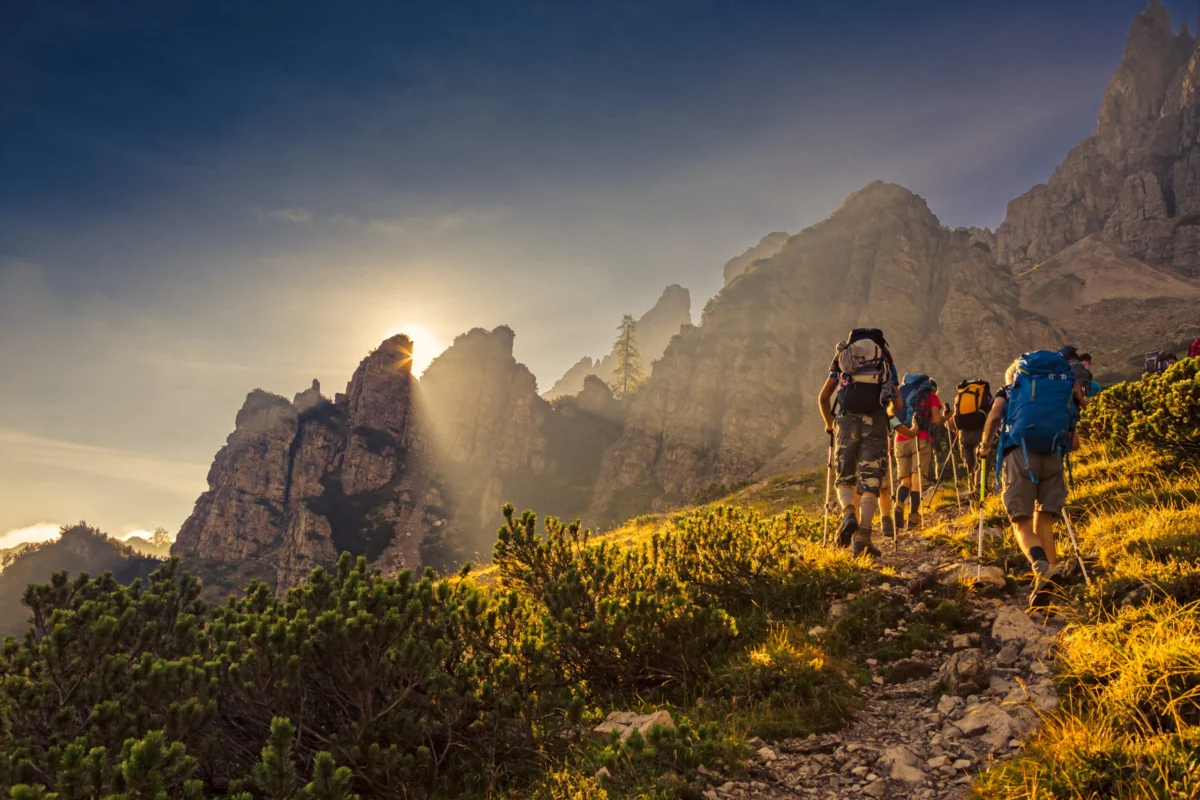
The State of Backpacking: Current Trends and Core Engagement
Of the 9.3 million participants identified in the 2025 data, approximately 2.5 million are classified as "core" backpackers—those who spent eight or more nights on the trail within the year. This core demographic is the backbone of the industry, driving demand for high-performance gear, specialty retail services, and long-term trail advocacy. However, the OIA report notes that even this dedicated group saw a 5% drop in participation over the past twelve months. This decline is particularly notable because it stands in stark contrast to the post-pandemic surge seen in other outdoor activities.
While activities such as hiking and tent camping experienced a meteoric rise in popularity during and after the COVID-19 pandemic, backpacking remained relatively stagnant. Analysts suggest that the gear-intensive nature of backpacking, combined with the technical knowledge required for multi-day wilderness survival, may have deterred the millions of new outdoor enthusiasts who flocked to trailheads for day trips or car-camping excursions. Despite these challenges, the report identifies a significant silver lining: the pool of potential converts has never been larger.
A Chronology of Participation: From Peak to Pivot
To understand the current state of backpacking, it is necessary to examine the trajectory of participation over the last decade. In 2017, backpacking reached a high-water mark of 11 million participants, fueled by a growing interest in "fast-packing," ultralight gear innovations, and the cultural romanticization of long-distance trekking. However, as the 2010s drew to a close, the market began to see a gradual softening.
The 2020 pandemic served as a pivotal moment for the outdoor industry at large. As indoor entertainment and travel options vanished, Americans turned to the outdoors in record numbers. Hiking participation surged to 63.6 million individuals, and tent camping grew to include 42 million participants. Backpacking, however, failed to capture this wave of "pandemic-era" participants in a meaningful way. The complexity of overnight wilderness travel—requiring specialized backpacks, lightweight sleep systems, water filtration, and navigation skills—created a "friction point" that day hikers were often unwilling to cross during a period of global uncertainty.
By 2024 and into 2025, the industry began to witness the fallout of this disconnect. While the broader outdoor market remains larger than it was pre-2020, backpacking has struggled to regain its 2017 momentum. The 650,000-person drop in the last year serves as a wake-up call for gear manufacturers and retailers who must now find ways to lower the barrier of entry for the millions of Americans who are already comfortable in the outdoors but hesitant to spend the night.
The Conversion Opportunity: Bridging the Gap Between Hikers and Backpackers
The OIA 2026 Backpacking Report emphasizes that the "next generation" of backpackers is not a distant demographic; they are already present on the trails. Currently, 7.8% of the 63.6 million active hikers in the U.S. also engage in backpacking. Similarly, 12.1% of the 42 million tent campers have ventured into the backcountry. The report argues that the industry’s greatest growth opportunity lies in these overlapping segments.
These individuals already possess the foundational requirements for backpacking: they own basic outdoor apparel, understand trail etiquette, and have a baseline level of physical fitness. Many already own high-quality hiking boots and moisture-wicking clothing. The challenge for the industry is to provide the "reason to stay overnight." This involves not only marketing the emotional and psychological benefits of deep-wilderness immersion but also simplifying the logistical hurdles of the first overnight trip.
Industry experts suggest that the "gear intimidation factor" is a primary hurdle. Specialty retail plays a crucial role here. The report examines the influence of thru-hikers—those who walk the entirety of trails like the Appalachian Trail or Pacific Crest Trail—who often serve as "influencers" for the broader community. While thru-hikers represent a small fraction of total participants, their gear choices and "trail hacks" trickle down to casual hikers, often making the activity seem more accessible or, conversely, more daunting depending on the complexity of the equipment used.
Demographics and the Changing Face of the Backcountry
The 2026 report provides an exhaustive breakdown of participation by sex, age, region, race, and household income, revealing a shifting demographic profile. One of the most promising areas of growth is among women’s backpacking communities. Organizations and social groups dedicated to female-led expeditions have seen an uptick in engagement, providing a supportive environment for newcomers to learn technical skills without the perceived pressure of traditional "outdoorsman" culture.
Age also plays a critical role in the report’s findings. While younger generations are entering the space through social media influence and a desire for "off-the-grid" experiences, there is a significant trend of older adults passing the tradition down to their grandchildren. This intergenerational transfer of knowledge is vital for the long-term sustainability of the sport. However, the report notes that household income remains a significant predictor of participation, as the initial investment in "essential gear" at specialty retail can range from several hundred to several thousand dollars. Addressing this economic barrier through rental programs, used gear markets, and entry-level product lines is seen as essential for diversifying the participant base.
Economic Implications and Specialty Retail
For the outdoor industry, the 2026 Backpacking Report serves as both a warning and a roadmap. The decline in core participation has direct implications for specialty retailers who rely on the high-margin sales of technical equipment. If the trend of declining participation continues, the market for high-end tents, stoves, and technical packs may contract, leading to increased competition and price sensitivity.
However, the report highlights that the "hikers and campers ready to go further" represent a massive, underserved market. If even a small percentage of the 63.6 million hikers can be convinced to transition into backpacking, the economic impact would be transformative. This transition requires a shift in how gear is sold—moving away from a focus on extreme technical specifications toward a focus on comfort, ease of use, and "first-timer" bundles.
Retailers are also being urged to consider the geographic distribution of participants. The report indicates that while traditional hubs like the Pacific Northwest and the Mountain West remain strong, there is untapped potential in the South and the Midwest, where local trail systems are expanding and a new demographic of "local explorers" is emerging.
Broader Impact and the Future of Wilderness Advocacy
Beyond the economic data, the fluctuations in backpacking participation have profound implications for environmental conservation and wilderness advocacy. Backpackers are historically among the most vocal proponents for the protection of public lands. A shrinking participant base could lead to a decline in political pressure to maintain and expand National Parks, National Forests, and Bureau of Land Management (BLM) areas.
The OIA suggests that the industry must frame backpacking not just as a sport or a hobby, but as a vital component of public health and environmental stewardship. By encouraging the "next wave" of participants to move from the trailhead to the backcountry, the industry is not just selling gear; it is cultivating the next generation of conservationists.
As the industry looks toward 2026 and beyond, the focus will remain on the 54 million hikers and campers who have yet to spend a night under the stars in a remote location. The data suggests that the interest in the outdoors remains at historic highs; the hurdle is purely one of "going deeper." The 2026 Backpacking Report concludes that the future of the activity depends on the industry’s ability to bridge the gap between a casual afternoon hike and a multi-day wilderness journey.
Conclusion: A Call to Action for the Industry
The release of the Executive Summary of the 2026 Backpacking Report provides a clear directive for stakeholders. Whether through the development of more inclusive communities, the simplification of technical gear, or the promotion of the intergenerational "passing of the torch," the path forward involves making the backcountry feel like a welcoming extension of the local park.
While the 9.3 million Americans currently backpacking represent a formidable community, the 650,000-person decline serves as a reminder that participation is not guaranteed. The "next wave" is already wearing their hiking boots and pitching their tents in established campgrounds. The industry’s challenge—and its greatest opportunity—is to give them the confidence, the tools, and the inspiration to leave the car behind and venture further into the American wilderness.
The full report, accessible via the OIA membership portal, offers deeper insights into the specific regional and socio-economic drivers of these trends. For manufacturers, retailers, and policymakers, these findings are the key to reversing the current decline and ensuring that the tradition of American backpacking continues to thrive in an increasingly digital and urbanized world. The potential for a new "golden age" of backpacking exists; it simply requires the industry to meet the next generation of explorers where they already are—on the trail.
