

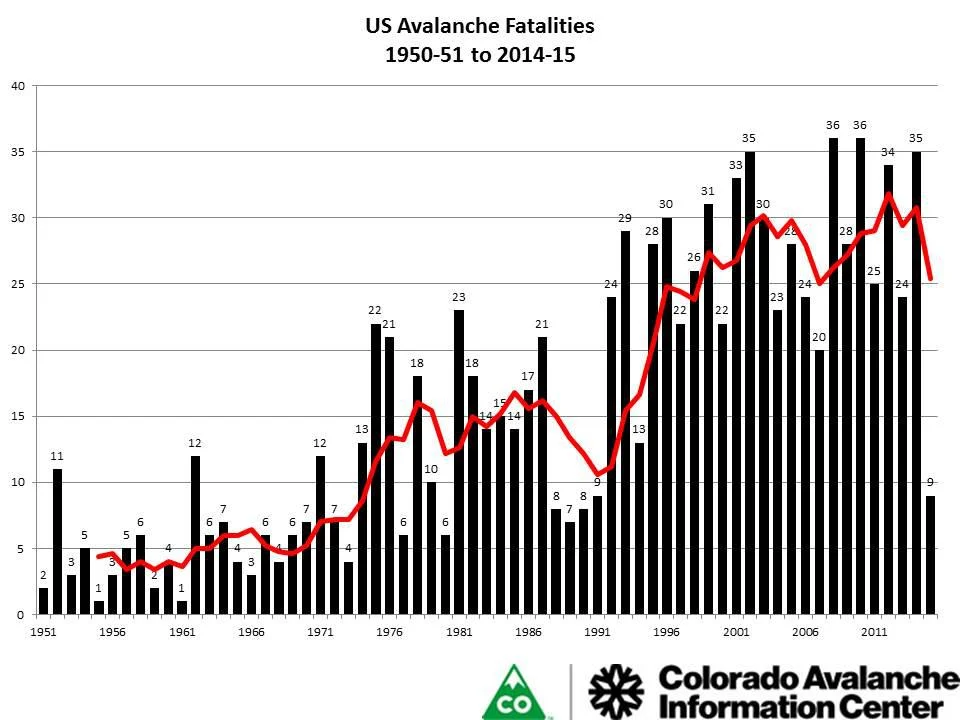
As the calendar officially turns to April 30th, marking the traditional end of the avalanche season, preliminary data for 2014-2015 reveals a significant and encouraging decline in avalanche fatalities across the United States. With a total of nine reported deaths, this season stands as the safest in over two decades, a stark contrast to previous years and a development that prompts an examination of the contributing factors. While any loss of life in the backcountry is a tragedy, this marked reduction offers a moment for reflection on the interplay of natural conditions, technological advancements in forecasting, and the persistent dedication to public education in mitigating avalanche risks.
The low fatality count for the 2014-2015 season can be attributed to a confluence of environmental circumstances. Forecasters and avalanche centers consistently reported below-average snowfall across much of the western United States, a critical factor in limiting the formation of dangerous snowpack structures. Compounding this, warmer-than-average temperatures were observed further inland, contributing to a more stable snowpack for extended periods. This reduced natural hazard meant fewer opportunities for avalanches to be triggered by backcountry enthusiasts.
However, attributing the safety record solely to weather patterns would be an oversimplification. The proactive and robust efforts of organizations such as the Forest Service avalanche centers and the Colorado Avalanche Information Center (CAIC) played an indispensable role. These entities are at the forefront of providing crucial avalanche education and real-time information to the public. Through detailed forecasts, public outreach programs, and accessible online resources, they equip individuals with the knowledge and tools necessary to make informed decisions in avalanche terrain. The sustained investment in these educational initiatives appears to be yielding tangible results, with more people demonstrating an understanding of avalanche risks and practicing safer backcountry travel.
A Closer Look at the Data: Trends and Statistics
The 2014-2015 season’s nine fatalities represent the lowest number recorded since the 1990-1991 season, a period over 24 years prior. To contextualize this achievement, it is important to examine longer-term trends. The United States Avalanche Accident Database, meticulously maintained by Spencer Logan and supported by organizations like the Colorado Avalanche Information Center, provides a comprehensive historical record.
While the immediate season’s numbers are exceptional, the five-year moving average for avalanche fatalities offers a more stable perspective on long-term safety. This metric, which smooths out year-to-year fluctuations, has remained relatively consistent over the past fifteen years, generally hovering between approximately 25 and 30 fatalities annually. This stability is particularly noteworthy given the significant increase in backcountry recreational use. In the last 15 years, participation in activities such as backcountry skiing, snowboarding, and snowshoeing has seen a dramatic surge, driven by factors including increased accessibility, a growing appreciation for outdoor recreation, and the development of specialized equipment. The fact that the average number of fatalities has not escalated in proportion to this increased user base suggests that educational efforts and improved risk management practices are indeed having a positive impact.
Environmental Conditions: A Season of Reduced Hazard
The 2014-2015 winter was characterized by a lack of significant and persistent snowfall in many key mountainous regions of the western United States. This directly impacted avalanche potential in several ways:
- Limited Snow Accumulation: Insufficient snowfall meant that the base layers of the snowpack were often thin and lacked the depth required to develop the complex and unstable structure that often leads to large avalanches.
- Absence of Weak Layers: The formation of persistent weak layers within the snowpack – such as surface hoar or buried surface frost – is a primary driver of backcountry avalanches. The inconsistent and often warm weather patterns during the 2014-2015 season limited the formation and preservation of these critical weak layers.
- Warmer Inland Temperatures: Beyond the immediate coastal mountain ranges, inland areas experienced warmer temperatures for extended periods. This contributed to a more consolidated and stable snowpack, reducing the likelihood of slab avalanches forming.
- Reduced Avalanche Cycles: Consequently, the number of significant avalanche cycles – periods when new snow, wind, or temperature changes create widespread avalanche danger – was notably lower than in typical years. This meant fewer opportunities for avalanches to be naturally triggered or to be triggered by human activity.
The Unsung Heroes: Avalanche Education and Information Centers
While the favorable weather conditions were a significant factor, the proactive and sustained efforts of avalanche education providers cannot be overstated. Organizations like the Forest Service avalanche centers and the Colorado Avalanche Information Center are pillars of safety in mountainous communities. Their work encompasses a multi-faceted approach:
- Forecasting and Information Dissemination: These centers employ trained avalanche forecasters who meticulously observe snowpack conditions, weather patterns, and avalanche activity. They then translate this complex data into accessible daily forecasts, warning of specific avalanche dangers, identifying dangerous aspects and elevations, and providing guidance on safe travel.
- Public Education and Training: Beyond daily forecasts, these organizations offer a range of educational programs, from introductory avalanche awareness courses to in-depth technical training. These courses teach essential skills such as snowpack analysis, avalanche rescue techniques, route selection, and decision-making in avalanche terrain. The increasing availability and popularity of these courses empower backcountry users with the knowledge to assess and manage their own risk.
- Community Outreach and Engagement: Avalanche centers actively engage with the public through presentations, workshops, and online platforms. This consistent communication helps to foster a culture of safety and responsibility within the backcountry community.
- Data Collection and Research: The meticulous maintenance of avalanche accident databases, such as the one managed by Spencer Logan and the CAIC, is crucial for understanding accident trends, identifying common factors, and informing future safety initiatives. This data-driven approach allows for continuous improvement in forecasting and educational strategies.
Broader Implications and Future Outlook
The 2014-2015 season offers a valuable case study in avalanche safety. The confluence of reduced environmental hazard and enhanced human preparedness highlights the critical importance of both factors. The fact that increased backcountry use has not led to a proportional increase in fatalities, as evidenced by the stable five-year moving average, suggests that the sustained investment in avalanche education is indeed effective.
However, it is crucial to maintain vigilance. The unpredictable nature of mountain weather means that even in a generally mild season, localized pockets of extreme danger can exist. Furthermore, the increase in backcountry users means that even with improved education, the absolute number of individuals venturing into avalanche terrain is higher. This necessitates a continued commitment to robust forecasting, accessible information, and comprehensive educational programs.
Looking ahead, the lessons learned from the 2014-2015 season should inform ongoing strategies. The trend towards warmer winters due to climate change may lead to more frequent periods of reduced avalanche hazard, but it could also create new and unpredictable avalanche challenges, such as rain-on-snow events or increased freeze-thaw cycles. Therefore, a dynamic and adaptive approach to avalanche safety will be paramount.
The success of this past season serves as a testament to the dedication of avalanche professionals and the growing awareness and commitment to safety among backcountry users. As the recreational use of mountainous terrain continues to grow, the ongoing collaboration between forecasting agencies, educational institutions, and the backcountry community will remain the cornerstone of minimizing tragedies in the unforgiving yet beautiful winter wilderness. The nine lives saved this season, compared to the historical average, underscore the profound impact of informed decision-making and preparedness.
