

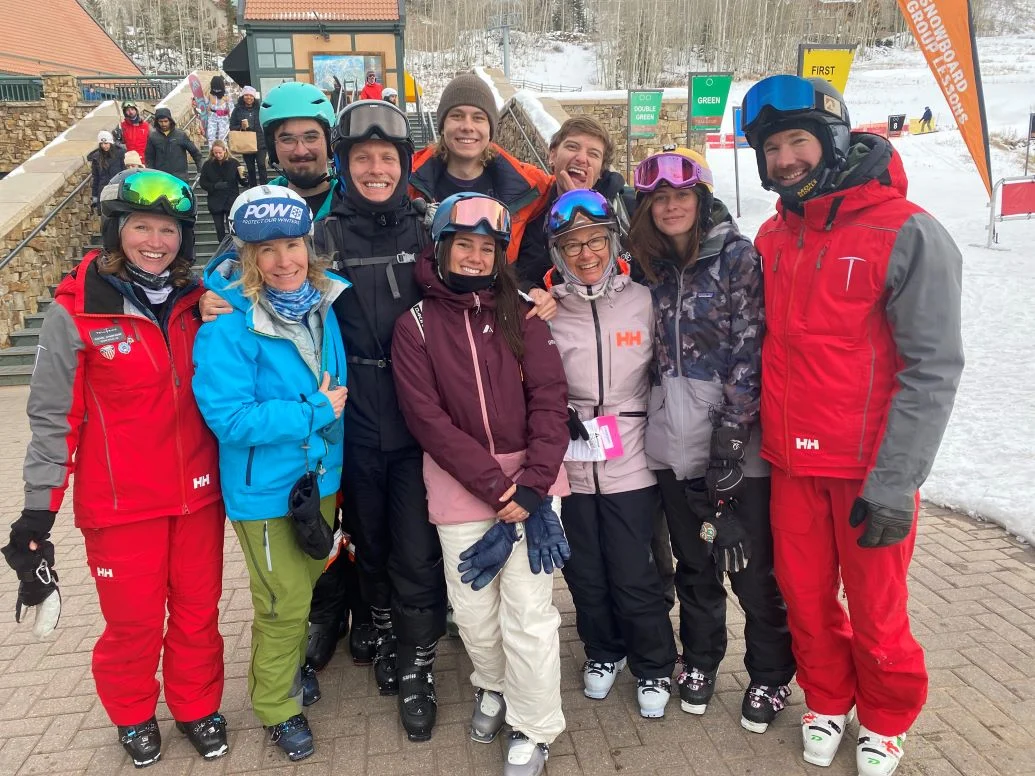
The landscape of professional snowsports instruction is undergoing a significant transformation, as evidenced by the Telluride Ski and Snowboard School’s innovative overhaul of its new-hire training program for the 2023-2024 season. Moving away from traditional didactic methods, Telluride has embraced a self-directed, experiential approach rooted in ecological dynamics and constraints-based learning, aiming to accelerate instructor development and enhance adaptability on the slopes. This initiative, detailed in the Fall 2026 Issue of 32 Degrees magazine, highlights a proactive response to the persistent challenges faced by ski and ride schools nationwide in preparing a new generation of professionals for the demanding winter season.
The Seasonal Imperative: Training Under Pressure
For ski and snowboard schools across North America, the onset of a new season brings with it a critical, often high-stakes, event: new-hire training. This period, typically commencing in the early days of December, is designed to transform enthusiastic but often inexperienced recruits into competent, professional instructors within a matter of weeks, just ahead of the peak holiday season. The urgency is palpable; resorts rely heavily on a well-trained, confident instructor workforce to cater to the influx of guests during the busiest times, which significantly contributes to their operational revenue.
The process of becoming a snowsports professional is multifaceted, requiring not only mastery of technical skiing or riding skills but also sophisticated teaching methodologies, guest service acumen, safety protocols, and an intimate knowledge of the resort terrain. For new hires, this represents a pivotal career moment – a chance to earn respect, build confidence, and become integral ambassadors for the sport and the resort. For the schools themselves, it’s an investment in their brand, their guest experience, and the long-term viability of their programs. The question looms large: will these nascent instructors evolve into suitable additions to the core team, capable of representing the resort to a substantial share of its clientele?
The Traditional Approach: Strengths, Limitations, and Cognitive Overload
Historically, new-hire training curricula have followed a largely linear, didactic model. This conventional framework typically encompasses the fundamental aspects of snowboard or ski technique suitable for beginner to green-level students, alongside familiarization with terrain, lift usage protocols, essential people skills, an introduction to a standardized Teaching Model, basic equipment setup, and comprehensive safety guidelines. This extensive body of information is often delivered in a lecture format, frequently conducted outdoors in the beginner areas, with the expectation that new instructors will absorb and retain critical pieces of information.
Following initial classroom and on-snow sessions, many resorts incorporate a shadowing component, where new instructors observe experienced professionals conducting lessons. This offers a glimpse into practical application, followed by a debriefing session to discuss observations and learnings. More progressive schools might also include "shine" opportunities, where rookies teach a lesson under the observation of a seasoned pro, receiving immediate feedback.
While this traditional method provides a structured introduction to the profession, it is not without significant drawbacks. The compressed timeline – often just a few weeks between initial training and the holiday rush – necessitates a rapid information download. This can lead to cognitive overload among new staff, characterized by diminished retention, increased stress, and even burnout before their careers truly begin. The sheer volume of information, coupled with limited practical application in varied scenarios, often leaves new instructors lacking confidence when faced with unexpected situations on the hill. Furthermore, segregating new hires into dedicated training groups can inadvertently foster a sense of isolation, delaying their integration into the broader team culture.
From an organizational perspective, ski and snowboard schools grapple with several challenges under this status quo. Ensuring new staff readiness for the holiday onslaught, addressing unanswered questions post-training, leveraging early performance issues as constructive learning opportunities, and maximizing the return on investment for substantial training time and financial commitment are ongoing concerns.
The Arc of Development: Copy, Choose, Create
Despite these limitations, the linear, didactic approach has remained prevalent. This can be understood through the lens of Kim Peterson, PhD, an expert in Educational Leadership and Innovation and author of the "Guest-Centered Teaching Model." Dr. Peterson, an accomplished Level 3 alpine and Level 1 adaptive instructor with a Children’s Specialist 2 credential, describes the developmental arc of an instructor in three stages: Copy, Choose, and Create.
- Copy: Early in their careers, new instructors typically Copy. They replicate examples and techniques observed or taught during training, applying them directly in their lessons. This foundational stage is essential for establishing basic competence.
- Choose: With accumulating experience, instructors progress to the Choose stage. Here, they begin to select from a repertoire of learned approaches, discerning which best fits the specific lesson circumstances and the unique needs of their students. This marks a move towards greater autonomy and situational awareness.
- Create: The pinnacle of instructor development is the Create stage. Well-seasoned, highly confident instructors can innovate and customize teaching content spontaneously, drawing from a deep well of knowledge and experience to respond effectively to dynamic, in-the-moment lesson requirements.
The traditional new-hire training model largely aligns with the "Copy" stage: "We’ll show you what to do and how to do it. You’ll then go out and do what you’ve been shown." While this provides a necessary starting point, many schools have inadvertently limited their capacity for improving the new-hire experience by not pushing beyond this initial stage quickly enough. The challenge, particularly given the tight timeframe before the holiday season, lies in accelerating this development from merely copying to making informed choices and ultimately creating innovative solutions.
Telluride’s Re-Imagination: A Paradigm Shift in Training
Recognizing these systemic limitations, the Telluride Ski and Snowboard School embarked on a bold initiative for the 2023-2024 season: to fundamentally re-imagine new-hire training by empowering instructors to train themselves. Rick Rauch, Training Manager at Telluride Ski and Snowboard School, spearheaded this radical departure from convention. The core objective extended beyond mere information retention; it aimed to rapidly accelerate new instructors’ development from passively copying established teaching patterns to actively making sound, independent decisions when lessons veered into unexpected territory.
The initial reaction from the new-hire training team was, understandably, skeptical. The clinic description outlined an approach that abandoned the familiar linear method in favor of techniques borrowed from experiential learning, ecological dynamics, and constraints-based learning. This represented a significant philosophical shift, challenging ingrained practices and demanding a new mindset from both trainers and trainees.
The Theoretical Foundations: Experiential Learning, Ecological Dynamics, and Constraints-Based Learning
At the heart of Telluride’s new model are sophisticated pedagogical theories that emphasize active engagement and context-rich learning:
-
Experiential Learning: This approach posits that learning is best achieved through direct experience and reflection. Instead of being told what to do, learners engage in activities, observe the outcomes, reflect on their experiences, and then apply new insights. This cyclical process fosters deeper understanding and skill acquisition. In the context of ski instruction, this means less lecture and more hands-on teaching practice, with immediate feedback and opportunities for self-correction.
-
Ecological Dynamics: Originating from the study of motor control and skill acquisition, ecological dynamics focuses on how individuals interact with their environment to produce movement. It emphasizes the perception-action coupling – how what we perceive directly influences our actions. Rather than prescribing specific movements, this theory suggests that learners discover optimal movement solutions by interacting with their environment. For ski instructors, this means understanding how environmental factors (snow conditions, terrain, student abilities, equipment) influence movement and teaching strategies, allowing them to adapt rather than relying on rigid, pre-defined techniques.
-
Constraints-Based Learning (CBL): Developed by Karl Newell (1986), CBL is a practical application of ecological dynamics. It proposes that skill acquisition is influenced by the interaction of three categories of constraints:
- Organism Constraints: The individual’s characteristics (e.g., physical abilities, experience, motivation).
- Environmental Constraints: External factors (e.g., weather, terrain, snow conditions, equipment).
- Task Constraints: Rules or goals of the activity (e.g., teaching a specific skill, managing a group, lesson objectives).
By manipulating these constraints, coaches and trainers can guide learners to discover more effective and adaptable solutions rather than simply dictating a "correct" way to perform a task. For new instructors, this might involve setting up teaching scenarios with specific challenges (e.g., teaching a hesitant child on uneven terrain, adapting to unexpected equipment issues) and allowing them to experiment and find solutions, thereby developing problem-solving skills organically.
Telluride’s strategy counts on these principles to work at the level of professional skill acquisition, shifting the emphasis from passive reception of information to active "doing" and self-discovery. This hands-on, problem-solving approach is intended to not only improve retention but also to cultivate critical thinking, adaptability, and confidence – qualities essential for instructors operating in the dynamic and unpredictable environment of a ski resort.
Implementation and Initial Reactions
The actual implementation of Telluride’s re-imagined training involved a departure from traditional schedules and content delivery. Instead of days filled with lectures and rote demonstrations, new hires were presented with real-world teaching scenarios, often without explicit instructions on how to solve them. They were encouraged to collaborate, experiment, and learn from their successes and failures in a supportive, yet challenging, environment. Senior trainers acted less as lecturers and more as facilitators, guiding discussions, posing questions, and providing targeted feedback rather than prescribing solutions.
This shift was a calculated risk. As Rauch noted, the initial skepticism from the training team was immediate. Moving away from a familiar, structured curriculum into a more ambiguous, discovery-based model required a significant leap of faith and a re-training of the trainers themselves. However, the school’s leadership believed that the potential benefits – a more adaptable, confident, and integrated instructor workforce – outweighed the initial discomfort.
Broader Industry Implications and Future Outlook
Telluride’s bold experiment holds significant implications for the wider snowsports industry, and indeed, for seasonal professional training across various sectors. The resort industry, which often faces high turnover rates and intense pressure to staff up quickly for peak seasons, could benefit immensely from training models that prioritize deeper learning and accelerated development over mere information transfer.
According to industry data, instructor retention remains a persistent challenge for many ski schools, with annual turnover rates sometimes exceeding 30-40% in certain regions. Factors contributing to this include the seasonal nature of the work, housing challenges, and the demanding nature of the job. By fostering a sense of autonomy, competence, and belonging from the outset, experiential and constraints-based training could potentially improve job satisfaction and retention rates. When instructors feel confident, capable, and integrated into a supportive team, they are more likely to stay and grow within the organization.
Furthermore, the economic impact of quality instruction cannot be overstated. A positive lesson experience not only encourages repeat visits but also often leads to increased retail purchases, equipment rentals, and overall resort spend. Instructors are often the most direct point of contact for guests, and their professionalism and ability to deliver exceptional experiences directly reflect on the resort’s brand and revenue. Investments in innovative training, therefore, represent an investment in the resort’s economic health and reputation.
While the full, long-term data on Telluride’s 2023-2024 initiative will continue to be analyzed, the initial shift suggests a promising path forward. The emphasis on fostering intrinsic motivation, problem-solving skills, and real-time adaptability addresses many of the traditional model’s shortcomings. It moves new instructors more quickly along Dr. Peterson’s "Copy, Choose, Create" arc, preparing them not just to execute learned techniques, but to genuinely understand and adapt to the diverse needs of their students and the ever-changing mountain environment.
As the industry evolves, facing challenges such as climate variability, changing demographics of participants, and the need for more inclusive programming, the ability of instructors to innovate and adapt will become increasingly crucial. Telluride’s re-imagined training serves as a compelling case study, demonstrating that by embracing cutting-edge pedagogical theories, ski and snowboard schools can cultivate a more skilled, resilient, and professional workforce, ultimately enriching the experience for both instructors and the millions who flock to the slopes each winter. The journey from "naïve hopefuls" to "professional ambassadors" is indeed a profound one, and Telluride is actively reshaping how that journey begins.
