

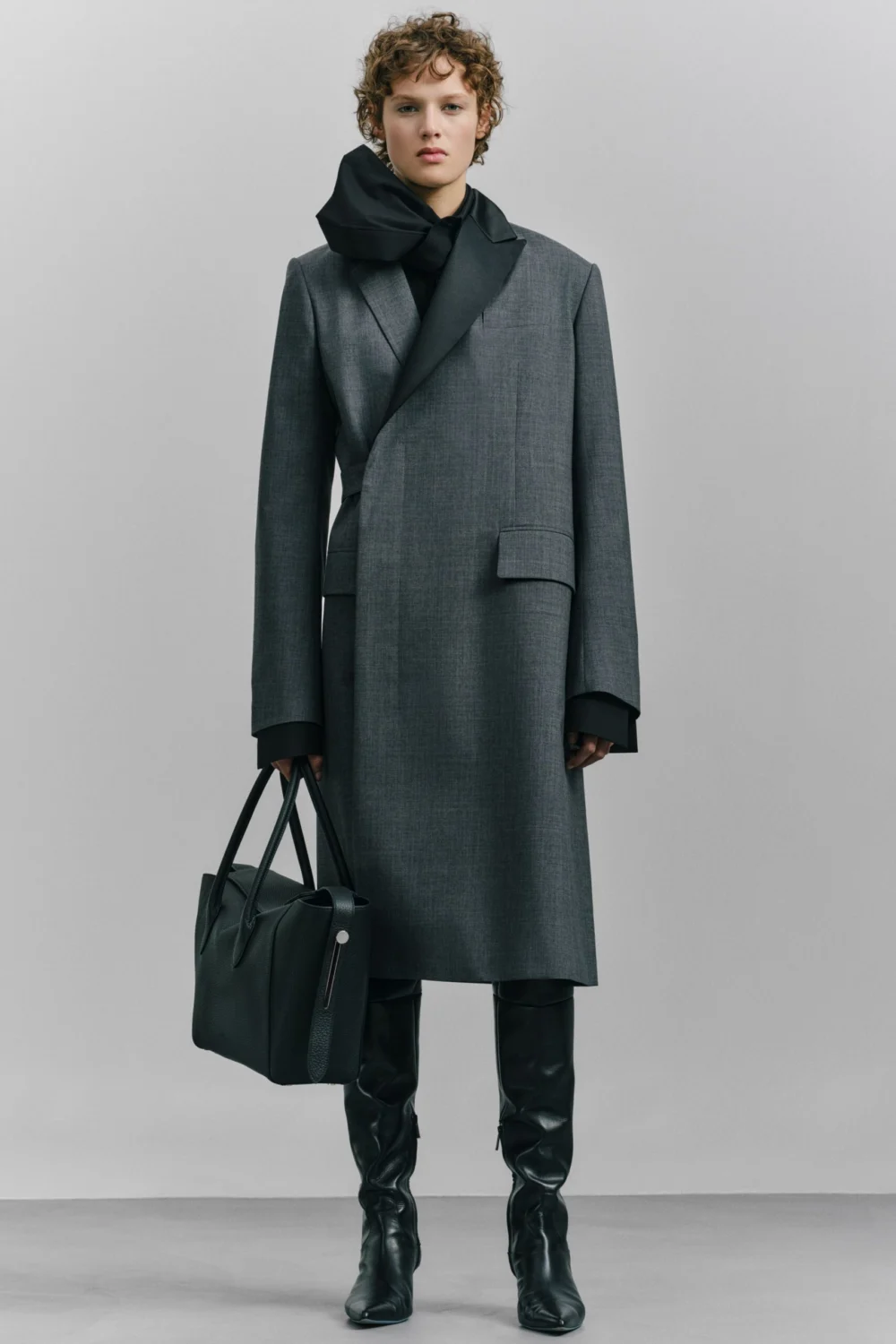
Sacai’s absence from the recent Paris Fashion Week menswear calendar marked a significant, albeit temporary, shift in the established rhythm of the industry. Chitose Abe, the visionary designer behind the Japanese label renowned for its masterful deconstruction and hybridization of garments, opted to forgo a runway presentation this season due to an internal brand reset. However, this period of introspection has not translated into a withdrawal from the fashion landscape. Abe is slated to return to the menswear calendar in June, reinstating her commitment to a four-show-per-year schedule, a testament to the brand’s enduring influence and Abe’s strategic foresight. While her usual runway spectacle was conspicuously missing, the Sacai showroom buzzed with activity, with buyers engaging with the latest offerings, and Abe herself was actively involved in the production of the Fall 2026 lookbook, signaling a robust pipeline of creative output.
The core of Sacai’s innovative spirit this season lies in a singular, yet profoundly impactful, design concept: the double-breasted dickey jacket. This versatile piece, meticulously engineered to integrate seamlessly with an array of garments, from the humble cardigan and classic button-down shirt to even other jackets, represents a bold exploration of layered aesthetics without the inherent bulk. When buttoned, it artfully creates the illusion of depth and dimension, mimicking the sophisticated appeal of multiple garments. Unbuttoned, however, it transforms into an unexpected and exuberant scarf, its ends elegantly draped over the shoulders, embodying a playful yet refined sensibility.
"It’s a statement about having the freedom to do what you want to do," Abe articulated through her interpreter, offering a profound insight into the philosophy underpinning this design innovation. This sentiment resonates deeply with a broader thematic current observed across the fashion world this season. The concept of empowering the wearer with the ability to customize and adapt their attire, a burgeoning trend that began to take shape at Prada in Milan and was notably embraced by emerging designer Marie Adam-Leenaerdt in Paris, suggests a collective industry shift towards "putting the I back into fashion," as the sentiment has been colloquially described within journalistic circles. This ethos champions individual expression and the inherent versatility that modern clothing should offer.
Chitose Abe has cultivated a distinct signature over the past decade and a half of presenting her collections on the runway. Her genius lies in the meticulous hybridization of seemingly disparate garments, a craft that has become synonymous with the Sacai brand. This season’s creations exemplified this expertise, with the seamless integration of utilitarian parkas and classic men’s blazers, or the unexpected marriage of a relaxed cardigan with a structured blazer. These hybridized pieces were often cinched tightly at the waist, a deliberate design choice that sculpted a more feminine and flattering silhouette, demonstrating Abe’s ability to juxtapose masculine and feminine elements with exquisite balance. Further enhancing the visual narrative were the introduction of curvaceous bell sleeves on select jackets, adding a touch of dramatic flair, and the bold inclusion of leopard prints. These prints, most notably rendered in an oversized iteration on an army jacket, were executed in luxurious tufted faux fur, injecting an element of tactile richness and contemporary edge into the collection.
Sacai’s commitment to artistic dialogue has consistently manifested in compelling collaborations, and this season is no exception. The brand’s partnership with the estate of the iconic photographer Robert Mapplethorpe adds a layer of profound artistic resonance to the collection. Mapplethorpe’s seminal "Calla Lilly" photograph, instantly recognizable for its striking composition and sensuous form, was emblazoned across the back of a sophisticated black leather bomber jacket. The interior of this garment carried an equally potent message, featuring a quote attributed to Mapplethorpe himself: "I’m looking for the unexpected. I’m looking for things I’ve never seen before." This powerful sentiment serves not only as a poignant tribute to the artist’s relentless pursuit of originality but also as an apt encapsulation of Sacai’s own design philosophy. Indeed, this quote could very well serve as the unofficial motto for Sacai, a brand that consistently pushes the boundaries of conventional fashion and seeks to present the "unexpected" to its discerning clientele.
The Strategic Context of Sacai’s Fashion Week Hiatus
The decision by Sacai to pause its runway presence at Paris Fashion Week for this particular season, while impactful, is rooted in a strategic internal assessment rather than a decline in creative momentum. Brands, especially those with a significant global footprint and a demanding production cycle, periodically undertake periods of internal recalidation. This can involve streamlining operational processes, re-evaluating supply chains, investing in research and development, or refining brand messaging. For Sacai, this "internal reset" appears to have been a deliberate move to ensure continued innovation and operational efficiency, rather than a reactive measure to external pressures.
The fashion industry operates on a rigorous schedule, with designers showcasing collections months in advance of their retail availability. The traditional four-show-a-year model (two for menswear, two for womenswear) has long been the industry standard, dictating the pace of creative output and market engagement. Sacai’s commitment to rejoining the menswear calendar in June signifies a return to this established rhythm, underscoring the brand’s dedication to its established market presence.
Analyzing the "Dickey Jacket" Innovation
The double-breasted dickey jacket introduced by Chitose Abe represents a nuanced evolution of layering techniques. Historically, dickeys were designed as separate, ornamental inserts to provide the appearance of a full shirt collar and neckline beneath a sweater or dress, offering warmth and style without the bulk of an actual shirt. Abe’s reinterpretation elevates this concept by integrating it into a more substantial outerwear component.
Technical Aspects and Aesthetic Impact:
- Illusion of Volume without Bulk: The core innovation lies in its ability to create visual complexity. By incorporating the dickey element as a structured, often double-breasted, panel, it mimics the precise lines of a tailored jacket or vest worn over another garment. This achieved through clever pattern cutting and fabric manipulation, allowing the "layer" to lie flat and adhere closely to the base garment.
- Transformative Functionality: The dual nature of the dickey—functional as a buttoned layer, decorative and freeing as a draped scarf—speaks to a growing consumer desire for adaptable clothing. This aligns with broader trends in fashion sustainability and mindful consumption, where versatile pieces that offer multiple styling options are increasingly valued.
- Materiality and Construction: While specific materials for the Fall 2026 collection were not detailed in the initial report, Sacai’s history suggests a meticulous selection of high-quality fabrics. The success of the dickey jacket would likely depend on the interplay between the primary garment and the dickey material, ensuring a harmonious drape and finish in both its worn and unbuttoned states.
Market Implications:
The introduction of such a versatile and conceptually rich garment has several potential market implications:
- Increased Demand for Layering Pieces: This innovation could stimulate demand for intelligent layering solutions, encouraging designers to explore similar functional yet aesthetic additions to their collections.
- Brand Differentiation: Sacai’s unique take on layering provides a distinct point of differentiation in a competitive market. It offers consumers a compelling reason to invest in the brand, beyond its established reputation.
- Trendsetting Potential: If adopted by other designers and embraced by consumers, the double-breasted dickey jacket could become a significant trend, influencing silhouette and styling for future seasons.
Thematic Resonance: DIY Versatility and Individual Expression
The concept of "DIY versatility" or "putting the I back into fashion" is more than a fleeting trend; it reflects a deeper societal shift towards personalization and empowerment. In an era saturated with mass-produced goods, consumers are increasingly seeking ways to imbue their possessions with their own identity. This manifests in various ways, from customization options offered by brands to the growing popularity of upcycling and creative styling.
Industry-Wide Impact:
- Design Philosophy Shift: Designers are moving beyond simply presenting finished looks and are instead focusing on creating garments that serve as a canvas for individual expression. This requires a more thoughtful approach to garment construction, allowing for adjustments, transformations, and personal interpretations.
- Consumer Engagement: This approach fosters a more engaged consumer. When clothing offers possibilities for personalization, it encourages a deeper connection between the wearer and their wardrobe, potentially leading to greater garment longevity and a more mindful approach to consumption.
- Economic Implications: Brands that successfully integrate this ethos can tap into a growing market segment that values unique and adaptable pieces. This can translate into higher perceived value and stronger brand loyalty.
Chronology of Sacai’s Recent Activities
- Past 1.5 Decades: Chitose Abe establishes Sacai’s signature hybridization style and gains international recognition through runway presentations.
- Current Season (Paris Fashion Week): Sacai opts out of a runway show due to an internal brand reset.
- Concurrent Activities: Sacai showroom remains active with buyers; Chitose Abe participates in the Fall 2026 lookbook shoot.
- June (Upcoming): Sacai is slated to return to the Paris menswear calendar, resuming its four-show-a-year schedule.
Artist Collaborations: A Legacy of Dialogue
Sacai’s collaborations with artists are not merely decorative; they are integral to the brand’s narrative, reflecting a shared commitment to pushing creative boundaries. The partnership with the estate of Robert Mapplethorpe is particularly significant. Mapplethorpe’s work, characterized by its bold aesthetic, meticulous composition, and exploration of form, resonates with Sacai’s own approach to deconstructing and reconstructing garments.
Analysis of the Mapplethorpe Collaboration:
- Thematic Alignment: Mapplethorpe’s pursuit of "the unexpected" and "things I’ve never seen before" directly mirrors Abe’s design philosophy. Her ability to transform familiar garments into something entirely new and surprising aligns perfectly with this artistic ethos.
- Cultural Resonance: Mapplethorpe’s work often challenged societal norms and pushed aesthetic boundaries. By associating Sacai with such a seminal artist, the brand reinforces its own position as a forward-thinking and culturally relevant entity.
- Storytelling Through Product: The placement of the quote on the interior of the bomber jacket adds a layer of intimacy and personal reflection to the garment. It transforms the jacket from a mere piece of clothing into a wearable statement, a conversation starter that carries the weight of artistic intention.
Broader Impact and Future Implications
Sacai’s strategic pause, while creating a temporary void in the Paris Fashion Week schedule, ultimately serves to underscore the brand’s robust creative engine and its forward-looking vision. The innovation presented through the double-breasted dickey jacket, coupled with the profound artistic collaboration with Robert Mapplethorpe, signals a commitment to pushing the boundaries of fashion in ways that are both conceptually rich and practically relevant.
The industry’s embrace of "DIY versatility" and individual expression, a theme echoed in Abe’s design philosophy, suggests a future where clothing is not merely consumed but actively engaged with and personalized by the wearer. Sacai, with its established legacy of hybridization and its current exploration of adaptable garments, is well-positioned to lead this evolution. The brand’s return to the runway in June will be keenly watched, not just for its aesthetic offerings, but for its continued contribution to the ongoing dialogue about the future of fashion—a future that prioritizes creativity, individuality, and thoughtful design. The data from global fashion market reports consistently indicates a growing consumer preference for brands that offer unique value propositions, whether through sustainable practices, innovative design, or strong brand narratives. Sacai’s approach, blending all these elements, suggests a trajectory of continued success and influence.
