

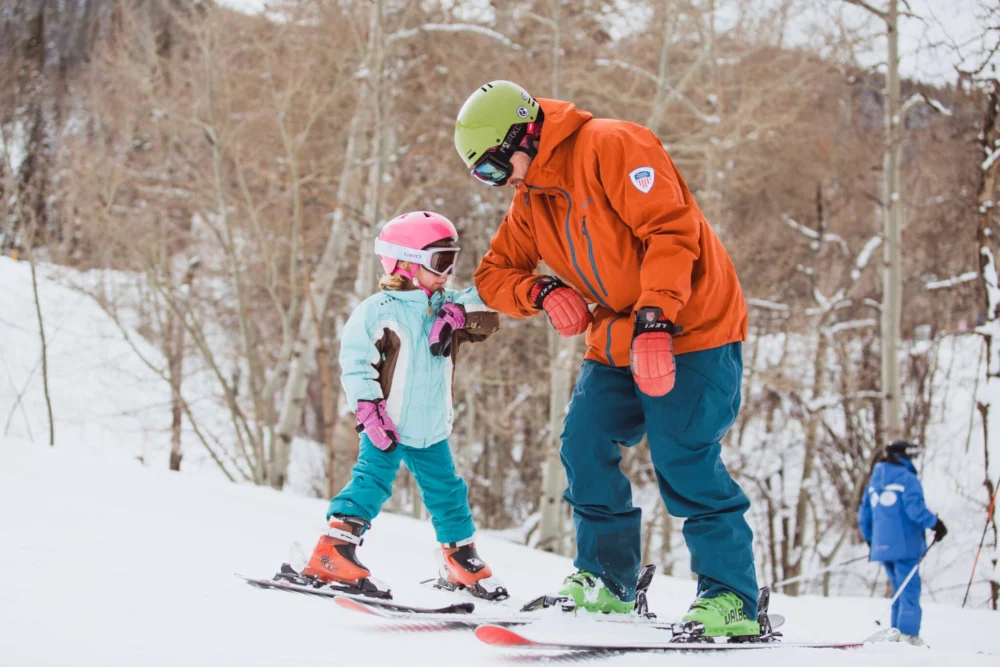
The Professional Ski Instructors of America and American Association of Snowboard Instructors (PSIA-AASI) has long been at the forefront of defining excellence in snowsports education. While technical proficiency and effective teaching methodologies remain cornerstones, the organization increasingly emphasizes a crucial, often underestimated dimension of instruction: people skills. Dave Schuiling, PSIA-AASI Director of Education and Credentialing, highlights four fundamental people skills—casually referred to as Trust, Communication, Me, and You—as integral, measurable behaviors essential for fostering optimal learning environments and professional growth. This framework is not a novel invention but a distillation of established psychological and pedagogical principles, offering a structured approach to interpersonal dynamics on the snow.
The Evolution of Snowsports Instruction: Beyond Technical Prowess
For decades, the image of a snowsports instructor often revolved around masterful technique and the ability to articulate complex movements. However, the modern educational landscape, both within and outside the snowsports world, has recognized that effective teaching transcends mere knowledge transfer. The learner’s experience, emotional state, and engagement are paramount. PSIA-AASI’s integration of these four people skills into its core curriculum reflects this evolving understanding, positioning them as professional competencies rather than inherent personality traits. This shift underscores a broader trend in professional development across various industries, where "soft skills" are increasingly recognized for their hard impact on performance and outcomes. The commitment to training and measuring these behaviors signifies PSIA-AASI’s dedication to holistic instructor development, ensuring that its certified professionals are not only skilled technicians but also empathetic, effective communicators and astute facilitators of human potential.
Trust: The Unseen Foundation of Learning and Performance
At the core of any successful learning interaction lies trust. If a student does not feel psychologically safe, their capacity for learning significantly diminishes or ceases entirely. Research by Harvard Business School professor Amy Edmondson on psychological safety, initially applied to organizational performance, finds direct parallels in the snowsports environment. Edmondson’s work demonstrates that individuals perform and learn more effectively when they believe they can take risks, make mistakes, and ask questions without fear of embarrassment, punishment, or ridicule. On the slopes, this translates into students being willing to push their physical and mental boundaries, experiment with new movements, and openly articulate their struggles, rather than withdrawing or masking difficulties.
In a snowsports lesson, trust manifests in observable behaviors. An instructor’s consistent support, clear communication about expectations, and genuine concern for a student’s well-being are critical. For instance, an instructor who consistently checks in on a student’s comfort level, acknowledges their apprehension, and provides a clear path for progression fosters an environment where perceived risk is managed, and confidence can grow. Conversely, an instructor who appears impatient, dismissive of fears, or overly focused solely on technical execution may inadvertently erode trust, leading to hesitant learners.
Instructors can intentionally cultivate trust by:
- Establishing clear boundaries and expectations: Students feel safer when they know what to expect and what is expected of them.
- Demonstrating reliability and consistency: Being on time, following through on promises, and maintaining a calm demeanor.
- Actively listening to student concerns: Validating their feelings and addressing anxieties directly.
- Creating a supportive environment for mistakes: Framing errors as learning opportunities rather than failures.
- Prioritizing safety: Explicitly addressing and mitigating perceived and actual risks.
A simple post-lesson reflection for instructors can gauge their success in building trust: "Did my students take risks today? Did they push boundaries and work with me through the learning struggle?" An affirmative answer strongly indicates that a foundation of trust was successfully established, allowing for deeper engagement and more robust skill acquisition. Data from various educational settings consistently shows that high-trust environments lead to higher student satisfaction, better retention rates, and accelerated learning outcomes, making trust not just a ‘nice-to-have’ but a critical performance indicator.
Communication: From Monologue to Meaningful Dialogue
The traditional model of education often depicted a teacher as a fount of information, pouring knowledge into passive students. Modern pedagogy, however, particularly influenced by psychologist Lev Vygotsky’s social constructivist theory, posits that knowledge is actively constructed through social interaction and dialogue. Learning is not a one-way transfer but a collaborative process where students engage with new information, relate it to existing knowledge, and articulate their understanding.
In the context of snowsports instruction, this means moving beyond simply demonstrating and telling. Effective communication involves engaging students in a conversation about their experience, sensations, and interpretations. Instead of an instructor saying, "Here’s what you need to do," a more effective approach is to ask, "What feedback were you getting from your ski(s)/board?" or "What do you think is happening there?" This subtle but powerful shift empowers students to become active participants in their learning journey.
Practical communication strategies for instructors include:
- Asking open-ended questions: Encouraging students to articulate their thoughts and feelings.
- Active listening: Giving full attention, allowing students to finish, and seeking to understand their perspective before responding.
- Using reflective feedback: Paraphrasing student statements to confirm understanding and demonstrate empathy.
- Minimizing instructor talk time: Allowing space for student processing and verbalization.
- Tailoring language: Using analogies and explanations that resonate with the individual student’s background and learning style.
When students are prompted to articulate their own experiences and hypotheses, retention of information increases, and a deeper sense of ownership over their learning develops. This active engagement has been shown in educational research to improve critical thinking skills, problem-solving abilities, and overall comprehension. Measuring communication effectiveness can involve observing the ratio of instructor talk to student talk, the quality of student questions, and their ability to self-correct based on internal feedback, providing tangible metrics for professional development.
Managing "Me": The Instructor’s Emotional Compass
Perhaps the most frequently overlooked professional skill is the ability to manage one’s own emotional state. Psychologist and author Daniel Goleman, renowned for his work on emotional intelligence, identifies self-awareness and self-regulation as foundational leadership competencies. Snowsports instructors are, by definition, leaders in their learning environments, and their emotional state profoundly influences the climate of the lesson. Students are incredibly attuned to non-verbal cues and quickly pick up on an instructor’s mood. If an instructor is rushed, students feel rushed; if frustrated, students tighten up; if calm and composed, students tend to settle and relax.
A key aspect of managing "Me" involves validating student feelings without necessarily agreeing with their logical premise. As leadership and executive coach Todd Musselman aptly states, "No one ever got a feeling wrong." Feelings are data points, not mistakes. If a student expresses, "This feels terrifying," a technically accurate but emotionally dismissive response like "You’re safe" bypasses their lived emotional reality. A more effective, validating response might be, "From here, it does look steep. I can see why that feels intimidating." This moment of validation acknowledges the student’s experience, regulates their nervous system, strengthens the connection with the instructor, and significantly increases coachability. It creates a bridge of understanding, allowing the instructor to then guide the student through their fear with practical strategies.
Instructors can practice managing "Me" by:
- Cultivating self-awareness: Regularly checking in with their own emotional state before and during lessons.
- Practicing emotional regulation techniques: Such as deep breathing or brief mindfulness exercises to maintain composure.
- Identifying personal triggers: Understanding what situations or student behaviors might evoke frustration or impatience.
- Seeking feedback on their emotional presence: Asking colleagues or mentors how they are perceived by students.
- Proactive preparation: Ensuring they are adequately rested, fed, and organized to minimize stressors.
The development of self-awareness is an iterative process that improves with repetition and conscious effort. Instructors who master this skill not only create more positive learning environments but also demonstrate resilience and professionalism in challenging situations, ultimately enhancing their overall effectiveness and career longevity.
Understanding "You": Motivation, Empathy, and Attunement
Once an instructor has effectively managed their own emotional state, they are better equipped to tune into the needs and motivations of their students. Self-Determination Theory (SDT), developed by psychologists Edward Deci and Richard Ryan, offers a robust framework for understanding human motivation. SDT posits that people are most intrinsically motivated when three psychological needs are supported:
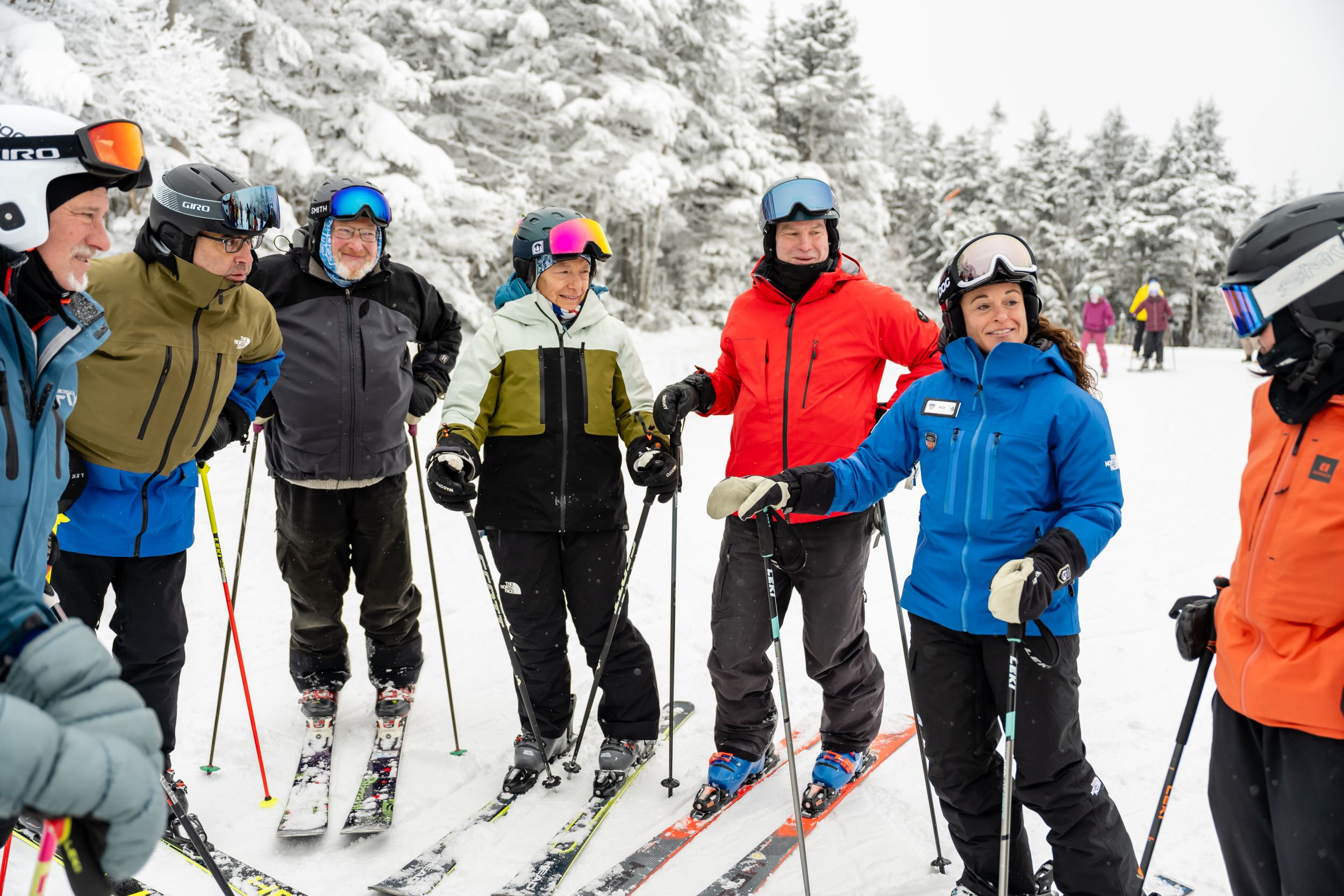
- Autonomy: The feeling of choice and control over one’s actions.
- Competence: The feeling of effectiveness and mastery.
- Relatedness: The feeling of connection and belonging.
These principles are evident daily on the snow. Students engage more deeply and learn more effectively when they feel they have some input into their lesson (autonomy), when their progress is acknowledged and celebrated (competence), and when they feel a genuine connection with their instructor (relatedness). An instructor who rigidly dictates every aspect of a lesson, fails to acknowledge small victories, or maintains a distant, transactional demeanor will likely see lower student engagement and motivation.
Seeking to understand a student’s individual motivations and needs is not an automatic process; it requires intentional practice. In training clinics, instructors might practice "pure listening"—listening to a student’s explanation or concern without immediately jumping to problem-solving or offering advice. The goal is not to "fix" but to truly understand their perspective, their goals, and their current emotional state. When students feel genuinely understood, they become more open to coaching, more willing to trust, and more invested in the learning process.
Techniques for understanding "You" include:
- Pre-lesson rapport building: Asking about previous experiences, goals for the day, and any concerns.
- Observing non-verbal cues: Reading body language, facial expressions, and overall demeanor.
- Empathetic inquiry: Asking "How does that feel?" or "What are you hoping to achieve today?"
- Offering choices: Providing options for terrain, drills, or pace to support autonomy.
- Providing specific, positive feedback: Highlighting progress and effort to build competence.
The ability to attune to students’ needs ensures that instruction is personalized, relevant, and maximally effective, leading to higher student satisfaction and a greater likelihood of them continuing their snowsports journey.
Making It Observable: A Framework for Professional Growth
The PSIA-AASI framework for people skills emphasizes that these are not abstract concepts but observable, measurable behaviors. This focus allows for targeted professional development, peer observations, and self-reflection, making the feedback loop concrete and actionable. Rather than generic advice to "be friendlier," instructors receive specific guidance on how to build trust, communicate effectively, manage their own emotions, and understand their students.
During peer observations, training clinics, or self-reflection, feedback can be aligned directly to these existing fundamentals:
Trust:
- Did the instructor establish a safe and welcoming environment?
- Were students comfortable asking questions or admitting difficulties?
- Did the instructor consistently support student efforts, especially during challenges?
- Were there clear expectations and boundaries set?
Communication:
- Did the instructor engage students in dialogue, rather than monologue?
- Were open-ended questions used effectively?
- Did the instructor actively listen and provide reflective feedback?
- Was the instructor’s language clear, concise, and appropriate for the student’s level?
Managing "Me":
- Did the instructor demonstrate self-awareness of their emotional state?
- Did they maintain composure in challenging situations?
- Did they validate student feelings without being dismissive?
- Was their overall demeanor calm, positive, and encouraging?
Understanding "You":
- Did the instructor identify and respond to student motivations and goals?
- Did they provide opportunities for student choice and autonomy?
- Did they acknowledge and celebrate student progress and effort?
- Did they demonstrate empathy and attunement to student needs?
This structured approach requires no new models, only sharper awareness and intentional application. It seamlessly integrates with the broader PSIA-AASI Learning Connection, which posits that technical, teaching, and people skills are interdependent. Technical skills provide the understanding of how movements create outcomes on snow. Teaching skills create the connection between students and the learning environment. Crucially, people skills forge the vital connection between the student and instructor, unlocking a myriad of possibilities for more profound, enjoyable, and effective learning experiences.
Broader Implications for the Snowsports Industry
The intentional cultivation and measurement of people skills have far-reaching implications for the entire snowsports industry. By professionalizing the interpersonal aspects of instruction, PSIA-AASI elevates the quality and consistency of lessons across the board. This leads to:
- Enhanced Student Experience: Students who feel safe, understood, and actively engaged are more likely to enjoy their lessons, see tangible progress, and develop a lifelong love for snowsports.
- Increased Student Retention: Positive experiences translate into repeat business, driving enrollment in lessons and encouraging continued participation in skiing and snowboarding.
- Attracting New Participants: Effective, empathetic instructors can demystify snowsports and make them accessible to a wider demographic, crucial for industry growth.
- Improved Instructor Satisfaction and Retention: Instructors who feel equipped with a comprehensive skill set, including robust people skills, are likely to be more effective, derive greater satisfaction from their work, and remain in the profession longer.
- Elevated Professional Standing: Recognizing and valuing people skills alongside technical expertise enhances the overall professional standing of snowsports instructors, aligning them with educators in other fields.
Ultimately, the most effective instructors are not merely technically accurate; they are intentional about connection. They notice emotions, validate experiences, adapt their approach, and reflect on their interactions. They practice these interpersonal skills with the same dedication and rigor they apply to movement skills—through repetition, seeking feedback, and maintaining a curious, growth-oriented mindset. In the dynamic and often challenging environment of snowsports instruction, genuine connection is not an accidental byproduct; it is a meticulously trained and professionally honed skill, fundamental to success.
References
Deci, E.L., & R.M. Ryan (2000). “The ‘what’ and ‘why’ of goal pursuits: Human needs and the self-determination of behavior. Psychological Inquiry, 11(4), 227–268.
Edmondson, A.C. (2018). The fearless organization: Creating psychological safety in the workplace for learning, innovation, and growth. Wiley.
Goleman, D. (1995). Emotional intelligence: Why it can matter more than IQ. Bantam Books.
Musselman, T. For more information, visit https://toddmusselman.net/
Vygotsky, L.S. (1978). Mind in society: The development of higher psychological processes. Harvard University Press.
