

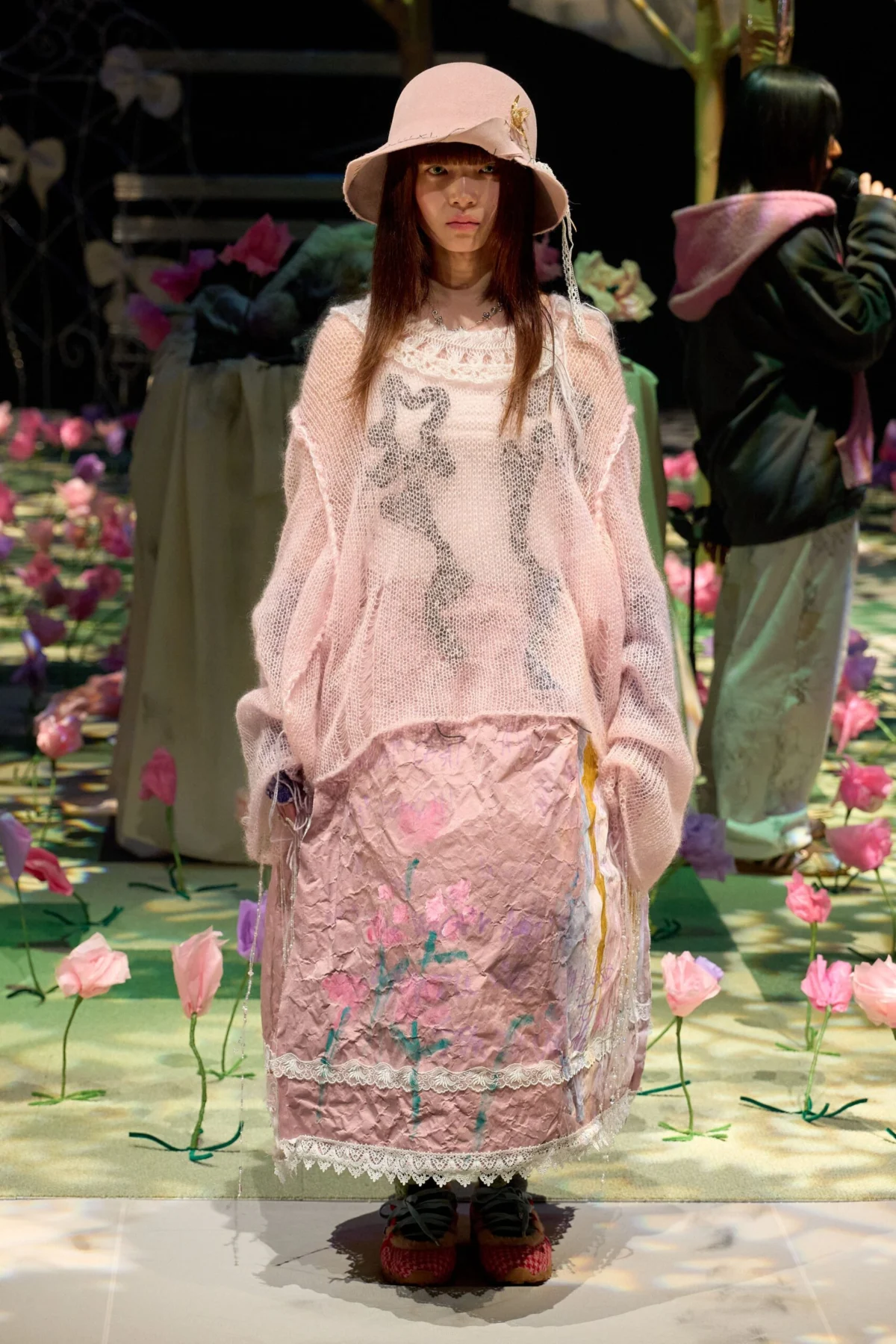
The digital landscape of fashion and culture is set to experience a significant enhancement with the continued evolution of Vogue.com, a platform that has consistently defined and reflected the zeitgeist. As of 2026, the venerable publication, under the auspices of Condé Nast, remains a paramount source for the latest in fashion news, in-depth beauty coverage, discerning celebrity style analysis, pivotal fashion week updates, insightful culture reviews, and compelling video content. This multifaceted approach ensures Vogue.com is not merely a repository of trends but a dynamic curator of the global fashion narrative, offering readers unparalleled access to the industry’s most influential voices and emerging phenomena.
The Enduring Significance of Vogue.com in the Digital Age
In an era saturated with digital content, Vogue.com distinguishes itself through its unwavering commitment to quality, exclusivity, and editorial excellence. The platform’s strategic evolution over the years has seen it adapt to the changing consumption habits of its audience while steadfastly upholding the brand’s legacy of sophistication and authority. The year 2026 finds Vogue.com at the forefront of digital fashion media, leveraging advanced technological capabilities and a globally recognized editorial team to deliver content that is both timely and timeless.
The website’s core mission revolves around providing a comprehensive overview of the fashion ecosystem. This encompasses not only the high-fashion runway collections from established houses like Chanel, Dior, and Gucci, but also the burgeoning independent designers and avant-garde movements that are shaping the future of style. Beauty coverage extends beyond product reviews to explore the science behind formulations, the artistry of makeup application, and the evolving definitions of wellness and self-care. Celebrity style, a perennially popular segment, is approached with a critical eye, examining not just what stars wear, but the cultural context and personal narratives embedded within their sartorial choices.
Fashion weeks, the pulsating heart of the industry, are meticulously documented, offering virtual front-row access to shows, behind-the-scenes glimpses, and expert analysis of key trends and collections. Culture reviews delve into the intersections of fashion with art, film, music, and literature, recognizing fashion as a potent form of cultural expression. The integration of video content further enriches the user experience, bringing stories to life through interviews, documentaries, and dynamic visual storytelling.
A Legacy of Editorial Excellence and Brand Partnerships
The foundation of Vogue.com’s success lies in its rich heritage and the rigorous editorial standards established by its print counterpart. Condé Nast, the parent company, has a long-standing reputation for nurturing iconic publications, and Vogue has consistently been its flagship, synonymous with luxury, innovation, and cultural relevance. The digital extension of this brand has been a strategic imperative, allowing Vogue to reach a broader, more globally dispersed audience and engage with them in interactive and dynamic ways.
As of 2026, Vogue.com continues to operate under the copyright of Condé Nast, a testament to the enduring strength and value of the brand. The phrase "© 2026 Condé Nast" signifies not just legal ownership but the continuity of a legacy built over a century. The acknowledgment that "All rights reserved" underscores the proprietary nature of the content and the strict adherence to intellectual property laws.
Furthermore, the mention of "Vogue may earn a portion of sales from products that are purchased through our site as part of our Affiliate Partnerships with retailers" is a crucial aspect of its business model in the contemporary digital media landscape. This statement reflects the industry-standard practice of affiliate marketing, where publishers receive a commission for driving sales through links to e-commerce partners. This arrangement allows Vogue.com to maintain its high level of editorial independence while generating revenue that supports its extensive content creation efforts. Such partnerships are carefully curated to align with the brand’s aesthetic and ethical standards, ensuring that featured products are relevant and desirable to its discerning readership. The transparency surrounding these partnerships is vital for maintaining reader trust and credibility.
The strict prohibition against the unauthorized reproduction, distribution, transmission, caching, or any other use of the material on the site, "except with the prior written permission of Condé Nast," highlights the value placed on original content and the company’s commitment to protecting its intellectual property. This clause is standard for reputable media organizations and safeguards against plagiarism and unauthorized dissemination.
The inclusion of "Ad Choices" linked to http://www.aboutads.info further demonstrates a commitment to transparency regarding online advertising practices. This link typically directs users to resources that explain how their data is used for personalized advertising and provides options for managing their preferences, aligning with evolving privacy regulations and consumer expectations.
Navigating the Evolving Digital Landscape
The year 2026 finds Vogue.com continually adapting to the ever-shifting digital landscape. The platform’s success is intrinsically linked to its ability to anticipate and respond to emerging trends in content consumption, technological advancements, and audience engagement. This includes not only staying abreast of social media dynamics but also exploring new formats for storytelling, such as immersive virtual reality experiences or interactive digital editorials.
The "CN Fashion & Beauty" designation within the site’s footer likely refers to a specialized division or a thematic grouping of content, emphasizing the integrated approach to covering these interconnected realms. This suggests a streamlined user experience where fashion and beauty content are seamlessly presented, allowing for a holistic understanding of style and personal presentation.
The "Select international site" feature, indicated by a dropdown menu under an assistive label, is a critical element for a global brand like Vogue. This functionality allows users to access localized versions of the website, which often feature content tailored to specific regional fashion sensibilities, cultural nuances, and market trends. This internationalization strategy is essential for maintaining relevance and resonance with a diverse worldwide audience. For instance, a user in Paris might see a feature on emerging French designers, while a user in Tokyo might find detailed coverage of Japanese street style and its influence on global fashion. This personalization not only enhances user experience but also provides valuable data on regional preferences, informing editorial strategy and product partnerships.
The Future of Fashion Journalism: Data, Context, and Analysis
Vogue.com’s commitment to providing more than just superficial trend reports is evident in its approach to data integration and contextual analysis. In 2026, the platform is likely to be leveraging sophisticated data analytics to understand reader engagement, identify emerging interests, and inform editorial direction. This could include analyzing search trends, social media sentiment, and website traffic patterns to gauge the impact of specific designers, collections, or cultural moments.
Supporting Data and Contextualization:
To illustrate, consider the burgeoning sustainable fashion movement. Vogue.com would not merely report on brands claiming to be eco-friendly but would delve into the specifics: the origin of materials, the ethical labor practices involved, the lifecycle assessment of garments, and the financial viability of sustainable business models. Supporting data might include reports from industry watchdogs like the Higg Index, academic research on textile waste, or statements from organizations like the Ellen MacArthur Foundation. Background context would involve tracing the history of the environmental movement within fashion, from early protests against fast fashion to the current demand for transparency and circularity.
Timeline and Chronology:
Fashion weeks, for example, are presented not just as isolated events but as part of a larger chronological progression. The Fall/Winter collections presented in February and March are analyzed in relation to the Spring/Summer collections shown the previous September and October. This allows readers to understand the evolution of trends over seasons and years. A timeline might detail the emergence of a particular designer, the impact of a historical event on fashion, or the gradual shift in consumer preferences. For instance, the rise of athleisure could be charted from its origins in sports apparel to its current status as a mainstream fashion category, with key moments marked by influential designers and celebrity endorsements.
Statements and Reactions:
When significant industry events occur, such as the appointment of a new creative director at a major fashion house or a controversial marketing campaign, Vogue.com would aim to gather and present a spectrum of reactions. This could include official statements from the brand, quotes from industry analysts, opinions from fashion critics, and insights from designers or stylists. For example, following the announcement of a new creative director, Vogue.com might solicit initial reactions from fashion journalists who attended the designer’s previous shows, offering a preliminary assessment of their potential impact. If a brand launches a collection that sparks debate, the platform would seek out diverse perspectives, providing a balanced overview of the public and industry response.
Analysis of Implications:
The content on Vogue.com is designed to offer more than just reporting; it aims to analyze the implications of fashion trends and industry developments. This could involve examining the economic impact of a particular fashion week on its host city, assessing the cultural significance of a celebrity’s style choices, or forecasting the long-term influence of emerging technologies on the design and manufacturing processes. For instance, an analysis of the growing influence of direct-to-consumer (DTC) brands might explore how they are challenging traditional retail models, forcing established players to adapt their strategies. The implications of increased digital fashion adoption, such as the rise of NFTs and virtual clothing, would also be a subject of in-depth exploration, examining their potential to reshape ownership, consumption, and creativity in the fashion world.
The Role of Social Icons and Navigation
The presence of div data-testid="social-icons" and ul data-testid="socialIconslist" within the HTML structure indicates that Vogue.com actively integrates social media sharing functionalities. This allows readers to easily share articles and content across platforms like Instagram, Twitter, Facebook, and Pinterest, extending the reach of Vogue’s editorial voice. The nav aria-label="Notices" data-testid="navigation" and ul data-testid="navigation__list" suggest a well-organized navigation system designed to guide users efficiently through the vast amount of content available on the site. This structured navigation is crucial for user experience, enabling readers to find specific sections like "Fashion News," "Beauty," "Celebrity Style," or "Culture Reviews" with ease.
Conclusion: A Continuing Beacon of Fashion Authority
In 2026, Vogue.com stands as a testament to the enduring power of editorial excellence in the digital age. By offering a comprehensive and sophisticated blend of fashion news, beauty insights, celebrity style, fashion week updates, and cultural commentary, the platform continues to set the standard for online fashion media. Its commitment to data-driven analysis, contextual understanding, and balanced reporting, coupled with its strong brand heritage and strategic approach to digital engagement, ensures that Vogue.com remains an indispensable resource for anyone seeking to understand and engage with the dynamic world of fashion and culture. The platform’s evolution reflects not just the changing media landscape, but also the evolving aspirations and interests of a global audience.
