

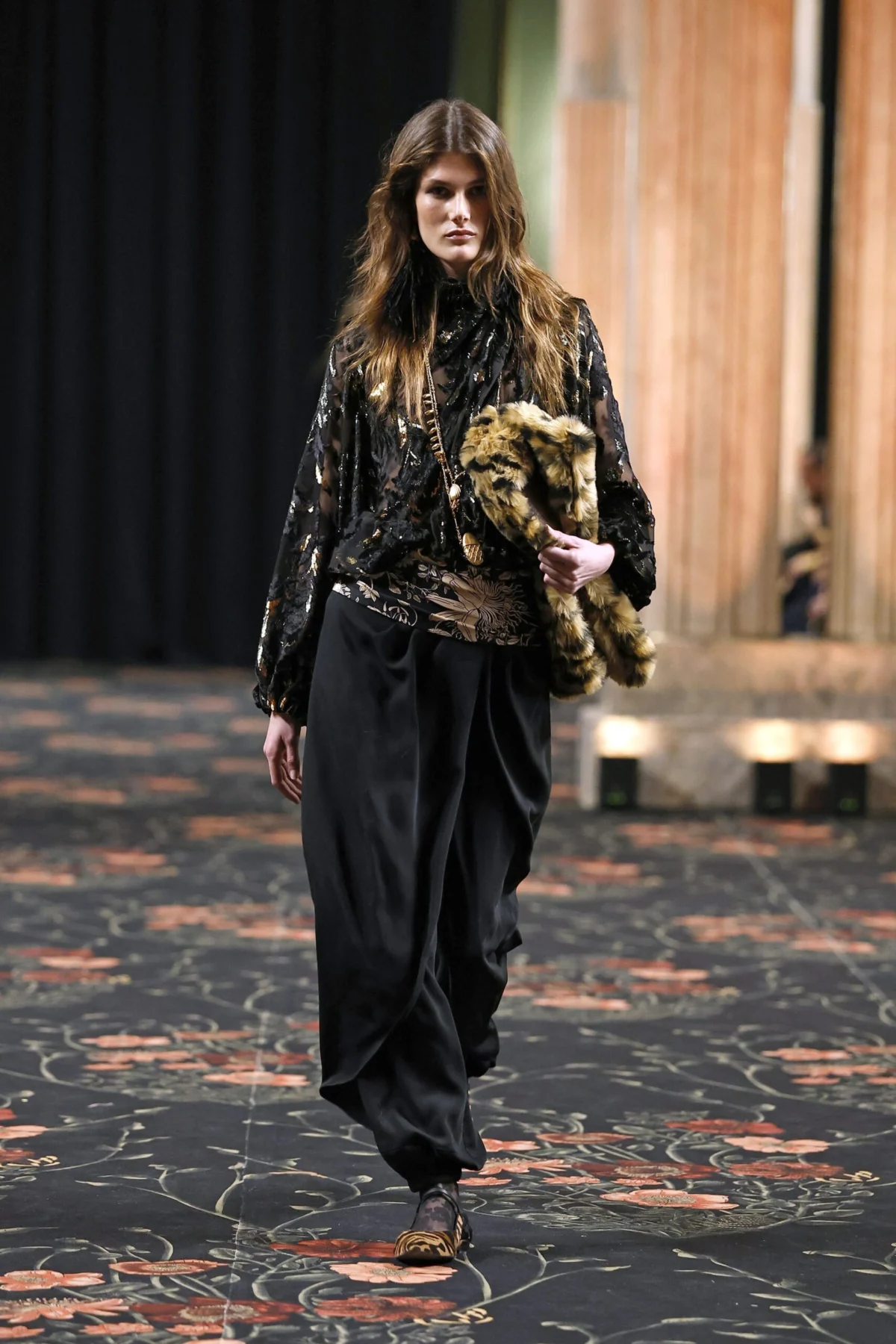
Johanna Ortiz unveiled her highly anticipated collection, "Alma," in the heart of Madrid, a city that served as far more than a mere backdrop for the Colombian designer’s latest offering. The collection, a masterful dialogue between Ortiz’s signature tropical aesthetic and subtle yet profound tributes to Spanish culture, presented a vision of relaxed luxury imbued with a newfound depth and evening-ready elegance. Ortiz, known for her vibrant and feminine designs, demonstrated a nuanced evolution, weaving in inspirations drawn from the rich tapestry of Spanish heritage with a distinctively modern sensibility.
The genesis of "Alma" can be traced back to Ortiz’s childhood fascination with the dramatic flair of trajes de luces, the traditional attire associated with bullfighting. However, her interpretation deliberately sidestepped any literal or overt references to the sport itself. Instead, Ortiz focused on the inherent theatricality and the intricate craftsmanship embedded within these iconic garments. "As a child, I was fascinated by trajes de luces," Ortiz explained in a statement following the presentation. "It’s not about bullfighting, but about the theatricality of the moment. I didn’t want to do anything literal, but rather include small nods: reinterpreting that kind of embroidery, emphasizing the shoulders, exploring ruffles—which feel very much ours—while adapting them to that imagery." This approach allowed Ortiz to infuse her collection with a sophisticated resonance, drawing from a powerful cultural symbol without resorting to cliché.
Runway Manifestations: Equestrian Grace and Refined Textures
On the runway, these carefully considered influences translated into a series of looks that exuded a sophisticated blend of strength and fluidity. Gaucho-style trousers, a direct nod to the equestrian world deeply intertwined with Spanish culture, appeared alongside sharply tailored bolero jackets, evoking a sense of confident poise. The collection also featured pom-pom belts, a playful yet elegant detail that adorned dresses, skirts, and coats, adding a touch of artisanal charm. The material palette was deliberately curated to introduce a more autumnal and wintry dimension to Ortiz’s typically sun-drenched designs. Luxurious materials such as supple leather, rich velvet, and plush shearling were employed, lending a tactile dimension to the "relaxed luxury" for which the brand is renowned. This strategic use of heavier fabrics allowed Ortiz to seamlessly transition her designs into a more wintry realm, a thoughtful consideration given her design philosophy.
"I come from a country where seasons don’t really exist," Ortiz elaborated. "We have mild temperatures and rain all year round, but the seasons don’t truly change. That’s why I like mixing heavier pieces with others that can be worn year-round." This philosophy of timeless versatility is a cornerstone of the Johanna Ortiz brand, and in "Alma," it manifested as pieces that could be layered and adapted for diverse climates and occasions. The inclusion of these richer materials, coupled with the refined silhouettes, suggested a move towards more sophisticated, perhaps even formal, evening wear, a departure from the brand’s more overtly resort-focused collections.
A Palette of Restraint: Tropical Sensibility Through Texture
A striking departure from Ortiz’s typically vibrant and saturated color palettes was evident in "Alma." The hues were significantly toned down, favoring a more sophisticated and muted approach that lent itself to elevated, evening-ready ensembles. This deliberate shift in color strategy was informed by Ortiz’s understanding of her global clientele and the sartorial norms of major fashion capitals. "We see our client as a global woman, and in cities like Paris or New York, colors tend to be quite restrained during winter," Ortiz explained. "So we tried to work those tropical references into the textures rather than the color palette." This emphasis on texture allowed the inherent spirit of her Colombian heritage to shine through in more subtle, yet equally impactful ways. The interplay of light and shadow on velvet, the sheen of leather, and the softness of shearling became the vehicles for conveying the collection’s exotic undertones, proving that sensuality and allure can be achieved through sophisticated restraint as much as through bold color.
The design process for "Alma" likely involved extensive research into Spanish artisanal techniques and historical fashion references. The reinterpretation of embroidery, for instance, would have required a deep understanding of various embroidery traditions, from the intricate threadwork found on flamenco costumes to the more robust detailing on traditional Spanish workwear. The emphasis on shoulders, a key element of the trajes de luces, could have involved studying historical tailoring techniques to create structured yet elegant shoulder lines that command attention without appearing ostentatious. The adaptation of ruffles, a recurring motif in Ortiz’s work, would have involved exploring how these voluminous elements could be integrated with the Spanish-inspired silhouettes to create a harmonious and contemporary aesthetic.
Craftsmanship as the Cornerstone: Collaborations and Artisanal Prowess
Craftsmanship, a principle that has always been central to the Johanna Ortiz brand’s ethos, took center stage in the "Alma" collection through significant collaborations. The brand partnered with jeweler Omar Hurtado, who created a series of pre-Columbian-inspired pieces. These artisanal jewels, with their echoes of ancient South American artistry, provided a compelling counterpoint to the Spanish influences, further solidifying the collection’s eclectic and deeply rooted identity. The juxtaposition of these two distinct cultural heritages within the jewelry itself underscored Ortiz’s ability to weave together disparate threads into a cohesive and captivating narrative.
Complementing Hurtado’s creations were handcrafted leather bags from the label Moi & Sass. These accessories, meticulously crafted with a focus on quality and design, added a final touch of polished sophistication to the ensembles. "For us, it’s very important to carefully choose who we collaborate with, but also to give visibility to these crafts and this kind of expertise," Ortiz stated, highlighting the brand’s commitment to supporting and celebrating artisanal skills. This commitment to collaboration not only elevates the collection but also serves to champion the work of independent artisans and small businesses, aligning with a growing consumer interest in ethical and sustainable fashion practices.
The presentation of "Alma" in Madrid, a city steeped in history and cultural significance, provided an ideal setting for this collection. While the exact date of the presentation within the broader fashion calendar would typically be noted, the choice of Madrid itself speaks volumes about the designer’s intent. Madrid, as the capital of Spain, offers a direct connection to the cultural touchstones that inspired Ortiz. The event likely drew a significant audience of fashion editors, buyers, stylists, and influencers, all eager to witness Ortiz’s latest vision. The mention of a "packed venue" by the original source indicates a successful and well-attended event, a testament to the designer’s growing influence and the broad appeal of her aesthetic.
Broader Implications: Evolving Design Narratives and Global Fashion Trends
The "Alma" collection by Johanna Ortiz signifies a noteworthy evolution in the designer’s creative trajectory. By successfully integrating subtle Spanish influences into her signature tropical aesthetic, Ortiz demonstrates a growing maturity in her design narrative. This approach allows her to appeal to a wider demographic, including those who appreciate a more understated elegance and a nuanced cultural dialogue within their fashion choices. The collection’s emphasis on texture over overt color, and its move towards more evening-appropriate pieces, aligns with broader trends in the global fashion industry. There is a discernible shift towards timeless, versatile pieces that can transition from day to night and across seasons, reflecting a more conscious and sophisticated consumerism.
Furthermore, Ortiz’s commitment to collaborating with artisans like Omar Hurtado and Moi & Sass highlights the increasing importance of craftsmanship and ethical production in the luxury fashion market. This focus not only adds intrinsic value to her designs but also resonates with consumers who are increasingly seeking transparency and authenticity in the brands they support. The success of "Alma" in Madrid suggests that designers who can skillfully blend their unique cultural heritage with broader international influences are poised to capture significant attention and market share. Ortiz’s ability to translate a deeply personal inspiration—her childhood fascination with trajes de luces—into a sophisticated and globally relevant collection speaks to her considerable talent and her keen understanding of the contemporary fashion landscape. The collection is not merely a display of clothing; it is a carefully constructed narrative that bridges continents and cultures, offering a fresh perspective on the enduring power of design to evoke emotion and tell compelling stories. The future of Johanna Ortiz appears bright, with "Alma" serving as a powerful testament to her ability to innovate while staying true to her artistic roots.
