

The dynamic world of snowsports instruction is undergoing a significant evolution, with resorts increasingly recognizing that fostering a vibrant community and investing in professional development are paramount to recruiting and retaining top talent. A recent clinic at Ski Santa Fe, detailed in an excerpt from the Spring 2026 Issue of 32 Degrees, illuminated this paradigm shift, bringing together a diverse group of new hires and underscoring the profound impact of expert mentorship and peer connection. This event, led by Telluride-based ski instructor and PSIA-AASI trainer and examiner Jimbo Lyman, served as a catalyst for a shared journey into the intricacies of teaching skiing, highlighting both the aspirations of new instructors and the broader challenges facing the industry.
A New Chapter on the Slopes of Santa Fe
The clinic at Ski Santa Fe was more than just a training session; it was the genesis of a new cohort of snowsports professionals. The participants, many in the 50-plus age range, hailed from varied backgrounds in science, sports, and media, bringing a wealth of life experience to their newfound passion. This demographic trend, reflecting a growing number of individuals seeking second careers or fulfilling long-held dreams, introduces both opportunities and specific considerations for resorts. For many, like Sylvia, a PhD who took early retirement to pursue her dream of being a ski instructor, the opportunity represents a profound personal shift. "I’m finally living my dream of being a ski instructor," Sylvia remarked, encapsulating the enthusiasm shared by her peers who commute from as far as Albuquerque to the mountain three times a week.
Under Lyman’s expert guidance, the new instructors delved into advanced movement analysis skills and alpine biomechanics, elevating their understanding of the sport’s fundamental principles. The immediate outcome was the formation of a dedicated study group, unified by the common goal of achieving Level I certification. This collective ambition not only demonstrated the effectiveness of the training but also highlighted the innate human desire for connection and shared purpose. The group’s collective sentiment was clear: they were ready to contribute to and expand the broader snowsports community.
However, Ski Santa Fe presents a unique operational context. Located just 16 miles from the historic and culturally rich city of Santa Fe, known affectionately as "The City Different," the ski basin benefits from ready access to a pool of full- and part-time seasonal staff. Yet, unlike many larger destination resorts, it lacks on-hill accommodations for employees. This logistical reality means that as soon as the lifts cease operation for the day, the vibrant community forged on the slopes often disperses, driving back to their homes in the valley. This daily exodus underscores a critical industry challenge: how to sustain a strong sense of community and foster professional continuity when the physical infrastructure for year-round cohabitation is absent.
Building Bridges Beyond the Slopes: Strategies for Retention
Despite the geographical dispersion, Ski Santa Fe has successfully cultivated a strong sense of camaraderie through intentional practices. Saturday and Sunday morning clinics, held before the general public gains access to the lifts, provide invaluable dedicated training time. A cozy locker room serves as a central hub for informal interactions, and daily morning meetings, consistently concluding with a shared joke, reinforce a positive and inclusive atmosphere. These seemingly small gestures contribute significantly to building the relational fabric that underpins a committed workforce.
Comparing Santa Fe’s model with that of larger resorts like Copper Mountain in Colorado reveals diverse approaches to addressing the universal challenge of instructor retention. Tony Macri, an AASI Snowboard Team Development Coach and trainer, emphasizes that finding affordable accommodation is often the most critical hurdle for instructors in major Colorado mountain towns. The soaring cost of living in these popular resort areas, driven by high demand from tourists and second-home owners, often renders entry-level seasonal wages insufficient for securing stable housing. This financial strain can be a significant deterrent, leading to high turnover rates and a constant need for recruitment.
Copper Mountain has proactively tackled this issue by implementing comprehensive strategies to recruit and retain talented instructors. Macri points out that Copper is "very active in the lodging search for employees." This includes identifying and securing cheaper, larger homes to house multiple instructors collectively, as well as dedicating several spots in employee mountain lodging. This direct intervention in the housing market is a "game-changer," alleviating a primary source of stress for new instructors and allowing them to focus on their professional development and on-slope responsibilities.
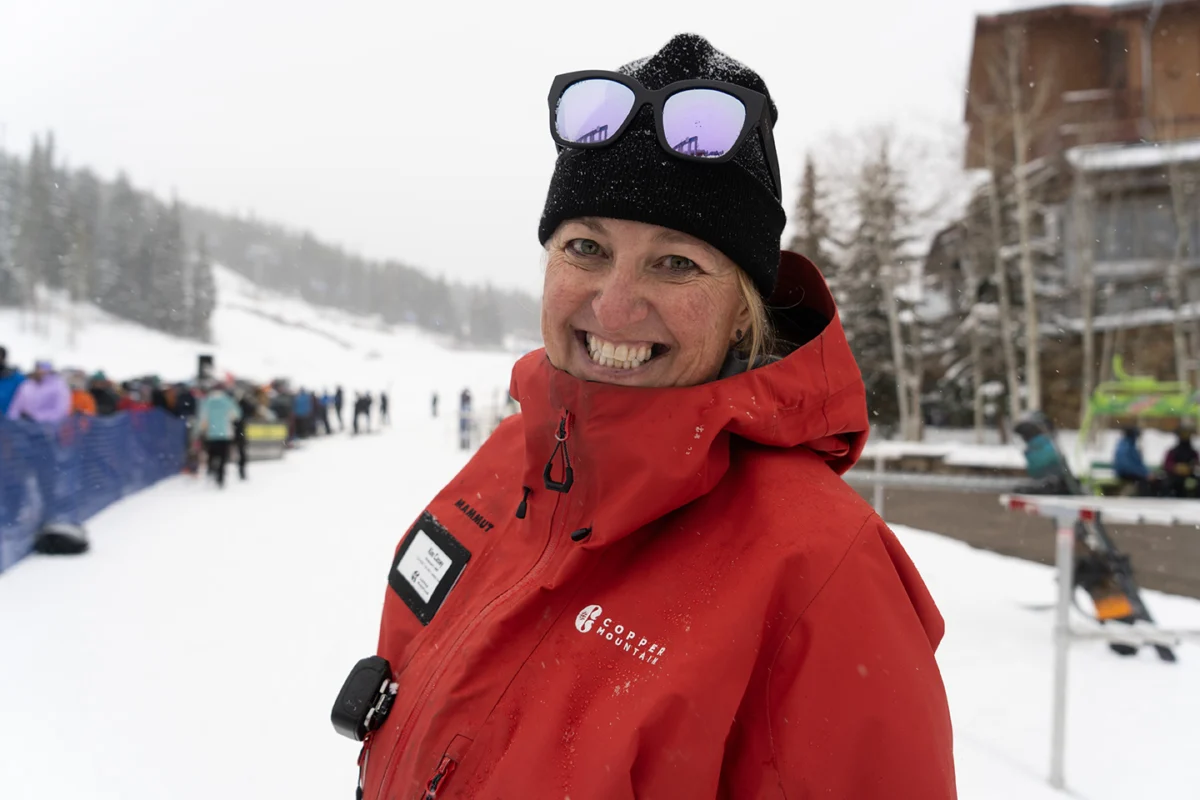
Beyond housing, Copper Mountain’s director of mountain sports, Kim Casey, highlights the importance of nurturing relationships with instructors throughout the year. A robust training schedule is foundational, ensuring continuous professional growth and skill enhancement. Furthermore, year-round communication and off-season "meet-ups" play a crucial role in maintaining connection and reinforcing a sense of belonging during the non-skiing months. These sustained efforts have yielded impressive results, with Casey reporting an "87 percent return rate for the school this year." This figure significantly surpasses industry averages, which often see turnover rates for seasonal staff ranging from 30% to 50% or even higher in some regions.
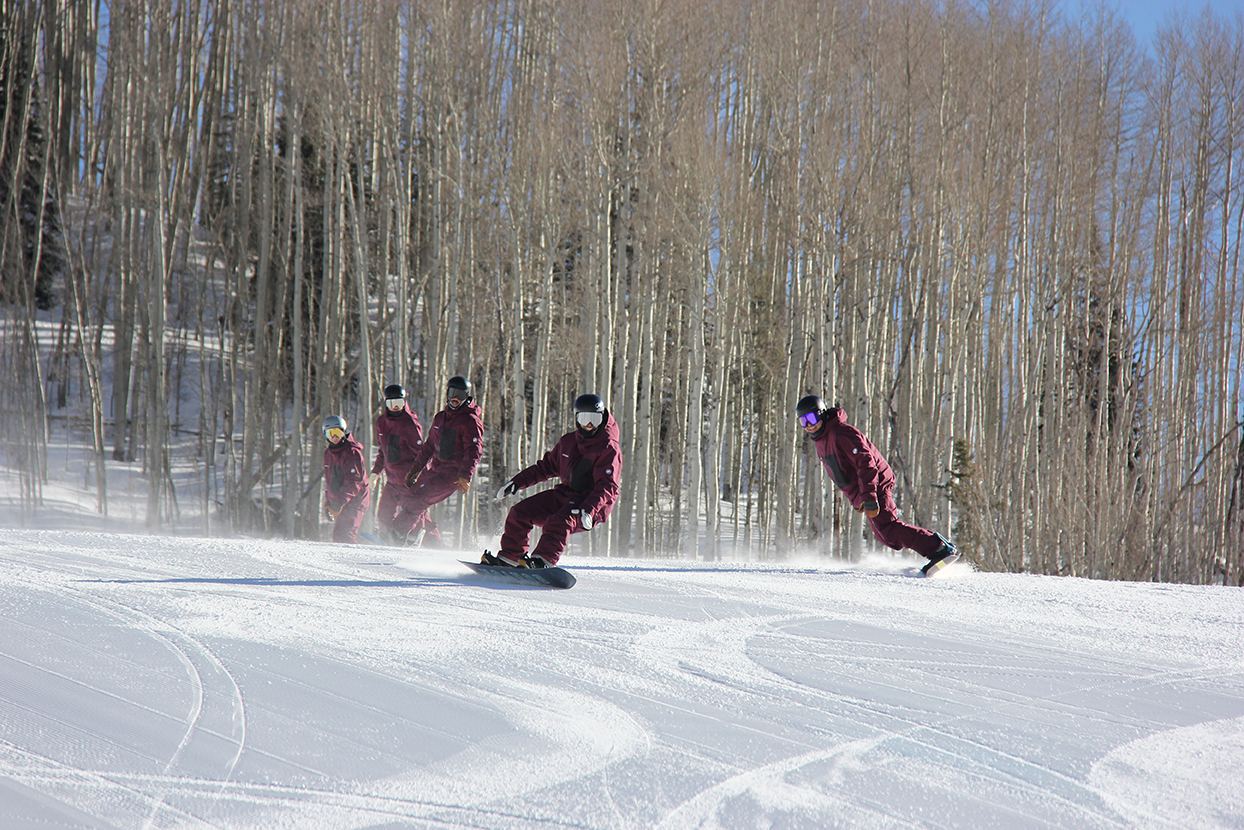
The impact of such comprehensive support extends beyond mere retention. Macri observes that instructors not only pursue certification achievements but also build "very strong relationships to the resort trainers, even developing training families or small groups that train together toward similar goals." This peer-to-peer and mentor-mentee dynamic creates a powerful ecosystem of support and shared aspiration. The pride associated with achieving certification, symbolized by a "freshly shined pin," is often a stepping stone to greater leadership. Macri notes the progression: "It goes to another level when those first-year instructors come back year after year and eventually take on leadership roles to become supervisors or even trainers." This internal career progression pathway is vital for cultivating experienced leaders and preserving institutional knowledge within the snowsports school.
The Indispensable Role of Culture and Community
The concept of a strong organizational culture emerges as a central theme in instructor retention. Keith Rodney, a PSIA Telemark Team member, unequivocally states, "The thing I’ve noticed is that the stronger the culture is, the lower the turnover." For Rodney, culture is the lifeblood that keeps interest alive and fosters loyalty. He points to his home mountain of Mount Snow, Vermont, as a prime example. There, an impressive 70 percent of the staff maintain connections and hang out year-round, despite many commuting significant distances—from an hour and a half to four hours—to reach the mountain. This level of dedication, often transcending geographical convenience, is a testament to the magnetic power of a thriving community.
Rodney vividly describes this communal bond: "It’s that community that’s showing we love that you’re here." He draws an evocative analogy, stating, "To me it’s more akin to that feel when you walk into the house for Thanksgiving and recognize everybody." This familial atmosphere, where individuals feel genuinely valued and recognized, transforms a seasonal job into a deeply meaningful experience. Such a culture not only encourages instructors to return but also inspires them to become ambassadors for the resort, attracting new talent and enhancing the overall guest experience.
Industry Context and Broader Implications
The insights from Ski Santa Fe, Copper Mountain, and Mount Snow resonate with broader trends and challenges within the snowsports industry. According to data from the National Ski Areas Association (NSAA), ski resorts collectively generate billions in economic activity annually and employ hundreds of thousands of individuals, both directly and indirectly. However, the seasonal nature of much of this employment, coupled with the escalating cost of living in prime recreational areas, creates persistent staffing difficulties. The demand for qualified ski and snowboard instructors remains high, driven by a growing interest in snowsports and the increasing recognition of structured learning as key to enjoyment and safety. PSIA-AASI, as the leading professional organization, plays a critical role in standardizing instruction and fostering a culture of continuous learning and excellence.
The "second career" demographic, exemplified by the new hires at Ski Santa Fe, represents a significant and valuable talent pool. These individuals often bring maturity, diverse professional skills, and a strong work ethic, enriching the instructional team. However, they may also require different forms of support, such as predictable schedules, opportunities for professional development that align with their long-term aspirations, and a strong sense of belonging that replaces previous career communities.
The strategies employed by resorts like Copper Mountain in addressing housing are becoming increasingly critical. Industry reports and economic analyses consistently highlight housing affordability as a top concern for seasonal workers across various sectors, particularly in tourism-dependent regions. Resorts that actively participate in providing or subsidizing housing demonstrate a tangible commitment to their employees’ well-being, which translates directly into higher retention rates and a more stable workforce. This investment also mitigates the negative impacts of staff shortages, which can lead to reduced service quality, increased stress on remaining staff, and ultimately, a diminished guest experience.
Furthermore, the emphasis on robust training schedules and professional certification pathways, as seen at Copper, serves multiple purposes. It not only enhances the skills of instructors, directly benefiting the students they teach, but also provides a clear career progression. This professional ladder, from Level I certification to supervisory and trainer roles, offers motivation and a sense of long-term commitment. For many, the journey through PSIA-AASI certifications is a significant personal and professional achievement, fostering pride and a deeper connection to the profession.
The cultivation of a strong, inclusive culture, as championed by Keith Rodney at Mount Snow, is arguably the most powerful, albeit intangible, retention tool. Beyond wages and benefits, the human need for belonging, recognition, and shared purpose often dictates an individual’s long-term commitment. Resorts that foster environments where instructors feel like part of a "family" or a close-knit community are building a resilient workforce that can withstand the inherent challenges of seasonal work. This cultural investment yields dividends in terms of morale, loyalty, and the quality of interaction between instructors and guests. Happy, engaged instructors are better teachers, creating positive experiences that encourage repeat visitation and grow the snowsports community.
The Future of Snowsports Instruction
The experiences at Ski Santa Fe, Copper Mountain, and Mount Snow collectively paint a clear picture for the future of snowsports instruction: successful recruitment and retention hinge on a holistic approach that prioritizes both practical support and the cultivation of a vibrant community. While the specific challenges and solutions may vary depending on a resort’s location, size, and resources, the underlying principles remain constant. Providing tangible support, such as housing assistance, coupled with robust professional development opportunities and a deeply embedded culture of camaraderie, is essential.
As the snowsports industry continues to evolve, adapting to demographic shifts, economic pressures, and changing societal expectations, the ability of resorts to attract and retain talented instructors will be a key differentiator. By understanding the aspirations of new hires, learning from best practices in housing and training, and fostering an environment where every instructor feels valued and connected, the industry can ensure a robust, professional, and passionate workforce ready to welcome the next generation to the joy of snowsports. The "adventure" of becoming a ski instructor, as felt by the new hires at Ski Santa Fe, must be supported by a sustainable, inclusive, and professional community that extends far beyond the final lift ride of the day.
