

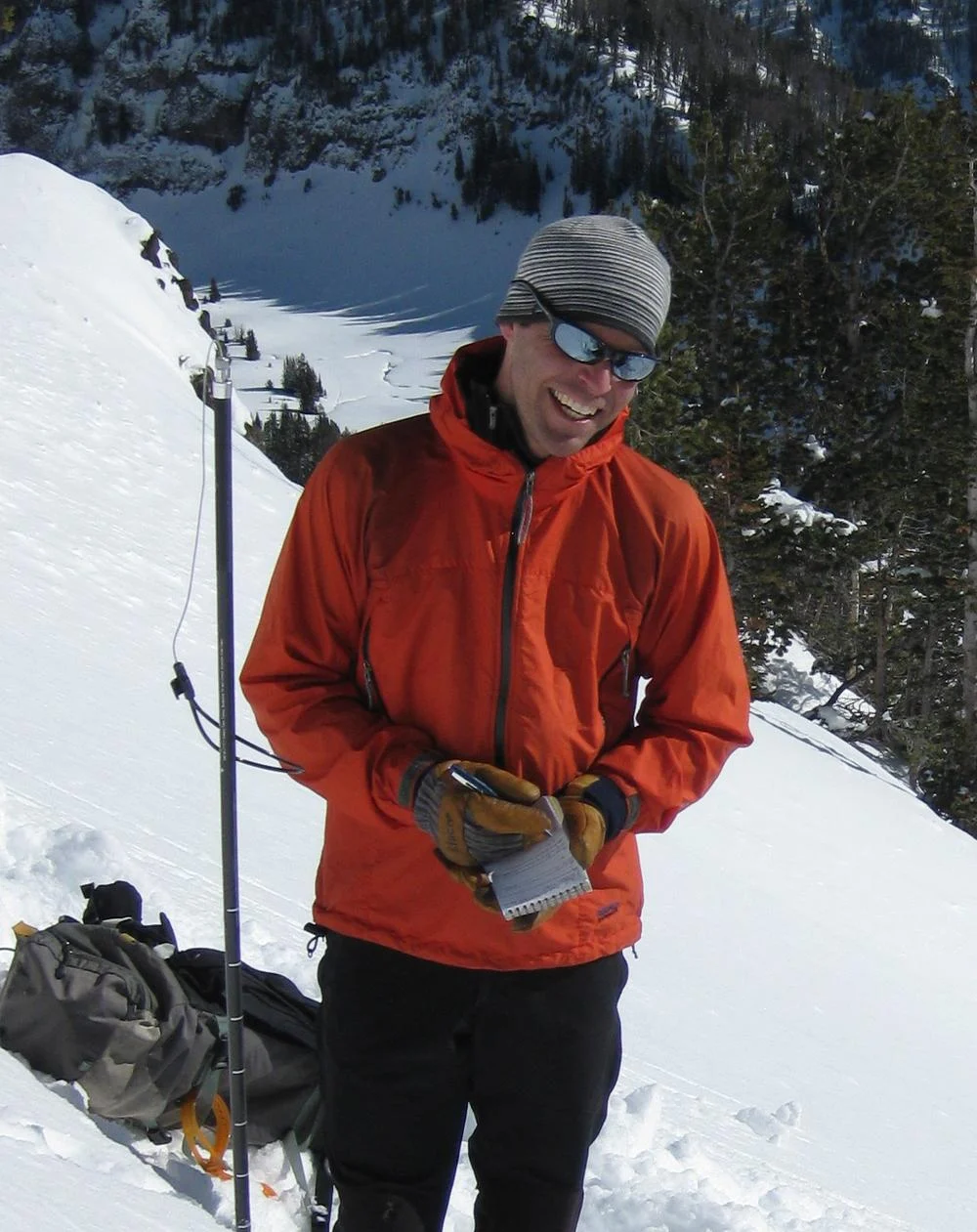
The Utah Avalanche Center (UAC) has officially announced the retirement of its long-standing director, Bruce Tremper, marking the conclusion of a 29-year tenure that has fundamentally reshaped the landscape of avalanche forecasting and public safety in the United States. Tremper, who has served as the director since 1986, will formally step down from his role with the U.S. Forest Service at the end of August. His departure signifies a major transition for the organization, which has grown from a fledgling regional service into a global leader in snow science communication and backcountry education under his guidance. Simultaneously, the UAC has named Mark Staples, a veteran forecaster from the Gallatin National Forest Avalanche Center, as Tremper’s successor, ensuring a continuity of expertise as the agency enters a new era.
The Architectural Legacy of a Forecaster
Bruce Tremper’s career is widely regarded as a cornerstone of modern avalanche safety. When he assumed the directorship of the UAC in the mid-1980s, the field of public avalanche forecasting was in its relative infancy. At the time, information was primarily disseminated through recorded telephone messages—a static and often limited medium. Tremper recognized early on that as backcountry recreation exploded in popularity, particularly in the rugged and accessible Wasatch Range, the methods of communicating risk needed to evolve.
Over nearly three decades, Tremper oversaw the transition of the UAC from those analog roots into the digital age. He was a primary driver behind the development of internet-based products that provided real-time, interactive data to skiers, snowboarders, and snowmobilers. Perhaps his most significant contribution to the global industry was the introduction of "avalanche problems" and intuitive icons into daily advisories. This system moved away from providing a single danger rating (such as "Moderate" or "High") and instead focused on the specific character of the hazard—whether it be wind slab, persistent weak layers, or wet snow. This nuance allowed backcountry users to make more informed decisions based on the specific type of danger present, a methodology that has since been adopted by forecasting centers worldwide.
A Chronology of Professional Excellence
Tremper’s journey into the world of snow science began in the mountains of Montana. He earned a Master of Science degree from Montana State University, studying under the tutelage of Dr. John Montagne, a foundational figure in American geology and glaciology. This academic rigor provided Tremper with a deep understanding of the mechanical properties of snow, which he quickly applied to the practical realities of mountain management.
His early career saw him performing high-stakes avalanche control work at Bridger Bowl and Big Sky Resort in Montana. These roles required a blend of physical stamina and analytical precision, as he worked to mitigate hazards in steep, complex terrain. Tremper then moved to the Alaska Avalanche Center, where he collaborated with renowned experts Doug Fesler, Jill Fredston, and Jim Woodmency. His time in Alaska exposed him to some of the most volatile snowpacks and extreme weather conditions on the planet, further honing his ability to read the mountains.
In 1986, Tremper was appointed Director of the Utah Avalanche Center. His arrival coincided with a period of rapid growth in Utah’s outdoor industry. Throughout the 1990s and early 2000s, he became the public face of mountain safety in the state. His expertise was put to the ultimate test during the 2002 Salt Lake City Winter Olympics, where he was tasked with managing backcountry avalanche safety for the games. The success of the event, which saw no major avalanche incidents despite the massive influx of international visitors and media, was a testament to his meticulous planning and leadership.
Educational Contributions and Literary Impact
Beyond his operational duties at the UAC, Tremper has been a prolific educator and author. He served as the editor for The Avalanche Review for six years, a publication that serves as the professional journal for the American avalanche industry. In this capacity, he helped curate and disseminate cutting-edge research to practitioners across the country.
Tremper is perhaps most famous among the general public for his writing. He authored two seminal books: Staying Alive in Avalanche Terrain and Avalanche Essentials. The former is frequently cited as the "bible" of backcountry safety, praised for its ability to translate complex fluid dynamics and crystalline physics into actionable advice for the layperson. His writing style—direct, authoritative, yet humble—mirrored his approach to forecasting.
His influence also extended to national policy. Tremper was a key member of the working group that developed the 2010 Conceptual Model of Avalanche Danger and the North American Public Avalanche Danger Scale. This project standardized the language and color-coding used across the United States and Canada, reducing confusion for recreationists who travel between different mountain ranges.

The Evolution of the Utah Avalanche Center
The UAC operates through a unique partnership between the USDA Forest Service and a 501(c)(3) non-profit organization, the Friends of the Utah Avalanche Center. This model, which Tremper helped solidify, allows for a blend of federal resources and community-driven fundraising. This synergy has enabled the UAC to maintain a high level of service even during periods of federal budget uncertainty.
Under Tremper’s leadership, the UAC expanded its reach significantly. The Wasatch Range, which borders the Salt Lake Valley, is one of the most heavily used backcountry areas in the world. The proximity of a major metropolitan area to high-alpine terrain creates a unique safety challenge. Tremper’s team developed a robust education program, ranging from "Know Before You Go" awareness talks for middle schoolers to professional-level certification courses. Data from the UAC indicates that while the number of backcountry users has increased exponentially over the last 30 years, the rate of fatalities has not risen at the same pace—a statistic many attribute to the effectiveness of the center’s outreach and forecasting.
Passing the Torch: Mark Staples and the Future
As Tremper moves into a well-earned retirement, the UAC has secured a formidable successor in Mark Staples. Staples brings a wealth of experience that mirrors Tremper’s own trajectory. Like his predecessor, Staples holds a Master of Science degree in Engineering from Montana State University, where his research focused on the mechanical properties of snow and avalanche triggers.
Staples’ professional background includes extensive work in ski patrolling and snow safety at Big Sky Resort, as well as several high-level projects for the National Avalanche Center. Most notably, he spent eight seasons as a backcountry forecaster at the Gallatin National Forest Avalanche Center in Bozeman, Montana. His familiarity with the Intermountain snowpack—characterized by deep slabs and persistent weak layers—makes him an ideal fit for the challenges of the Utah terrain.
Staples arrives at a time when the UAC is looking toward the next frontier of safety: social media integration, mobile technology, and advanced snowpack modeling. In a statement following the announcement, Staples expressed his enthusiasm for joining the UAC team, noting the center’s reputation for innovation and its deep connection to the local community.
Implications for the Avalanche Industry
The retirement of Bruce Tremper marks the end of an era for the "old guard" of American avalanche forecasting—the generation that transitioned the field from a niche scientific pursuit into a vital public safety service. However, his influence is unlikely to fade. Tremper has indicated that he plans to continue teaching, writing, and contributing to safety projects in a private capacity. His ongoing presence in the Wasatch backcountry, often alongside his wife Susi, will serve as a reminder of the culture of vigilance he helped instill.
For the broader industry, Tremper’s career serves as a blueprint for how to manage public risk in an era of increasing environmental volatility and rising recreational demand. His focus on human factors—the psychological traps that lead even experienced skiers into dangerous situations—remains a central pillar of modern avalanche education.
Conclusion
As the U.S. Forest Service and the Utah Avalanche Center prepare for the 2015-2016 winter season, the transition of leadership represents both a moment of reflection and a step forward. Bruce Tremper’s 29 years at the helm have left the UAC as one of the most respected safety organizations in the world. His legacy is etched into the very maps and icons that backcountry travelers use every day to navigate the mountains safely.
While the "legendary Wasatch snow" will continue to draw thousands to the peaks each year, the foundation of knowledge and the systems of communication built by Tremper ensure that those users are better equipped than ever to return home safely. The appointment of Mark Staples signals a commitment to maintaining these high standards while embracing the technical and social evolutions of the future. The community at large joins in congratulating Bruce Tremper on a distinguished career and welcoming Mark Staples to one of the most vital roles in mountain safety.
