

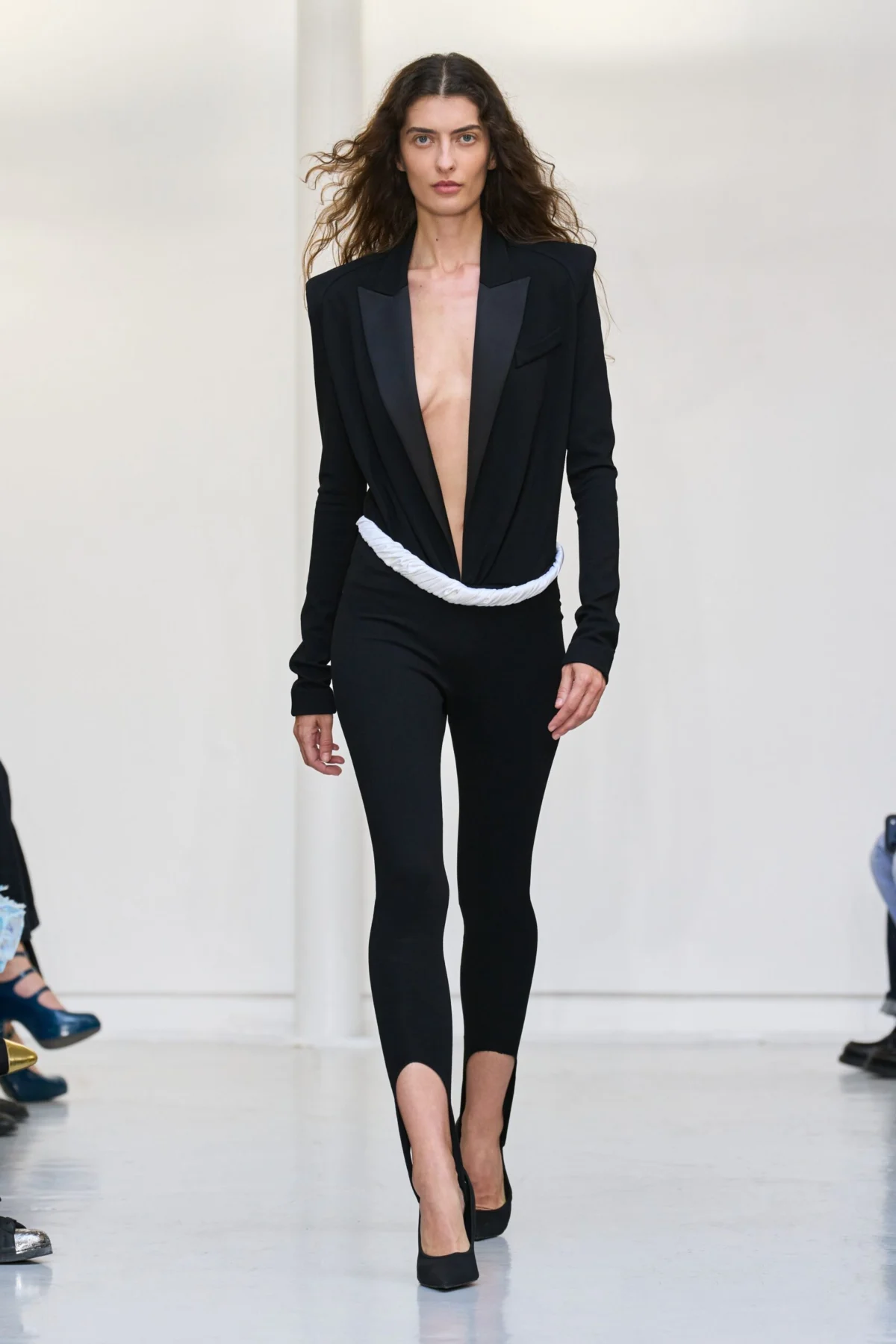
Vogue.com stands as a preeminent digital platform, consistently delivering an expansive and authoritative array of content to a global audience interested in the multifaceted world of fashion and culture. Since its inception, the website has evolved from a simple online extension of the iconic print magazine to a dynamic, multi-platform entity that shapes trends, fosters dialogue, and provides unparalleled access to the industry’s most influential figures and events. Its comprehensive coverage spans the entire spectrum of fashion, from the intricate artistry of haute couture to the everyday influence of celebrity style, all meticulously curated and presented with the signature Vogue aesthetic.
The Evolution of a Digital Fashion Powerhouse
The journey of Vogue.com mirrors the broader digital transformation of media, particularly within the luxury and fashion sectors. Initially launched to complement the print publication, the website quickly recognized the potential of the internet to reach a wider audience and offer more immediate updates. In the early days, online fashion coverage often lagged behind print, but Vogue.com, under strategic leadership, began to bridge this gap. By investing in digital infrastructure, cultivating a talented team of online journalists, photographers, and videographers, and leveraging the established Vogue brand equity, the site rapidly ascended to become a leader in digital fashion journalism.
The initial strategy focused on digitizing the magazine’s core offerings: articles, editorials, and event coverage. However, the true innovation lay in embracing the unique capabilities of the digital medium. This included real-time updates from fashion weeks around the globe, interactive features, multimedia content such as behind-the-scenes videos and designer interviews, and the development of a robust social media presence to engage with an increasingly connected readership. This proactive approach allowed Vogue.com to not only report on fashion but to actively participate in and influence its direction.
Comprehensive Content Pillars: More Than Just Clothes
Vogue.com’s editorial strategy is built upon several key pillars, each meticulously developed to cater to the diverse interests of its readership.
Fashion News and Trend Forecasting
At its core, Vogue.com is the definitive source for breaking fashion news. This encompasses everything from designer collection announcements and brand collaborations to shifts in the industry’s economic landscape. The site’s reporters are present at every major fashion week – New York, London, Milan, and Paris – providing immediate runway reviews, street style highlights, and in-depth analyses of emerging trends. This constant stream of information allows consumers and industry professionals alike to stay ahead of the curve. Supporting data from fashion forecasting agencies, such as WGSN, often informs these reports, highlighting predicted color palettes, silhouette shifts, and fabric innovations that will define upcoming seasons. For instance, a report on Spring/Summer 2024 collections might detail a resurgence in minimalist aesthetics, supported by data showing a 15% increase in searches for "tailored essentials" and a 10% decrease in "loud prints" in preceding months.
Beauty Coverage: Science Meets Style
The beauty vertical on Vogue.com is equally extensive, delving into skincare, makeup, haircare, and fragrance. Beyond product reviews and tutorials, the site often explores the scientific underpinnings of beauty innovations, interviewing dermatologists, cosmetic chemists, and researchers. Coverage extends to the latest ingredient discoveries, such as the growing interest in microbiome-friendly skincare, backed by studies indicating a link between gut health and skin clarity. The platform also addresses ethical considerations in beauty, including sustainable sourcing, cruelty-free practices, and the increasing demand for inclusive product lines, reflecting a societal shift towards conscious consumerism. For example, articles might highlight brands that have achieved specific certifications for ethical production, providing transparency and empowering consumers to make informed choices.
Celebrity Style: A Window into Influence
Celebrity style coverage on Vogue.com is more than just a catalog of red carpet looks. It delves into the strategic choices made by stylists, the influence of personal brands, and the broader cultural impact of celebrity fashion. The site analyzes how celebrities leverage their public appearances to promote designers, advocate for causes, or simply express their evolving personal aesthetics. This section often includes exclusive interviews with stylists and the celebrities themselves, offering insights into the creative process. Data on social media engagement surrounding celebrity outfits can be a key metric, with viral moments often translating into significant sales spikes for the brands featured. A notable instance might be a particular dress worn by a prominent actress to a premiere, which subsequently sees a 300% increase in online searches and sells out within 24 hours.
Fashion Week Updates: The Epicenter of Style
Fashion weeks are the pulsating heart of the fashion industry, and Vogue.com provides unparalleled, real-time coverage. From the initial shows in New York to the grand finale in Paris, the site offers a comprehensive diary of events. This includes live streaming of key runway shows, instant photo galleries of every look, and critical reviews from seasoned fashion editors. The chronological flow of fashion weeks allows Vogue.com to build a narrative of the season, identifying overarching themes and standout moments. For example, during the September 2023 fashion weeks, a recurring motif of bold shoulders and structured silhouettes was observed across multiple cities, a trend that Vogue.com’s editorial team was quick to identify and analyze, linking it to broader economic sentiment or a desire for powerful dressing.
Culture Reviews: Fashion’s Broader Canvas
Vogue.com recognizes that fashion does not exist in a vacuum. Its culture section explores the intersections of fashion with art, film, music, literature, and social movements. This includes reviews of exhibitions, interviews with artists and directors whose work influences fashion, and discussions on how societal changes are reflected in sartorial choices. For instance, an article might explore the influence of the burgeoning streetwear culture on haute couture, or analyze how the rise of social justice movements has led to a greater demand for politically charged fashion. This contextualization adds depth and relevance to the fashion narrative, positioning it as a significant cultural force.
Video Content: Engaging and Immersive Experiences
The integration of video content has been a cornerstone of Vogue.com’s digital strategy. The platform offers a diverse range of video programming, from short, engaging clips of runway shows and backstage glimpses to longer-form documentaries and interviews. "The September Issue" documentary, while a film, paved the way for similar in-depth explorations of the fashion world, a spirit that Vogue.com’s video team actively embodies. Their video series, such as "73 Questions," which offers intimate glimpses into the lives and homes of celebrities and designers, have become immensely popular, driving significant engagement and providing a more personal connection with their audience. These videos often achieve millions of views, underscoring the power of visual storytelling in the digital space.
Supporting Data and Analytical Depth
A key differentiator for Vogue.com is its commitment to providing content that is not only aesthetically pleasing but also intellectually stimulating and data-informed. While the site is known for its aspirational imagery, it also incorporates relevant supporting data and factual analysis to contextualize fashion trends and industry shifts. This can include:
- Market Data: Reporting on the economic performance of the luxury market, including growth projections and consumer spending habits. For example, reports might cite figures from Bain & Company or the McKinsey Global Fashion Index, which regularly analyze the state of the industry. A typical data point might be: "The global luxury market is projected to grow by 7-10% in 2024, driven by strong demand in Asia and the continued resilience of high-net-worth consumers."
- Consumer Behavior Insights: Analyzing search trends, social media sentiment, and purchasing patterns to understand what resonates with consumers. Tools like Google Trends and social listening platforms are implicitly or explicitly referenced to gauge public interest in specific styles, brands, or topics.
- Sustainability Metrics: Quantifying the environmental and social impact of fashion production and consumption. This can involve reporting on carbon footprints, water usage, or ethical labor practices within supply chains, often referencing reports from organizations like the Ellen MacArthur Foundation or the Fashion Revolution movement.
- Historical Context: Drawing parallels between current trends and historical fashion movements, providing a deeper understanding of fashion’s cyclical nature and its connection to broader societal narratives.
Official Responses and Industry Engagement
Vogue.com’s position within the industry allows it to serve as a conduit for official responses and industry-wide conversations. While the provided content snippet is a legal notice and copyright statement, the general operation of Vogue.com involves:
- Interviews with Industry Leaders: The site regularly features interviews with CEOs of major fashion conglomerates, creative directors of luxury houses, and influential figures in retail and technology. These interviews provide direct insights into strategic decisions, future plans, and industry challenges.
- Reporting on Industry Initiatives: Coverage of major industry-wide efforts, such as those aimed at promoting sustainability, diversity, and inclusion, often includes statements from governing bodies like the Council of Fashion Designers of America (CFDA) or the British Fashion Council.
- Analysis of Brand Strategies: Vogue.com’s editorial team offers informed analysis of how brands are adapting to changing market conditions, digital advancements, and evolving consumer expectations. This can include commentary on mergers and acquisitions, new business models, and shifts in marketing approaches.
Broader Impact and Future Implications
The continued success of Vogue.com has significant implications for the fashion industry and beyond:
- Trendsetting and Influence: Vogue.com plays a crucial role in setting and amplifying fashion trends. Its editorial decisions and coverage can significantly influence consumer purchasing decisions and designers’ creative directions. The platform’s authority lends weight to emerging styles and designers.
- Digital Transformation of Media: The site serves as a model for how traditional media outlets can successfully transition to and thrive in the digital space, demonstrating the power of high-quality content, strategic multimedia integration, and audience engagement.
- Cultural Commentary: By connecting fashion to broader cultural dialogues, Vogue.com contributes to a more nuanced understanding of its role in society, highlighting its capacity for artistic expression, social commentary, and personal identity formation.
- E-commerce Integration: While not explicitly detailed in the provided snippet, leading fashion publications like Vogue.com often engage in affiliate partnerships with retailers, as indicated by the "Vogue may earn a portion of sales from products that are purchased through our site as part of our Affiliate Partnerships with retailers" statement. This integration allows the site to not only inform but also facilitate consumer purchasing, creating a direct link between editorial content and commerce. This practice is becoming increasingly standard, with data showing a significant growth in shoppable content and its impact on online retail.
In conclusion, Vogue.com has solidified its position as an indispensable resource for anyone interested in the world of fashion and its cultural reverberations. Through its comprehensive content, sophisticated digital strategy, and commitment to journalistic excellence, it continues to define and lead the conversation, offering a vital blend of inspiration, information, and analysis for a global audience. The copyright statement, while standard legal boilerplate, underscores the proprietary nature of its extensive and valuable content, ensuring that its unique contribution to fashion discourse remains protected.
