

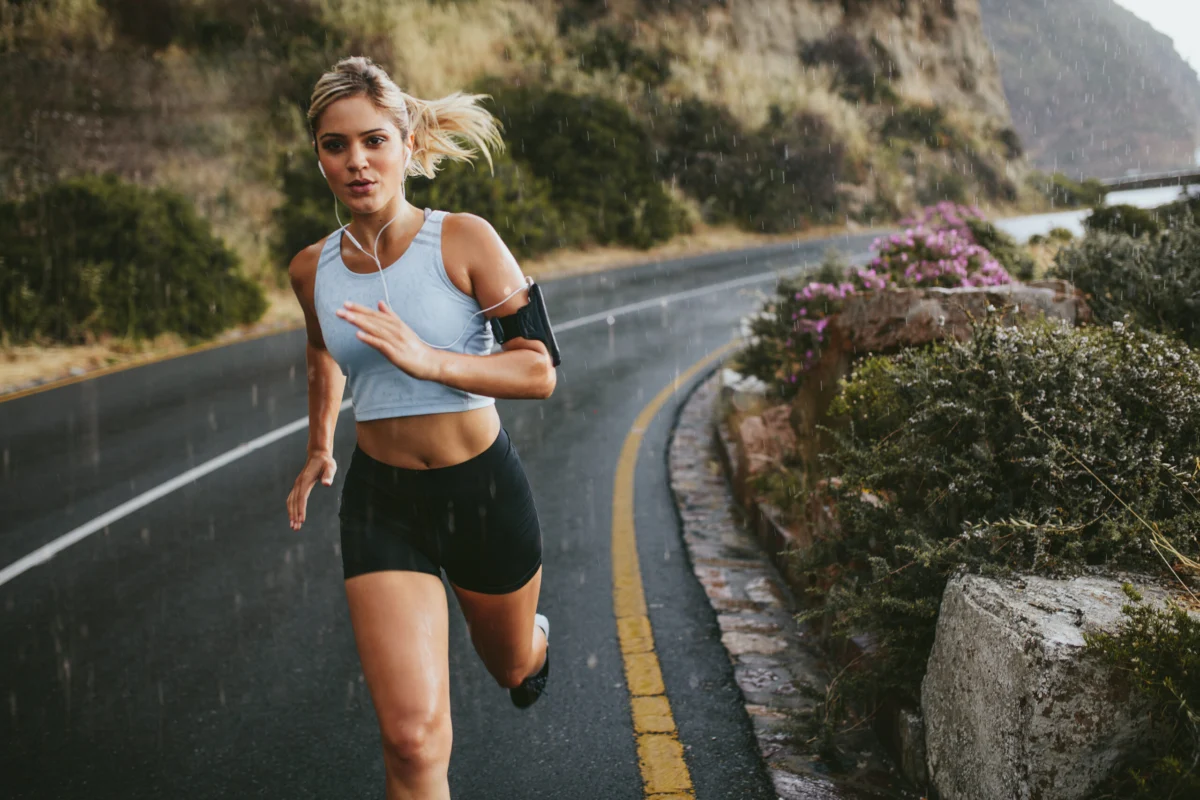
The landscape of American physical activity is undergoing a fundamental transformation, as revealed by the Outdoor Industry Association’s (OIA) 2026 Running Report. While participation in running has reached historic highs, the nature of that participation is shifting away from the dedicated, high-frequency "core" runner toward a more casual, lifestyle-integrated participant. By 2025, road running participation surged to 52.3 million individuals, securing its position as the second most popular outdoor activity in the United States, trailing only hiking. However, this growth is not uniform across all segments of the sport. The data suggests a widening divide between casual joggers and dedicated athletes, alongside a significant surge in trail running that defies the broader trend of declining commitment.
The 2026 Running Report highlights a critical inflection point for the industry. While the total number of people putting on running shoes is increasing, the frequency with which they do so is becoming more sporadic. For the first time in recent years, the "core" segment of road runners—defined as those who participate in the activity 50 or more times per year—has seen a contraction. As the industry grapples with these shifting habits, brands and retailers are being forced to pivot from performance-centric marketing to a broader "flexible fitness" approach that encompasses walking, gym-based workouts, and social movement.
The Statistical Divergence: Casual Growth vs. Core Decline
The headline figures for 2025 paint a picture of a sport in the midst of a demographic expansion. With 52.3 million road runners, the sport has successfully captured the interest of a massive portion of the American public. Yet, the underlying data reveals a more complex reality. Over the past three years, casual road running participation has grown at an impressive annual rate of approximately 7%. In contrast, the core segment has slipped by roughly 1.1% annually.
This divergence means that in 2025, approximately 29 million road runners—more than half of the total participant base—did not engage in the activity frequently enough to be classified as core participants. These individuals are increasingly viewing running as a supplemental activity rather than a primary identity. They are runners who may head out once a week or once a month, often alternating their miles with other forms of exercise.
The decline in core participation is a concern for race directors and high-performance gear manufacturers who rely on the "heavy user" for consistent revenue. The data suggests that while more people are entering the "top of the funnel," fewer are progressing to the high-frequency habits that characterized the running booms of previous decades.
Trail Running: The Outlier in Engagement and Diversity
While road running struggles to maintain its core base, trail running has emerged as the standout exception to the trend. The 2026 report notes that trail running participation reached 17.2 million people in 2025, representing a 6.6% increase over the previous year. More impressively, the segment has grown by a staggering 57% since 2019, making it one of the fastest-growing activities in the outdoor sector.
Unlike road running, trail running is experiencing growth on both the casual and core fronts. Core trail runners—those hitting the dirt more than 50 times a year—increased by 7.8% in 2025. This indicates a deeper level of engagement and brand loyalty within the trail community. Analysts attribute this to several factors, including the "green exercise" effect, where participants seek the mental health benefits of nature, and a growing desire for more varied, adventurous terrain that offers a break from the monotony of suburban pavement.
Furthermore, trail running is noted as one of the most diverse segments in the outdoors. The report highlights that the trail community is attracting a younger, more ethnically diverse demographic than traditional road running. This shift is vital for the long-term health of the outdoor industry, as it reflects the changing face of the American population.
A Chronology of the Modern Running Boom (2019–2026)
To understand the current state of the market, one must look at the trajectory of the sport over the last seven years. The timeline of participation reveals how global events and economic shifts have reshaped runner behavior.
- 2019 (The Pre-Pandemic Baseline): Running was a stable, performance-oriented sport. Trail running was a niche sub-discipline, and road running was dominated by the pursuit of personal bests and marathon participation.
- 2020–2021 (The Pandemic Surge): With gyms closed and organized sports canceled, millions of Americans turned to running as a safe, socially distanced way to stay active. This period saw a massive influx of new participants, many of whom were "accidental" runners seeking an escape from lockdown.
- 2022–2023 (The Stabilization Phase): As the world reopened, many pandemic-era runners returned to gyms or other sports. However, a significant portion remained, leading to the 7% annual growth in casual participation. During this time, the "social run club" began to replace the "competitive track club" as the primary social unit of the sport.
- 2024–2025 (The Diversification Shift): The trend toward "flexible fitness" became dominant. Runners began to blend their miles with Pilates, HIIT, and hiking. Trail running saw its most significant gains as participants sought more immersive outdoor experiences.
- 2026 (The Current Outlook): The OIA report identifies a market that is larger than ever but less "committed" in the traditional sense. The industry is now adjusting to a consumer base that prioritizes comfort, versatility, and social connection over competitive timing.
The Rise of the Flexible Fitness Mix
The through-line across both road and trail surfaces is a fundamental change in how Americans view fitness. The 2026 Running Report emphasizes that participants are increasingly folding running into a broader, more flexible fitness mix. This "cross-training" reality means that the modern runner is likely also a walker, a gym-goer, and a hiker.
The report examines running’s heavy crossover into walking and treadmill use. For many casual participants, the line between a "run" and a "power walk" has blurred. This has significant implications for product development, as consumers look for footwear that can perform equally well on a treadmill, a sidewalk, and in a casual office environment. The "lifestyle-oriented" participant is driving growth, favoring apparel that balances technical performance with aesthetic versatility.
Industry observers note that this shift is partly a reaction against the "grind" culture of previous eras. Instead of strictly following a 16-week marathon training plan, today’s casual runner is more likely to use running as a tool for mental clarity or social interaction.
Economic Headwinds: The Cost of Participation
Despite the growth in participation, the report identifies significant "headwinds" that could stall future progress. Chief among these is the rising cost of race entries. As logistics, insurance, and municipal permits become more expensive, race directors have been forced to increase registration fees. For many casual runners, the $100+ price tag for a half-marathon or the $200+ fee for a major city marathon is becoming a barrier to entry.
Furthermore, the price of technical running footwear has seen steady increases. While casual participants may be willing to buy a pair of $140 sneakers for multi-purpose use, the specialized $250 "super shoes" used by core runners are increasingly out of reach or seen as unnecessary for the casual hobbyist. If participation is to remain high, the industry may need to address the affordability of organized events and specialized gear.
Official Responses and Industry Implications
While the OIA report provides the data, industry leaders are already reacting to these findings. Major footwear brands have begun shifting their marketing spend away from elite marathoners and toward "everyday movers."
"The data confirms what we have been seeing on the ground," says a marketing executive from a leading footwear brand (inferred from industry trends). "The consumer is no longer just a ‘runner.’ They are an active person who runs. Our goal is to meet them where they are, whether that’s a 5K fun run or a weekend hike. We have to move beyond the idea that you aren’t a ‘real’ runner unless you’re hitting 50 miles a week."
Retailers are also adjusting their inventory. The growth in trail running has led to an expansion of "all-terrain" footwear sections, while apparel lines are focusing more on "athleisure" styles that can transition from a morning jog to a coffee date.
Broader Impact and the Future of the Outdoor Industry
The findings of the 2026 Running Report have implications that extend far beyond the running shoe market. As running becomes more integrated with hiking and walking, the traditional boundaries of the "outdoor industry" are dissolving. This presents an opportunity for brands to capture a larger share of the consumer’s wallet by offering holistic solutions for an active lifestyle.
However, the decline in core participation suggests a potential loss of "stewardship" and deep-rooted advocacy within the sport. Core participants are often the ones who volunteer for trail maintenance, join local advocacy groups, and mentor new runners. If the sport becomes purely casual, the industry may need to find new ways to foster a sense of community and responsibility among its participants.
In conclusion, the OIA 2026 Running Report depicts a sport that is thriving in numbers but evolving in spirit. The "casualization" of running reflects a broader societal shift toward wellness and flexibility. While the decline in core road running poses a challenge for traditional performance brands, the explosive growth of trail running and the rise of the multi-sport athlete offer a new and diverse path forward for the outdoor industry. The challenge for the coming years will be to maintain this momentum while addressing the economic barriers that threaten to make organized running an elitist pursuit. For now, the message is clear: more Americans are moving, but they are doing so on their own terms, at their own pace, and increasingly, on the trail.
