

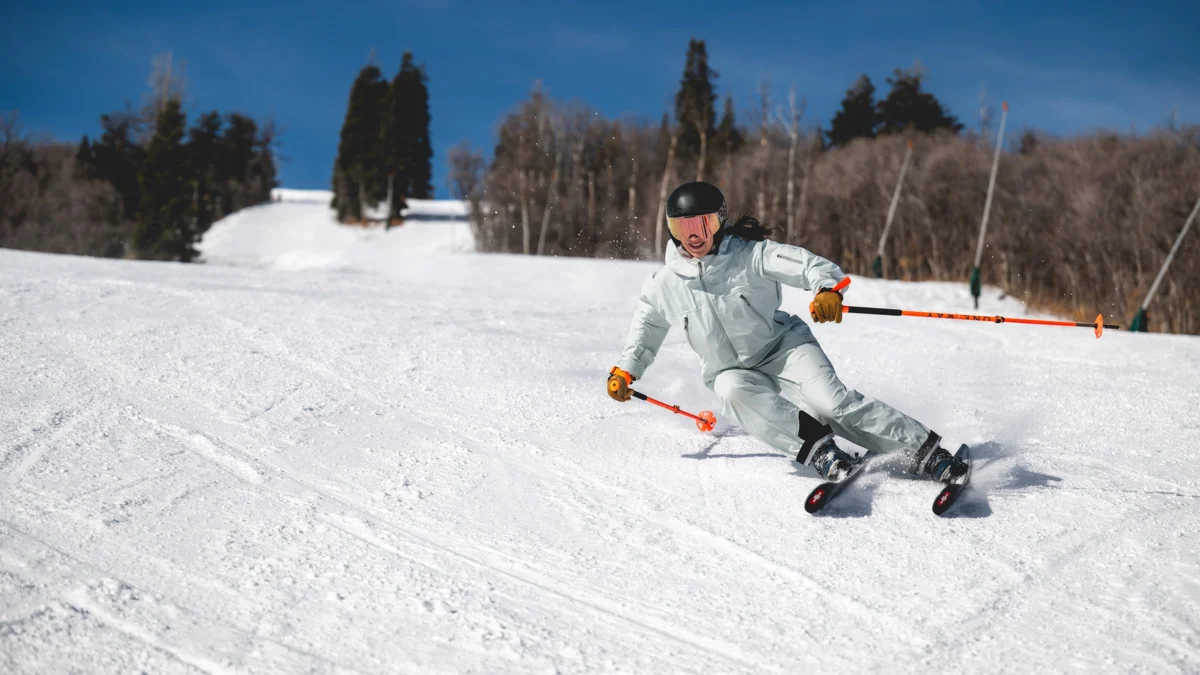
Published September 23, 2026, SKI Magazine’s highly anticipated annual ski test results have been released, spotlighting the Rossignol Arcade W 88 as the undisputed "Best in Test" for women’s frontside skis for the upcoming 2027 season. Conducted at the renowned Deer Valley Resort in Utah, the rigorous evaluation process saw an elite team of testers scrutinize a wide array of top-tier models, assessing their performance across crucial metrics such as hard-snow integrity, carving precision, responsiveness, and overall versatility. This comprehensive review offers crucial insights for skiers seeking to elevate their on-piste experience.
The Evolution of Frontside Skiing and the SKI Test Legacy
Frontside skis occupy a vital niche in the skiing landscape, designed for the vast majority of resort skiers who predominantly carve groomed runs but desire the flexibility to venture into varied snow conditions off-piste. Often characterized by a moderate waist width—typically ranging from 80mm to 90mm—these skis balance aggressive carving capability with a degree of all-mountain adaptability. Key design elements include tip rocker for easier turn initiation, slightly lighter construction than their unisex counterparts, and an easy-releasing tail, all contributing to a more intuitive and enjoyable experience on groomed corduroy, through bumps, and across mixed snow.
The SKI Test, a cornerstone of the industry, stands as one of the most exhaustive and trusted evaluation programs. Each year, a diverse panel of experts—comprising hardgoods buyers, seasoned coaches, certified instructors, former professional racers, and other industry veterans—converges to put the latest equipment through its paces. For the 2026 test, held at Deer Valley, Utah, this cadre of 16 testers, including nine dedicated to women’s models, assessed 16 different skis from 23 brands. Deer Valley’s meticulously groomed slopes and accessible variable terrain provide an ideal proving ground, allowing testers to push skis to their limits on corduroy, cut-up snow, and even icy patches, as well as navigate moguls and push piles on the trail sides. This systematic approach ensures objective, real-world performance data, making the SKI Test a critical resource for consumers and a benchmark for manufacturers.
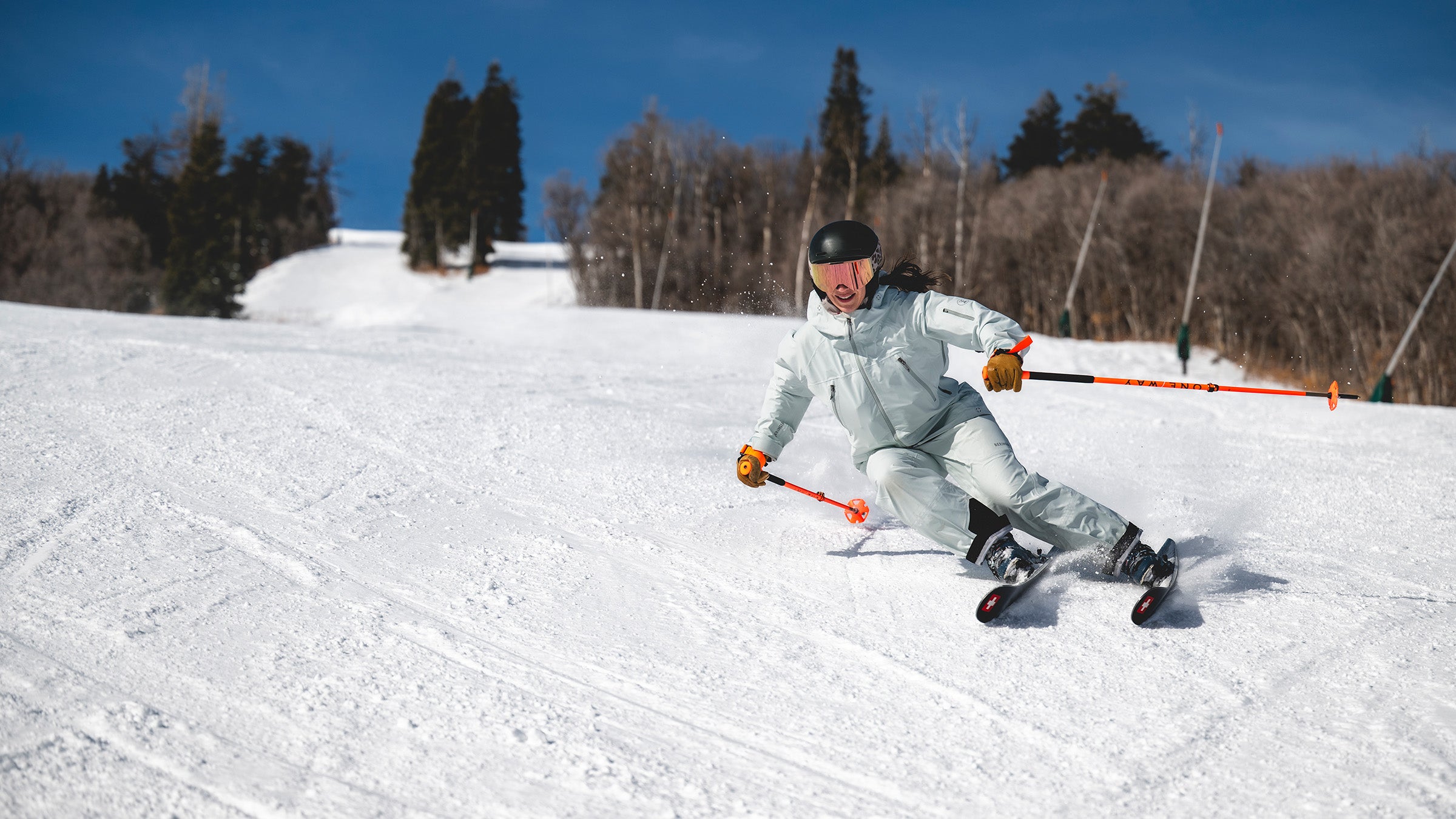
The criteria for evaluation are meticulously defined, with particular emphasis placed on versatility, carving prowess, and hard-snow integrity for frontside skis. These three indicators are considered paramount for identifying a truly exceptional frontside performer. Other factors, such as playfulness, forgiveness, stability at speed, and crud performance, also contribute to the comprehensive scoring, providing a holistic view of each ski’s capabilities and target skier profile.
Top Performers: A Deep Dive into the 2027 Women’s Frontside Skis
This year’s test identified eight standout models, each excelling in specific attributes, from the ultimate carver to the most confidence-inspiring ride.
Rossignol Arcade W 88: Best in Test – The All-Round Champion
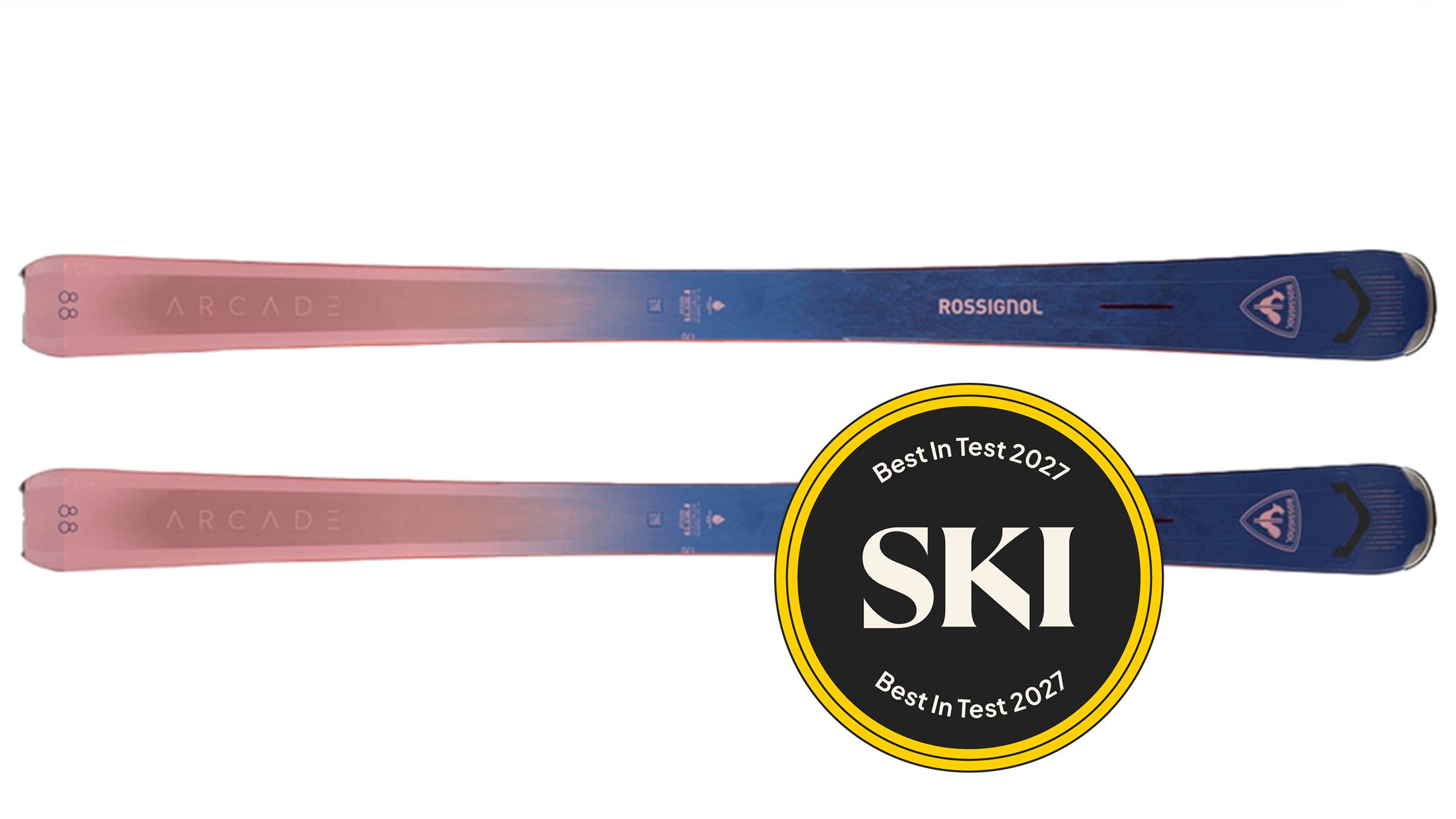
The Rossignol Arcade W 88 (available in lengths: 148, 154, 162, 170, 178 cm; dimensions: 135-88-124 mm; price: $750) earned the coveted "Best in Test" award, a testament to its remarkable balance of performance and accessibility. Tester Lauren Engle, a 5-foot-5 expert skier, succinctly captured its essence: "This is the ski your ski instructor wants you to have. It makes everyone feel like a hero." Testers universally praised its intuitive nature and robust hard-snow integrity. The slightest pressure initiates a seamless roll onto the edge, transitioning into a confident carve.
What truly sets the Arcade W 88 apart is its broad appeal. Its flex pattern is soft enough to be approachable for intermediates, yet possesses ample strength to satisfy the demands of expert skiers. While exceptional on groomers, its 88-millimeter waist also proved responsive in moguls and adept at busting through crud and chop, solidifying its reputation as a versatile carving-meets-all-mountain multi-tool. Rossignol’s design philosophy for the Arcade series centers on making high-performance accessible. This is achieved through a full layer of Titanal and a power rail integrated into the wood core, complemented by an hourglass-shaped sidecut and a wide, rockered tip. This sophisticated construction yields exceptional edge hold and effortless turn initiation. While it boasts a large sweet spot, some testers noted that its responsiveness might be initially surprising for absolute novices, and its stiff tail offers less forgiveness for those who tend to ski from the backseat. However, for skiers seeking a dynamic frontside companion that can arc turns with precision and adapt to variable snow, the Arcade W 88 delivers, offering a "fun, effortless frontside ski that can rip or relax."
Nordica Wilde Belle 84 DC: Best Value – The Consistent Carver
For those prioritizing predictable, consistent performance without breaking the bank, the Nordica Wilde Belle 84 DC (lengths: 144, 150, 156, 162, 168 cm; dimensions: 133-84-112 mm; price: $750) was named "Best Value." Kimberly Beekman, a 5-foot-3 expert skier, described its ability to lock into medium-to-long radius turns as "arcing turns like it’s a metronome." Its smooth flex and stability particularly shone on wide-open groomed slopes.
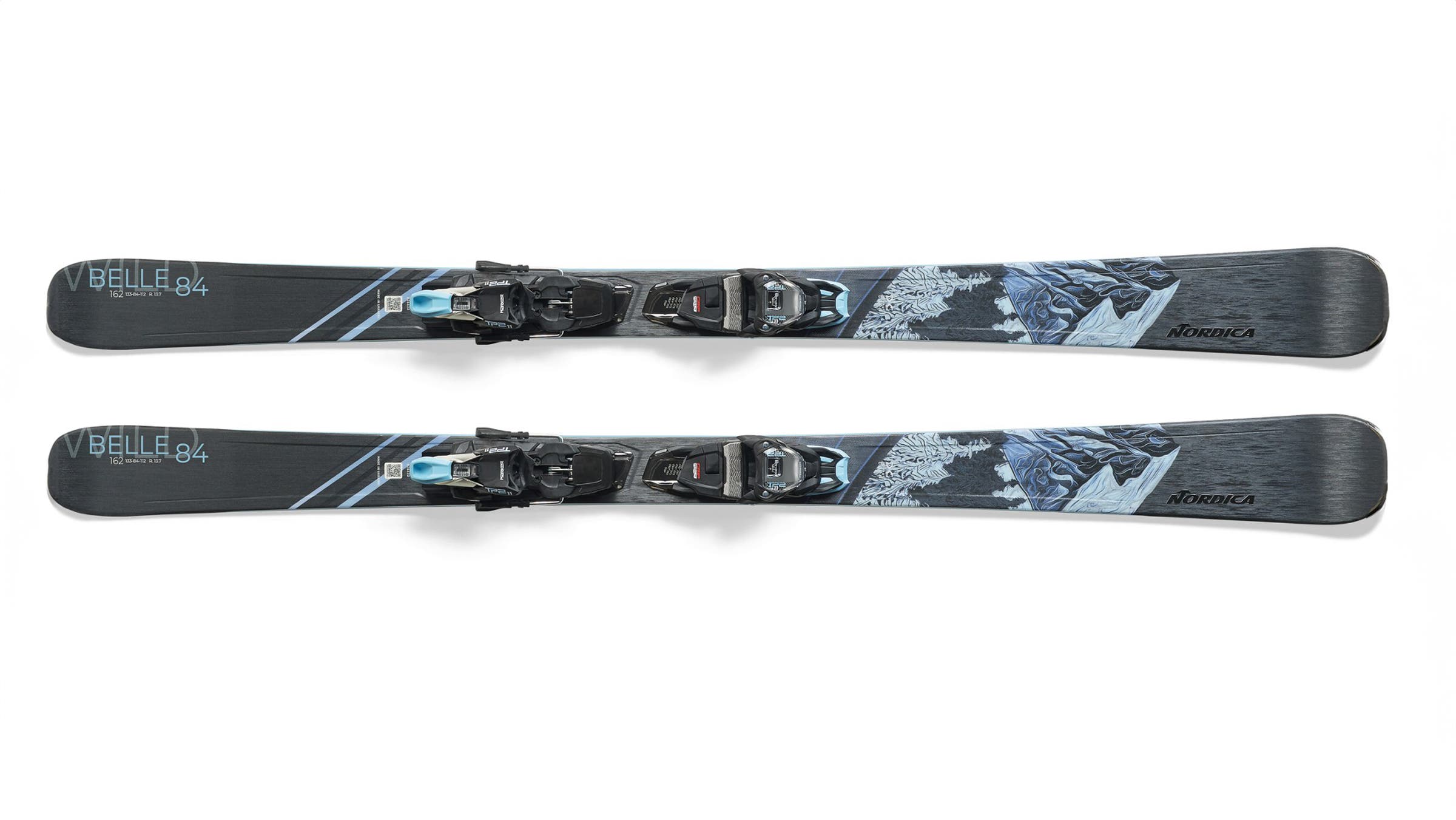
The Wild Belle 84 DC received high scores for its hard-snow integrity and carving capability, demonstrating an impressive capacity to suit a diverse range of skiers. Intermediates will find confidence in its reliable edge hold, while experts will appreciate the bomber support underfoot as they charge down the fall line. Redesigned in the previous season, the 84-millimeter-waisted ski incorporates a shorter plate under the binding, allowing the double wood-and-elastomer core to flex more naturally. However, testers observed a distinct preference for longer, smoother turns. Avery Pesce, VP of merchandising for Boston Ski and Tennis, noted, "It does not love shutting down speed to short swing turns. Keep turns long, smooth and medium-speed to find the Belle’s happy place." Its shovel can also exhibit a tendency to wander in certain conditions, a minor trade-off for its otherwise locked-in feel.
Stöckli Nela 86: Best for Experts – The Precision Instrument
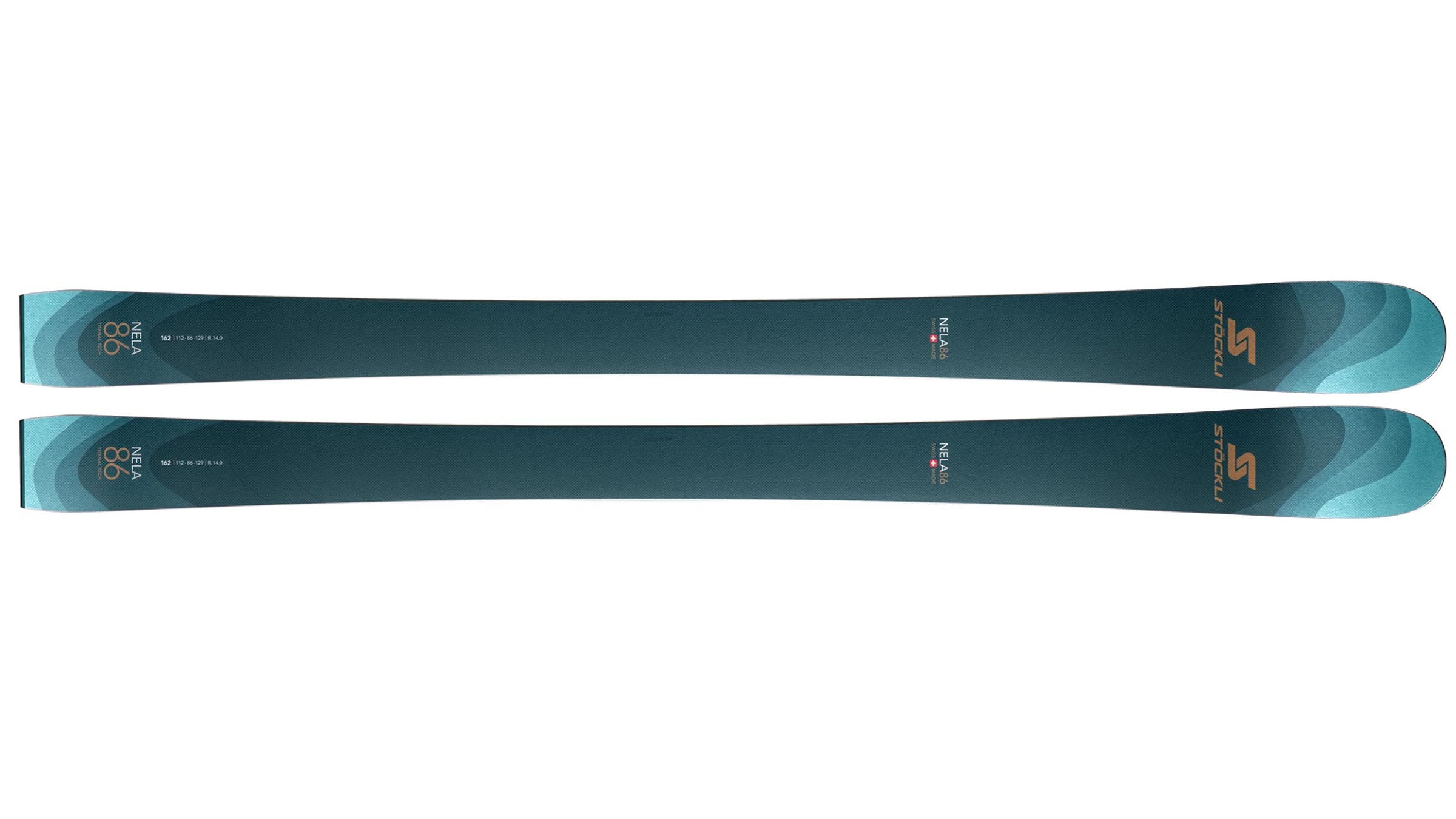
For the discerning expert skier who demands uncompromising stability and smoothness, the Stöckli Nela 86 (lengths: 155, 162, 169 cm; dimensions: 129-86-112 mm; price: $1,529) earned the "Best for Experts" designation. Renee Cernichiari, a Colorado-based tester, likened it to "The Bugatti of skis," praising its graceful and smooth performance for making "gorgeous turns down the run." Stöckli skis are renowned for their "glued-to-the-snow" feel and unwavering stability at speed, and the Nela 86 upholds this tradition while offering enhanced versatility.
This newer freeride-adjacent model, with its 86-millimeter waist, impressed testers not only with its hard-snow integrity but also with its composure when venturing off-piste. While Stöckli softened the construction—featuring a wood core with a Titec topsheet—and incorporated a freeride tail for this model, it remains a ski best suited for technical, aggressive skiers. Less experienced individuals might find its relative stiffness challenging, especially in moguls, and it distinctly prefers medium-to-long radius turns over quick, short arcs. For intermediate-through-expert skiers who prioritize unparalleled smoothness, dependability, and stability across varied terrain, the Nela 86 stands as an exceptional choice, albeit one that comes with a premium price tag reflecting its handcrafted Swiss precision.
Fischer The Curv GT 80: Best for Carving – The Dynamic Performer
The narrowest ski tested in the frontside category, the Fischer The Curv GT 80 (lengths: 145, 152, 159, 166, 173, 180 cm; dimensions: 131-80-113 mm; price: $800), predictably excelled in carving, quickness, and responsiveness, securing its spot as "Best for Carving." It is ideally suited for groomer enthusiasts who revel in high speeds and short-to-medium radius turns. Marina Knight, a 5-foot-5 expert skier, described it as "fun and lively," noting that "the front of the ski is easy to engage, and the ski holds well on hard snow." She added that while it accommodates a more relaxed style, pushing it reveals "lots of energy waiting to be tapped into."
The Curv GT 80’s dynamic character stems from a strategically shaped layer of metal and a carbon-fiber wrap designed to reduce core weight while enhancing rebound energy. A triple-radius sidecut further refines its carving capabilities by providing three distinct turn radii across the ski’s forebody, waist, and tail. Testers did issue a caution: this lively ski can load up quickly, potentially bucking off an inattentive skier. Its 80-millimeter underfoot width also makes it susceptible to getting pushed around in heavy snow and crud. Therefore, the Curv GT 80 is best enjoyed on corduroy, serving as an excellent tool for intermediates learning to carve or a spirited companion for technical skiers seeking a powerful, responsive carving experience.
Armada Antimatter 88 W: Most Forgiving – The Adaptable All-Rounder
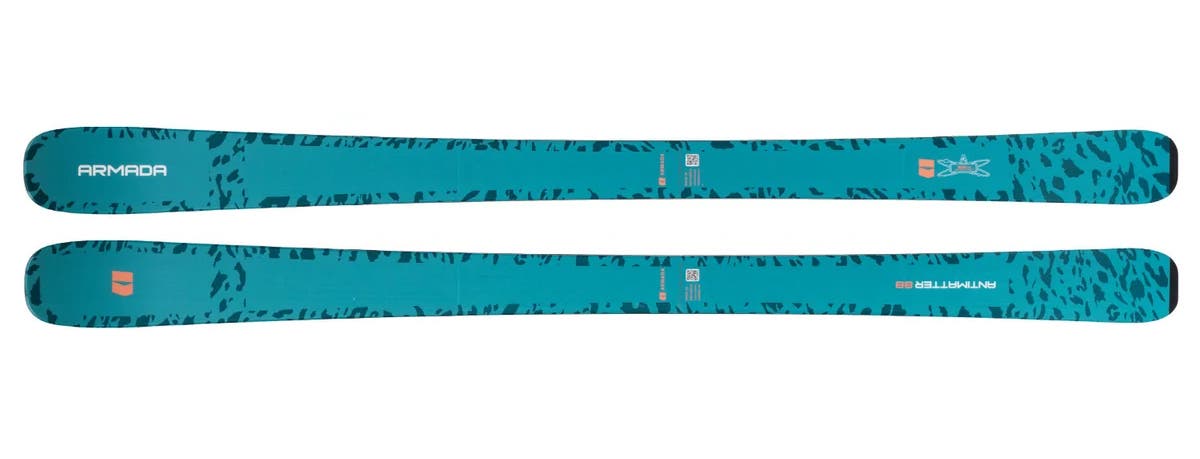
The newly introduced Armada Antimatter 88 W (lengths: 152, 160, 168 cm; dimensions: 130-88-111 mm; price: $700) emerged as the "Most Forgiving" ski, embodying a "party-lap" philosophy—equally adept at high-energy shredding or relaxed cruising. Its ability to navigate mixed snow and variable terrain earned it top scores for forgiveness and high marks for versatility. Kimberly Beekman, a Steamboat-based expert tester, observed, "This ski does everything well and doesn’t demand all of your attention. It’s friendly and capable in most things, from bumps to groomed to soft snow."
The Antimatter 88 W draws inspiration from Armada’s Declivity line, blending freeride versatility with a directional feel. The Antimatter series, however, aims to emphasize its freeride capabilities without sacrificing carving performance. Carbon stringers in the core contribute to both weight reduction and a snappy, responsive feel. Testers found the ski accessible to a wide spectrum of skiers, from recreational enthusiasts seeking to boost their confidence to what Avery Pesce, a 5-foot-6 expert skier, termed "playful frontside skiers who still like to throw down a carve." The trade-off for its forgiving nature is a slight lack of stability and edge grip on hard snow and ice, making it less ideal for aggressive East Coast carving. Nevertheless, for those seeking a cooperative, nimble, and adaptable ski that prioritizes fun over sheer burly power, the Antimatter 88 W is an excellent choice.
Salomon Stance Pro 82: Most Playful – The Agile Explorer
The Salomon Stance Pro 82 (lengths: 161, 169, 177, 185 cm; dimensions: 124-82-106 mm; price: $700) distinguished itself as the "Most Playful" ski, impressing testers with its dynamic feel and broad appeal across ability levels. Lauren Engle, hardgoods buyer for Vail’s Outdoor Divas ski shop, aptly described it as "the Subaru of the snow," praising its "dependable, well-balanced package of hard-snow grip, stability and enough playfulness to keep you happy exploring in most conditions." Its easy edge engagement benefits intermediates, while all levels can rely on its dependability on groomers and in soft snow.
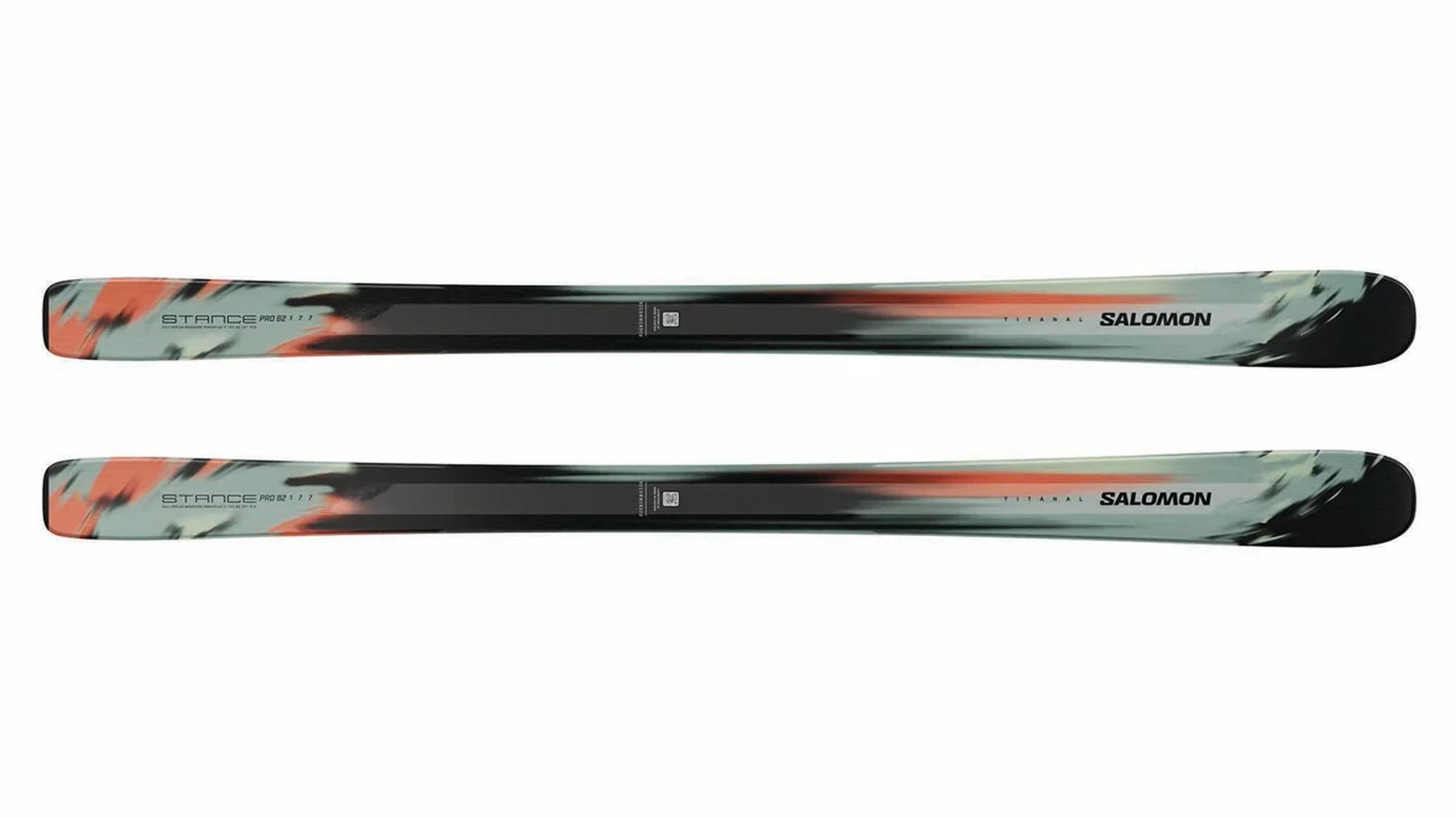
The Stance Pro 82’s construction prioritizes dynamism over dampness or weight. It features a lively poplar wood core and Salomon’s Powerflex Ti—a sheet of metal that is widest underfoot and tapers towards the rockered tips and tails. With a 14-meter turn radius, it is responsive and excels at quick maneuvers through bumps. However, aggressive skiers should be aware that the tip may not engage as effectively, and the ski tends to lose stability at higher speeds and hard-snow integrity on icy conditions. It is fundamentally a finesse ski; its trustworthiness increases with softer snow and controlled speeds. Much like a sporty Subaru, it offers a reliable and enjoyable ride for varied conditions in the high country, making it a favorite for playful exploration.
Dynastar M-Cross W 88: Best for Crud – The Indomitable Charger
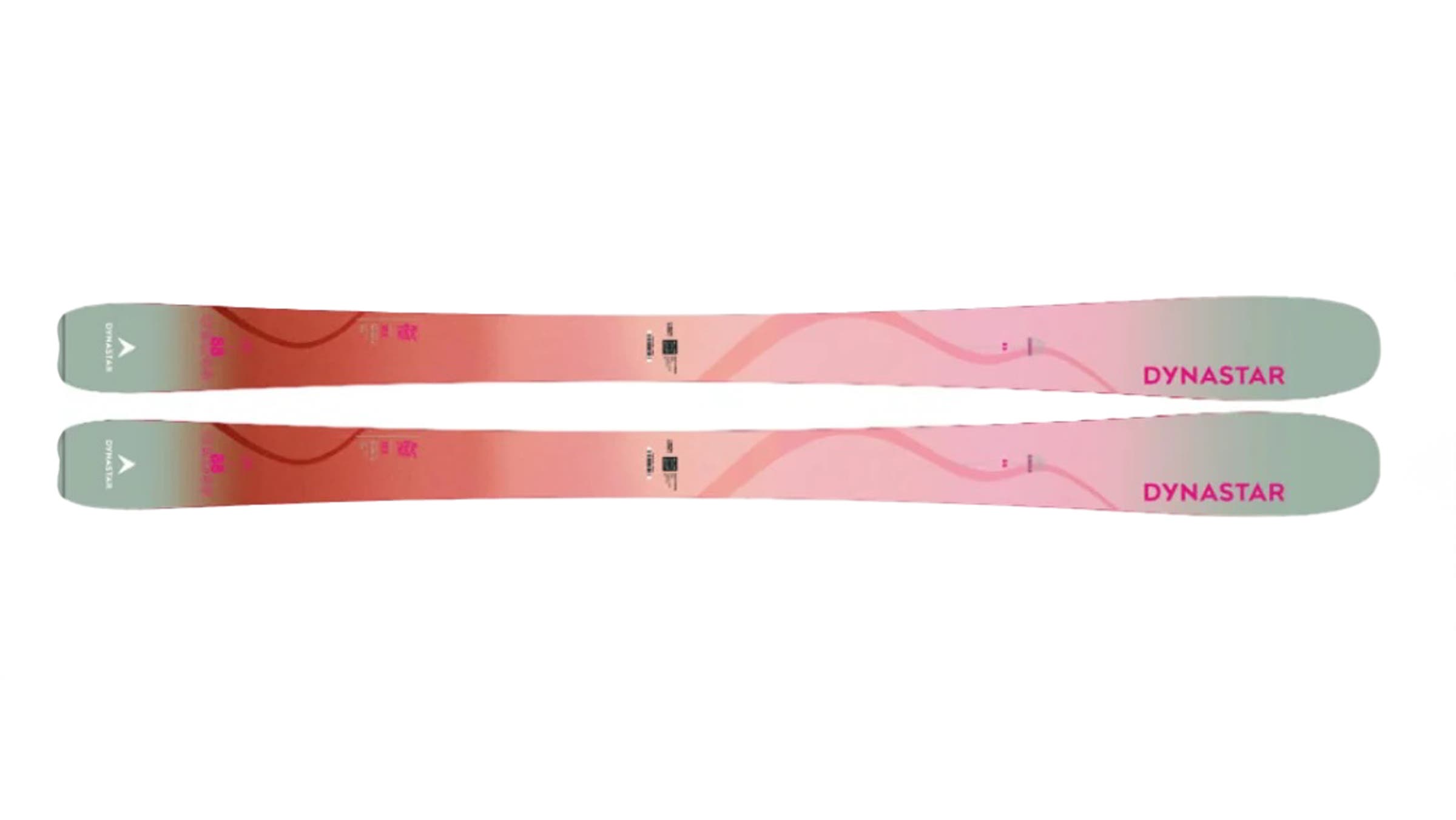
For skiers who frequently encounter choppy, variable snow, the Dynastar M-Cross W 88 (lengths: 150, 158, 167, 175 cm; dimensions: 134-87-116 mm; price: $700) earned top marks as the "Best for Crud." Lauren Engle lauded its unshakeable performance: "Take this ski on groomers, but then get off-piste, because it’s unshakeable on edge and through crud. Super stable and damp, it impressed me with its power to cut through heavier snow." Beyond its exceptional crud performance and versatility, this 88-millimeter ski effortlessly blasts through bumps and carves on soft groomers.
Testers recommend the M-Cross 88 W for intermediates aiming to advance and experts seeking unwavering dependability. Its "tank-like" feel, stemming from Dynastar’s Hybrid 2.0 Core—a blend of poplar wood and multi-directional polyurethane reinforced down the center—contributes to its stability and dampness, though one tester noted it "does not check the ‘lively’ box at all." This stiffer flex, combined with a freeride-inspired shape, facilitates easy edge engagement and tenacious hold throughout the turn. However, testers cautioned against using the M-Cross 88 W on icy groomers, as it tends to lack bite in such conditions. Biased towards softer snow days, this Dynastar model offers a stable, damp, and dependable platform for tackling a wide variety of challenging snow conditions.
Head Kore 87 Ti W: Best Confidence Booster – The Smooth Operator
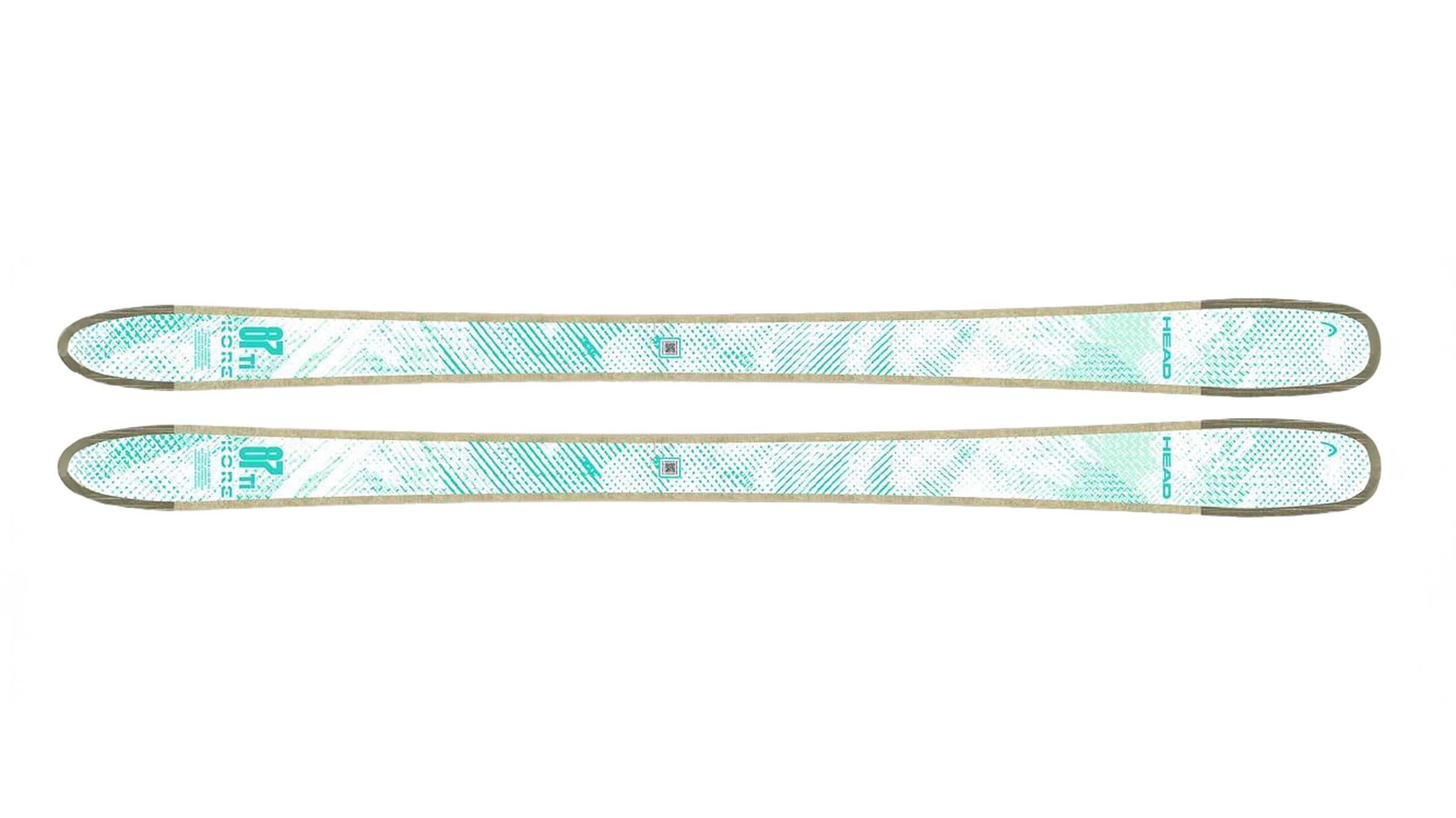
The Head Kore 87 Ti W (lengths: 149, 156, 163, 170 cm; dimensions: 127-87-111 mm; price: $700), a carryforward model, was recognized as the "Best Confidence Booster." Kimberly Beekman praised its smooth, dependable, and easygoing nature, comparing it to a "latte at your favorite coffee shop." She added, "It’s not hard to appreciate the smooth flex and balanced feel throughout the turn, whether on the groomers or in some soft snow. This ski is both approachable and strong, making it suitable for a variety of ability levels."
This 87-millimeter-waisted ski, part of the acclaimed Kore line, is designed to enhance frontside versatility. Its Freeride Sandwich Cap construction, which integrates a poplar core, recycled PET stringers, two layers of Titanal, and graphene, significantly reduces weight while maintaining strength. The rocker profile features a long but low tip-to-tail rise, complemented by strong camber underfoot, resulting in a damp, dependable feel that strikes a fine balance between frontside and all-mountain capabilities. While it excels in fostering confidence and performing well across various criteria, testers did note that icy groomers are not its forte, as it lacks the aggressive edge grip of more carving-oriented frontside models. Nonetheless, the Kore 87 Ti W delivers consistent dependability and a soft spot for groomers, moguls, and medium-radius turns, making it an ideal choice for building skill and confidence on the mountain.
Understanding Frontside Skis: Key Differentiations and Market Trends
The distinction between carving and frontside skis, as well as men’s and women’s models, is often a point of confusion for consumers. Carving skis, as their name suggests, are purpose-built for executing precise, arced turns on groomed terrain, akin to race skis but tailored for everyday skiers. Frontside skis can also perform admirably on groomers and hardpack, often incorporating a subtle tip rocker. However, their slightly wider waist and straighter tip-to-tail profile mean they don’t possess the inherent, aggressive carving capabilities of dedicated carving skis. Where frontside skis truly shine is in their versatility, offering competent performance beyond the perfectly groomed trails. SKI Magazine testers aptly describe carving skis as "scalpels" – precise instruments for experienced hands – while frontside skis are more akin to "machetes" – sharp and effective, requiring less precision in their application.
Regarding gender-specific skis, the industry has seen an evolution. Historically, "women’s skis" often meant unisex models with different graphics. However, a growing number of brands are now designing true women’s skis with construction tweaks that account for female physiology. These often feature slightly softer, lighter materials and are available in shorter lengths (typically 150 cm to 170 cm). While many skis remain unisex in construction, offering different top sheets, the trend toward thoughtful, performance-oriented women’s designs reflects a deeper understanding of the diverse needs and preferences within the skiing community.
Choosing the right ski length is crucial and depends on several factors: height, weight, skill level, and intended use. A general rule of thumb suggests beginners opt for skis around chin-height for easier turning and control. More advanced skiers often prefer skis closer to their height for increased stability at speed and better float in deep snow. It’s also important to remember that ski length is relative; narrow carving skis with more effective edge tend to "ski longer," while powder skis with significant tip and tail rocker tend to "ski shorter." Consulting with a knowledgeable ski-shop employee remains the best way to ensure an optimal fit.
The Rigor of the SKI Test: A Commitment to Objective Review
The integrity of SKI Magazine’s annual review is underpinned by a steadfast commitment to independence and objectivity. Brands do not pay to participate, and coverage is never guaranteed. This ensures that the reviews are solely the product of unbiased, expert evaluation. The 16 expert testers, carefully selected for their professional expertise, include a broad spectrum of backgrounds—from ski instructors and patrollers to shop owners and coaches. This intentional diversity in body types, ages, and home mountains ensures the reviews resonate with the broader skiing community. The result is honest feedback from individuals who possess an intimate understanding of ski performance.
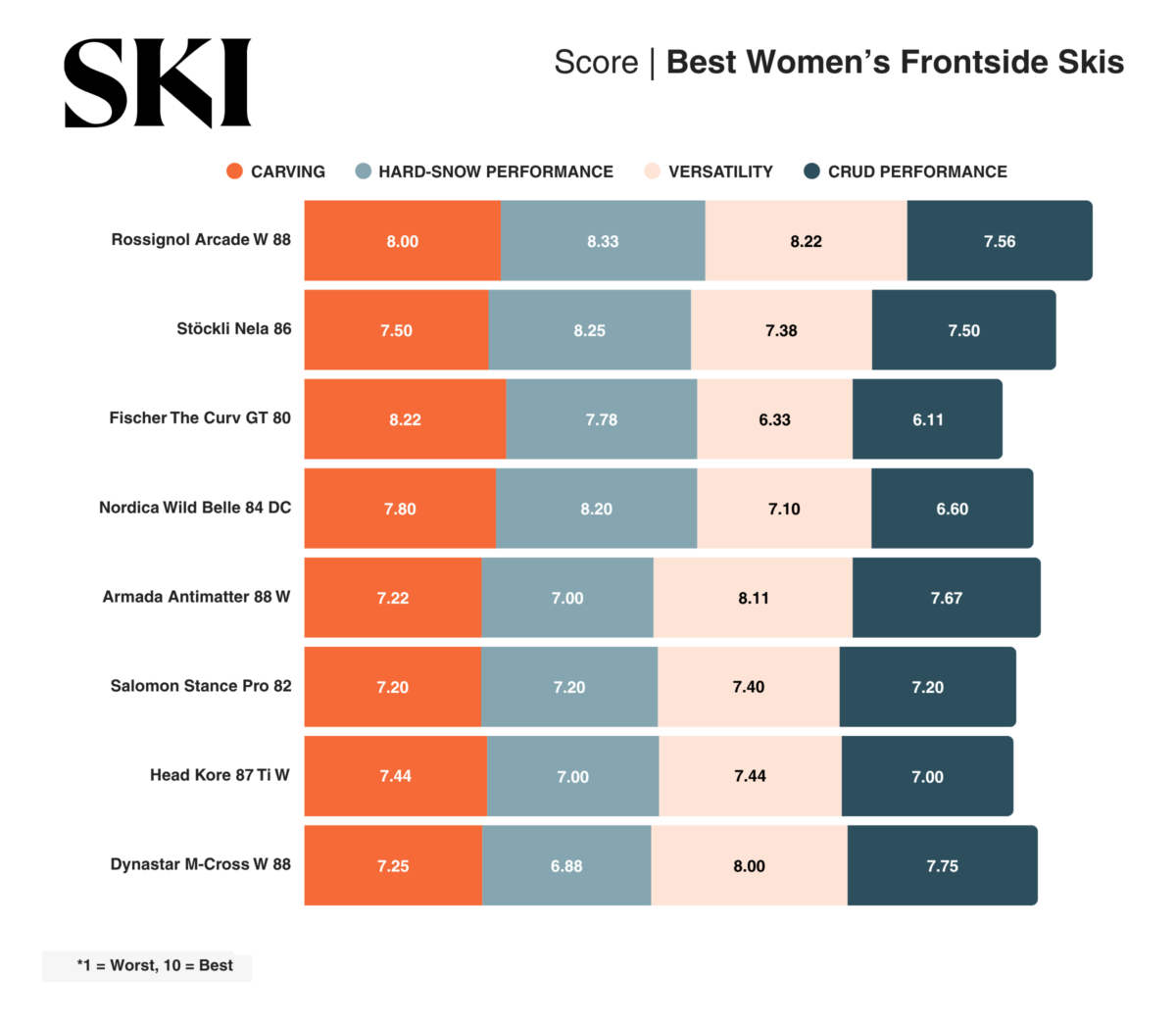
The 2026 SKI Test at Deer Valley involved nine women testers, who meticulously evaluated 16 women’s frontside skis. Each tester skied every model on the same day, under identical conditions, and submitted digital scorecards across nine specific criteria. The greatest emphasis was placed on versatility, carving, and hard-snow integrity—the defining characteristics of a top-tier frontside ski. The eight winners featured in this report consistently achieved high marks across all categories, with particular excellence in these core areas. Additional models that excelled in niche areas, such as playfulness or forgiveness, are also highlighted, providing skiers with strong alternatives tailored to specific preferences.
The comprehensive insights gleaned from the 2026 SKI Test provide an invaluable guide for skiers preparing for the 2027 season. With the Rossignol Arcade W 88 leading the pack, and a strong lineup of specialized performers, women skiers have an exceptional range of choices to enhance their frontside adventures.
