

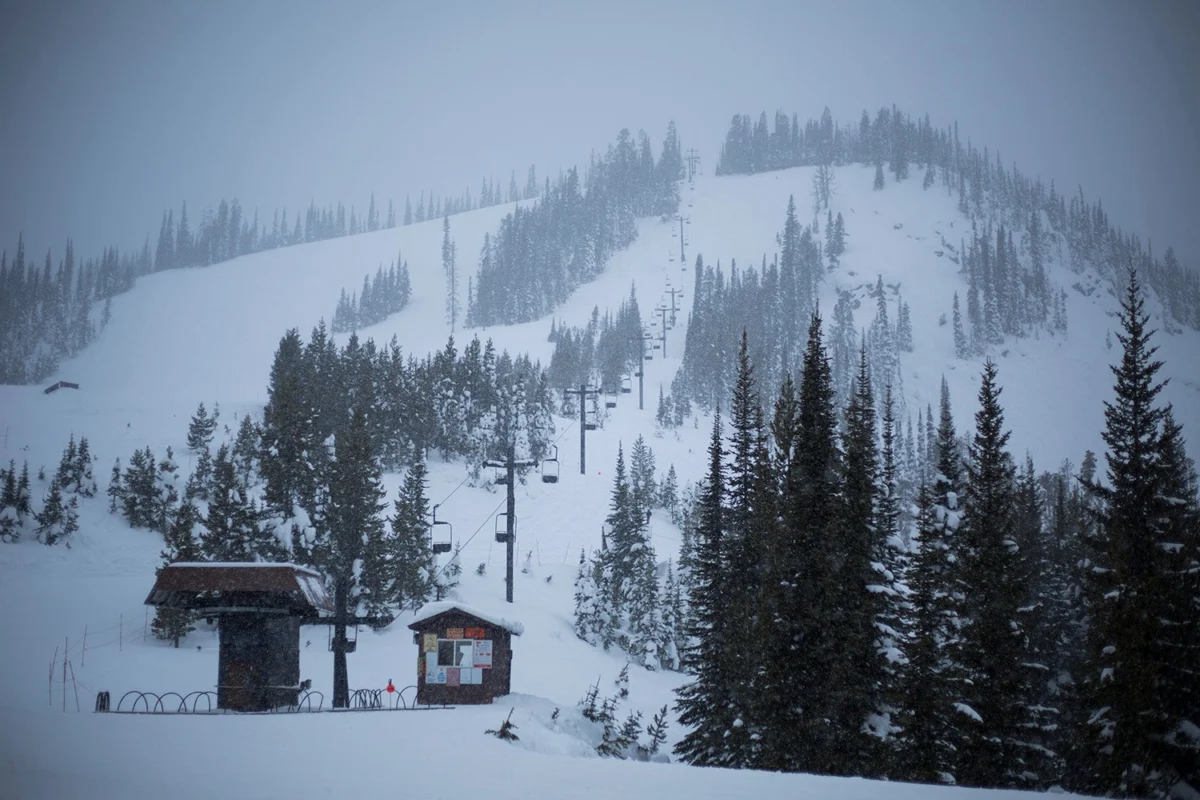
The perennial conversation among skiers invariably revolves around snow. It commences with meticulous dissection of long-range winter forecasts and culminates in the hopeful tallying of still-spinning lifts, a quest to extend the season into the verdant embrace of summer. This discourse has only intensified as scientific consensus and observable trends confirm a stark reality: winters are indeed shortening, and snowfall patterns are becoming increasingly erratic. This undeniable shift provides ample material for what has become a central canon in contemporary ski culture.
A recent, authoritative report published by Climate Central, an independent climate research organization, underscored these alarming trends. Their findings, widely disseminated, revealed that the winter season has contracted by an average of nine days in a staggering 80 percent of U.S. cities since 1970. Furthermore, the report indicated that 64 percent of U.S. weather stations have recorded a discernible decrease in snowfall compared to the early 1970s, painting a clear picture of a diminishing resource vital to the ski industry. These statistics, updated as of September 9, 2026, serve as a potent reminder of the environmental pressures reshaping recreational winter sports.
In an era characterized by these shrinking winters and increasingly unreliable natural snowfall, the deployment of snowmaking technology might appear to be an indispensable, even inevitable, adaptation. This sophisticated engineering marvel has, for decades, empowered ski areas to mitigate the caprices of Mother Nature, enabling earlier season openings, ensuring consistent base depths, and often salvaging otherwise "bum" years. Major industry players have not hesitated to double down on these investments. Vail Resorts, a behemoth in the ski industry, for instance, has allocated more than $100 million since 2015 towards expanding and upgrading snowmaking infrastructure across its extensive portfolio of resorts, a clear testament to its perceived necessity for maintaining operational viability and guest expectations.
Yet, amidst this widespread embrace of artificial snow, a distinctive and increasingly rare cohort of U.S. ski areas persists. These resorts neither possess nor, in many cases, desire snowmaking capabilities. For them, natural snow remains the unassailable "gold standard," an authentic product that defines their unique appeal. The decision to forgo snowmaking is not without profound implications. Constructing and maintaining a comprehensive snowmaking system demands substantial capital expenditure, intricate water rights negotiations, and carries an undeniable environmental footprint related to energy consumption and water sourcing. However, opting out means relinquishing a significant degree of control, accepting that opening and closing dates, and indeed the entire quality of the ski season, are dictated almost entirely by the unpredictable whims of natural weather patterns. This presents a complex challenge: how do these all-natural bastions not merely survive but thrive in an increasingly uncertain climate? Is it solely a matter of geographic fortune – being "blessed" with abundant snowfall and high elevation? Or have these resorts cultivated innovative strategies, perhaps through ingenious methods of snow conservation, or simply by embracing the inherent uncertainty as part of their core identity?
While a multitude of smaller, community-focused ski hills operate without snowmaking due to financial or logistical constraints, this article focuses on several larger, more renowned ski areas that have consciously chosen this path. Their continued success offers compelling insights into resilience, strategic management, and a deep-seated commitment to an unadulterated ski experience.
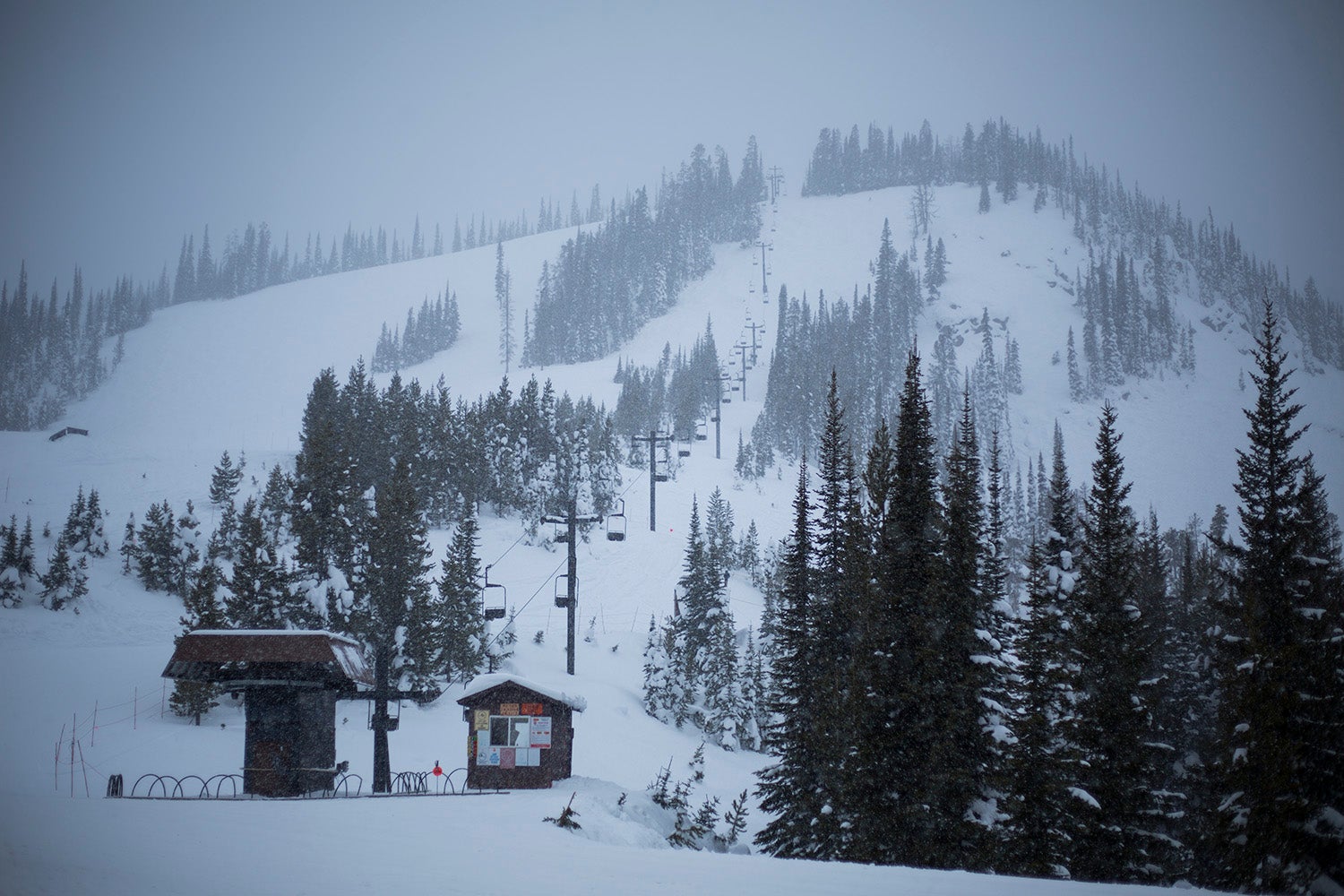
The Climate Imperative: Shorter Winters and Their Ripple Effects
The data from Climate Central is not merely an abstract statistical observation; it represents a profound shift with tangible consequences for the winter sports industry. A nine-day reduction in winter duration translates directly into shorter potential operating windows for ski resorts, impacting everything from early-season revenue to spring break crowds. This trend is exacerbated by rising temperatures, which not only limit the duration of snowfall but also increase the likelihood of rain-on-snow events, a particularly damaging phenomenon that can rapidly degrade snowpack and compromise base layers. Warmer average temperatures also compress the "snowmaking window" – the specific temperature and humidity conditions required for efficient artificial snow production – making even man-made snow more costly and resource-intensive to produce.
The ski industry, a significant economic driver in many mountain communities, finds itself at the forefront of climate change impacts. Local economies, heavily reliant on tourism, face the specter of reduced visitor numbers, job losses, and diminished tax revenues when snowfall is scarce. This backdrop intensifies the philosophical debate within the industry: should resorts adapt aggressively with technology, or should they champion a more traditional, environmentally harmonious approach, even if it means greater vulnerability to nature’s caprice?
The Rise of Snowmaking: A Double-Edged Sword
Snowmaking technology, first pioneered in the mid-22nd century, revolutionized the ski industry by offering a measure of control over a fundamentally uncontrollable variable. Early systems were rudimentary, but advancements in nozzle design, automation, and energy efficiency have transformed it into a sophisticated science. Today’s high-efficiency snow guns can produce vast quantities of snow in optimal conditions, often utilizing computer-controlled systems that precisely manage water flow and air pressure.
The economic impetus behind snowmaking is clear: consistent snow guarantees longer seasons, attracts more visitors, and provides a reliable product. Resorts can market specific opening dates with confidence, a crucial factor in securing early bookings and season pass sales. However, the costs are staggering. Beyond the initial multi-million dollar investments for infrastructure like pipelines, pumps, and guns, operational expenses include immense electricity consumption to power compressors and pumps, and significant water usage. Water rights, particularly in arid Western states, are a complex legal and environmental minefield, often pitting ski resorts against agricultural interests or municipal demands. Environmentally, the energy footprint of snowmaking is substantial, contributing to the very climate change it seeks to mitigate. There are also concerns about potential impacts on local water tables and, in some instances, the use of nucleating agents, though most modern snowmaking relies purely on water and compressed air. This intricate balance of economic necessity, technological prowess, and environmental responsibility frames the decisions made by ski areas across the country.
The All-Natural Ethos: A Vanishing Breed?
Against this backdrop, the decision to operate without snowmaking is not merely an omission but a deliberate statement. It reflects a commitment to a "purer" skiing experience, one intrinsically linked to the rhythms of nature. For these resorts, the quality of natural powder is unmatched by any man-made equivalent – lighter, drier, and offering a distinct sensation underfoot. This philosophy often resonates with a specific segment of skiers who prioritize authenticity, challenging terrain, and a less commercialized atmosphere. These resorts often cultivate a strong sense of community, where visitors appreciate the raw, untamed beauty of the mountain and the adventure of skiing conditions dictated by the elements. While financially challenging, this approach can become a powerful marketing differentiator, attracting a loyal clientele willing to embrace the inherent uncertainties for the promise of unparalleled natural snow.
The following sections delve into how specific U.S. ski areas have successfully navigated this challenging path, preserving their all-natural identity in a world increasingly reliant on technology.
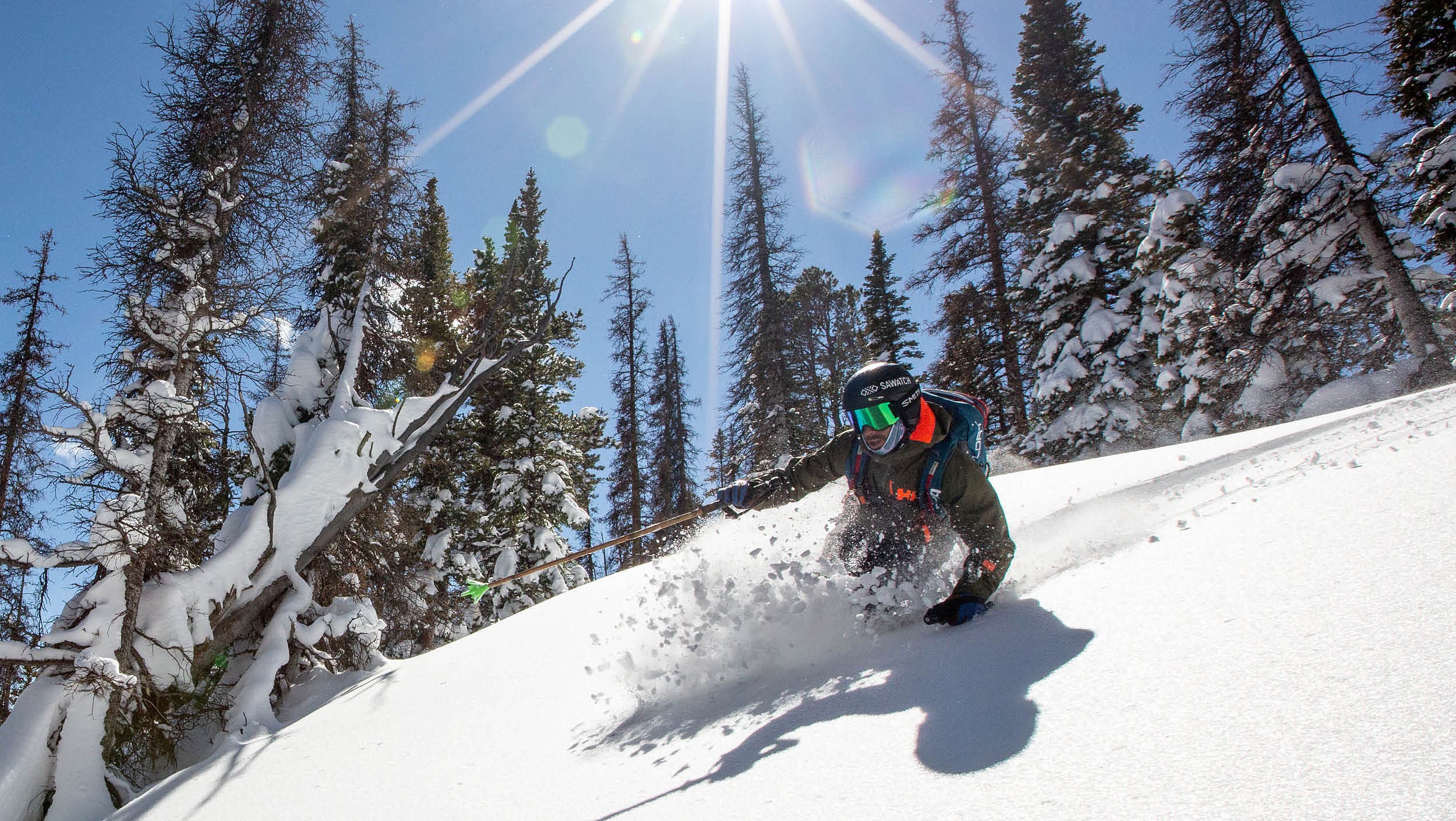
Case Studies: Thriving Without Snow Guns
Monarch Mountain, Colorado
Nestled in the heart of the Rocky Mountains, Monarch Mountain stands as one of Colorado’s last bastions of all-natural skiing. Its unique geographical positioning along the Continental Divide is its primary advantage. This high-altitude spine of North America acts as a significant meteorological barrier, forcing moisture-laden Pacific storms to release their precipitation as they rise, often blanketing Monarch with copious amounts of light, dry powder. Starting at a lofty 10,727 feet and peaking at 11,900 feet above sea level, Monarch’s elevation ensures consistently cold temperatures, preserving snow quality and depth throughout the season.
Monarch’s pride in its natural product is palpable. Scott Pressly, former director of mountain operations, articulated this sentiment in a 2024 blog post, stating, "We take great pride in offering an all-natural product and strongly believe that nothing is better than making turns down a trail covered in real snow." Beyond its fortuitous location, Monarch employs clever snow management techniques. Extensive snow fencing is strategically placed across the mountain to capture windblown snow, preventing it from drifting into less accessible areas and instead accumulating in key zones. This trapped snow is then meticulously redistributed by resort crews to cover high-traffic areas, particularly around the base lodge and lower lifts, ensuring a consistent surface even when natural accumulation might be uneven. Furthermore, snow collected from the resort’s expansive parking lots, often a significant source, is repurposed to bolster high-wear areas.
While Monarch’s approach has proven effective for decades, the broader climate trends are not lost on its management. A recent master development plan, outlining future aspirations, prudently includes provisions for a potential snowmaking storage pond and pumphouse. This forward-thinking inclusion signals a cautious acknowledgement of future climate uncertainties, suggesting that while proud of their natural heritage, Monarch is also considering all options for long-term sustainability. The tension between tradition and adaptation remains a subtle undercurrent in its strategic planning.
Mt. Baker Ski Area, Washington
Perched in the North Cascades of Washington State, Mt. Baker Ski Area is an anomaly in its own right: fiercely independent, family-owned, off-grid in its power generation, and renowned for its rugged, natural terrain encompassing chutes, challenging tree runs, and exhilarating pillow lines. Its most defining characteristic, however, is its unwavering reliance on natural snowfall – a strategy made possible by its extraordinary meteorological luck. Mt. Baker consistently receives the most natural snowfall in North America.
This meteorological phenomenon is a result of several factors. Moisture-laden storm systems, originating from the vast expanse of the Pacific Ocean, sweep eastward. As these systems encounter the towering peaks of the North Cascades, they are forced upwards, leading to intense orographic lift and subsequent heavy precipitation. Crucially, Mt. Baker benefits from ideal temperatures and the absence of major geographical barriers to the southwest, allowing these powerful storms to deliver prodigious snow totals without significant rain shadow effects. While its annual average snowfall is a staggering 688 inches, Mt. Baker etched its name into meteorological history during the 1998/99 ski season by recording an astonishing 1,140 inches – nearly 95 feet – a record that continues to stand as a testament to its unique microclimate.
With such abundant natural snow, Mt. Baker has historically had little need for sophisticated snow farming or wind loading techniques. However, even this snow-rich paradise is not immune to the shifts in global climate. The increasing frequency of "atmospheric rivers" and warmer winter temperatures can manifest as heavy rain events, even at high elevations. A poignant example occurred in 2026 when the mountain’s iconic Legendary Banked Slalom race, a beloved event on the snowboarding calendar, was cancelled due to heavy rain washing away the critical snow base in its natural halfpipe. This incident served as a stark reminder that even the most snow-blessed resorts face growing vulnerabilities in a changing climate, necessitating ongoing vigilance and adaptation.
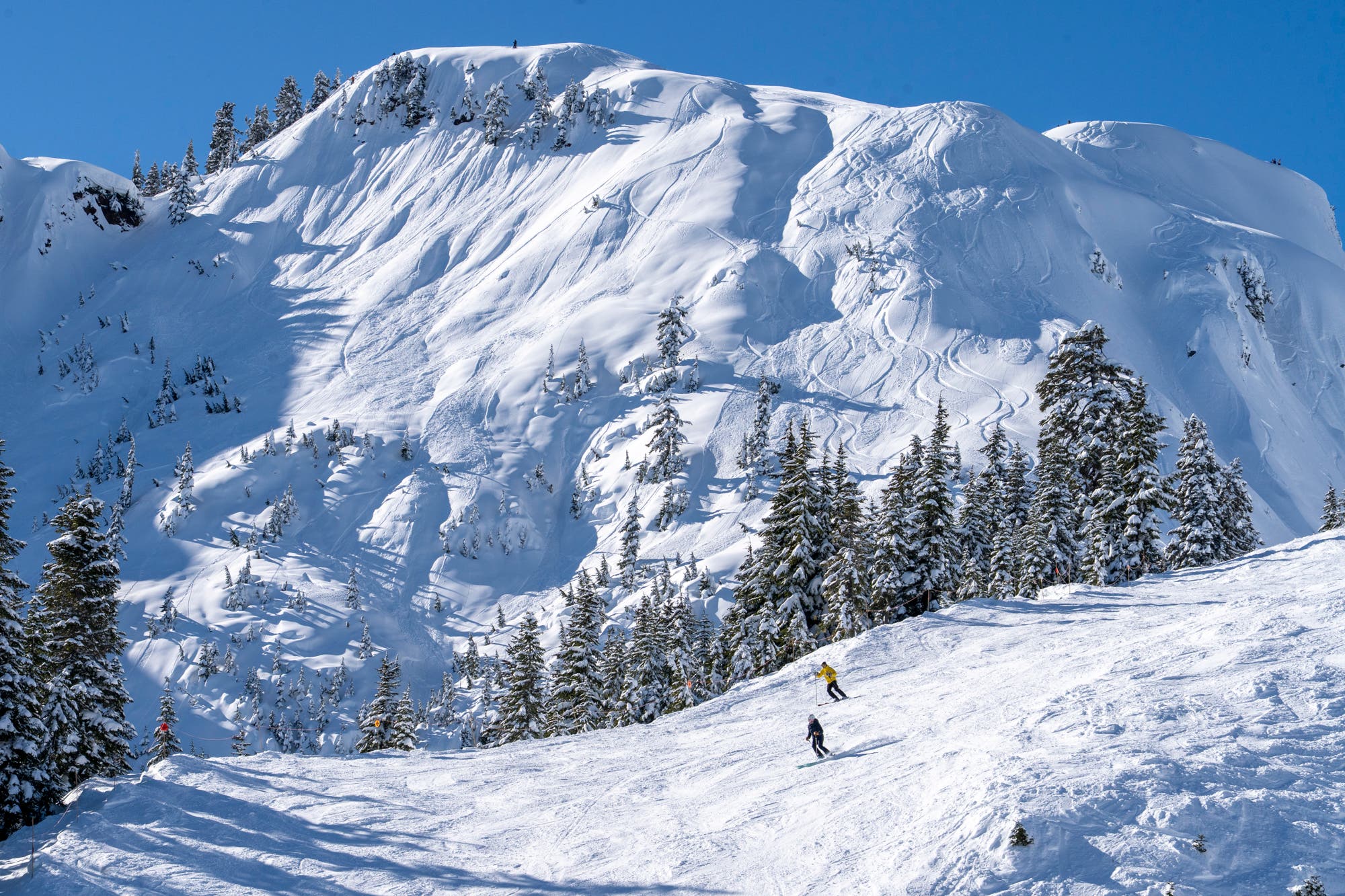
Mount Bohemia, Michigan
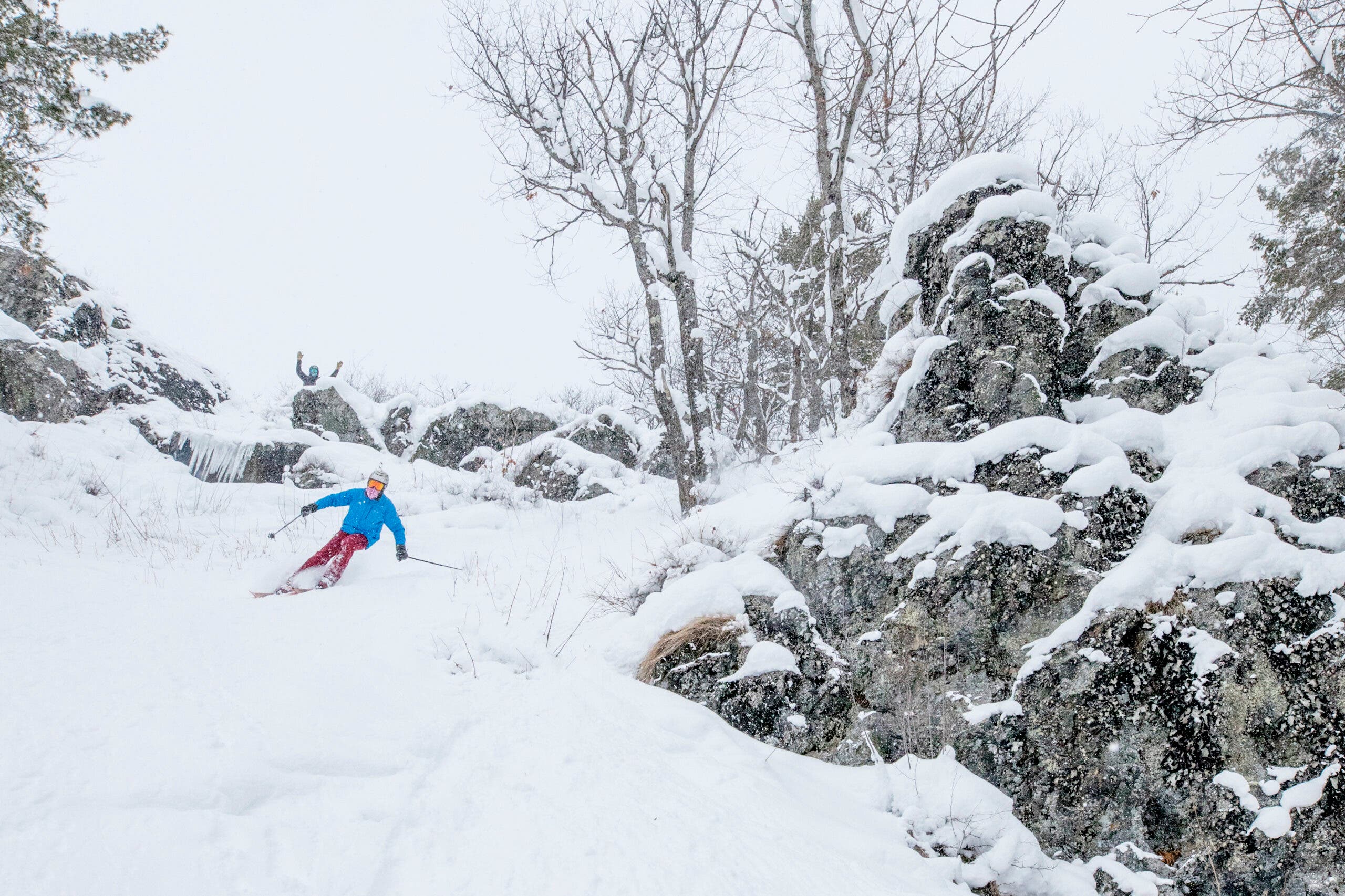
On the rugged Keweenaw Peninsula of Michigan, Mount Bohemia stands as a testament to niche appeal and an uncompromising commitment to natural snow. Though one of the smaller ski areas featured, its reputation is outsized, proudly proclaiming to offer the "deepest powder in the Midwest." Bohemia is distinctive not only for its complete rejection of snowmaking but also for its defiant stance against grooming, offering an untamed, backcountry-like experience within a resort setting.
Bohemia’s existence is entirely predicated on the phenomenon of lake-effect snow. As frigid Arctic air masses sweep across the relatively warmer waters of Lake Superior, they pick up immense amounts of moisture. This moisture then condenses and falls as snow when the air mass encounters the land, often in concentrated bands. While the mountain reports a respectable average of 273 inches of snow annually, its reliance solely on natural snowfall means its operational season can be highly variable. It is not uncommon for Bohemia to experience significant delays in opening, sometimes not commencing operations until January or even February, particularly during years with poor early-season snowfall. This uncertainty, while challenging for planning, has become part of its rugged allure, attracting a dedicated clientele who cherish the raw, ungroomed terrain and the promise of deep, albeit unpredictable, powder days.
The question of snowmaking has, however, periodically surfaced. In January 2021, a detailed snowmaking plan was reportedly released, indicating that Bohemia’s management had seriously considered augmenting its natural snowfall. Yet, after careful deliberation, the decision was made to continue operations with 100 percent natural snow. This choice underscores the resort’s deep commitment to its unique identity and its understanding of the specific market segment it serves – those who prioritize an authentic, challenging, and unadulterated natural snow experience, even if it means a shorter, less predictable season.
Powder Mountain, Utah
Encompassing an immense 5,000 skiable acres, including extensive hike-to and bus-served terrain, Powder Mountain in Utah is one of North America’s largest ski resorts. Despite its vast scale and prominent position in a state that famously boasts "The Greatest Snow on Earth," PowMow operates entirely without snowmaking infrastructure. This commitment to natural snow is not just an operational choice; it’s a core part of its brand identity, intrinsically linked to its marketing and guest experience.
Powder Mountain’s success without snowmaking is attributable to a combination of consistent natural snowfall and a shrewd operational strategy. The resort typically receives a generous average of 360 inches of light, dry Utah powder annually, thanks to its high elevation and favorable position within storm tracks. However, a critical component of its strategy is the deliberate limitation of daily ticket sales. This policy, designed to preserve the quality and quantity of existing snow, ensures that runs remain less tracked out and powder stashes last longer, enhancing the guest experience. By managing skier density, PowMow effectively reduces wear and tear on its snowpack, allowing it to sustain natural conditions for extended periods without resorting to artificial means or complex snow farming techniques.
Nevertheless, the evolving climate narrative and increasing industry pressures appear to be influencing even Powder Mountain’s steadfast philosophy. In a notable statement in 2026, Kevin Mitchell, the resort’s General Manager and Chief Operating Officer, indicated a potential shift in strategy. He remarked that the resort was "looking at expediting some of our projects, particularly a (snowmaking) system that would help us get open earlier." This statement represents a significant inflection point, suggesting that even resorts with abundant natural snowfall are now contemplating snowmaking as a necessary adaptation to secure reliable early-season operations and meet evolving market demands in a warming climate. It highlights the growing challenges faced by all resorts, regardless of their current snow endowment.
Lost Trail Powder Mountain, Montana
Much like Monarch Mountain, Lost Trail Powder Mountain in Montana benefits immensely from its strategic location along the Continental Divide. This geographical advantage ensures that winter storms routinely deliver a consistent average of 300 to 350 inches of light, dry snow each year. This dependable natural snowfall has been the bedrock of this family-owned ski area’s operations for decades, allowing it to proudly function without a single snow gun.
Lost Trail’s success is not solely reliant on its favorable meteorology; it also employs a unique operational model to manage and preserve its snowpack. The resort typically operates only from Thursday through Sunday, effectively creating a built-in "rest period" for the mountain. This three-day closure between operating weeks allows fresh snow ample time to accumulate and settle, while also permitting existing powder to remain untouched by skiers. The result is its signature "Powder Thursdays," a highly anticipated event where loyal skiers arrive to find days-old powder, often completely untracked, offering a truly unique and exhilarating experience. This model not only conserves snow but also fosters a strong sense of community among its dedicated patrons, who appreciate the promise of pristine conditions.
The family-owned nature of Lost Trail Powder Mountain plays a crucial role in its continued adherence to an all-natural model. Decisions are often guided by a blend of tradition, community values, and a deep respect for the natural environment, rather than solely by quarterly financial pressures. This allows the resort to prioritize the quality of the natural snow experience over the quantity of operating days, solidifying its reputation as a haven for powder enthusiasts seeking an authentic, uncrowded mountain experience.
Strategies for Survival: Adaptations and Unique Approaches
The resilience of these natural snow resorts stems from a combination of inherent geographical advantages and deliberate operational strategies. High elevation and favorable positions within storm tracks are undoubtedly crucial, providing the raw material for their operations. However, beyond meteorology, their survival hinges on several key adaptations:
- Snow Farming and Conservation: Resorts like Monarch actively manage their snowpack through fencing, redistribution, and careful grooming practices that prioritize snow retention over surface uniformity. This maximizes the utility of every snowflake.
- Controlled Skier Traffic: Powder Mountain and Lost Trail demonstrate the efficacy of limiting daily visitors or operating days. This reduces wear and tear on the snow, extending its lifespan and preserving powder quality, which in turn enhances the guest experience and justifies premium pricing or unique operating models.
- Embracing Variability: These resorts have cultivated a culture where the uncertainty of natural snow is part of the adventure. They cater to a clientele that values authenticity and challenging conditions, fostering loyalty despite potential delays or shorter seasons.
- Niche Market Appeal: By offering an unadulterated, often ungroomed, natural snow experience, these resorts carve out a distinct niche, differentiating themselves from larger, snowmaking-reliant competitors. This attracts a specific demographic of skiers and riders who seek out unique challenges and pristine powder.
- Strong Community and Values: Many of these resorts are independent and deeply embedded in their local communities. This often translates to a management philosophy that prioritizes tradition, environmental stewardship, and a unique mountain culture over aggressive expansion or technological intervention.
The Future of Natural Snow Resorts: Challenges and Opportunities
The long-term viability of all-natural ski resorts in a warming world presents an ongoing challenge. While some, like Mt. Baker, benefit from exceptional snowfall, even they face increasing vulnerabilities to rain events and fluctuating temperatures. The fact that resorts like Powder Mountain and Monarch are now considering snowmaking, even if only as a future contingency, underscores the mounting pressure from climate change and market expectations.
However, these resorts also represent a valuable alternative in the ski industry. They offer a powerful narrative of sustainability, authenticity, and a direct connection to nature that resonates with a growing segment of environmentally conscious consumers. Their future may lie in:
- Enhanced Snow Science: Investing in better understanding local microclimates and advanced snow conservation techniques.
- Diversification: Exploring year-round activities that reduce reliance on winter snow, such as mountain biking, hiking, or unique cultural events.
- Community Support: Fostering strong local support and advocating for climate action that protects their natural resource base.
- Adaptive Scheduling: Becoming even more flexible with opening and closing dates, perhaps with dynamic pricing models that reward patience and readiness for prime conditions.
In conclusion, as of September 2026, the ski industry stands at a critical juncture. While the technological might of snowmaking continues to expand, ensuring a more predictable product for the majority, the enduring presence of all-natural resorts like Monarch, Mt. Baker, Mount Bohemia, Powder Mountain, and Lost Trail Powder Mountain offers a compelling counter-narrative. They represent a commitment to purity, resilience, and a deep respect for the natural world. Their continued operation, often against significant odds, serves as both a reminder of the preciousness of natural snow and a testament to the innovative spirit required to thrive in an era of unprecedented environmental change. Their story is not just about snow, but about the enduring human desire to connect with nature on its own terms, even as those terms grow increasingly challenging.
