

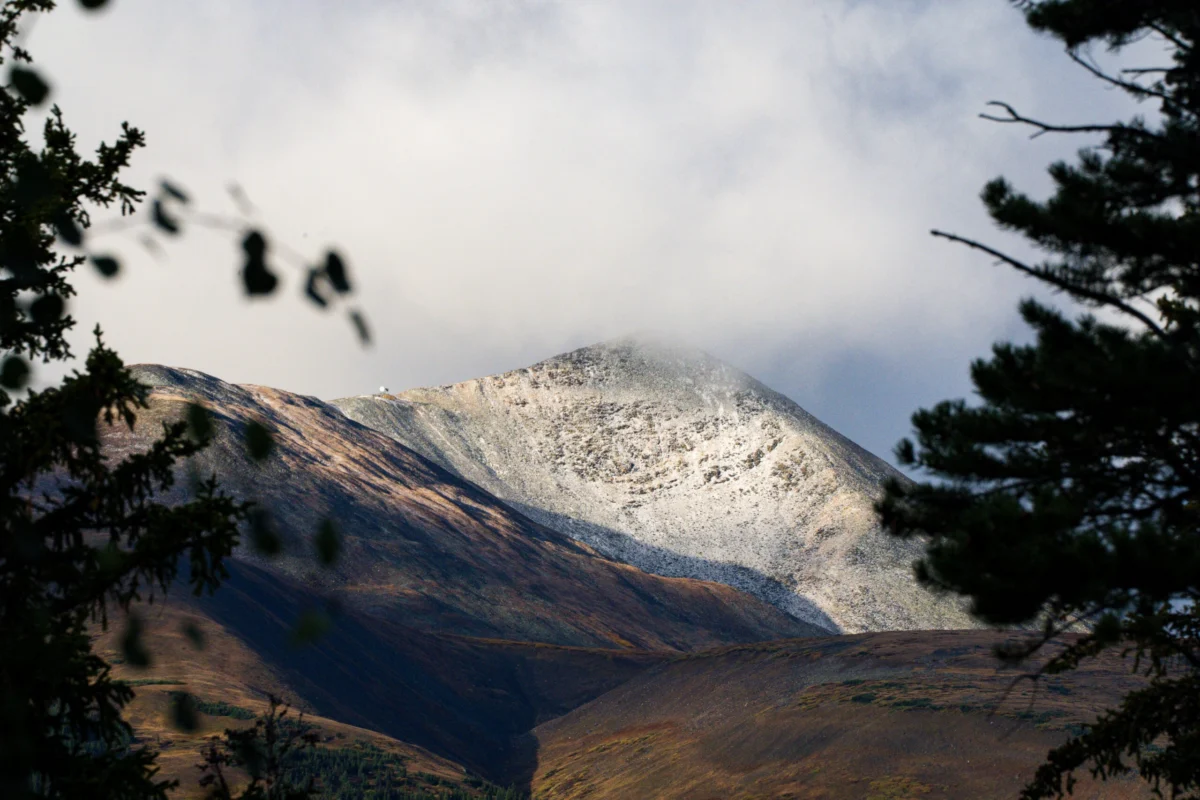
The first whispers of winter are being carried on the wind across Western North America, with a significant forecast of snow poised to blanket ski resorts from the Southwestern United States to the Canadian Rockies. This early-season precipitation offers a beacon of hope for winter sports enthusiasts and resort operators alike, potentially marking the first substantial snowfall for several high-elevation destinations and signaling an optimistic start to the 2026-2027 ski season. While the official opening dates for most resorts remain weeks away, this impending weather event is generating considerable excitement and anticipation within the ski community, especially following a season characterized by less-than-ideal conditions in many regions.
Early Indicators of a Promising Season
The current weather outlook suggests a potent storm system making its way across the western half of the continent. This system is expected to tap into moisture-rich atmospheric rivers, bringing much-needed snow to mountainous terrain. While the quantity of snowfall may vary, the mere prospect of accumulating snow at this juncture is a significant development. The early September snowfalls, often experienced at the highest elevations, are crucial for establishing a base and providing the foundation for a successful ski season.
Arizona Snowbowl, located near Flagstaff, Arizona, is positioned to be one of the first beneficiaries of this winter surge. The resort, renowned for its high elevation and consistently early snow, is directly in the path of the approaching storm. Meteorologists predict that the summit of Arizona Snowbowl could see snowfall beginning within the next few days. This is particularly noteworthy as Arizona Snowbowl often serves as an early indicator of winter’s arrival in the Southwest.
Colorado’s Rockies Primed for Early Snow
The Colorado Rockies are also poised for an intriguing meteorological event, with several popular ski areas anticipating snowfall from the same storm system. Among the resorts showing snow in their forecasts are Breckenridge, Loveland, and Powderhorn. These destinations, spread across different regions of the Colorado mountains, could experience their first significant accumulation of the season. While current projections may not highlight Telluride as a major snow producer from this particular system, the high San Juan Mountains, where Telluride is situated, are always a region to monitor closely as storms traverse the landscape. The San Juans are known for their ability to receive substantial snowfall, and even a moderate event can be significant in late September.
Canadian Rockies Anticipate Winter’s Touch
Western Canada is also shaping up for a promising start to winter. Resorts in the Canadian Rockies are forecast to receive measurable snowfall. Banff Sunshine Village and Nakiska are both expecting flakes to fall in the coming days. Further west, iconic destinations such as Whistler Blackcomb, Kicking Horse Mountain Resort, and Lake Louise are also anticipated to see snow at their higher elevations. The consistent snowfall in these regions is vital for the early-season operations and the overall appeal of these world-class ski areas.
Taos Ski Valley: A Wild Card with Potential
Taos Ski Valley, a beloved resort in New Mexico, presents a unique and potentially exciting scenario. Situated at an elevation of 11,819 feet, the resort is currently forecast to experience a transition from rain to snow showers by midweek, with temperatures expected to plummet into the 30s Fahrenheit. While this forecast does not guarantee substantial accumulation, the combination of high altitude, incoming moisture, and dropping temperatures makes Taos a compelling destination to watch. A shift to snow at this elevation, even if it begins as showers, can quickly lead to accumulation, particularly if the system lingers or intensifies.
The Broader Context: The Importance of Early Snowfall
The early arrival of snow is more than just a meteorological event; it carries significant implications for the ski industry. For resorts, early snowfall allows for the potential to open earlier than scheduled, extending the operational season and generating revenue sooner. This is especially critical following seasons that may have been abbreviated due to a lack of natural snow. The economic impact of a robust ski season extends far beyond the resort itself, benefiting local economies through tourism, hospitality, and retail.
Furthermore, early snow provides invaluable opportunities for resorts to conduct essential early-season snowmaking tests and to begin grooming operations. This ensures that the infrastructure is ready and that the mountain can be safely opened to the public when the time is right. For ski patrol and mountain operations teams, early natural snow allows for crucial avalanche mitigation and assessment, ensuring the safety of all who venture onto the slopes.
Data-Driven Insights: Historical Snowfall Trends and Projections
While specific snowfall totals for this early storm are still subject to refinement by meteorologists, historical data provides context for the significance of any accumulation at this time of year. For instance, many Colorado resorts aim to open by mid-November. However, early season snow in late September and October can significantly influence the quality of the base when operations commence. The average snowfall for many of these high-elevation resorts in October can range from several inches to over a foot, depending on the specific microclimate and storm patterns.
The El Niño-Southern Oscillation (ENSO) cycle also plays a crucial role in forecasting winter conditions in the Western United States and Canada. While specific ENSO predictions for the upcoming winter are complex and subject to ongoing analysis by climate scientists, general trends can offer insights. Typically, a neutral or weak El Niño phase can favor more active storm tracks across the Western United States, potentially leading to increased snowfall in many of the regions currently anticipating this early winter weather. Conversely, a strong La Niña can sometimes shift storm tracks further north. The current conditions suggest a transition period, making the early season snow a welcome, albeit tentative, sign.
Reactions from the Ski Community and Industry
While official statements from resorts regarding specific opening dates are typically made closer to the season, the buzz within the ski community is palpable. Social media platforms and online forums dedicated to skiing are already alight with discussions about the forecast. Ski enthusiasts are sharing weather maps, expressing their eagerness, and planning potential early-season trips.
Resort operators, while maintaining a professional reserve, are undoubtedly monitoring the situation with keen interest. The prospect of early snow can influence marketing efforts and bolster pre-season ticket sales. For many, this forecast represents a positive shift in sentiment after a potentially challenging prior season. The anecdotal evidence from past years suggests that resorts experiencing early natural snowfall often report higher early-season visitor numbers, driven by pent-up demand and the allure of pristine, early-season conditions.
Looking Ahead: The Road to Opening Day
The current snow forecast is a hopeful indicator, but it is essential to remember that ski season opening dates are ultimately determined by a combination of natural snowfall, snowmaking capabilities, and operational readiness. While this early precipitation is a significant positive, it is just the beginning of what the ski season will bring.
For now, the focus remains on the incoming storm and its potential to deliver the first substantial winter embrace to these iconic mountain destinations. The anticipation is building, and for those who live and breathe for the mountain, these early flakes are a powerful symbol of the season to come. The commitment of resorts to providing safe and enjoyable experiences remains paramount, and the early snow will be a welcome partner in achieving that goal. As the weather unfolds, further updates will undoubtedly emerge, painting a clearer picture of the 2026-2027 ski season’s opening chapter. The industry and its patrons are collectively looking towards the skies, hoping for a winter that lives up to the promise of these early whispers of snow.
