

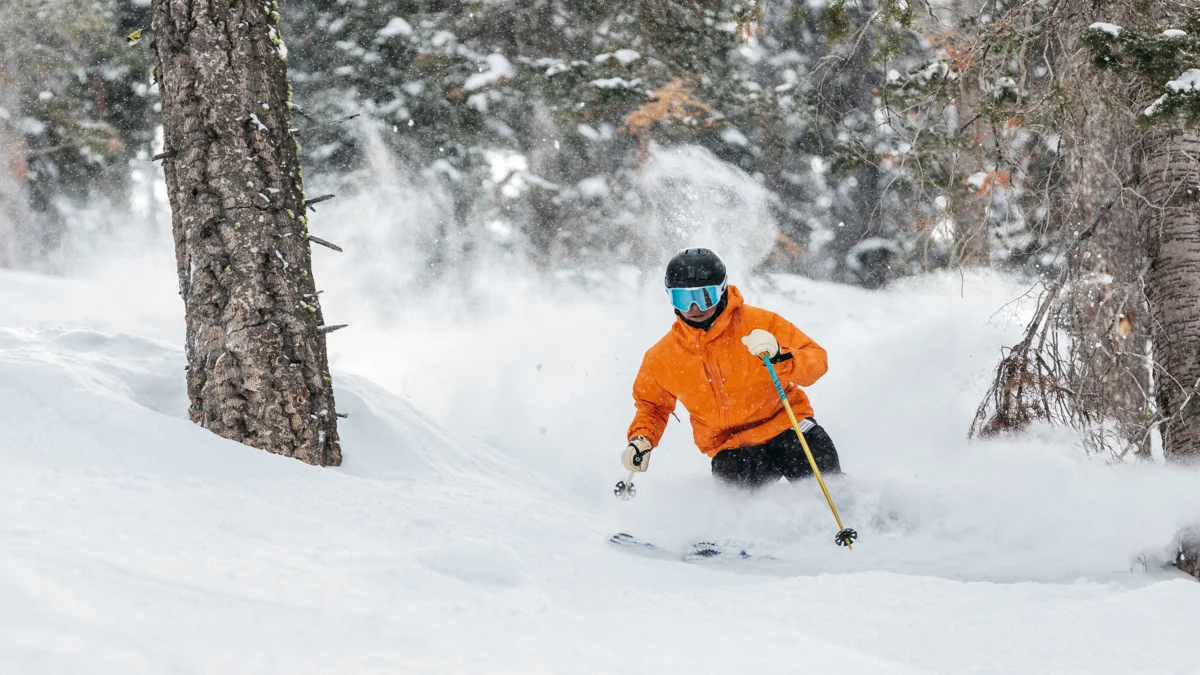
The 2026 Atomic Bent 100 ski, a celebrated quiver specialist designed for Western skiers, continues to redefine the all-mountain experience with its feather-light construction, generous rocker profile, and exceptional performance in soft snow conditions. This article provides an in-depth analysis of the ski’s features, its place within the broader ski market, and the strategic implications of its design and pricing.
A Closer Look at the 2026 Atomic Bent 100
With dimensions measuring 128.5 mm at the tip, 100 mm at the waist, and 119 mm at the tail, the Atomic Bent 100 strikes a balance that prioritizes maneuverability and floatation. Available in lengths ranging from 158 cm to 186 cm, this ski caters to a wide spectrum of skier heights and preferences. The core construction features an all-wood composition, contributing to its lightweight feel and playful nature. This design philosophy is immediately evident in its handling, with testers consistently noting its ease of skiing and ability to adapt to various snow conditions, particularly powder.
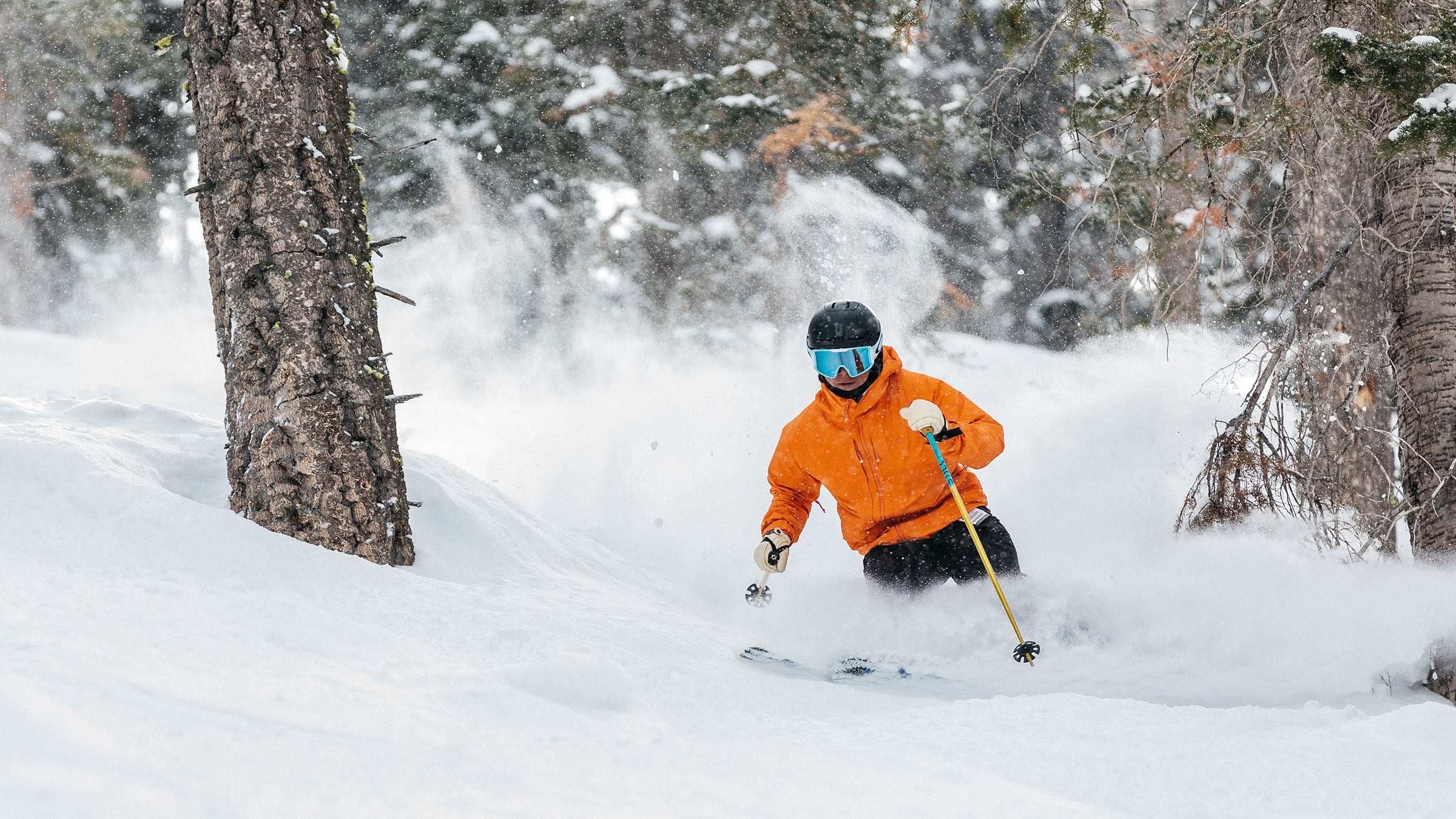
The ski’s profile is characterized by significant rocker in the tip and tail, a design element crucial for its performance in soft snow. This rocker allows the ski to plane effortlessly on top of fresh snowfall, reducing the effort required to initiate turns and maintain speed. The lightweight nature of the tip and tail further enhances this planing ability, ensuring that even less experienced skiers can enjoy the sensation of floating through powder.
Performance Characteristics: Strengths and Limitations
The primary strengths of the 2026 Atomic Bent 100 lie in its agility and playful demeanor. Skiers often describe it as having a "massive sweet spot," meaning it is forgiving and responsive across a broad range of turn shapes and sizes. This versatility allows for both clean carved turns and more playful skidded turns, catering to a skier’s mood and the terrain at hand. The lightweight construction also translates to reduced fatigue, a significant advantage for skiers who spend long days on the mountain.
However, the ski’s design, optimized for soft snow, presents certain limitations. While it excels in powder and softer conditions, its performance on hardpack and in challenging crud (broken, choppy snow) is less robust. The moderate waist width and pronounced rocker, while beneficial for flotation, can lead to less edge hold and stability when encountering icy patches or dense, uneven snow. This characteristic positions the Bent 100 as a specialist ski rather than a one-ski-quiver for all conditions.
Design Philosophy and Artistic Vision
Beyond its technical specifications, the 2026 Atomic Bent 100 carries a distinct artistic signature. The graphics on this model feature original artwork by Atomic pro Chris Bentchetler. This collaboration highlights a growing trend in the ski industry where aesthetic appeal is increasingly integrated with performance. Bentchetler’s artistic contributions not only enhance the visual appeal of the ski but also underscore its identity as a tool for creative expression on the snow. The choice to feature original artwork by a respected athlete reinforces the ski’s positioning as a product that embodies a certain lifestyle and attitude towards skiing.
Market Positioning and Strategic Pricing
The Atomic Bent 100 is strategically positioned in the market as a dedicated soft-snow specialist. This means it is designed to complement, rather than replace, a skier’s existing setup. For Western skiers who frequently encounter powder days, the Bent 100 offers a distinct advantage, providing an enjoyable and accessible experience in their preferred conditions.
A significant factor influencing the ski’s appeal is its pricing. Reports indicate that the 2026 model is available at nearly half its original price. This substantial discount suggests a strategic move by Atomic to either clear inventory of the current model, stimulate demand for a specific market segment, or perhaps to pave the way for future iterations of the Bent series. Such a price point makes the acquisition of a specialist ski, which might otherwise be considered a luxury, a more accessible proposition for a wider range of consumers. This move could potentially broaden the market for specialized equipment, encouraging skiers to invest in skis tailored to their primary skiing style.
Historical Context and Evolution of All-Mountain Skis
The emergence of skis like the Atomic Bent 100 is part of a broader evolution in ski design. Historically, skis were more rigidly categorized by discipline – carving skis for groomed runs, powder skis for deep snow, and so on. The concept of the "all-mountain ski" emerged as a response to the desire for versatility, allowing skiers to transition between different snow conditions and terrain types. However, even within the all-mountain category, there has been a growing trend towards specialization. Skis that were once considered "all-mountain" might now be classified as "frontside" or "freeride" depending on their specific design characteristics.
The Atomic Bent 100 exemplifies this trend of specialized all-mountain skis. It leans heavily into the "freeride" or "powder" aspect of the all-mountain spectrum. This specialization allows manufacturers to fine-tune performance for specific conditions, offering skiers a more refined experience when those conditions are met. The development of technologies like rocker and specialized core materials has been instrumental in enabling this level of specialization within a single ski model.
The Role of Ski Testing and Consumer Feedback
The assessment of skis like the Atomic Bent 100 is often informed by rigorous testing protocols conducted by industry publications and independent reviewers. These tests typically involve experienced skiers evaluating skis across a range of conditions, providing detailed feedback on performance, feel, and overall usability. The consensus from these evaluations, such as the description of the Bent 100 as "light, easy to ski" and "playful," contributes significantly to consumer understanding and purchasing decisions.
Consumer feedback, often gathered through online reviews and forums, further validates or challenges these professional assessments. The consistent positive reception of the Bent 100 for its soft snow capabilities suggests that its design effectively meets the needs of its target audience. The "Pros and Cons" listed—+ Light, easy to ski, + Playful, + Great flotation in soft snow, and – Not the most reliable on hard snow or in crud—accurately summarize the widely held perception of this ski’s strengths and weaknesses, providing a balanced perspective for potential buyers.
Broader Market Implications and Future Trends
The success of the Atomic Bent 100 and similar specialized all-mountain skis has several implications for the broader ski market. Firstly, it suggests a consumer base that is increasingly knowledgeable about ski technology and performance characteristics, willing to invest in equipment tailored to their specific needs. Secondly, it indicates a market that values versatility but also appreciates the nuanced performance gains offered by specialized designs.
The trend towards incorporating artistic elements, as seen with Chris Bentchetler’s graphics, also suggests an avenue for brand differentiation and consumer engagement. Ski manufacturers may increasingly look to collaborate with artists and athletes to create products that resonate on an emotional and aesthetic level, not just a functional one.
Furthermore, the aggressive pricing strategy for the 2026 Bent 100 could signal a shift in how ski models are lifecycle-managed. Manufacturers might employ more dynamic pricing strategies to maximize sales throughout a model’s lifespan, or to respond to market conditions and competitive pressures. This could lead to more opportunities for consumers to acquire high-performance equipment at reduced costs, particularly towards the end of a model year or during specific promotional periods.
Looking ahead, the development of skis will likely continue to focus on optimizing performance for specific snow conditions while maintaining a degree of versatility. Innovations in materials science, construction techniques, and digital design tools will enable manufacturers to create skis that are lighter, stronger, and more responsive than ever before. The Atomic Bent 100, with its blend of accessible performance and distinctive style, stands as a testament to this ongoing evolution in ski design, catering to skiers who seek joy and exhilaration in the ever-changing mountain environment. Its appeal as a "quiver specialist" is likely to endure, offering a compelling option for those who prioritize a playful and forgiving ride when the snow conditions are just right. The accessibility of the 2026 model, due to its substantial price reduction, further solidifies its position as a highly attractive option for skiers looking to enhance their soft-snow experience without a prohibitive investment.
