

Updated September 20, 2026 08:52 AM
The allure of skiing extends far beyond the winter months, captivating enthusiasts with an year-round obsession. This enduring passion, often fueled by the exhilarating sense of freedom, the pursuit of adrenaline, and the vibrant atmosphere of mountain towns, compels a dedicated few to extend their season well into the summer. In the heart of the Colorado Rockies, where lingering snowfields and unexpected late-season storms offer opportunities for "corn snow" skiing, this addiction finds fertile ground. As Colorado began to ease coronavirus restrictions in 2020, a cohort of skiers, having spent months in anticipation, eagerly returned to the slopes. Among them were two East Coast transplants who, embracing the spirit of continued shredding, ventured to St. Mary’s Glacier for a socially distanced summer ski experience.
The Persistent Call of the Mountains
For many, skiing is intrinsically linked to winter’s crisp air and abundant snowfall. The sensation of carving through fresh powder on a February morning or the relaxed ambiance of an après-ski gathering are quintessential winter experiences. However, a subset of skiers, often described as "diehard adrenaline junkies," refuse to let the changing seasons diminish their pursuit. These individuals actively seek out the remaining snow patches, "earning their turns" by hiking and skinning to reach high-elevation snowfields that persist long after the valley floor has thawed. This dedication is particularly rewarded in the Colorado Rockies, a region known for its abundant sunshine and the potential for summer snow events that can refresh these alpine playgrounds.
The year 2020 presented a unique backdrop for this phenomenon. Following a period of significant coronavirus-related restrictions, many outdoor enthusiasts, including skiers, found themselves eager to resume their activities. Having spent considerable time indoors, often revisiting classic ski films like those produced by Warren Miller, these individuals were primed for action. The narrative of this particular summer ski excursion begins with two such individuals, transplants from the East Coast, who decided to capitalize on the lingering snow at St. Mary’s Glacier, a popular destination for summer backcountry enthusiasts.
Journey to St. Mary’s Glacier: A Summer Pilgrimage
The expedition commenced in Boulder, Colorado, with the iconic Flatirons bathed in the warmth of an 80-degree Fahrenheit sun. The drive westward along Route 6 offered scenic views, with climbers scaling sheer rock faces above and the cool waters of Clear Creek flowing below. Approximately an hour and fifteen minutes into the journey, the destination’s popularity became evident. The parking lot at St. Mary’s Glacier was teeming with vehicles, and an overflow of cars lined the "No Parking" zones along the roadside. A diverse crowd, ranging from hikers in athletic wear to families with young children, surged towards the mountain through sparsely wooded terrain.
The approach to the glacier itself was met with a refreshing breeze emanating from the proglacial lake. This vividly turquoise body of water, shimmering under the afternoon sun, was a hub of activity. Families picnicked, skiers relaxed, dogs played, and individuals reclined in hammocks, all drawn to the unique environment where summer recreation met lingering winter conditions.
The Ascent and the Sweetness of Summer Turns
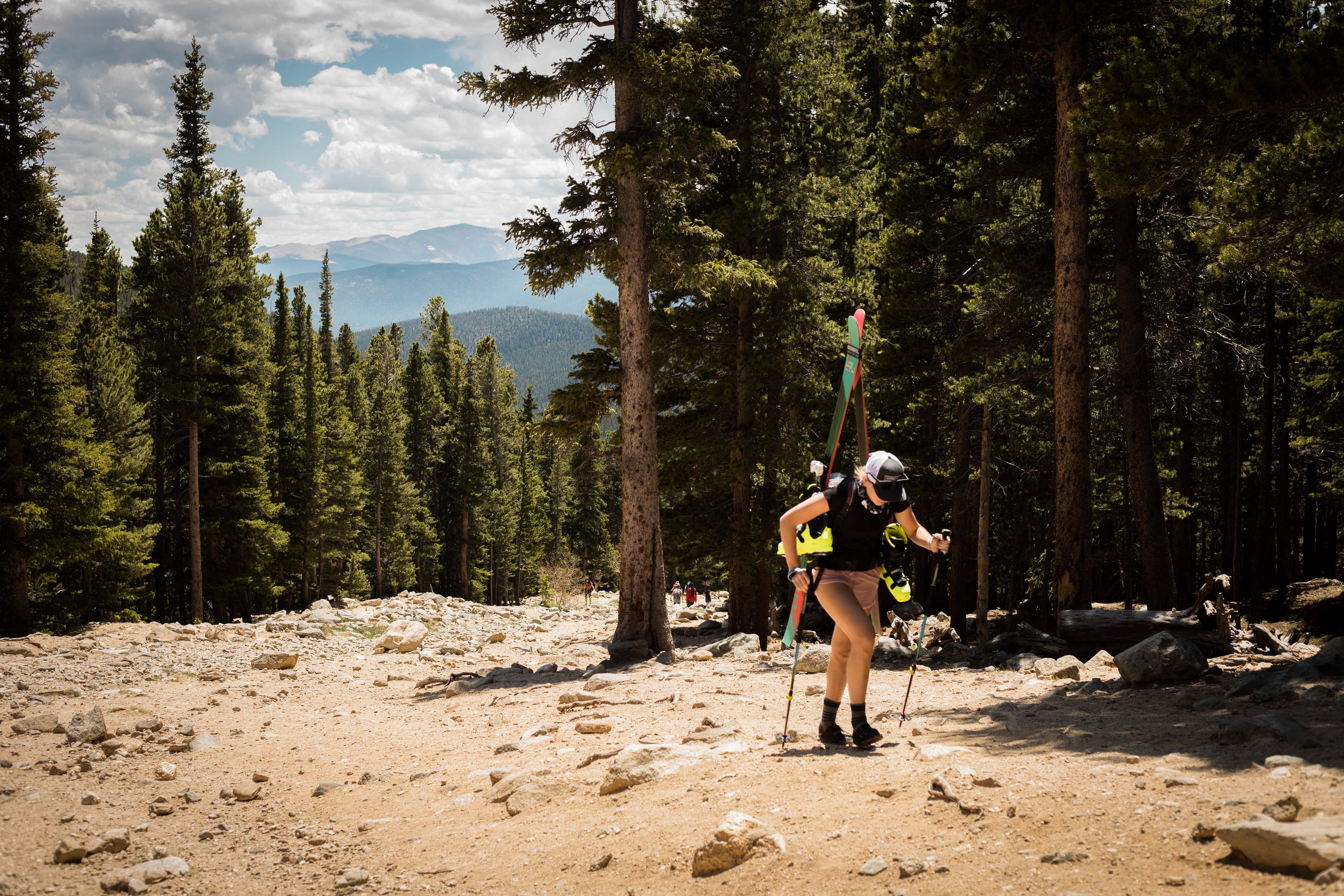
The temperature at the snowpack’s surface was sufficiently cool to necessitate some form of clothing for sun protection, despite the ambient summer warmth. The physical exertion of hiking uphill in heavy ski boots was undeniable, leading to a noticeable sweat. However, the panoramic vista from the summit, overlooking the expansive run below, served as a powerful distraction from the arduous climb.
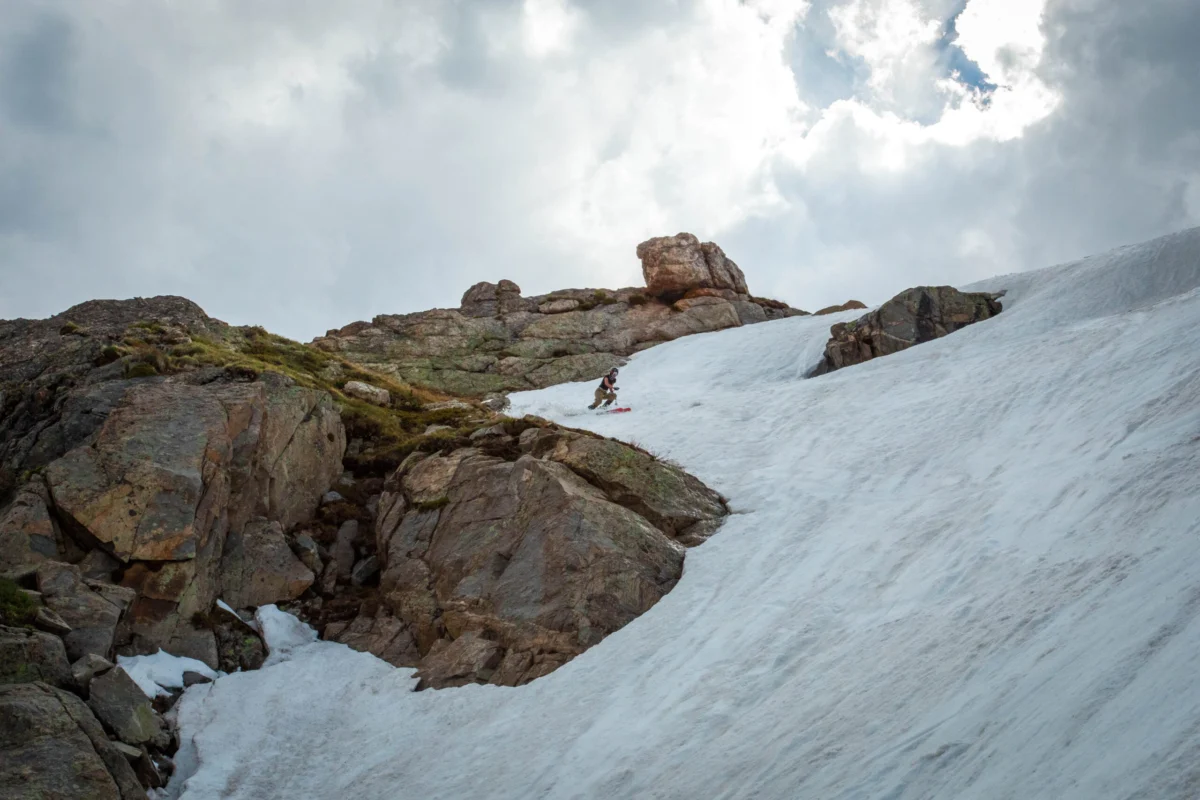
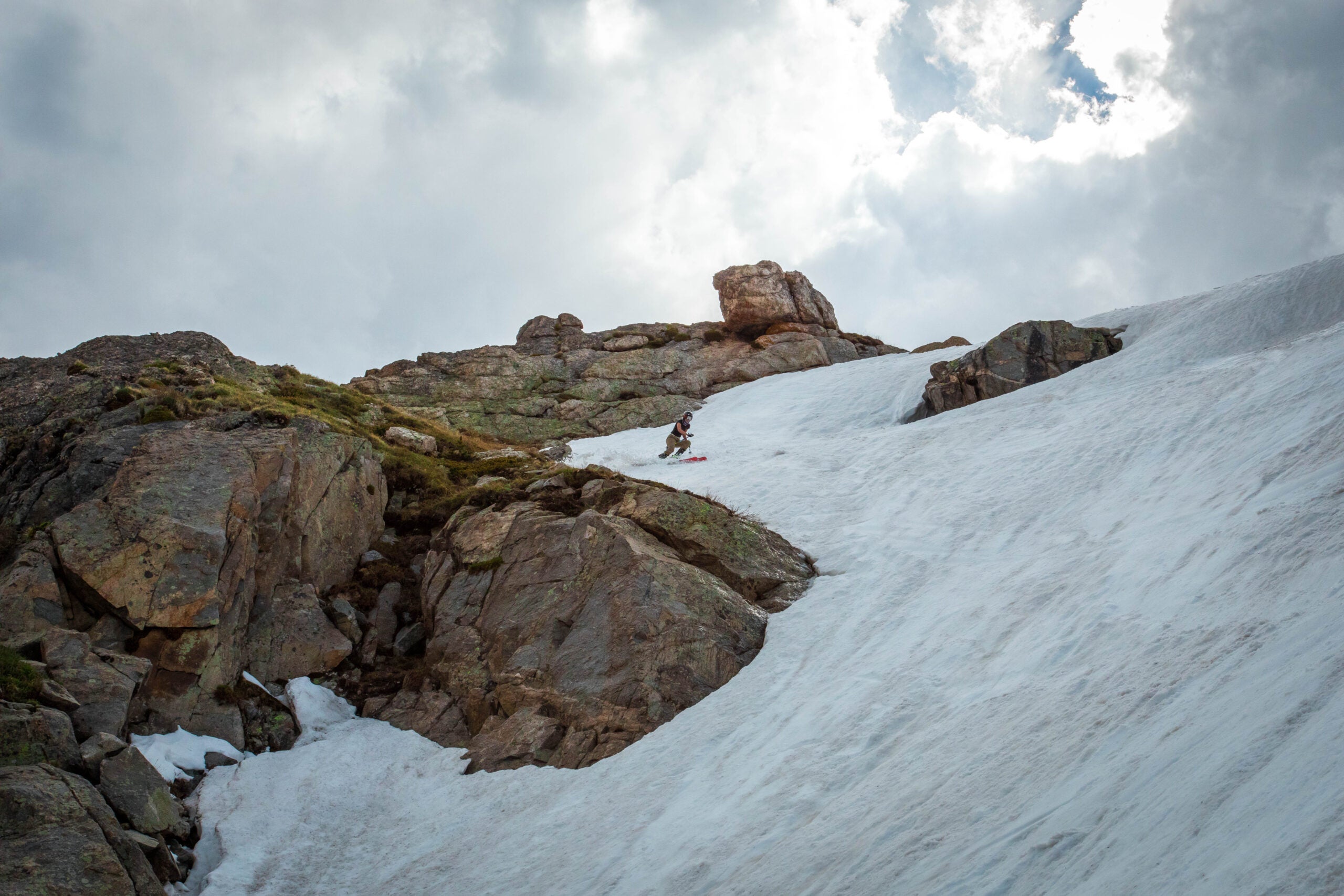
The initial turns on the snow in June were described as particularly rewarding, amplified by the abrupt conclusion of the traditional ski season. Even though the snow was softened by the sun and exhibited a wet consistency, it allowed for clean edge engagement and an exhilarating descent. The early stages of the run involved a period of adjustment, with awkward pole plants and hop turns as the skiers reacquainted themselves with the unique snow conditions. However, as the afternoon progressed and the sun began its descent, the quality of the snow improved, leading to the most enjoyable runs of the day.
A particularly enticing feature was a shaded chute near the summit that had been largely spared from the sun’s direct glare during the latter part of the day. The final ascent to this chute involved a deliberate and steady pace, with the skiers opting to leave their packs behind and carry their skis on their shoulders, a testament to their commitment to reaching the prime snow.
Camaraderie and the Enduring Spirit of Skiing
As the skiers neared the summit, their legs fatigued by the cumulative elevation gain exceeding 10,000 feet, they encountered a fellow skier, Dillon Priolet, also an East Coast transplant. Priolet, originally from Darien, Connecticut, shared that this marked his 100th day on snow for the season, underscoring the dedication of this particular community. After a brief exchange of ski stories, the descent began.
The snow in the latter part of the run was firmer, facilitating longer, more sweeping turns. The chill of a mountain breeze on their bare arms served as a tangible reminder of the summer season, even amidst the skiing. As they navigated the lower sections of the snowfield, the edges of the snowpack revealed glimpses of exposed brown rocks and dirt, signaling the inevitable retreat of the winter snow.
The final approach to the lake saw the skiers skidding to a halt, as the assembled crowd at the base of the glacier erupted in cheers. This communal celebration highlighted the universal appeal of such adventurous pursuits, demonstrating that the spirit of skiing and the joy of outdoor recreation can captivate individuals beyond the core skiing demographic. The scene at St. Mary’s Glacier underscored the enduring vitality of the skiing community in Colorado, even during the late summer months.
Safety and Responsibility in Summer Backcountry Skiing
The article also touches upon a crucial aspect of backcountry skiing, particularly during the summer months: safety. It acknowledges that less experienced skiers may underestimate the risks associated with venturing into the backcountry as temperatures rise and snow conditions change. The softened snow and warmer weather can sometimes lead to a relaxation of safety protocols that are diligently followed during the winter.
The authors emphasize that the shared passion for skiing fosters a sense of unity and excitement, but it also carries a collective responsibility to ensure the well-being of oneself and others. This responsibility extends to minimizing any additional burden on medical workers and first responders. The advice provided is clear: skiers should remain well within the limits of their abilities. The adage, "if you don’t know, don’t go," serves as a stark reminder of the importance of caution and preparedness. By prioritizing safety, skiers can help protect healthcare professionals and ensure they have the opportunity to "live to ski another day." This message resonates particularly in contexts where access to emergency services might be more challenging.
Data and Context
- St. Mary’s Glacier Elevation: The glacier is situated at an elevation of approximately 10,500 feet (3,200 meters) above sea level. This high altitude contributes to its ability to retain snow later into the summer.
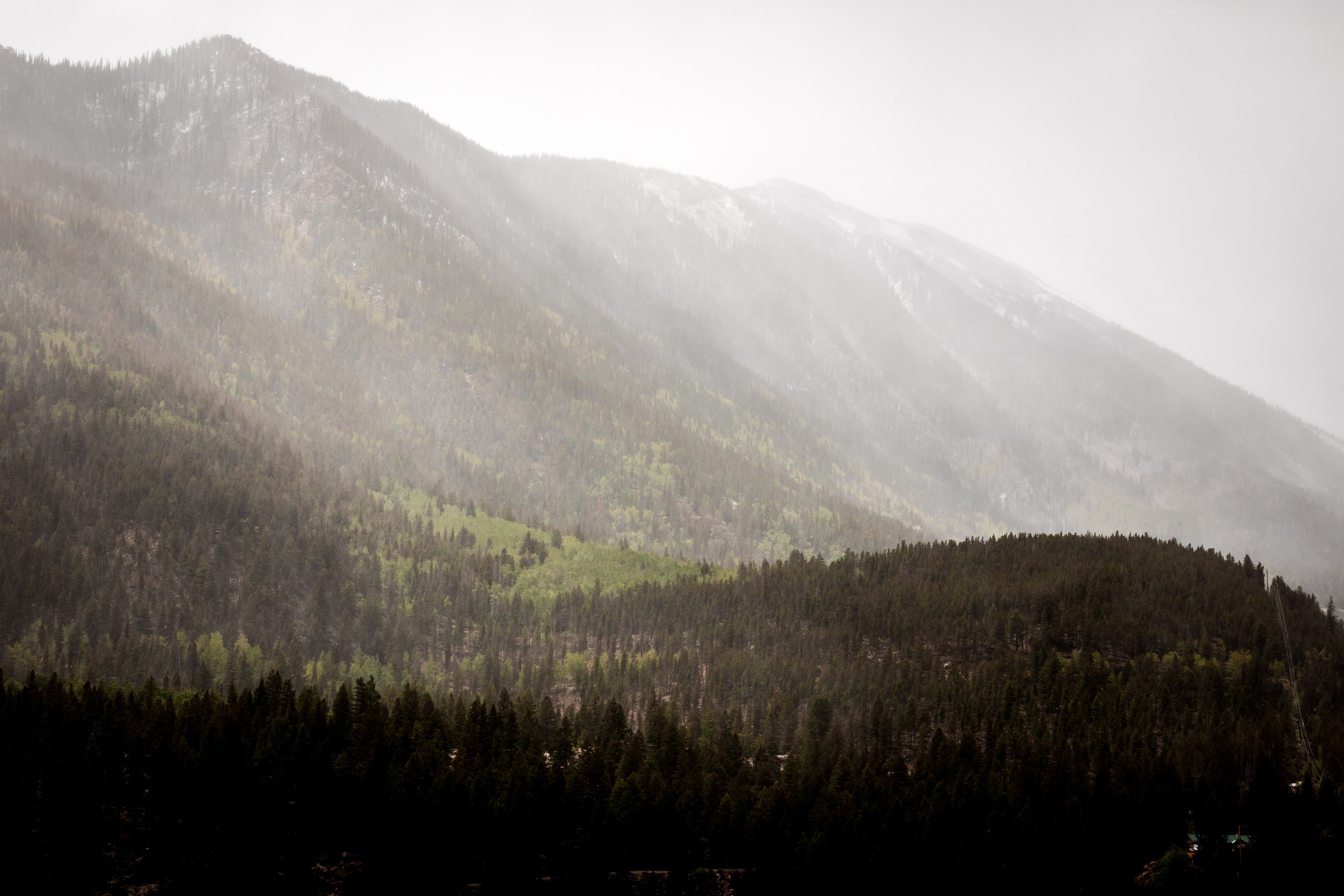
- Summer Snowfall Events: While not a daily occurrence, Colorado does experience summer snow events, particularly at higher elevations. These can be attributed to cold fronts moving through the region. For instance, on June 9, 2020, a cold front brought over a foot of snow to higher peaks in the Rockies, as depicted in the accompanying photograph.
- COVID-19 Impact: The easing of coronavirus restrictions in Colorado in 2020 played a role in the increased activity observed at outdoor recreational areas like St. Mary’s Glacier. This period saw a surge in demand for outdoor activities as public health measures were gradually relaxed.
- Backcountry Skiing Growth: The popularity of backcountry skiing has seen a significant increase in recent years, driven by a desire for fresh snow, solitude, and a more intimate connection with the mountain environment. This trend also implies a greater need for education on avalanche safety and general backcountry preparedness, even for summer pursuits.
Analysis of Implications
The persistent appeal of summer skiing in Colorado highlights several key trends:
- The Obsessive Nature of Ski Culture: The article underscores the deep-seated passion that defines ski culture. For some, the sport is not merely a seasonal activity but a lifestyle, driving them to seek out opportunities regardless of typical conditions.
- The Role of Climate and Geography: Colorado’s high-altitude environment and its susceptibility to unpredictable weather patterns create unique microclimates that can sustain snow well into the summer. This geographical advantage makes it a prime destination for such niche activities.
- The Resilience of Outdoor Recreation: The scene at St. Mary’s Glacier in 2020, amidst ongoing public health concerns, demonstrates the inherent human drive for outdoor recreation and the search for activities that offer both physical challenge and mental respite.
- The Importance of Responsible Stewardship: The concluding message regarding safety and responsibility is paramount. As more people engage in backcountry activities, particularly those that push the boundaries of traditional seasons, education and adherence to safety guidelines become increasingly critical to prevent accidents and minimize strain on emergency services. The "spirit of skiing" must be tempered with a pragmatic approach to risk management.
