

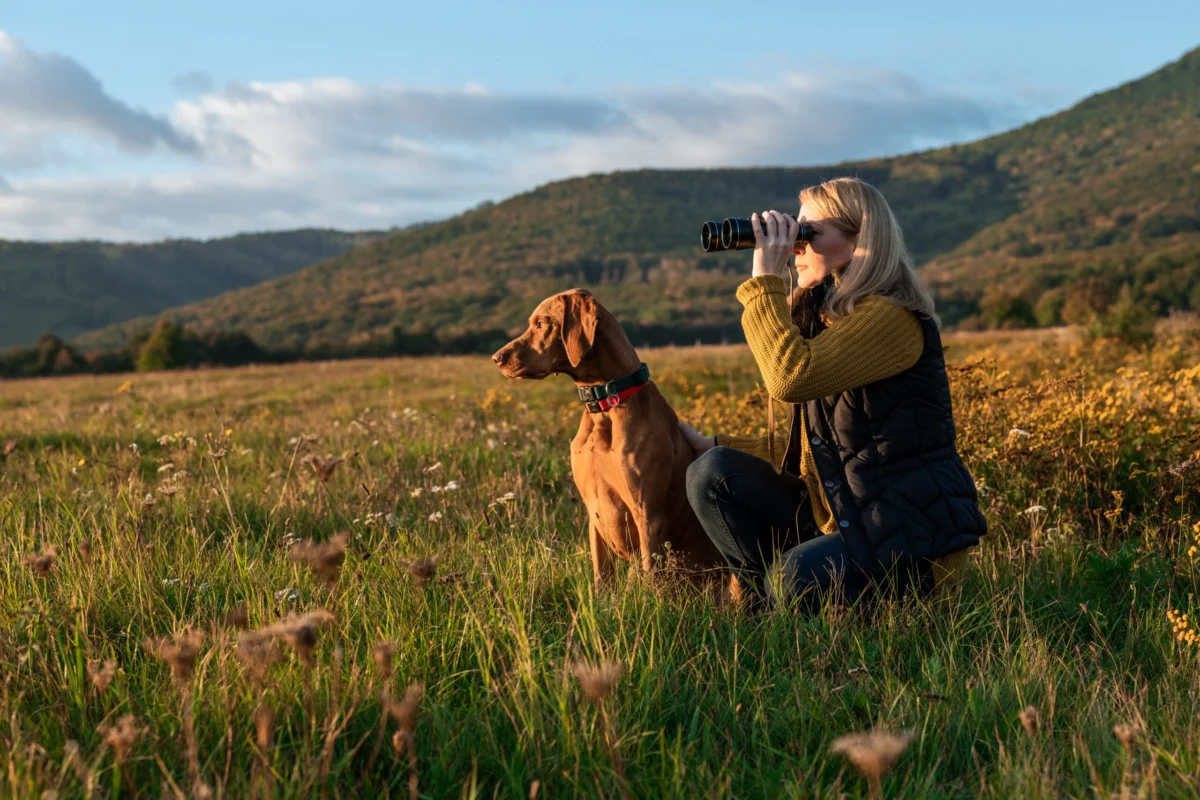
The report serves as a strategic roadmap for brands and retailers, identifying a surging base of new birdwatchers who are joining a more established, affluent wildlife-viewing audience. This demographic shift is creating a unique market intersection where high-end technology meets traditional outdoor gear. As the industry looks toward 2026, the data suggests that birdwatching is no longer a peripheral hobby but a primary driver of long-term growth for the outdoor market, necessitating a reevaluation of marketing strategies and inventory planning across the board.
The Evolution of Nature-Based Observation
The rise of birdwatching and wildlife viewing as dominant forces in the outdoor market is the result of a multi-year trend that accelerated during the early 2020s. For decades, the outdoor industry was primarily defined by "active" pursuits such as rock climbing, mountain biking, and backcountry skiing. However, recent participation data indicates a broadening definition of "outdoor enthusiast." The 2026 report underscores that observational activities offer a lower barrier to entry while providing the same mental health and wellness benefits that drive modern consumer interest in nature.
This evolution is characterized by a "multi-modal" approach to the outdoors. The modern wildlife viewer is rarely just a viewer; they are often hikers who carry high-end binoculars or campers who plan their trips around migration patterns. This crossover effect has expanded the total addressable market for brands that previously focused on high-intensity performance. Retailers are now seeing a demand for "quiet performance" gear—products that offer the technical benefits of traditional outdoor equipment, such as waterproofing and breathability, but are tailored for the slower, more methodical pace of wildlife observation.
A Chronology of the Wildlife Viewing Surge
To understand the current market dominance of birding, it is essential to trace the timeline of its growth over the past decade.
- 2011–2016: The Foundation of Digital Birding. The introduction and widespread adoption of digital tools, such as the eBird platform and the Merlin Bird ID app developed by the Cornell Lab of Ornithology, began to democratize birdwatching. These tools lowered the expertise required to identify species, making the hobby more accessible to younger and more tech-savvy audiences.
- 2017–2019: Steady Market Growth. Participation rates began to climb as wildlife photography gained popularity on social media platforms like Instagram. High-end camera sales and specialized optics started to see a lift from non-traditional hunters and researchers.
- 2020–2022: The Pandemic Catalyst. During the global lockdowns, birdwatching saw an unprecedented spike in participation. With travel restricted and indoor gyms closed, millions of individuals turned to local parks and their own backyards. Sales of bird seed, feeders, and entry-level binoculars reached record highs.
- 2023–2025: Consolidation and Professionalization. The casual "backyard birders" of the pandemic era evolved into dedicated enthusiasts. This period saw a shift from purchasing entry-level equipment to investing in premium optics and travel-ready outdoor gear.
- 2026 and Beyond: The current OIA report identifies this as the "Era of Integration," where wildlife viewing is a core component of the outdoor lifestyle, influencing everything from vehicle design to conservation policy.
Supporting Data and Economic Impact
The economic weight of birdwatching and wildlife viewing is supported by robust data from both the OIA and the U.S. Fish and Wildlife Service. According to historical trends and the latest 2026 projections, wildlife viewing contributes significantly more to the national economy than many traditional sports.
Participation metrics show that birdwatching now attracts a demographic that is significantly more affluent than the average outdoor consumer. Approximately 40% of dedicated birdwatchers report an annual household income exceeding $100,000. This high level of disposable income translates directly into higher margins for retailers selling premium optics, where individual binocular or spotting scope units can retail for between $500 and $3,000.
Furthermore, the "ripple effect" of birdwatching spending is substantial. Enthusiasts are not only buying gear; they are driving the travel and hospitality sectors. The report indicates that wildlife viewers are more likely to stay in paid accommodations and eat at local restaurants during their outings compared to day-hikers. In the United States alone, birding-related travel and equipment expenditures are estimated to exceed $40 billion annually, a figure that continues to grow as international "aviture" (avian tourism) rebounds.
Demographics: Reaching the New Birdwatcher
One of the most critical insights from the 2026 report is the diversification of the birdwatching audience. While the "older and affluent" segment remains the backbone of the market, there is a rapidly growing segment of younger, urban-dwelling enthusiasts.
- The Established Enthusiast: Typically aged 55 and older, this group has the time and resources for extensive travel and high-end equipment. They are brand-loyal and prioritize optical clarity and durability.
- The Emerging Urban Birder: Often in the 25–40 age bracket, these individuals view birdwatching as an extension of their interest in sustainability and mindfulness. They are more likely to shop at multi-purpose retailers like REI and are heavily influenced by digital community engagement.
- The Cross-Over Participant: This group includes hunters and anglers who have transitioned into or added wildlife viewing to their repertoire. They value rugged, camouflage or earth-toned apparel and gear that can withstand harsh environments.
Industry Responses and Market Strategy
Industry leaders are already responding to the data presented in the OIA report. Executives from major optics manufacturers have noted a shift in their research and development priorities. "We are seeing a demand for lighter, more ergonomic designs that don’t sacrifice the light-gathering capabilities required for dawn and dusk viewing," stated a senior product manager at a leading European optics firm. "The 2026 report confirms what we’ve suspected: the consumer is becoming more sophisticated and expects professional-grade technology in a consumer-friendly package."
Retailers are also adjusting their floor plans. Large-scale outdoor retailers are dedicating more square footage to "Observation Centers," which combine binoculars, field guides, and specialized apparel. This move is designed to capture the "all-in-one" shopper who wants to prepare for a wildlife-focused expedition in a single location.
Marketing strategies are also pivoting. Instead of focusing solely on the "conquest" of nature—such as reaching a summit or catching a trophy fish—brands are now highlighting the "connection" to nature. Advertisements are increasingly featuring quiet moments of observation, emphasizing the therapeutic and educational aspects of the outdoor experience.
Technical Requirements and Gear Trends
The 2026 report highlights several key product categories that are poised for significant growth:
- Premium Optics: Demand for Extra-low Dispersion (ED) glass and specialized coatings is at an all-time high. Consumers are looking for gear that performs in the "golden hours" of early morning and late evening when wildlife is most active.
- Apparel with "Silent" Fabrics: Traditional hardshell jackets are often too noisy for wildlife viewing. The industry is seeing a rise in "soft-touch" technical fabrics that provide weather protection without the crinkling sound of standard nylon.
- Photography Integration: The line between birdwatcher and wildlife photographer is blurring. Equipment that allows for "digiscoping"—attaching a smartphone to a spotting scope—is a major growth area for accessory manufacturers.
- Sustainable Footwear: Because wildlife viewing often involves long periods of standing or slow walking on uneven terrain, there is a heightened demand for footwear that offers maximum cushioning and support, using recycled or bio-based materials to appeal to the environmentally conscious consumer.
Broader Impact and Implications for Conservation
The growth of birdwatching has implications that extend far beyond retail sales. It is a powerful engine for conservation. Birdwatchers are statistically more likely to support land trusts, advocate for the protection of wetlands, and contribute to citizen science projects. This creates a virtuous cycle: more birds and healthy habitats lead to more birdwatching opportunities, which in turn fuels the outdoor economy.
Furthermore, the OIA report suggests that the rise of wildlife viewing is helping to diversify the political and social base of the outdoor industry. As more people from varied backgrounds engage with wildlife, the collective voice advocating for public land access and climate change mitigation becomes stronger. For the outdoor industry, this means that investing in the birdwatching market is not just a commercial strategy, but a long-term investment in the preservation of the natural resources that the entire industry depends upon.
Strategic Planning for 2026 and Beyond
As the outdoor market continues to recalibrate in the wake of shifting consumer interests, the 2026 Birdwatching and Wildlife Viewing Report provides a clear mandate for action. Brands that fail to acknowledge the importance of the observational market risk missing out on one of the most stable and high-value consumer segments in the industry.
To capitalize on this trend, industry stakeholders are encouraged to:
- Expand Product Lines: Develop gear specifically tailored for the needs of wildlife viewers, focusing on ergonomics, silence, and optical precision.
- Leverage Technology: Integrate digital identification and logging tools into the retail experience.
- Foster Community: Support local birding festivals and conservation initiatives to build brand loyalty among enthusiasts.
- Inclusive Marketing: Ensure that marketing materials reflect the diverse age, ethnic, and geographic reality of the modern birdwatching community.
The findings of the Outdoor Industry Association indicate that the "birding boom" is not a temporary fad but a structural shift in the outdoor economy. By understanding the motivations and behaviors of this growing force, businesses can plan smarter, ensuring long-term growth in a market that increasingly values the quiet, profound experience of watching the world’s wildlife. The report, available in full to OIA members, stands as a testament to the enduring power of nature-based observation as a cornerstone of the American outdoor experience.
