

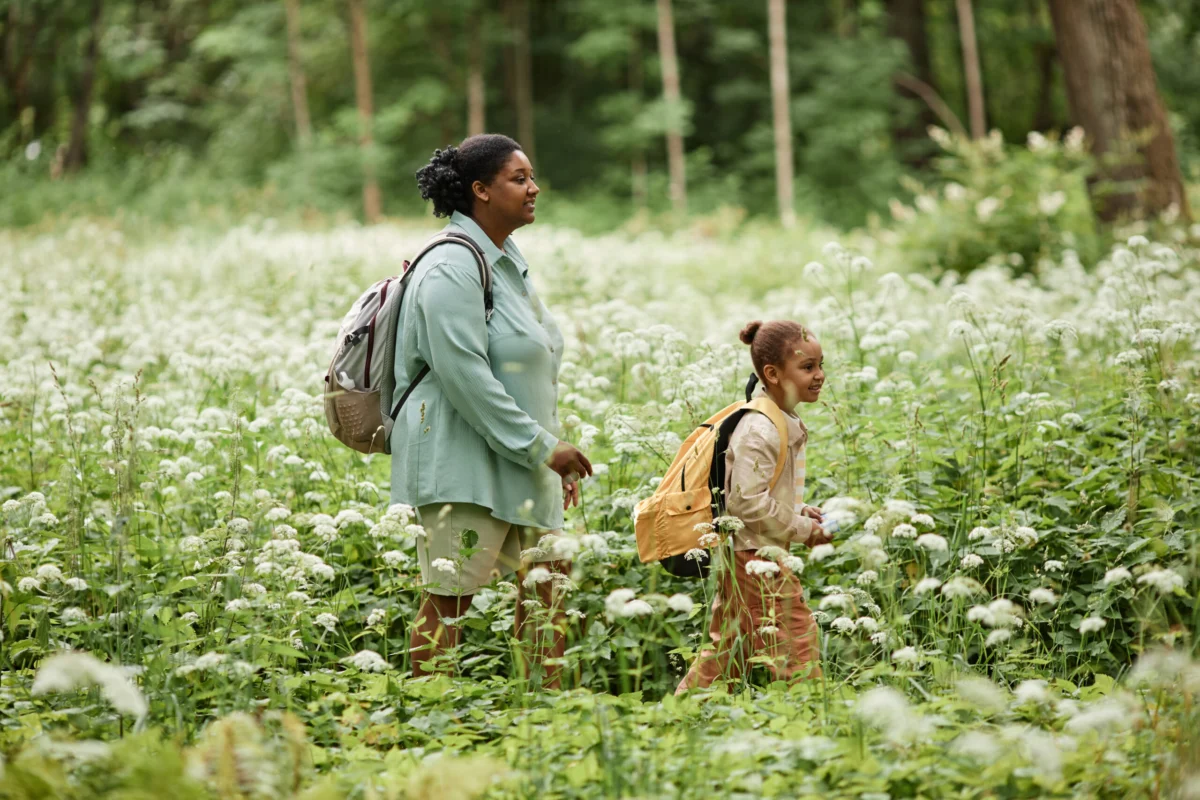
The American landscape of outdoor recreation has reached a historic turning point as hiking officially secures its position as the nation’s most popular outdoor activity, characterized by a period of unprecedented growth that shows no signs of plateauing. According to the Outdoor Industry Association’s (OIA) 2026 Hiking Report, a record-breaking 63.4 million Americans participated in hiking throughout 2024, representing approximately 20.5% of the total population aged six and older. This milestone is the culmination of a decade-long upward trajectory that has seen the hiking community nearly double in size since 2012. Perhaps more significant than the sheer volume of participants is the increasing intensity of engagement; the data reveals that as the base of hikers expands, the frequency with which they hit the trails is rising in tandem—a rare statistical phenomenon in the outdoor recreation sector.
The Statistical Surge: A Dual-Track Growth Model
Traditionally, when an outdoor activity sees a massive influx of new participants, the average frequency of participation tends to drop as "casual" users dilute the statistics of "core" enthusiasts. Hiking, however, is currently defying this trend. The OIA report highlights a significant internal shift: the segment of "core" hikers—defined as individuals who venture onto the trails 13 or more times per year—is growing at a faster rate than the general hiking population.
There are now 16.7 million core hikers in the United States. This dedicated segment has maintained a five-year average annual growth rate of 7.6%, comfortably outpacing the 5.2% growth rate of the overall hiking population. This suggests that hiking is not merely a passing interest for the 13 million new participants who joined the ranks since 2019, but rather a habit-forming lifestyle choice. The 63.4 million figure recorded in 2024 underscores a 20.5% penetration rate into the American public, meaning one in five Americans now identifies as a hiker.
A Chronological Evolution: From Niche to National Pastime
The journey to the current 2024-2025 peaks began over a decade ago. In 2012, hiking was a robust but comparatively smaller segment of the outdoor industry. Over the following years, a combination of social media influence, a growing cultural emphasis on wellness, and increased accessibility to trail information via mobile applications began to fuel a steady rise.
The most dramatic shift occurred between 2019 and 2024. The onset of the COVID-19 pandemic in 2020 acted as a massive catalyst for the industry. With indoor gyms, theaters, and travel hubs shuttered, Americans turned to local trails as a safe means of exercise and mental escape. During this window, more than 13 million new participants entered the fold. While industry analysts initially feared a "post-pandemic slump" as traditional entertainment options returned, the 2026 report confirms the opposite. Instead of retreating indoors, the cohort that discovered hiking during the lockdowns has largely transitioned into the "core" category, driving the current 7.6% growth rate in high-frequency participation.
The Gateway Effect: Hiking as an Economic Engine
The OIA findings emphasize that hiking serves as the primary "gateway" into the broader outdoor economy. Data indicates that over 90% of hikers also participate in at least one other outdoor activity, such as camping, kayaking, trail running, or birdwatching. This makes the hiking demographic the most influential consumer base for outdoor retailers and gear manufacturers.
When an individual takes up hiking, they often initiate a multi-year spending cycle that begins with basic footwear and progresses toward high-end technical apparel, navigation equipment, and eventually, gear for more specialized activities like backpacking or climbing. This "gateway effect" is a major contributor to the outdoor recreation economy, which the U.S. Bureau of Economic Analysis (BEA) recently valued at over $1 trillion in total economic output. By serving as the entry point for one-fifth of the American population, hiking sustains a vast ecosystem of jobs in manufacturing, retail, and regional tourism.
Demographic Shifts and Untapped Opportunities
While the numbers are record-breaking, the 2026 report identifies significant disparities in participation that represent both a challenge and an opportunity for the industry. The growth has been particularly strong among middle-aged adults, a demographic with high discretionary income that is increasingly prioritizing longevity and low-impact cardiovascular health.
However, the report also sheds light on "untapped growth" among communities of color. Despite the overall surge in participation, Black, Indigenous, and People of Color (BIPOC) continue to face systemic barriers to entry. These include lack of proximity to maintained trailheads, safety concerns, and a historical lack of representation in outdoor marketing. Industry leaders are increasingly focusing on "Outdoor Equity" initiatives, recognizing that for the hiking boom to be sustainable, the trail must be perceived as a safe and welcoming space for all Americans.
Addressing these barriers is not only a social imperative but an economic one; as the U.S. demographic landscape shifts, the long-term health of the outdoor industry depends on its ability to engage a diverse range of participants.
Institutional and Industrial Responses
The response from both the public and private sectors has been one of cautious optimism coupled with a call for increased infrastructure investment. Leaders within the Outdoor Industry Association have noted that the sheer volume of 63.4 million hikers puts immense pressure on public lands.
"The data is clear: Americans are choosing the outdoors in numbers we have never seen before," an industry analyst noted in response to the findings. "The challenge now shifts from recruitment to retention and stewardship. We have the participants; now we must ensure we have the infrastructure—parking, trail maintenance, and conservation funding—to support them without degrading the very environments they are coming to enjoy."
Governmental agencies, including the National Park Service (NPS) and the Bureau of Land Management (BLM), have begun utilizing data from reports like the OIA’s to justify budget increases for trail restoration. The Great American Outdoors Act, passed in 2020, has been a critical tool in addressing the maintenance backlog, but the continued 5.2% annual growth in participation suggests that infrastructure needs will continue to outpace current funding levels.
In the private sector, retailers are pivoting their strategies to cater to the "core" hiker. There is a noticeable shift toward "sustainable and repairable" gear, as high-frequency hikers (those out 13+ times a year) demand products that can withstand heavy use. Additionally, the rise of the "middle-aged" hiker has led to an increase in the development of ergonomic gear, such as advanced trekking poles and joint-supportive footwear.
Analysis of Implications: The Future of the Trail
The fact that hiking participation and frequency are rising simultaneously carries several long-term implications for American society and the economy:
- Public Health Impact: With 20% of the population hiking, the activity is becoming a significant factor in national health outcomes. Hiking is a low-impact form of exercise that has been scientifically linked to reduced stress levels and improved cardiovascular health. As "social prescribing"—where doctors prescribe time in nature—gains traction, hiking is positioned as the most accessible form of "green medicine."
- Environmental Stewardship: The rise in "core" hikers creates a larger constituency for environmental protection. People who use trails frequently are more likely to support conservation legislation and participate in "Leave No Trace" initiatives. However, the risk of "loving our parks to death" remains a concern, necessitating more robust education for the 13 million newcomers who may not be familiar with backcountry ethics.
- Urban Planning: The demand for hiking is driving a "pathway to the woods" movement in urban planning. Cities are increasingly investing in "greenways" and urban trail systems that allow residents to hike without requiring a two-hour drive to a national forest. This democratization of access is expected to be the next major frontier for the sport.
- Technological Integration: The report suggests that technology is no longer an enemy of the outdoor experience but a facilitator. From GPS-based safety apps to social platforms that allow hikers to share trail conditions in real-time, technology is lowering the "intimidation barrier" for new participants.
Conclusion
The 2026 Hiking Report serves as a definitive confirmation that the "pandemic-era" interest in the outdoors was not a temporary fluke but a fundamental shift in American lifestyle priorities. With 63.4 million participants and a core group of enthusiasts growing at 7.6% annually, hiking has solidified its role as the cornerstone of the outdoor industry.
As the community looks toward the future, the focus is shifting toward ensuring that this growth is inclusive and sustainable. The industry’s ability to dismantle barriers for communities of color and secure funding for overstressed trail systems will determine if the current boom can be maintained. For now, the message from the American public is unmistakable: the trail is where they want to be, and they are returning to it more frequently than ever before.
