

This paradox of "broad reach but shallow depth" presents a complex challenge for manufacturers, retailers, and conservationists alike. While the 57 million figure represents a significant increase from the 50.1 million anglers recorded in 2019, the momentum of the post-pandemic outdoor boom appears to be stabilizing, and in some sectors, receding. The report highlights a critical pivot point for the industry: the future of fishing now depends less on the recruitment of new faces and more on the retention and increased frequency of its existing base.
The Participation Paradox: High Volume, Low Frequency
The central finding of the 2026 report is the steady erosion of the "core" angler—those who head to the water on a weekly or near-weekly basis. A decade ago, approximately 8% of all anglers were considered frequent participants, fishing at least once a week. By 2025, that figure has dwindled to under 6%. Conversely, the segment of "casual" anglers—those who fish only one to three times per year—has surged from 22% to 32% over the same period.
Currently, 68% of all participants fish 11 times or fewer annually. This shift toward occasional use suggests that while the "barrier to entry" for fishing remains low, the "barrier to persistence" is rising. Factors such as "time poverty," the competing demands of digital entertainment, and a shift in consumer preference toward multi-sport outdoor experiences (where fishing is just one part of a camping or hiking trip) are likely contributors to this trend.
Overall participation dipped by roughly 2% year-over-year from 2024 to 2025. Perhaps more concerning for industry stakeholders is the "churn rate," which currently sits at 33%. In the last year alone, the sport shed nearly one million anglers. This high turnover suggests that while many Americans are willing to try fishing, a significant portion does not find the experience compelling enough to return year after year.
Saltwater Fishing: The Resilient Outlier
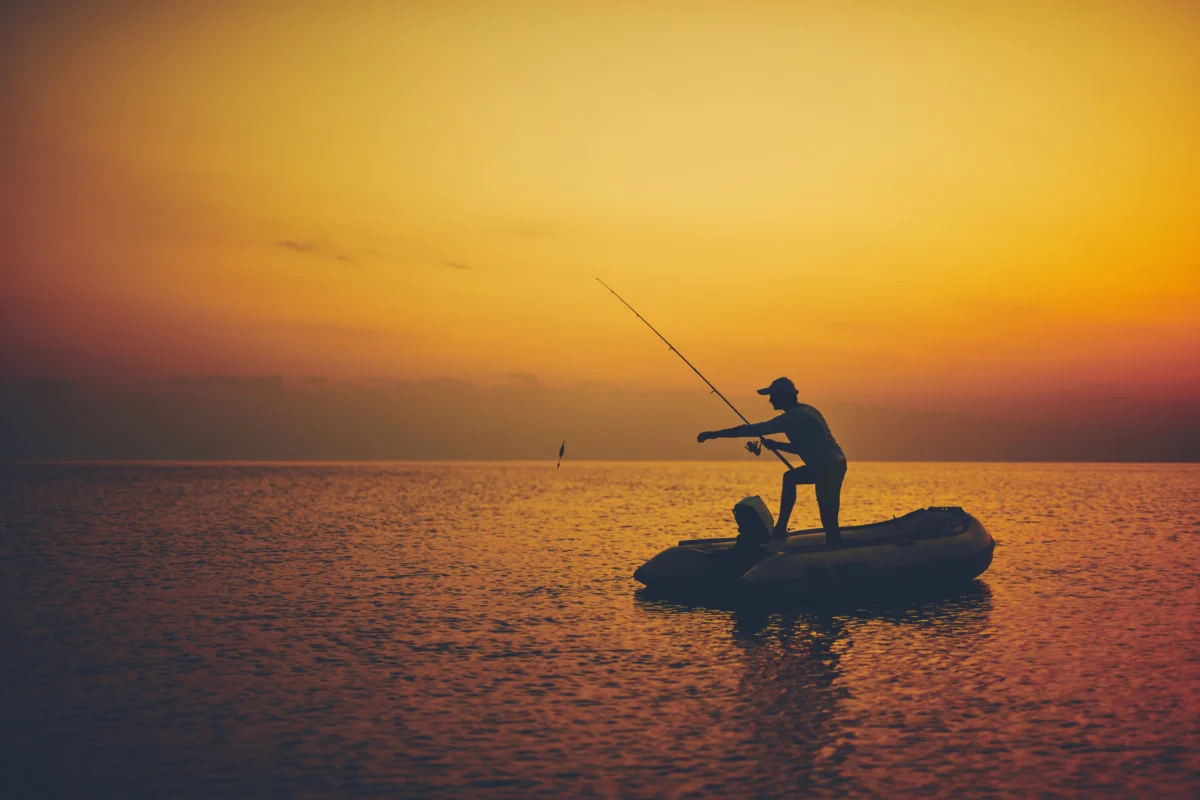
Amidst the cooling of freshwater and fly fishing enthusiasm, saltwater fishing has emerged as the industry’s primary growth engine. In 2025, saltwater participation rose by 3%, reaching a historic record of 15.5 million anglers. This is a substantial leap of one million more participants than in 2020 and represents the highest total ever tracked in the history of the Special Report.
Unlike other categories, saltwater fishing is growing in both breadth and depth. Total outings in saltwater environments rose by 2%, totaling 183 million trips in 2025. This stands in stark contrast to freshwater fishing, which remained flat, and fly fishing, which saw a slight dip in total outings.
The success of the saltwater sector can be attributed to several factors, including the robust health of coastal tourism, the increasing popularity of professional charter services that lower the technical requirements for beginners, and the perception of saltwater fishing as a premium, "destination-based" experience. Furthermore, coastal states have seen significant infrastructure investments in public piers and boat ramps, facilitating easier access for a more diverse range of participants.
A Decade of Change: The Chronology of American Angling
To understand the 2025 data, one must look at the trajectory of the sport over the last several years. The 2019 baseline of 50.1 million anglers represented a steady, if modest, period for the industry. However, the onset of the COVID-19 pandemic in 2020 served as a massive catalyst. With indoor entertainment shuttered, millions of Americans turned to the water for socially distanced recreation.
By 2022 and 2023, the industry reached peak participation levels, fueled by a "new wave" of anglers who purchased gear for the first time. However, as the world fully reopened in 2024 and 2025, the "stickiness" of the sport was put to the test. The 2026 report confirms that while the industry successfully kept a large portion of the pandemic-era newcomers (keeping the total well above the 50.1 million mark of 2019), it has struggled to transition these individuals into "dedicated" anglers.
The current era is defined by a 33% churn rate, meaning that for every three people who fish this year, one will likely not return next year. This volatility is the primary focus of the ASA and OIA as they look toward 2027 and beyond.
Shifting Demographics and the New Face of Fishing
One of the most encouraging aspects of the 2026 Special Report is the increasing diversity within the angling community. The report profiles key audiences—including youth, Hispanic, Black, and female anglers—who are entering the sport at higher rates than traditional demographics.
- Youth Participation: Engaging children remains the primary way the sport sustains itself. The report notes that 57 million figure includes everyone aged six and up, with a significant portion of new entrants coming from the under-18 demographic.
- Diversity Initiatives: Hispanic and Black participation rates have seen incremental growth, reflecting broader efforts by the ASA and regional wildlife agencies to make fishing more inclusive.
- The Female Angler: Women continue to be one of the fastest-growing segments in the sport, though they often report different motivations for fishing—citing stress relief and family bonding over the competitive or technical aspects of the hobby.
However, the report also identifies "headwinds" for these groups. Diverse newcomers are often the first to lapse if they do not feel a sense of community or if they lack easy access to gear and local fishing spots. The industry is now tasked with moving beyond "representation" in marketing to providing "resource accessibility" in practice.
The Crossover Effect: Fishing as a Component of the Outdoor Lifestyle
The 2026 report highlights a heavy "crossover" between fishing and other outdoor activities. A vast majority of anglers do not view fishing as an isolated event; rather, it is frequently paired with camping, hiking, and walking.
This lifestyle integration explains why participation numbers remain high even as frequency drops. For many modern outdoors enthusiasts, fishing is a "value-add" to a weekend camping trip—something to do for two hours by the lake—rather than the sole purpose of the excursion. For the industry, this means gear must become more portable, user-friendly, and versatile to accommodate the "multi-sport" consumer.
Industry Reactions and the Path Forward
While official statements from the ASA and OIA emphasize the strength of the 57 million participant figure, there is an underlying tone of urgency regarding the frequency data. Industry leaders recognize that a business model based on selling one-time starter kits to casual users is less sustainable than one supported by a loyal, active base that regularly upgrades gear, buys licenses, and pays for charters.
The "R3" movement—Recruitment, Retention, and Reactivation—has become the rallying cry for state agencies and trade associations.
- Recruitment: Focuses on the "new wave" of diverse and younger anglers.
- Retention: Addresses the 33% churn rate by simplifying the learning curve and improving the "on-water" experience.
- Reactivation: Targets the "lapsed" anglers who haven’t fished in the last 12 to 24 months but still own gear.
Market analysts suggest that the industry must pivot its marketing strategies. Instead of focusing solely on the "trophy catch," messaging may need to shift toward the mental health benefits, social connectivity, and the ease of incorporating fishing into a busy suburban or urban lifestyle.
Implications for Conservation and Policy
The findings of the 2026 Special Report have implications that extend far beyond the retail sector. In the United States, conservation efforts are largely funded through the "user-pay, public-benefit" model. The sale of fishing licenses and excise taxes on fishing equipment (via the Dingell-Johnson Act) provide the bulk of the funding for habitat restoration, water quality monitoring, and fish stocking.
If the trend toward "occasional" fishing continues, or if the churn rate results in a long-term decline in license sales, the financial bedrock of aquatic conservation could be threatened. Policy makers are closely watching these participation trends to determine how to adjust funding models in an era where the "casual angler" may not feel the need to purchase an annual license, opting instead for one-day or short-term permits.
Conclusion: A Turning Tide
The 2026 Special Report on Fishing serves as both a celebration of the sport’s enduring popularity and a warning about its changing foundations. With 57 million participants, fishing remains a pillar of American recreation. However, the transition from a "regular pursuit" to an "occasional outing" suggests that the industry is at a crossroads.
The standout success of saltwater fishing provides a potential roadmap—highlighting the importance of accessibility, professional guidance, and destination appeal. For the broader freshwater and fly fishing markets, the challenge will be to recapture the "weekly angler" and prove that fishing is not just a pandemic-era fad, but a vital, frequent part of the American experience. As the industry looks toward the latter half of the decade, the metric of success will no longer be how many people pick up a rod, but how many of them refuse to put it down.
