

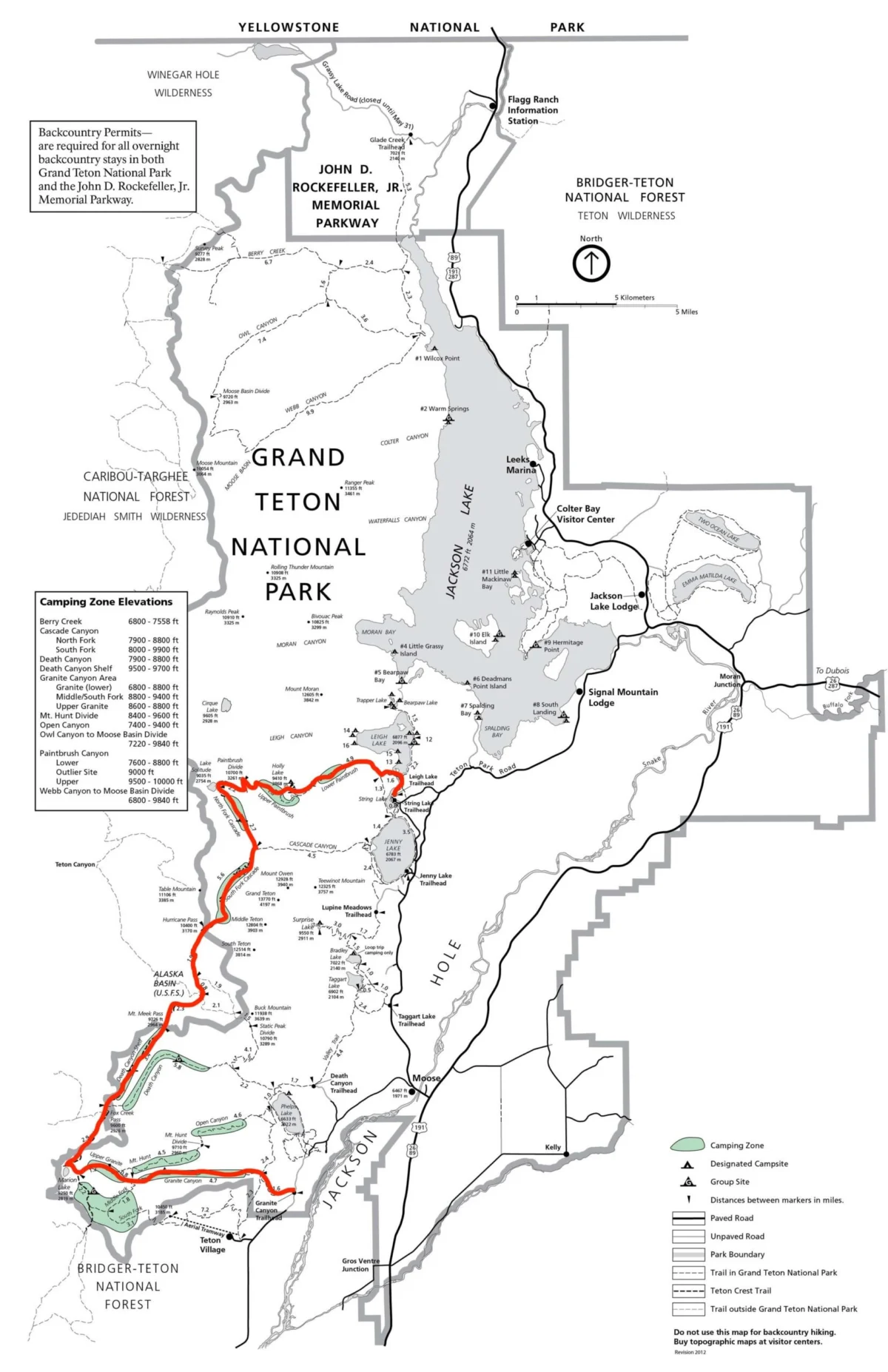
A formidable team of three elite athletes—Anna Gibson, Jim Ryan, and Thomas Ferguson—has redefined the limits of winter endurance in the Teton Range, successfully completing the challenging 35-mile Teton Crest Trail (TCT) traverse on skis in an astonishing 13 hours, 23 minutes, and 33 seconds. This remarkable feat, undertaken amidst the formidable conditions of a Wyoming winter, saw the trio navigate over 11,214 feet of elevation gain, setting what is believed to be a possible Women’s Fastest Known Time (FKT) for Gibson and marking the second-fastest winter FKT recorded for Ryan and Ferguson. Their expedition transcends the traditional multi-day summer backpacking experience of the TCT, transforming a scenic stroll into a high-stakes, high-speed alpine challenge.
The Teton Crest Trail: A Transformed Wilderness
For most outdoor enthusiasts, the Teton Crest Trail represents a quintessential summer backpacking experience, a multi-day journey offering panoramic vistas of the Grand Tetons, pristine alpine lakes, and vibrant wildflowers. Typically, this traverse takes hikers anywhere from three to five days to complete, allowing ample time to soak in the majestic scenery and navigate the well-marked, though often rugged, path. Stretching approximately 35 to 40 miles depending on the chosen start and end points within Grand Teton National Park and the Bridger-Teton National Forest, the trail is renowned for its significant elevation changes, traversing several high mountain passes, including Static Peak Divide, Hurricane Pass, and Webb Canyon Pass.
However, the TCT undergoes a dramatic metamorphosis with the arrival of winter. The well-trodden paths vanish beneath meters of snow, transforming the route into a formidable alpine environment fraught with inherent dangers and complexities. Winter travel demands an entirely different skill set, gear, and mental fortitude. Navigation becomes a complex endeavor, relying on GPS devices, topographic maps, and intimate knowledge of the terrain rather than visible trails. Avalanche danger, a pervasive threat in the Tetons, necessitates constant vigilance, expert terrain assessment, and the readiness for self-rescue. The severe cold, short daylight hours, and the physical demands of skinning uphill and skiing downhill through variable snow conditions—ranging from deep powder to icy sastrugi—add layers of brutality that are entirely absent during the warmer months. Temperatures can plummet well below freezing, and sudden storms can bring whiteout conditions, further isolating travelers in an already remote landscape. This stark contrast underscores the extraordinary nature of Gibson, Ryan, and Ferguson’s undertaking.
An Elite Roster: The Architects of Speed
The success of this winter traverse is inextricably linked to the exceptional caliber of the athletes involved, each bringing a unique blend of endurance, technical skill, and deep mountain experience to the endeavor.
Anna Gibson, a proud Jackson Hole native, stands at the forefront of the burgeoning sport of ski mountaineering (skimo). Her rapid ascent in the sport is nothing short of remarkable, transitioning from a professional running career to becoming a top-tier skimo athlete with her sights set on the 2026 Winter Olympics. Her background in endurance running provided an unparalleled aerobic engine, which, combined with her innate athleticism and dedication to mastering alpine skiing and climbing techniques, has allowed her to excel in skimo races that demand both uphill power and downhill finesse. Gibson’s presence on the team not only provided formidable physical prowess but also contributed to the potential establishment of a new women’s FKT for the winter TCT, pushing the boundaries for female athletes in high-alpine endurance.
Jim Ryan is a name synonymous with extreme endurance and audacious mountain pursuits within the Teton community and beyond. Known for his captivating segments in acclaimed ski films such as Beyond the Fantasy and Pressure Drop, Ryan’s expertise extends far beyond cinematic appearances. He is an accomplished ski mountaineer and endurance athlete who consistently seeks to push physical and mental boundaries. His previous exploits include the legendary "The Picnic," a massive multi-sport triathlon centered around the Grand Teton itself. This arduous challenge typically involves biking from Jackson, swimming across Jenny Lake, climbing the Grand Teton, and then reversing the entire route. Such an undertaking demonstrates Ryan’s profound understanding of Teton terrain, his multi-disciplinary athletic capabilities, and his unwavering commitment to demanding objectives. His experience in high-pressure, high-consequence environments was undoubtedly invaluable during the traverse.
Rounding out this potent trio is Thomas Ferguson, a dedicated Jackson local whose intimate knowledge of the Teton landscape proved indispensable. As a committed volunteer with Teton County Search & Rescue (TCSAR), Ferguson possesses not only an advanced understanding of local snowpack dynamics and avalanche conditions but also critical skills in navigation, risk assessment, and emergency response. His experience in locating and aiding individuals in distress within the complex and often unforgiving Teton backcountry provided an essential layer of safety and expertise. In a winter environment where visible trails are non-existent and hazards are constant, Ferguson’s ability to interpret terrain, assess stability, and guide the team through the labyrinthine winter landscape was a crucial component of their success.

The Expedition: A Detailed Chronology
The meticulous planning and precise execution of the Teton Crest Trail traverse in winter are as critical as the physical capabilities of the athletes themselves. This was not a spur-of-the-moment decision but the culmination of extensive preparation.
Pre-Expedition Planning: The team likely spent weeks, if not months, studying topographical maps, analyzing weather patterns, monitoring snowpack stability reports from the Bridger-Teton Avalanche Center, and considering various entry and exit points. Route optimization, identifying potential bail-out points, and strategizing for nutrition, hydration, and gear swaps were paramount. Given the extreme conditions, every piece of equipment—from lightweight skimo setups, specialized avalanche safety gear (beacons, probes, shovels), GPS devices, satellite communicators, to emergency bivouac supplies—would have been carefully selected for weight, durability, and functionality. A narrow weather window, characterized by stable snow, minimal wind, and clear visibility, would have been patiently awaited.
The Start: The traverse began in the pre-dawn hours, likely from a trailhead on the western side of the Tetons, such as Alta, Wyoming, or Driggs, Idaho, requiring a traverse over the crest and into Grand Teton National Park. Starting before sunrise is a common strategy for long endurance efforts in winter, maximizing precious daylight hours and allowing for cooler, more stable snow conditions in the early morning. The initial ascent would have involved methodical skinning, a grueling uphill march on skis fitted with climbing skins, often under headlamp illumination, as the team gained elevation towards the first high passes.
Navigating the High Passes: The early hours would have seen the trio pushing through the first major climbs and descents, such as the demanding ascent to Static Peak Divide or the expansive views from Hurricane Pass. These sections, challenging even in summer, become alpine expeditions in winter, demanding precise kick-turns, careful edge control on icy patches, and constant awareness of potential cornices and wind-loaded slopes. The absence of a visible trail meant relying entirely on GPS tracks and Ferguson’s intimate knowledge to stay on course.
Mid-Traverse Challenges: As the day progressed, the team would have encountered a full spectrum of winter conditions. Deep, unconsolidated powder in sheltered north-facing aspects might give way to wind-scoured, icy terrain on exposed ridges. The physical toll of continuously transitioning between skinning uphill and skiing downhill, often requiring skins to be removed and reapplied multiple times, adds significant time and effort. Mental fortitude becomes as crucial as physical endurance, battling fatigue, cold, and the relentless pressure of maintaining pace. Maintaining hydration and caloric intake would have been strategically managed to sustain energy levels.
The Final Push: The latter stages of the traverse would have involved navigating the remaining passes and descending into the designated finish point, likely in the Moose-Wilson Road area or Teton Village. As daylight waned, headlamps would have been crucial once again. The cumulative fatigue, coupled with the technical demands of the final descents and potential variable snow, would have tested the limits of their endurance. The successful completion in 13 hours, 23 minutes, and 33 seconds speaks volumes about their sustained effort and unwavering focus.
Setting New Benchmarks: Winter vs. Summer Realities
The concept of a Fastest Known Time (FKT) has gained significant traction in the ultrarunning and endurance sports communities. An FKT is a record for a specific route that is "known" or recognized, differentiating it from formal races. It emphasizes self-supported or supported attempts, documented via GPS data and often shared publicly for verification.
On the Teton Crest Trail, summer FKTs for elite runners typically hover around the 8-hour mark. These records are set on a clear, navigable trail, often with minimal gear, allowing for high-speed running. The physical demands are immense, but they do not compare to the multi-faceted challenges presented by a winter traverse. The additional "brutality" of winter travel fundamentally changes the game:

- Speed Reduction: Traveling on skis with climbing skins is inherently slower than running. Each step involves lifting more weight and overcoming snow resistance.
- Technical Skill: Skiing steep, technical terrain, especially with a touring pack, requires advanced downhill skiing skills that running does not.
- Avalanche Risk: This is perhaps the most significant differentiator. Runners in summer face rockfall, lightning, and falls, but not the existential threat of an avalanche. Winter travelers must constantly assess snowpack stability, understand terrain traps, and be prepared for rescue. This often necessitates slower, more cautious movement through certain areas.
- Navigation: A buried trail means every turn, every ridge, every slope requires careful navigation, adding mental load and potential for error.
- Gear Weight: Winter gear is significantly heavier and bulkier than summer running gear, increasing the physical burden.
- Environmental Factors: Extreme cold, wind, and potential whiteout conditions drain energy and can lead to frostbite or hypothermia if not managed expertly.
Given these profound differences, the trio’s time of 13 hours, 23 minutes, and 33 seconds is not merely a few hours slower than summer records; it represents an entirely different class of athletic achievement. The fact that Anna Gibson’s time is a possible Women’s FKT underscores the groundbreaking nature of her performance in a sport traditionally dominated by male athletes in its most extreme forms. For Jim Ryan and Thomas Ferguson, securing the second-fastest winter FKT is a testament to their enduring prowess and a significant marker in the history of Teton endurance challenges. The "Fastest Known Time" in winter conditions demands a rare blend of physical conditioning, technical expertise in ski mountaineering, advanced avalanche safety knowledge, and impeccable judgment.
Broader Implications and Community Impact
The successful winter traverse of the Teton Crest Trail by Gibson, Ryan, and Ferguson is more than just a new data point in the world of FKTs; it signifies a substantial leap forward in the understanding and execution of high-speed mountain travel across the formidable Teton Range.
Redefining Possibility: This expedition pushes the boundaries of what is considered achievable in winter alpine environments. It showcases the incredible potential when world-class athletic skill, meticulous planning, and profound respect for the mountains converge. For the broader ski mountaineering and endurance sports communities, this serves as an inspiration, challenging others to look at familiar routes through a new lens of speed and efficiency, even in the most challenging conditions.
Safety and Responsibility: While inspiring, such feats also carry an inherent message about the importance of experience and preparation. Grand Teton National Park officials, while often respecting the spirit of adventure, consistently emphasize safe and responsible recreation. Any attempt at a similar winter traverse requires years of dedicated training, advanced avalanche education (such as AIARE certifications), extensive backcountry experience, and the right gear. A spokesperson for Grand Teton National Park, speaking generally about high-risk endeavors, might emphasize, "The Teton backcountry in winter is an unforgiving environment. We commend the skill and preparation of athletes who undertake these challenges, but we also strongly urge all visitors to understand their limits, carry appropriate safety equipment, and have the necessary training and experience to navigate such complex terrain safely."
The Role of Teton County Search & Rescue: Thomas Ferguson’s involvement as a TCSAR volunteer highlights the critical link between elite mountain sports and community safety. His expertise, drawn from real-world rescue operations, underscores the severe consequences of misjudgment in the Tetons. The Search & Rescue community often advocates for preparedness and self-sufficiency, echoing the sentiment that "the best rescue is the one that never happens." The team’s self-sufficiency and strategic decision-making throughout the traverse are a testament to responsible backcountry travel at the highest level.
Future of Winter Endurance Sports: This achievement contributes to the growing narrative of winter FKTs, a niche but rapidly expanding area of endurance sports. It will undoubtedly spark discussions and potentially inspire future attempts on other iconic winter routes, not only in the Tetons but across other major mountain ranges. As gear technology advances and athletes continue to push their limits, the definition of "fast" in winter environments will continue to evolve.
In their final descent, Gibson, Ryan, and Ferguson did not merely conclude a traverse; they etched a new chapter into the annals of Teton mountaineering. Their collective skill, passion, and strategic execution have established a new benchmark for winter speed, offering a compelling vision of what is possible when human determination meets the raw, untamed beauty of the Tetons in their most formidable guise.
