

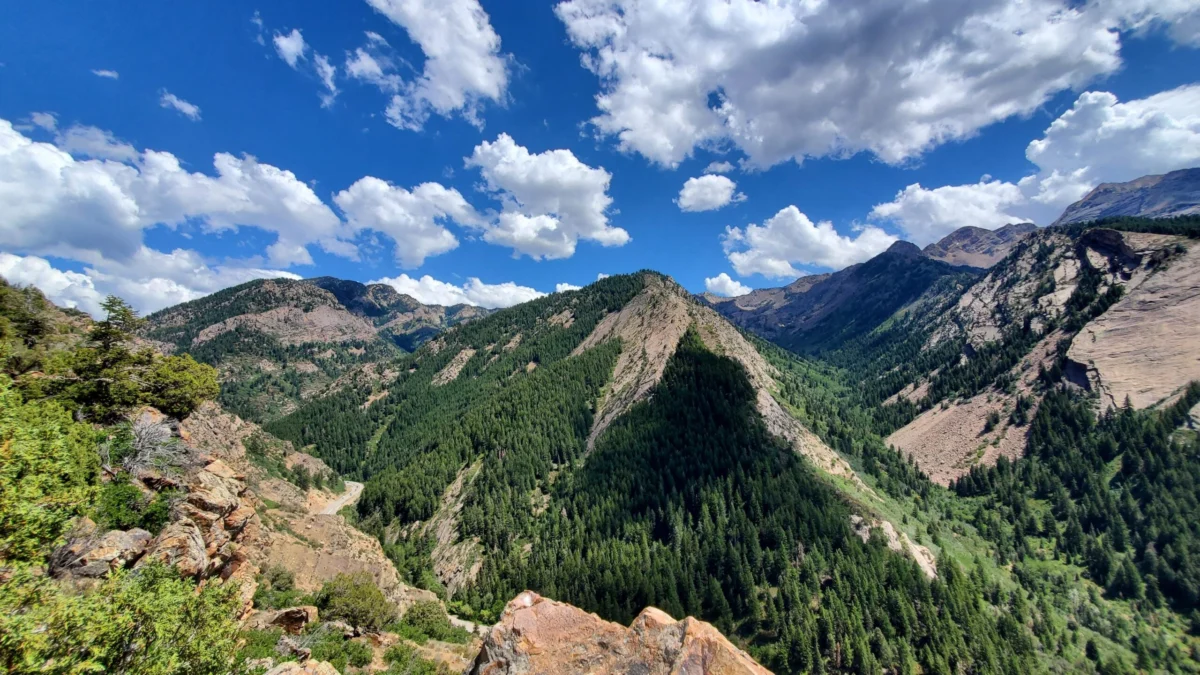
A suspected arsonist is now in custody, accused of intentionally igniting multiple fires within the rugged confines of the Mount Olympus Wilderness area, situated in the ecologically sensitive Big Cottonwood Canyon. The swift apprehension, a testament to multi-agency coordination and vigilant public reporting, averted what authorities describe as a potentially catastrophic wildfire in a popular recreational and ecologically vital region of Utah. The incident, occurring on a Tuesday afternoon, serves as a stark reminder of the ever-present threat of human-caused blazes, particularly as the region braces for drier conditions.
The tranquility of Tuesday afternoon, April 15, 2026, was shattered around 2:30 p.m. when eyewitnesses reported a suspicious individual deliberately starting several small fires. These blazes were observed along the north side of Big Cottonwood Canyon, specifically within the Mount Olympus Wilderness, an area renowned for its challenging terrain, pristine natural beauty, and critical watershed functions for the Salt Lake Valley. The immediate notification to emergency services by concerned citizens John Steed and Emma Roberson proved instrumental, providing authorities with crucial real-time information and even video evidence depicting a man "dancing around the fire," a detail that underscored the unusual and deliberate nature of the incident. Their quick thinking and detailed reporting initiated a rapid and complex response, demonstrating the invaluable role of public vigilance in safeguarding wilderness areas.
A Coordinated Multi-Agency Response in Challenging Terrain
The apprehension of the suspect was far from straightforward, necessitating a highly coordinated effort involving multiple state and local agencies. The Salt Lake County Sheriff’s Office, responsible for law enforcement in unincorporated areas, quickly mobilized deputies. Given the remote and steep characteristics of the Mount Olympus Wilderness, ground access is inherently difficult, making aerial support indispensable. The Unified Fire Authority (UFA), a regional fire suppression agency, and the U.S. Forest Service (USFS), which manages the federal wilderness land where the fires occurred, were simultaneously alerted and began deploying resources.
Initial aerial tracking was provided by a Utah National Guard helicopter, which established eyes on the suspect from above, maintaining a continuous visual as ground teams strategized their approach. This vital surveillance allowed law enforcement to monitor the individual’s movements and prevent further ignitions while ground personnel navigated the treacherous landscape. As the operation progressed, a Department of Public Safety (DPS) helicopter, equipped for specialized aerial deployment and extraction, arrived on scene. This sophisticated aircraft facilitated the insertion of deputies into the rugged terrain, significantly shortening the response time that would otherwise have been consumed by a lengthy and arduous ground approach. The collaborative synergy between these agencies – leveraging air power for reconnaissance and transport, alongside ground forces for direct engagement – ultimately led to the suspect’s successful apprehension by Tuesday evening. Following his capture, the individual was airlifted out of the wilderness, ensuring both his safe removal and the efficient processing of the scene without further risk to personnel.
The Suspect and the Looming Threat of Arson
While the identity of the apprehended individual has not yet been publicly released, nor have formal charges been detailed, the incident immediately raised serious concerns about the motive behind such actions. Arson, particularly in a wilderness setting, carries severe legal penalties under both state and federal statutes, given the immense potential for environmental destruction, threats to human life, and the substantial costs associated with suppression. Depending on the extent of damage and the specific intent, charges could range from reckless burning to aggravated arson, with potential sentences including lengthy prison terms and significant fines. The eyewitness account of the suspect "dancing around the fire" suggests a potentially disturbed mental state or a deliberate act of malice, which will undoubtedly be a key focus of the ongoing investigation.
Salt Lake County Sheriff Rosie Rivera underscored the gravity of the situation, stating, "We do know he lit several small fires. They smoldered out, so they did not spread. But this was a very dangerous situation." This statement, reported by KSL news, highlights the fortunate outcome where the fires self-extinguished, preventing widespread devastation. However, the inherent danger remained critically high. The Mount Olympus Wilderness, characterized by dense scrub oak, Ponderosa pine, and Douglas fir, coupled with often strong canyon winds, creates an environment where even small sparks can rapidly escalate into uncontrollable infernos. The timing of the incident, prior to the peak dryness of late summer, likely contributed to the fires’ failure to spread. Had conditions been drier, or winds stronger, these small ignitions could have easily coalesced into a major wildfire, threatening not only the wilderness area but also nearby communities, critical infrastructure, and the essential watershed that supplies drinking water to a significant portion of the Wasatch Front population.
Understanding the Environmental Context: Mount Olympus Wilderness
The Mount Olympus Wilderness, designated as such to preserve its primitive character and natural processes, spans approximately 9,000 acres within the Uinta-Wasatch-Cache National Forest. It is a vital component of the larger Wasatch Front ecosystem, offering critical habitat for diverse wildlife, including mule deer, elk, moose, and various bird species. Beyond its ecological significance, the area serves as a beloved recreational hub for hikers, climbers, and nature enthusiasts from the Salt Lake Valley and beyond. Its steep, rocky trails lead to panoramic views and challenging summits, drawing thousands of visitors annually.

Crucially, Big Cottonwood Canyon is one of the primary sources of municipal drinking water for Salt Lake City. Any significant wildfire in this watershed would pose a severe threat to water quality, potentially leading to long-term issues with sedimentation, ash contamination, and increased runoff, necessitating costly treatment processes and potentially impacting public health. The destruction of vegetation by fire also increases the risk of post-fire debris flows and mudslides, especially during subsequent heavy rain events, which can further destabilize slopes and endanger infrastructure. The averted disaster in Mount Olympus Wilderness therefore represents a critical save for both environmental integrity and public utility.
The Broader Implications of Human-Caused Wildfires
This incident serves as a potent reminder of the persistent and growing challenge posed by human-caused wildfires across the Western United States. According to the National Interagency Fire Center (NIFC), human activity accounts for the vast majority of wildfires, often exceeding 85% annually. These fires are preventable and stem from a range of sources, including unattended campfires, discarded cigarettes, equipment malfunctions, and, tragically, arson. While natural causes like lightning strikes also contribute, human-caused fires are particularly concerning because they are often concentrated near populated areas and can occur at any time of year, irrespective of natural fire regimes.
Utah, like its neighboring Western states, has experienced increasingly severe and frequent wildfire seasons, a trend exacerbated by climate change, which leads to prolonged droughts, higher temperatures, and earlier snowmelt. These conditions create an extended and more intense fire danger period, rendering landscapes exceptionally vulnerable. In 2020, Utah saw over 1,500 wildfires, with more than 80% attributed to human activity, burning hundreds of thousands of acres. The costs associated with wildfire suppression are astronomical, often running into hundreds of millions of dollars annually for states and federal agencies. These figures do not even account for the immeasurable costs of property destruction, economic disruption, long-term ecological damage, and the tragic loss of life that wildfires can entail.
Fire Season Preparedness and Public Awareness
The apprehension of the suspected arsonist in Mount Olympus Wilderness highlights the critical importance of public awareness and proactive fire prevention measures. Agencies like the U.S. Forest Service, Bureau of Land Management (BLM), and state forestry divisions consistently run campaigns such as "Fire Sense" and "Smokey Bear" to educate the public on responsible outdoor behavior. These initiatives emphasize practices like properly extinguishing campfires, avoiding activities that create sparks during dry conditions, and adhering to fire restrictions.
The role of vigilant citizens, as demonstrated by John Steed and Emma Roberson, cannot be overstated. Their immediate call to 911 was the first and most crucial step in preventing a minor incident from becoming a major catastrophe. The "See Something, Say Something" principle is a cornerstone of effective wildfire prevention, empowering individuals to act as the eyes and ears of emergency services in remote areas. Without their prompt report, the small, smoldering fires might have flared up hours later, under more adverse conditions, when detection and suppression would have been significantly more challenging and dangerous.
The Path Forward: Investigation and Justice
Following the apprehension, the focus now shifts to the ongoing investigation. Law enforcement officials will meticulously collect evidence from the ignition sites, interview the suspect, and gather additional witness statements. This process is crucial for building a comprehensive case and ensuring appropriate charges are filed. The suspect will likely undergo a booking process at the Salt Lake County Jail, where formal charges will be presented by prosecutors. Depending on the nature of the charges, the case could proceed through the state court system or, if deemed to involve federal lands significantly, through the federal judiciary.
This incident serves as a stark reminder of the fragile balance between human activity and natural ecosystems. While the immediate danger has been contained, the underlying vulnerability of Utah’s wilderness areas to human-caused ignitions remains a pressing concern. As the region moves deeper into its dry season, the collaborative efforts of emergency responders, law enforcement, land management agencies, and an engaged public will be more critical than ever to protect these invaluable natural resources from the devastating impacts of wildfire. The swift resolution of this event stands as a testament to the dedication of those committed to preserving the integrity of Utah’s wild spaces.
