

In a series of rapid executive and departmental maneuvers, the Trump administration has initiated a fundamental restructuring of United States energy and environmental policy. These actions, characterized by the suspension of multi-billion-dollar renewable energy projects and the proposed opening of nearly all U.S. outer continental shelf waters to fossil fuel extraction, mark a decisive shift toward a policy of "energy dominance." The administration’s agenda involves the Department of the Interior (DOI), the Department of Energy (DOE), and the National Science Foundation (NSF), targeting both physical infrastructure and the scientific institutions that monitor the nation’s atmospheric health.
Immediate Suspension of Major Offshore Wind Infrastructure
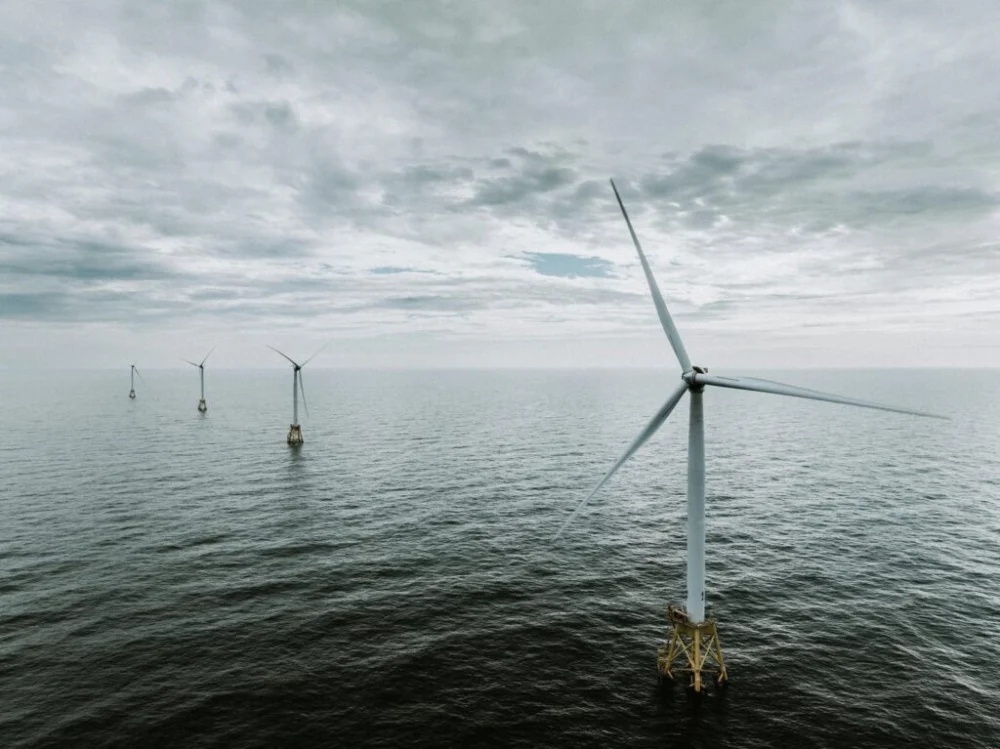
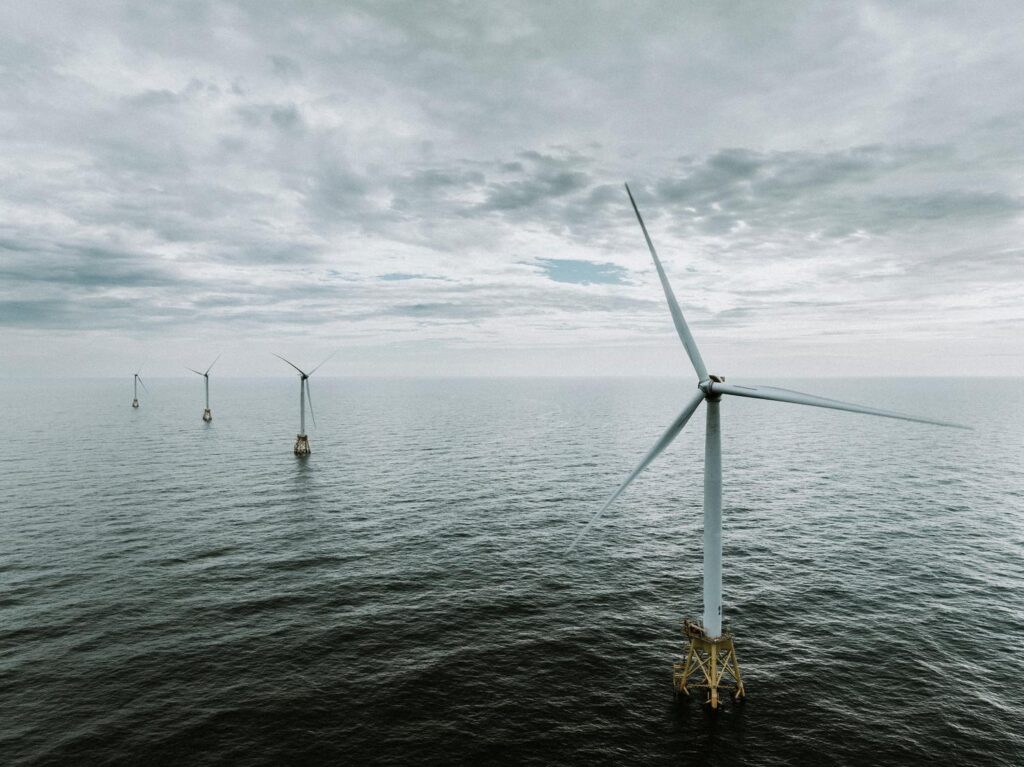
The Department of the Interior has formally halted five major offshore wind projects that were already in various stages of construction and development. The affected projects include Vineyard Wind (Massachusetts), Revolution Wind (Rhode Island and Connecticut), Coastal Virginia Offshore Wind, Sunrise Wind (New York), and Empire Wind (New York). Together, these projects represented the vanguard of the American offshore wind industry, with the potential to generate over 5 gigawatts (GW) of clean electricity—enough to power more than 2 million homes.
The administration cited "national security concerns" as the primary justification for the work stoppage. While specific details of these concerns remain classified, federal officials suggested that the placement of turbines and undersea cabling could interfere with naval operations and coastal surveillance systems. However, industry analysts note that these projects had already undergone years of rigorous federal review, including environmental impact statements and Department of Defense clearances, prior to receiving their initial permits.
The suspension has sent shockwaves through the renewable energy sector. Vineyard Wind, for instance, had already installed several turbines and was delivering power to the New England grid. The sudden halt creates significant legal and financial uncertainty for international investors and domestic supply chains. Market analysts suggest that the move could lead to billions of dollars in stranded assets and potential litigation against the federal government for breach of contract and regulatory overreach.

Proposed Expansion of Offshore Oil and Gas Leasing
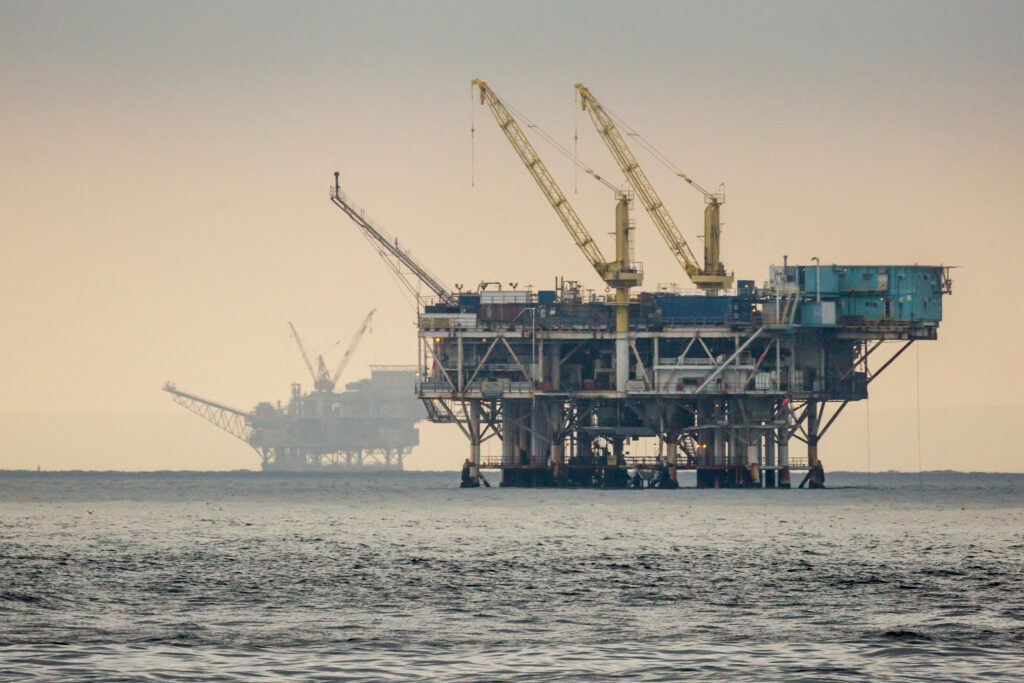
In a move that mirrors the wind energy rollback, the administration has proposed a new five-year leasing program that would open 1.27 billion acres of U.S. waters to oil and gas drilling. This proposal encompasses nearly the entire Outer Continental Shelf, including sensitive areas in the Arctic, the Pacific coast (California, Oregon, and Washington), the Atlantic coast, and the eastern Gulf of Mexico near Florida.
This proposal represents a total reversal of the 2024–2029 National Outer Continental Shelf Oil and Gas Leasing Program, which had limited sales to a historic low of just three auctions in the Gulf of Mexico. The new plan seeks to maximize domestic production to lower energy costs and increase geopolitical leverage.
The geographical scope of the proposal is unprecedented:
- The Arctic: Reopening the Beaufort and Chukchi Seas, areas previously protected due to extreme environmental risks and importance to indigenous subsistence.
- The Pacific: Ending a decades-long moratorium on new leasing off the coast of California and the Pacific Northwest.
- The Atlantic: Proposing sales from Maine to Georgia, a move historically opposed by bipartisan coalitions of coastal governors concerned about tourism and fishing economies.
Environmental scientists warn that the expansion of drilling in these regions increases the statistical likelihood of catastrophic spills and long-term degradation of marine ecosystems. Furthermore, the climate implications are significant; the combustion of the potential reserves within 1.27 billion acres would release several gigatons of carbon dioxide into the atmosphere over the coming decades.
Threats to the National Center for Atmospheric Research (NCAR)
The administration has also signaled a potential defund or total shutdown of the National Center for Atmospheric Research (NCAR), located in Boulder, Colorado. Established in 1960 and managed by the University Corporation for Atmospheric Research (UCAR) under a cooperative agreement with the National Science Foundation, NCAR is a cornerstone of global climate and weather science.
NCAR’s contributions to national safety and the economy are extensive. Its supercomputing facilities provide the data necessary for:
- Extreme Weather Forecasting: Improving the lead time for hurricane evacuations and tornado warnings.
- Wildfire Modeling: Predicting the path and intensity of fires, which is critical for Western states.
- Aviation Safety: Developing systems to detect wind shear and turbulence.
- Agricultural Planning: Providing long-term precipitation models that farmers rely on for crop selection and irrigation.
The administration’s rationale for targeting NCAR centers on a desire to redirect federal funding away from "politicized" climate research and toward "applied" energy sciences. Critics of the plan argue that shuttering NCAR would result in a "scientific blackout," leaving the U.S. dependent on foreign models for weather and climate data, thereby compromising both economic planning and national security.
Federal Intervention in Colorado Power Markets
In the interior of the country, the Department of Energy (DOE) has exercised rarely used emergency powers to intervene in the Colorado energy market. Invoking Section 202(c) of the Federal Power Act, the DOE ordered the Craig Generating Station Unit 1 to remain operational. The 427-megawatt coal-fired unit was scheduled for retirement on December 31, 2025, as part of a long-negotiated transition plan between the utility (Tri-State Generation and Transmission Association) and state regulators.
The DOE’s "emergency" order was issued despite the fact that the unit was already offline due to mechanical failures and that regional grid operators had not declared a power shortage. The administration argues that maintaining "baseload" coal power is essential for grid reliability during the winter months.
However, the intervention has drawn criticism from a broad spectrum of stakeholders:

- Economic Impact: Tri-State and other utilities have noted that keeping aging coal plants online is more expensive than transitioning to renewables and natural gas. These costs are likely to be passed on to rural ratepayers.
- State Sovereignty: Colorado officials view the move as an infringement on the state’s right to manage its own energy portfolio and emissions targets.
- Environmental Health: The Craig plant is a significant source of nitrogen oxides and sulfur dioxide, which contribute to regional haze and respiratory issues.
Analysis of Broader Implications and Economic Fallout
The coordinated nature of these actions suggests a strategic effort to "lock in" fossil fuel infrastructure while dismantling the regulatory and scientific framework that supports a transition to renewable energy. This shift has several long-term implications for the United States.
Market Instability and Investor Confidence
The energy sector relies on long-term regulatory certainty to justify multi-billion-dollar investments. By halting permitted projects and overriding state-level retirement plans, the federal government may inadvertently discourage investment across all energy sectors. Capital may flee to more stable international markets if the U.S. regulatory environment is perceived as volatile and subject to the whims of changing administrations.
The Scientific Gap
The potential loss of NCAR and the suppression of climate data could leave the U.S. vulnerable to the increasing frequency of natural disasters. Without robust modeling, the costs associated with disaster recovery—already totaling hundreds of billions of dollars annually—are expected to rise as communities remain unprepared for shifting weather patterns.
Legal and Legislative Challenges
A wave of litigation is expected. State attorneys general from coastal states have already begun preparing lawsuits to challenge the offshore drilling expansion, citing violations of the Administrative Procedure Act and the Coastal Zone Management Act. Similarly, the wind industry is expected to seek injunctions against the "national security" halts, demanding transparent evidence of the alleged threats.
Chronology of Key Events
- December 2025: DOE issues emergency order for Craig Generating Station Unit 1.
- January 2026: DOI announces the suspension of five major offshore wind projects.
- January 2026: Proposed 5-year offshore drilling plan released for public comment.
- February 2026 (Projected): Budget proposals emerge suggesting the elimination of NCAR funding.
The administration’s current trajectory indicates a belief that traditional energy extraction is the most direct path to economic growth. However, as the global economy continues to move toward decarbonization, the long-term viability of this "fossil-first" strategy remains a subject of intense debate among economists, scientists, and policymakers. The coming months will likely be defined by intense legal battles and a reevaluation of the federal government’s role in the energy market and the scientific community.
