

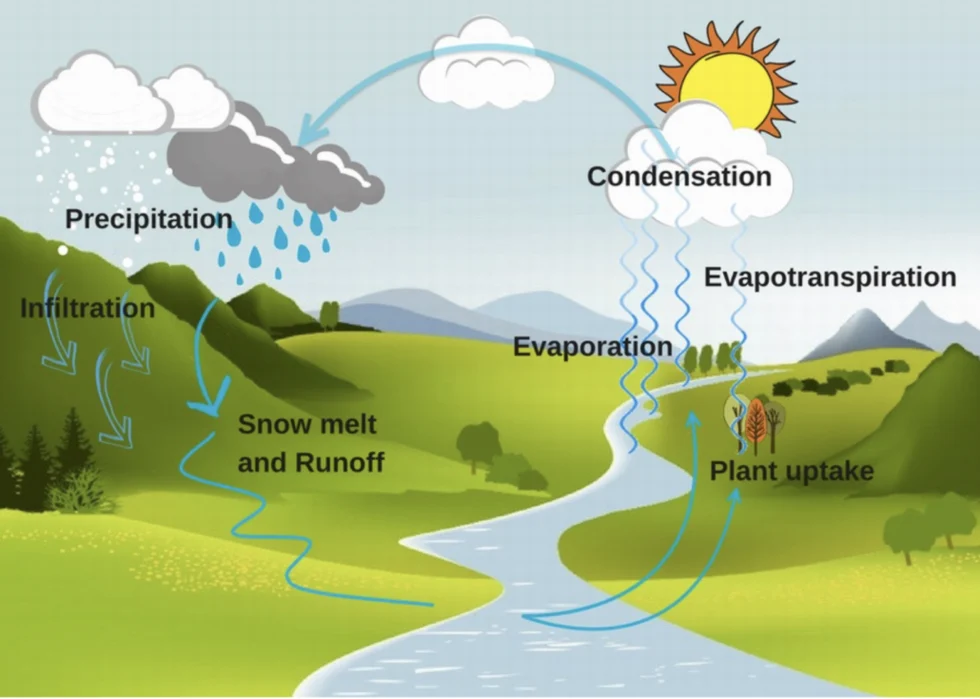
The 2025-2026 snow season across the Western United States has concluded as one of the most unconventional and meteorologically challenging periods in recent history, characterized by a phenomenon researchers are calling a "literal hot mess." While precipitation levels across the region remained near historical averages, an unprecedented surge in seasonal temperatures fundamentally altered the composition of the winter snowpack, leading to truncated ski seasons, early runoff, and significant concerns for summer water security. As the region transitions into the warmer months, hydrologists and climate scientists are analyzing the data to understand the long-term implications of a winter that failed to stay frozen.
A Season of Moving Goalposts: The 2025-2026 Winter Chronology
The winter of 2025-2026 began with cautious optimism as early-season forecasts suggested a standard water year. However, as the months progressed, the defining characteristic of the season became the "missing cold." The chronology of the winter was marked by a series of delayed milestones that frustrated both the outdoor recreation industry and water resource managers.
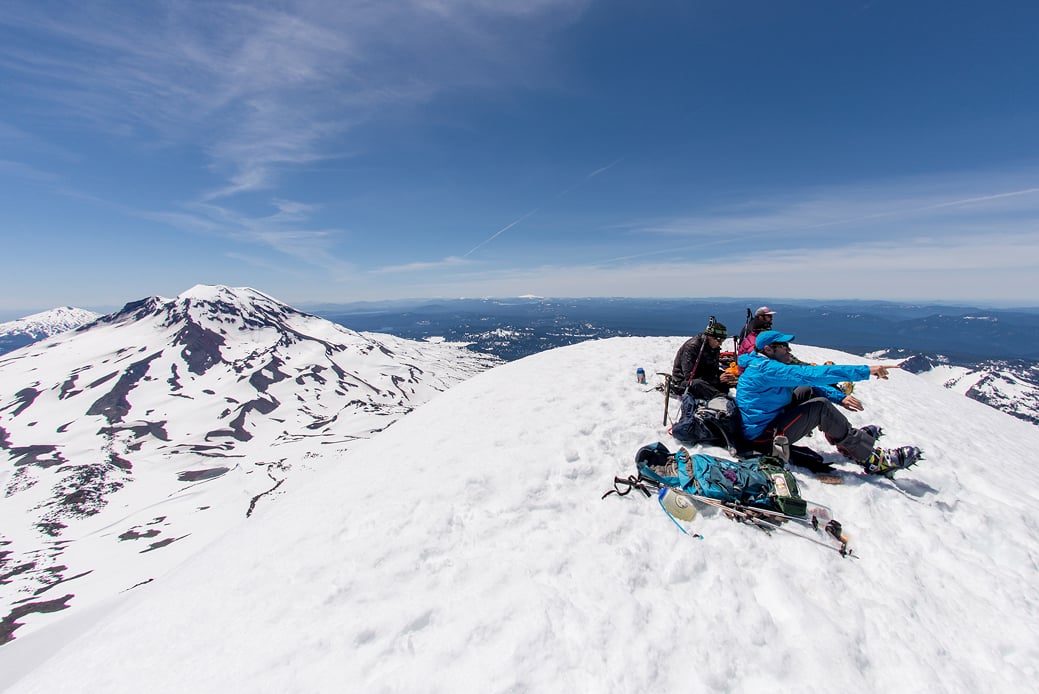
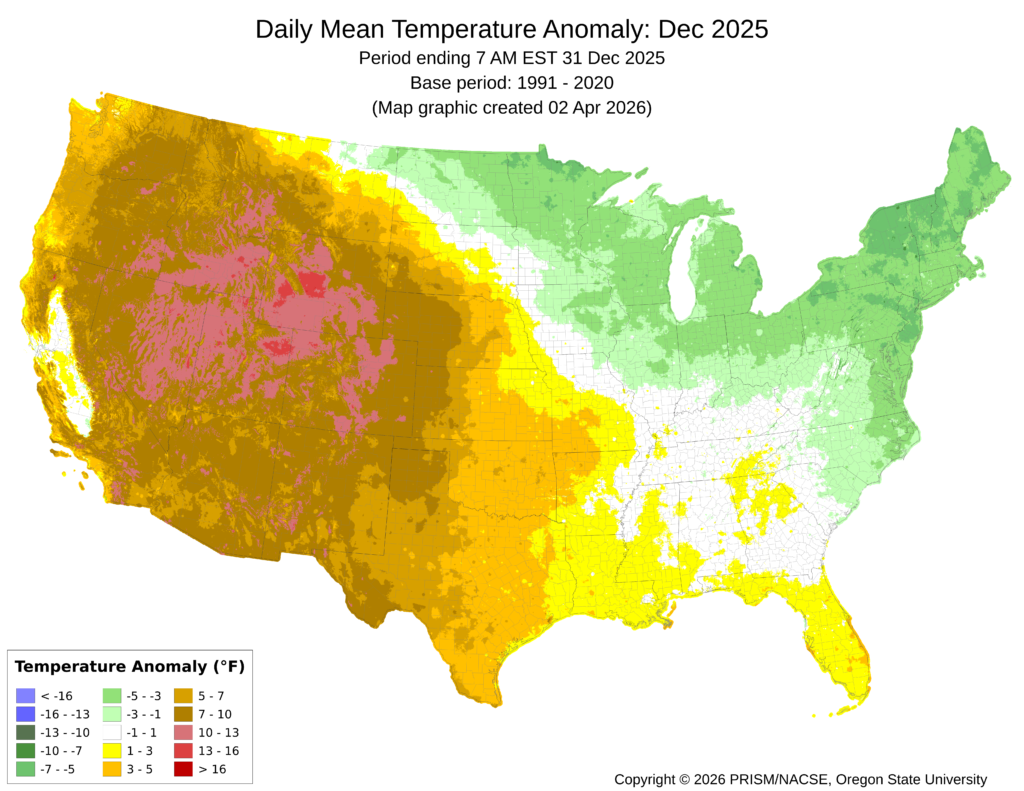
In November and early December, the usual build-up of mountain snowpack failed to materialize in the lower and middle elevations. By the time the critical December holiday window arrived, much of the Western United States was experiencing temperature anomalies ranging from 5 to 15 degrees Fahrenheit above the long-term average. This thermal spike turned what should have been significant snow events into rain-on-snow incidents, a scenario that often depletes existing snow rather than building it.
Throughout January and February, the "goalposts" for a robust season were repeatedly shifted. Initial hopes for a New Year’s recovery were pushed to Martin Luther King Jr. Day weekend, then to President’s Day, and finally to Spring Break. While certain regions, such as northwest Wyoming, Montana, Idaho, and parts of Washington, saw slightly above-average precipitation, the lack of sustained sub-freezing temperatures prevented this moisture from being stored effectively as snow. Conversely, Oregon, Utah, and Colorado faced a "double whammy" of both dry conditions and record warmth.
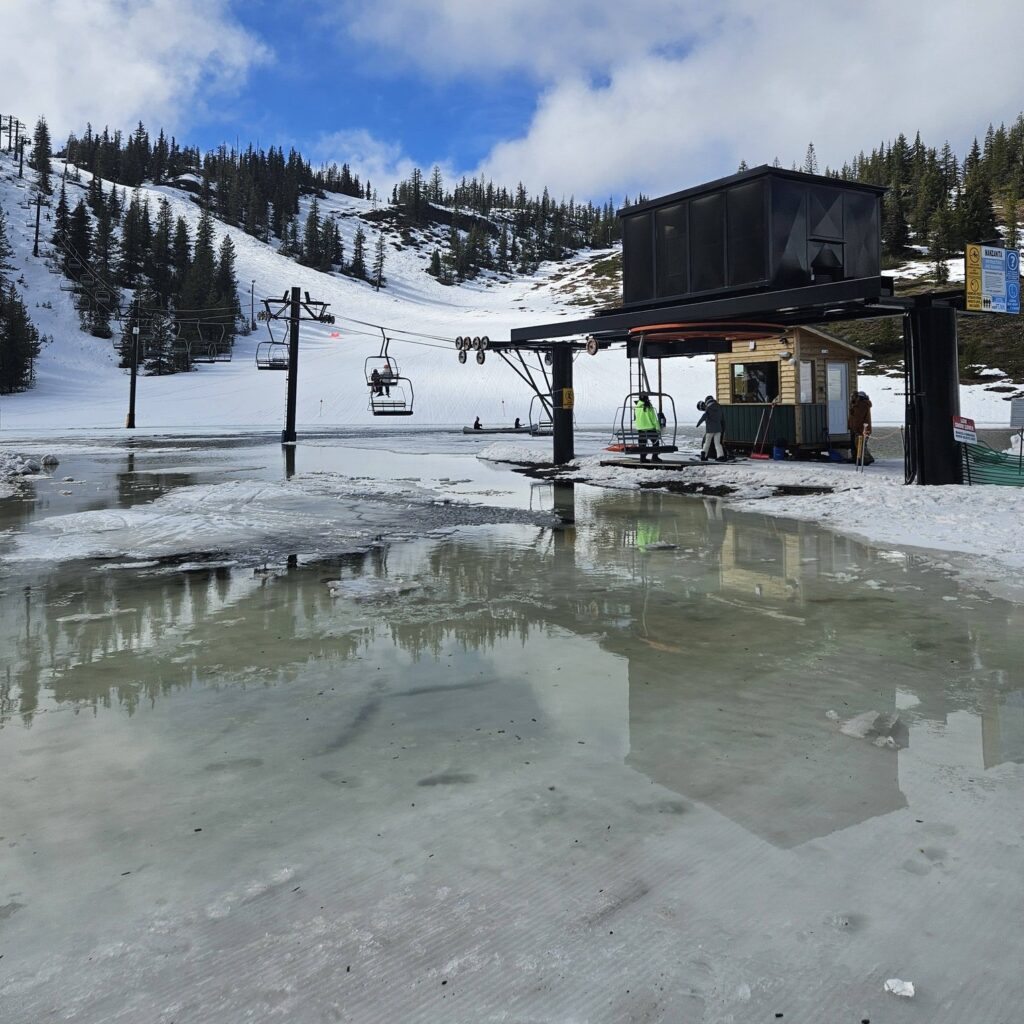
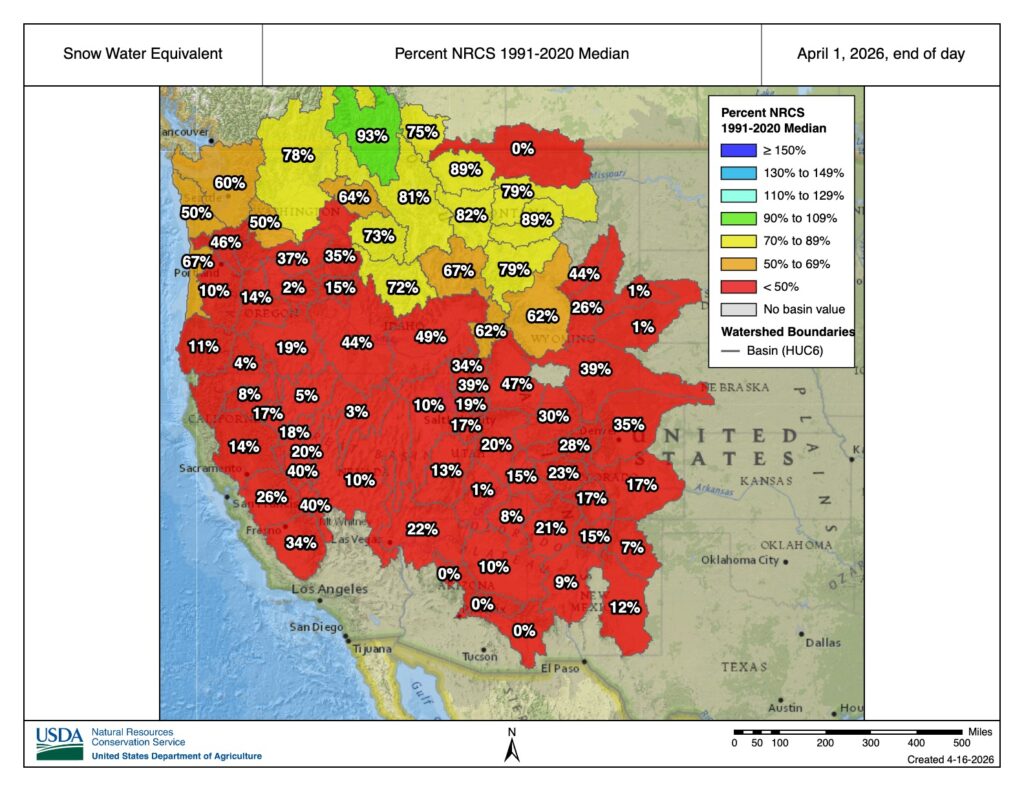
By mid-March, the situation reached a critical point. At Hoodoo Ski Area in Oregon’s Santiam Pass, the lack of snow led to "unscheduled pond skims," where skiers were forced to navigate meltwater pools on what should have been solid runs. By the traditional benchmark date of April 1—used by hydrologists to measure peak snow water equivalent (SWE)—values across the West were recorded at a tiny fraction of their historical averages.
Analyzing the Data: Temperature Anomalies and Snow Water Equivalent
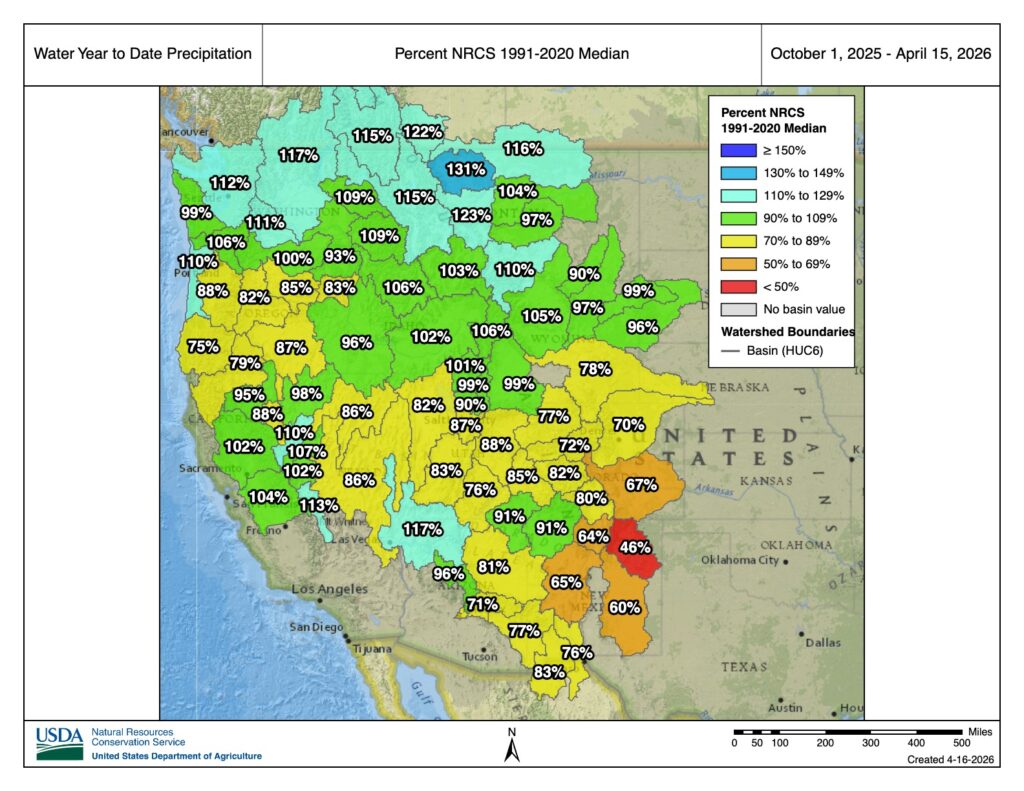
The data provided by the Natural Resources Conservation Service (NRCS) and the PRISM Climate Group paints a stark picture of the 2025-2026 season. The "snow recipe" requires two primary ingredients: moisture and cold. While the moisture component was relatively stable—with many basins reporting precipitation at 80% to 110% of average—the temperature component was the "smoking gun" for the season’s failure.
According to PRISM data, December 2025 was a meteorological outlier. While the Northeast and Upper Midwest of the United States experienced temperatures up to 5 degrees Fahrenheit below average, the West was engulfed in a heat dome. This disparity meant that even when storms crossed the Pacific, they lacked the cold air necessary to convert moisture into a durable snowpack.
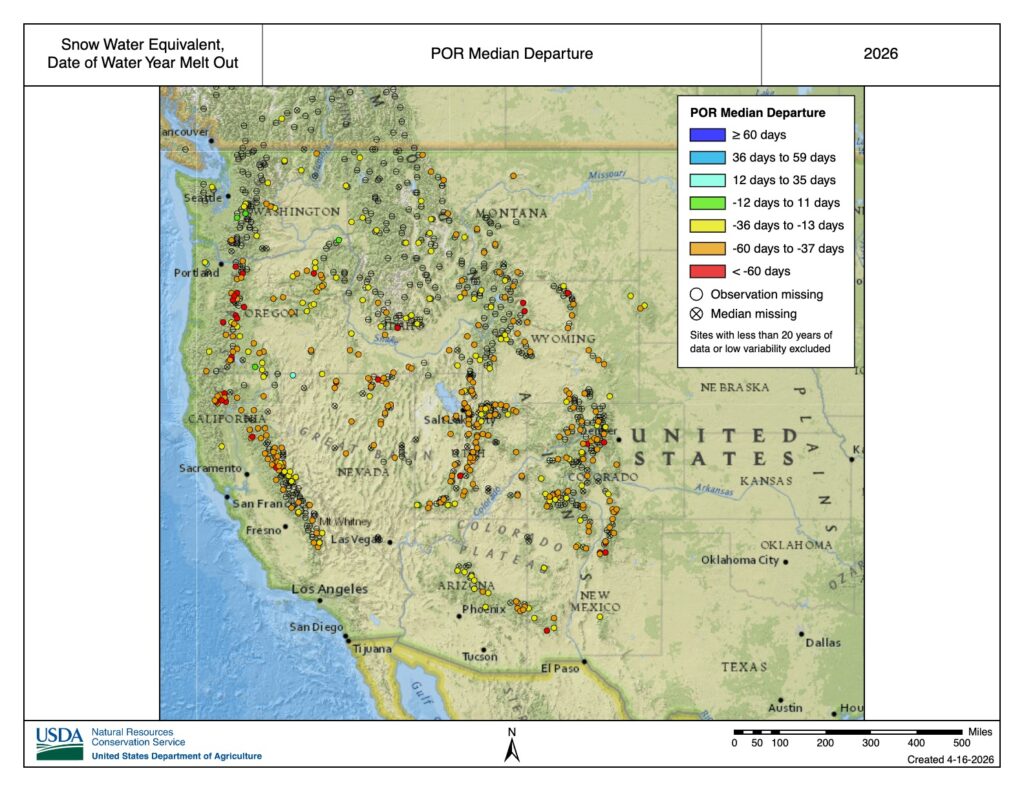
The impact on Snow Water Equivalent (SWE) was devastating. SWE is a critical metric for water managers, representing the amount of liquid water contained within the snowpack. On April 1, 2026, many observation stations across the Cascades, the Sierra Nevada, and the Central Rockies posted their worst peak values in 45 years. Perhaps more alarming was the "snow off" date data. NRCS monitoring stations reported that in many high-altitude locations, the snow had vanished entirely by mid-April. This melt-out occurred not just days or weeks early, but in some instances, two full months ahead of schedule.
The Hydrologic Cycle and the Global Fresh Water Crisis
To understand the gravity of a poor snow season, it is necessary to view it through the lens of global water scarcity. While Earth is often referred to as the "Blue Planet," the amount of water available for human use is remarkably small.
If all the water on Earth were gathered into a single sphere, its diameter would be approximately 860 miles—only about 40% of the moon’s diameter. When that volume is further filtered to exclude salt water, deep-crust groundwater, and polar ice caps, less than one-hundredth of one percent of the Earth’s total water is readily accessible to support the daily needs of eight billion people.
On average, approximately one meter of precipitation falls across the Earth’s land surfaces annually. While this equates to roughly 13,000 gallons per person per day, the primary challenge facing modern civilization is the mismatch between supply and demand. Water is often not where it is needed, or it arrives at the wrong time.
In the Western United States, the infrastructure of the 20th century—canals, aqueducts, and massive surface reservoirs like Lake Mead—was designed to bridge this gap. These systems capture winter runoff and store it for summer irrigation and municipal use. However, these man-made structures are increasingly under strain, as evidenced by the declining elevations of Lake Mead, the reservoir behind the Hoover Dam. Years of consecutive dry conditions and rising temperatures have forced urgent, and often contentious, conversations regarding water allocation among the seven states in the Colorado River Basin.
The Invisible Reservoir: Why Snow is Irreplaceable
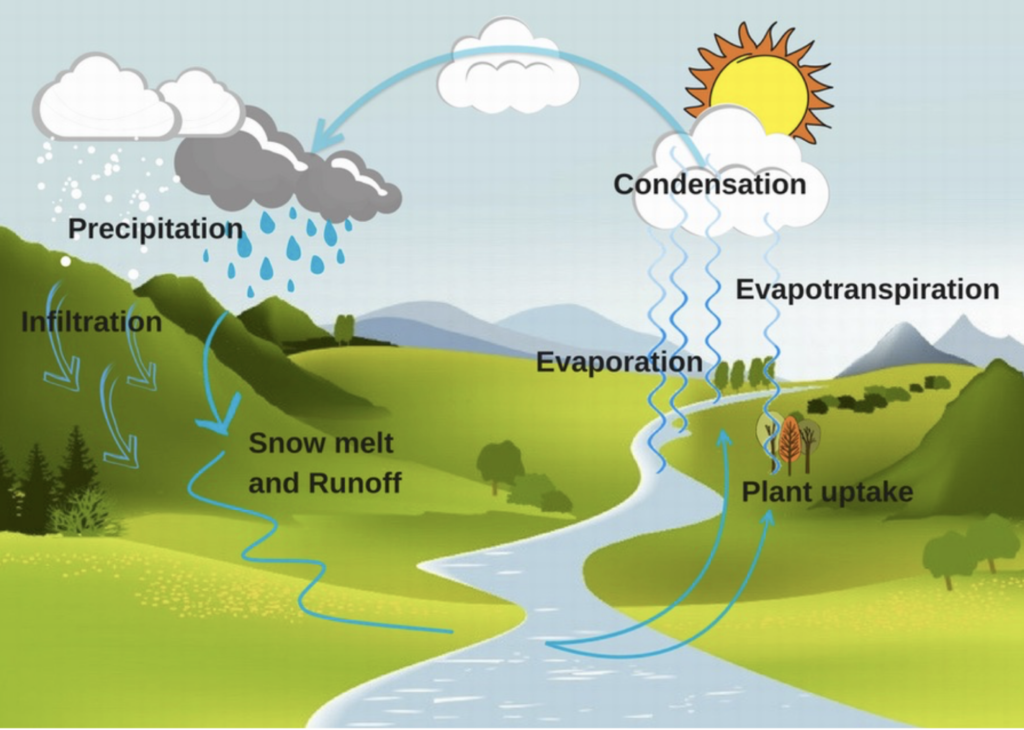
The most critical, yet often overlooked, component of the Western water system is the seasonal snowpack. Often described as an "invisible reservoir," the snowpack acts as a massive, natural storage system that holds water in solid form throughout the winter and releases it gradually during the late spring and early summer.
The benefits of this natural lag between precipitation and runoff are manifold:
- Flood Mitigation: By storing water in the mountains, the snowpack prevents massive volumes of liquid from rushing into valleys all at once during winter storms.
- Ecological Health: The slow release of snowmelt ensures that stream temperatures remain cool well into the summer, which is vital for the survival of salmon, trout, and other aquatic species.
- Distributed Storage: Unlike man-made reservoirs, which require the flooding of canyons and the interruption of fish migration, the snowpack is widely distributed across the landscape, exerting a minimal ecological footprint while storing vast quantities of water.
Estimates suggest that the amount of water stored as snow across the contiguous United States at its peak is approximately five times the total capacity of Lake Mead. When this "natural insurance policy" fails to materialize, as it did in the 2025-2026 season, the pressure on man-made infrastructure increases exponentially.
Implications for the Summer of 2026 and Beyond
The early melt-out of the 2026 snowpack carries significant implications for the upcoming summer. With the "natural reservoir" empty months ahead of schedule, soil moisture levels are expected to drop rapidly, increasing the risk of early and severe wildfire seasons across Oregon, Washington, and California.
Agricultural sectors that rely on "run-of-the-river" water rights—those without access to large storage reservoirs—may face significant curtailments. Furthermore, the lack of cool meltwater inflow is likely to lead to higher river temperatures, potentially triggering emergency fishing closures and impacting hydroelectric power generation.
Dr. David Hill, a professor at Oregon State University and a National Geographic Explorer who has studied mountain hydrology for over 25 years, notes that while the 2025-2026 season was an anomaly, it fits into a concerning long-term trend. "Snow is unpredictable and highly variable across many different time scales," Hill states. "What complicates our understanding is that massive variations from one year to the next are riding on top of long-term dwindling trends. A lean year can be followed by a record-breaker, but the overall trajectory is toward a shorter, warmer winter."
Conclusion: Adapting to a Variable Future
The 2025-2026 snow season serves as a stark reminder of the vulnerability of the Western United States’ water supply. The transition from a snow-dominated winter to a rain-dominated one necessitates a paradigm shift in how water is managed, stored, and conserved.
For the outdoor industry, the season was a period of "disappointment, grief, and even anger," as iconic landscapes remained brown when they should have been white. For water managers, it was a call to action to accelerate the development of more resilient infrastructure and more flexible allocation policies.
As the region moves into a summer defined by the failures of the previous winter, the focus remains on the "long game." While the variability of the climate means that next year could potentially bring a "boom" to follow this year’s "bust," the lessons of 2026 underscore the fact that snow and cold are not just luxuries for recreation—they are elemental and essential components of the region’s survival. The "glass half full" perspective offered by experts suggests that while the season was a loss, it provides invaluable data for preparing for a future where the "hot mess" of 2026 may become the new normal.
