

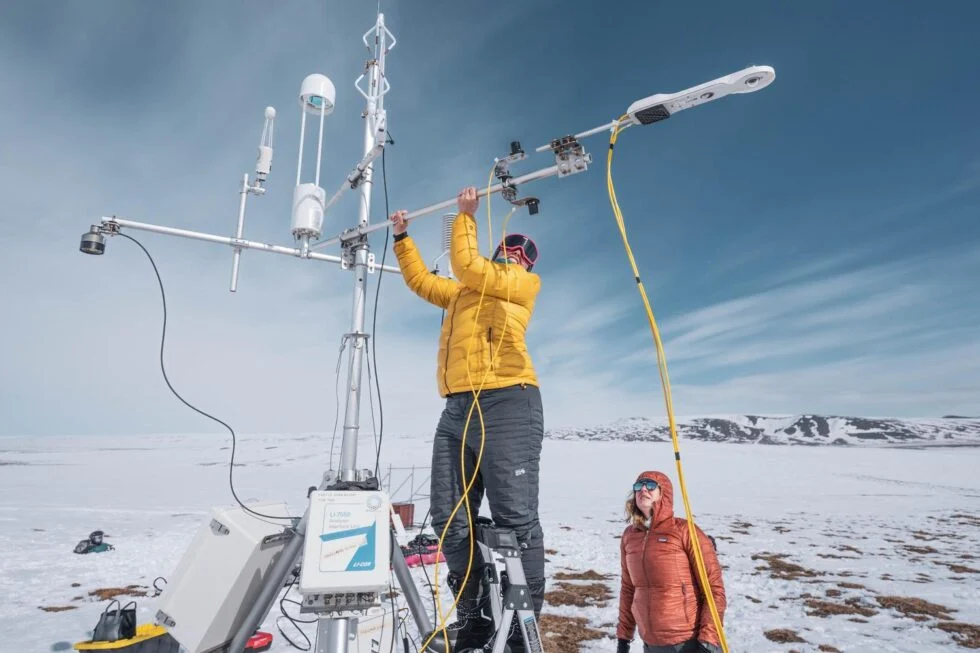
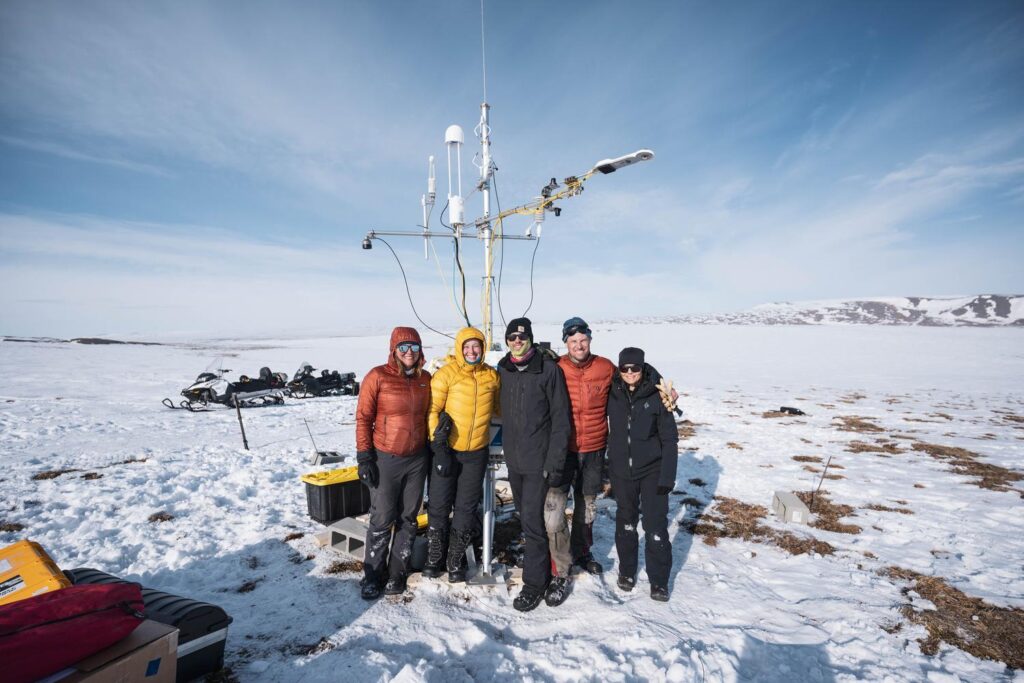
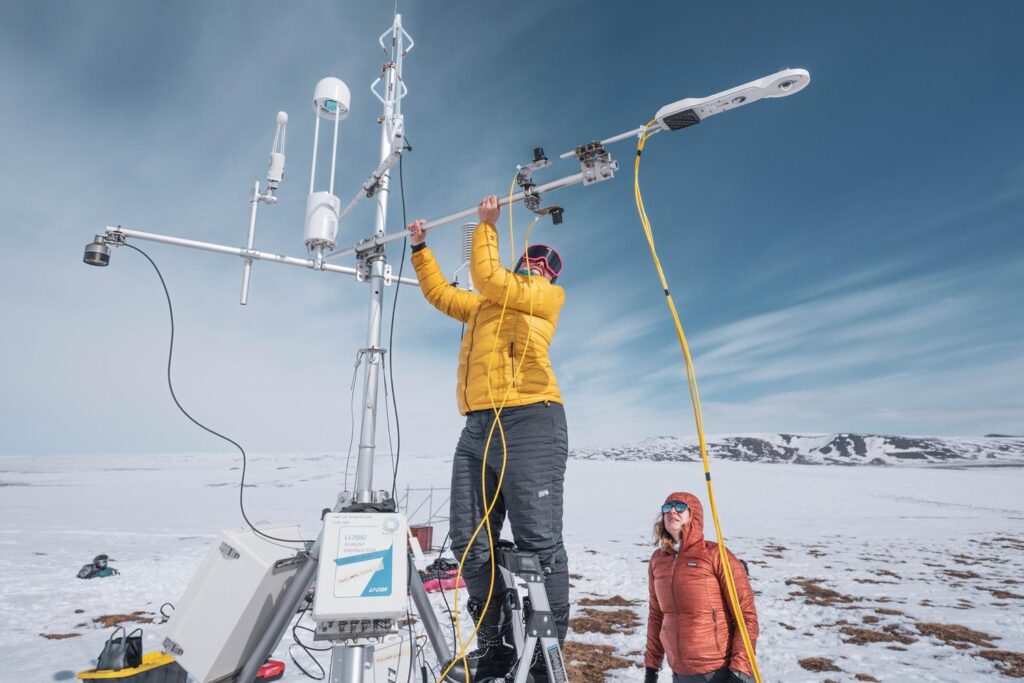
A specialized team of researchers led by ecologist Dr. Jenny Watts and snow scientist Dr. Kelly Gleason recently completed a critical mission at the Toolik Field Station on Alaska’s North Slope, marking a significant milestone in Arctic climate research. The expedition, conducted in partnership with the Protect Our Winters (POW) Science Alliance and the Woodwell Climate Research Center, focused on the installation of a state-of-the-art flux tower at a permafrost thaw slump. This installation represents the first of its kind in the Arctic specifically designed to evaluate methane and carbon dioxide emissions from a localized area of rapidly collapsing permafrost.
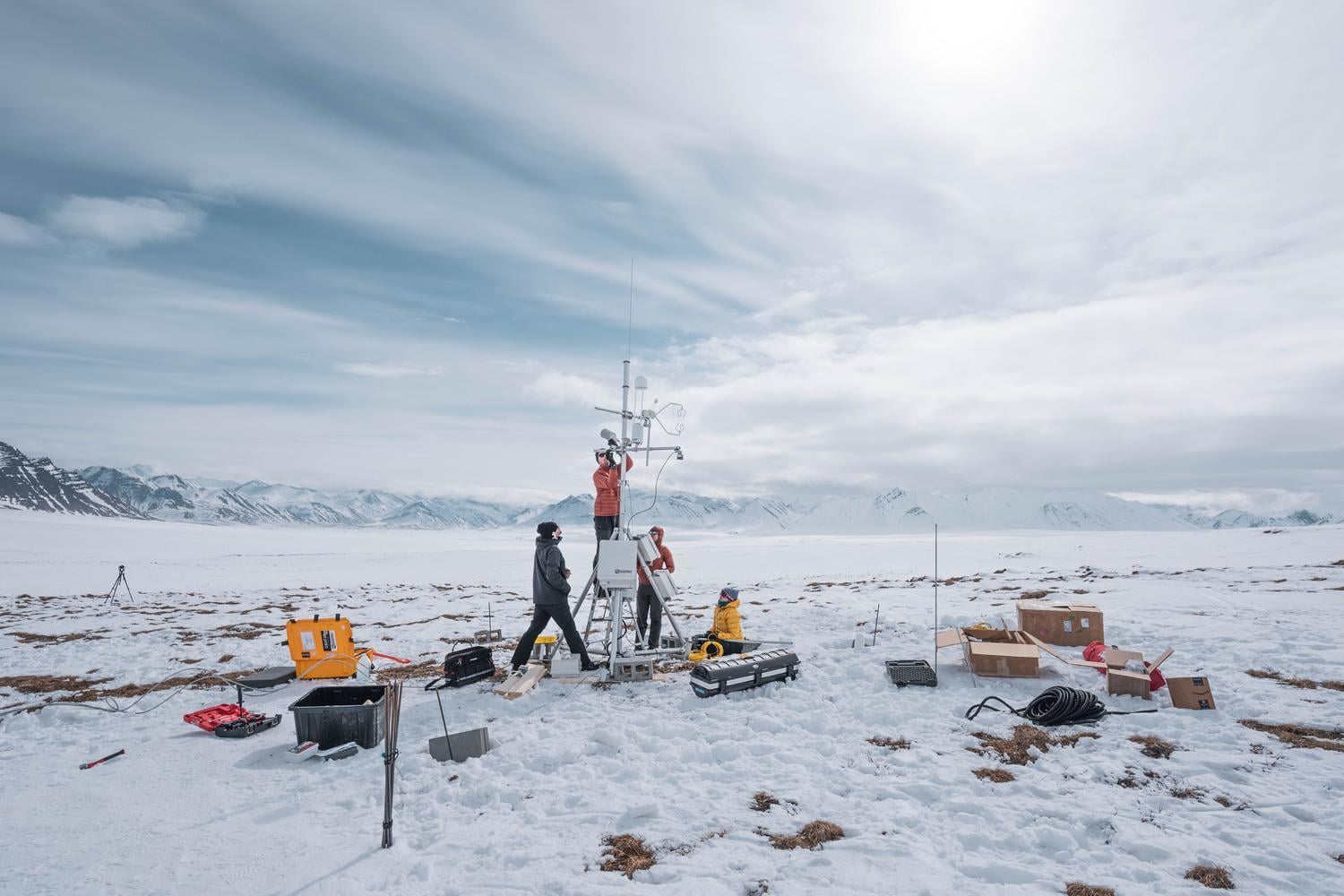
The mission addresses a critical gap in current climate science: the underestimation of greenhouse gas emissions from abrupt permafrost thaw. While gradual thawing of the Arctic tundra is well-documented, "thaw slumps"—dramatic, steep eroding features where frozen ground loses its structural integrity—act as hotspots for carbon release. Because these features are often too small to be captured by low-resolution satellite data or general climate models, their contribution to the global carbon budget has remained largely speculative. The new flux tower aims to provide the high-resolution empirical data necessary to refine these global projections.
Technical Scope of the Toolik Field Expedition
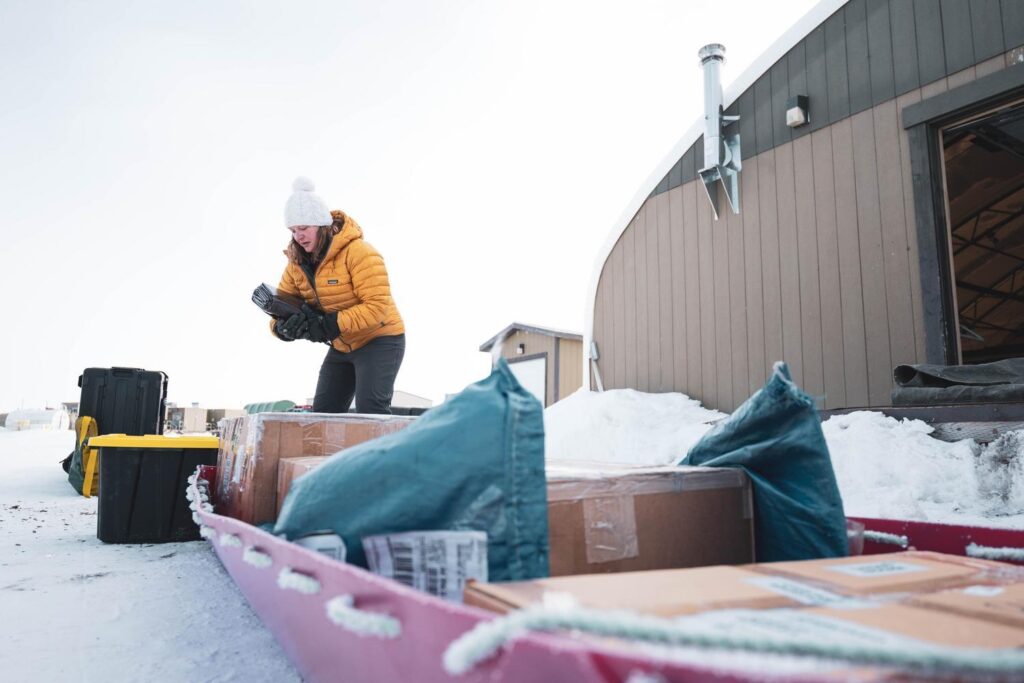
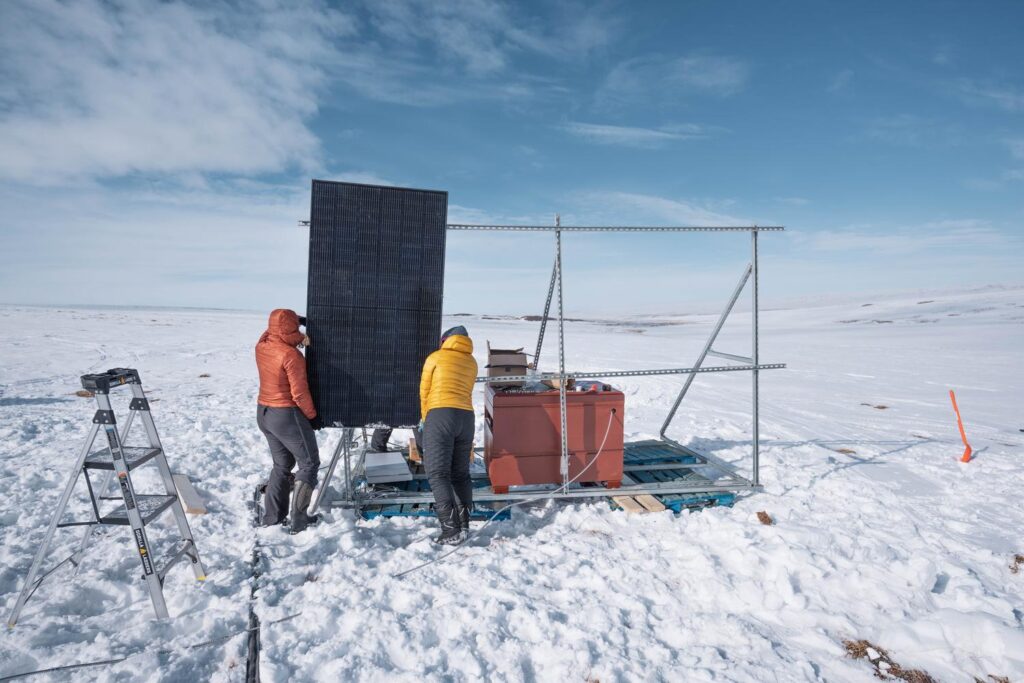
The deployment of the flux tower involved significant logistical challenges, requiring the transport of heavy industrial equipment across the frozen tundra. The research team, which included scientists Kyle, Christina, and Kai, utilized snowmachines and heavy-duty sleds to navigate the vast expanse of the North Slope. The equipment load included a 15-foot aluminum frame, guy-lines, cement anchors, and four large solar panels. Powering the sensitive instrumentation required eight deep-cell batteries, each weighing over 100 pounds, housed within a massive electrical enclosure designed to withstand the extreme Arctic environment.
The tower utilizes eddy covariance technology to measure the "breath" of the ecosystem. By recording high-frequency fluctuations in vertical wind speed alongside changes in gas concentrations, the sensors can calculate the net exchange of carbon dioxide (CO2) and methane (CH4) between the ground and the atmosphere. Methane is of particular concern to the team; though it persists in the atmosphere for a shorter duration than CO2, its global warming potential is roughly 28 to 36 times greater over a 100-year period.
The Role of Permafrost Thaw Slumps in Global Warming
Permafrost, defined as ground that remains frozen for at least two consecutive years, covers approximately 15% of the Northern Hemisphere. It acts as a massive carbon reservoir, containing an estimated 1,500 billion tons of organic carbon—nearly twice the amount currently present in the Earth’s atmosphere. As the Arctic warms at a rate approximately four times faster than the global average, this "frozen" carbon is becoming vulnerable.
Thaw slumps occur when ice-rich permafrost melts, causing the overlying soil to collapse and slide downhill. This process exposes ancient organic matter—roots, leaves, and animal remains that have been frozen for millennia—to microbial decomposition. When this material thaws, microbes begin to consume the organic matter, releasing CO2 and methane as metabolic byproducts.
"Thaw slumps are dramatic signs of permafrost collapse," the research team noted during the installation. "These sites can emit immense quantities of greenhouse gases, much more than the surrounding intact tundra. Yet global climate models rarely account for them, meaning we may be underestimating the Arctic’s contribution to future warming."
Chronology of Field Observations and Snow Pit Analysis
The expedition took place during the transitional period of early May, a time when the snowpack begins to interact dynamically with the warming atmosphere. While the primary goal was the installation of the flux tower, Dr. Kelly Gleason conducted parallel research into snow hydrology and albedo—the measure of a surface’s reflectivity.
Throughout the first week of the mission, the team observed a landscape in flux. Early morning temperatures remained frigid, with hoarfrost covering the tundra, but the low-angled sun provided enough energy to begin the complex process of thermal exchange within the snowpack. Dr. Gleason’s investigations focused on the insulating properties of Arctic snow, which creates a paradoxical effect on the permafrost below.
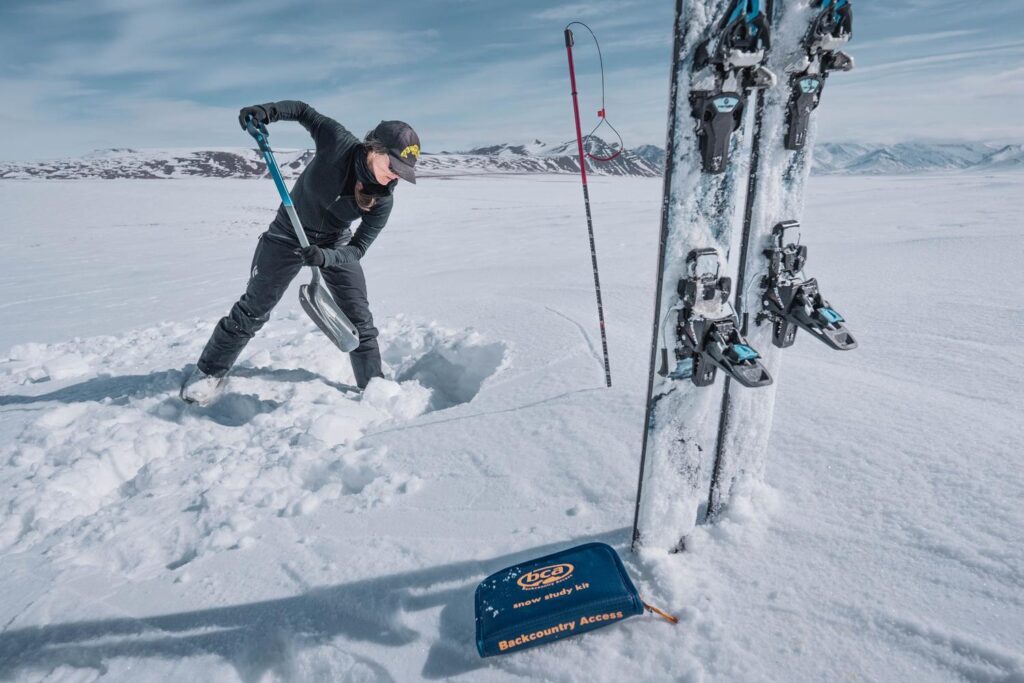
On May 5th, Gleason performed a comparative analysis of two distinct snowpacks to determine how depth influences ground temperature. The results highlighted a stark contrast in the thermal protection provided to the permafrost:
- The Deep Snowpack (approx. 2 meters): Despite a surface temperature of -3°C, the temperature at the base of the drift—where the snow meets the soil—was also near -3°C. The deep snow acted as a heavy thermal blanket, preventing the extreme cold of the Arctic winter from penetrating the ground.
- The Shallow Snowpack (57 centimeters): In contrast, the shallow snow allowed for significantly more heat loss. The temperature at the soil-snow interface was measured at -10°C. This site featured "depth hoar"—large, faceted ice crystals that form when steep temperature gradients cause water vapor to migrate upward through the snowpack.
These findings suggest that as Arctic snowfall patterns change, the health of the permafrost is at further risk. While more snow increases the surface albedo (reflecting more sunlight), it also increases insulation, keeping the ground warmer throughout the winter and potentially accelerating the thaw of the carbon-rich soil beneath.
Supporting Data: The Arctic Feedback Loop
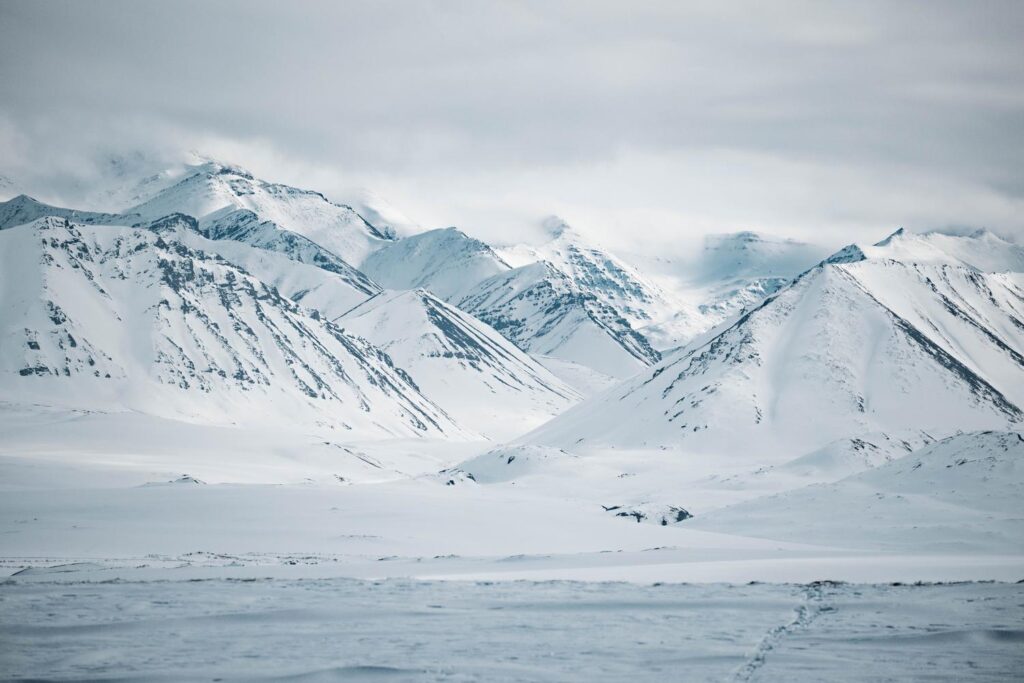
The research at Toolik Field Station is set against the backdrop of the "Arctic Amplification" phenomenon. Supporting data from the National Snow and Ice Data Center (NSIDC) indicates that Arctic sea ice extent has declined significantly over the last four decades. This loss of sea ice creates a feedback loop: as open water replaces white ice, the ocean absorbs more solar radiation, leading to warmer air temperatures.
Warmer air holds more moisture, which has led to increased snowfall in certain regions of the Arctic. While increased snow might intuitively seem like a cooling factor due to its brightness, the insulation data gathered by Dr. Gleason’s team suggests a more "troubling" reality. By shielding the permafrost from the deep freeze of winter, increased snowfall may actually be a primary driver of methane release.
"I’ve always known snow was an insulator, but I didn’t expect such a sharp contrast," Dr. Gleason observed. "That deeper snow isn’t just sitting quietly—it’s actively warming the ground, potentially accelerating permafrost thaw. It’s a classic Arctic feedback loop, hidden beneath a pristine white surface."
Stakeholder Responses and Scientific Advocacy
The expedition was supported by Protect Our Winters (POW), an organization that leverages the influence of the outdoor sports community to advocate for climate policy. The involvement of the POW Science Alliance underscores a growing trend in the scientific community: the move from objective observation to active advocacy.
Dr. Jenny Watts, an expert in carbon flux at the Woodwell Climate Research Center, emphasized that the data collected by the new flux tower is not just for academic use but is a tool for political and social change. "Protecting the Arctic starts with understanding it," the team stated. "But science alone isn’t enough. We need action. We need advocacy. We need to turn data into stories and research into responsibility."
The Woodwell Climate Research Center has long maintained that permafrost emissions could consume a significant portion of the remaining global "carbon budget" allowed to stay within the 1.5°C warming limit set by the Paris Agreement. By providing the first real-time, localized measurements of thaw slump emissions, Watts and Gleason hope to provide policymakers with a more accurate picture of the urgency required in decarbonization efforts.
Broader Impact and Implications for Global Climate Policy
The implications of the Toolik Field Station research extend far beyond the borders of Alaska. The data generated by the flux tower will be integrated into larger regional models to estimate the total "fugitive emissions" from permafrost thaw across the circumpolar North.
If the data confirms that thaw slumps are significant methane sources, it will necessitate a reevaluation of international climate targets. Current pledges by many nations do not fully account for natural feedback loops, meaning that even if human-caused emissions are reduced, the "Arctic carbon bomb" could continue to drive warming.
Furthermore, the physical collapse of permafrost has immediate local consequences. In Alaska, the Northwest Territories, and Siberia, thawing ground is already destabilizing infrastructure, causing "drunken forests" (where trees lean at erratic angles), and threatening the food security of Indigenous communities who rely on stable frozen ground for travel and traditional storage.
The expedition concludes with a call for a dual approach to the climate crisis: rigorous empirical science to map the changing landscape, and robust political advocacy to address the root causes of that change. As the flux tower begins its long-term monitoring of the North Slope, it stands as a sentinel, recording the invisible gases that will shape the future of the global climate. What happens in the Arctic, the researchers remind us, does not stay in the Arctic; it is a barometer for the health of the entire planet.
