

The United States federal government has initiated a sweeping series of executive and departmental actions aimed at fundamentally restructuring the nation’s energy landscape and scientific research priorities. In a coordinated effort spanning the Department of the Interior, the Department of Energy, and various executive agencies, the administration has moved to halt several multi-billion-dollar offshore wind projects, propose the largest expansion of offshore oil and gas leasing in American history, and intervene in the scheduled retirement of coal-fired power infrastructure. These actions represent a decisive pivot toward fossil fuel extraction and a significant reduction in federal support for renewable energy and atmospheric science.
The Suspension of Major Offshore Wind Initiatives
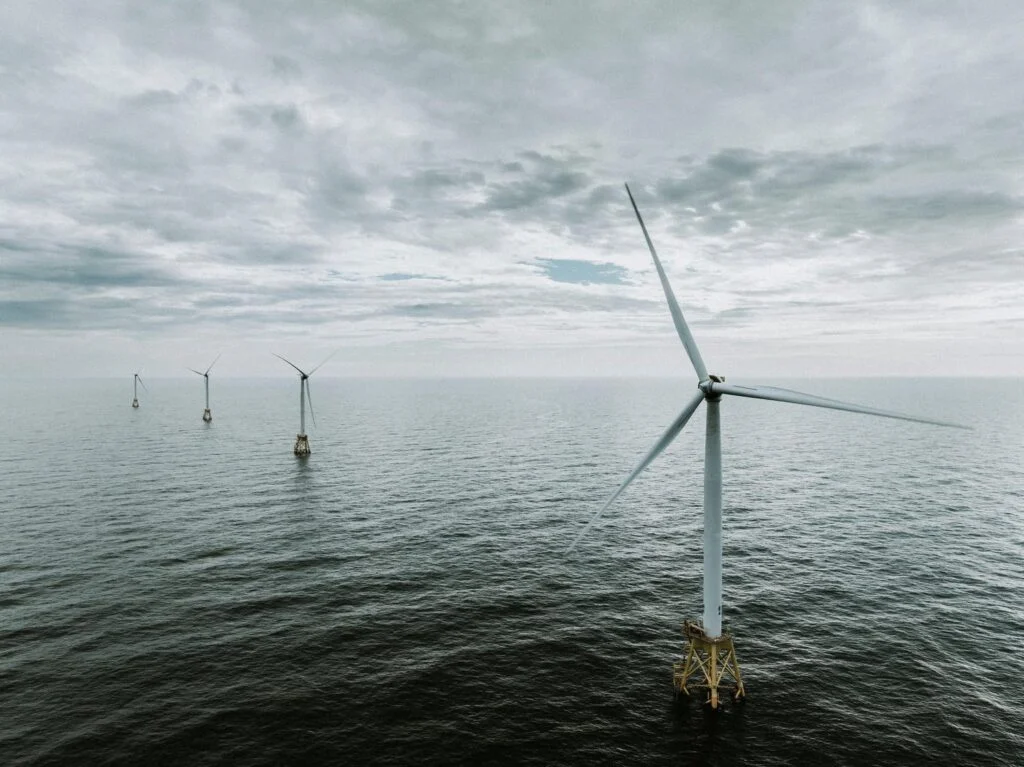
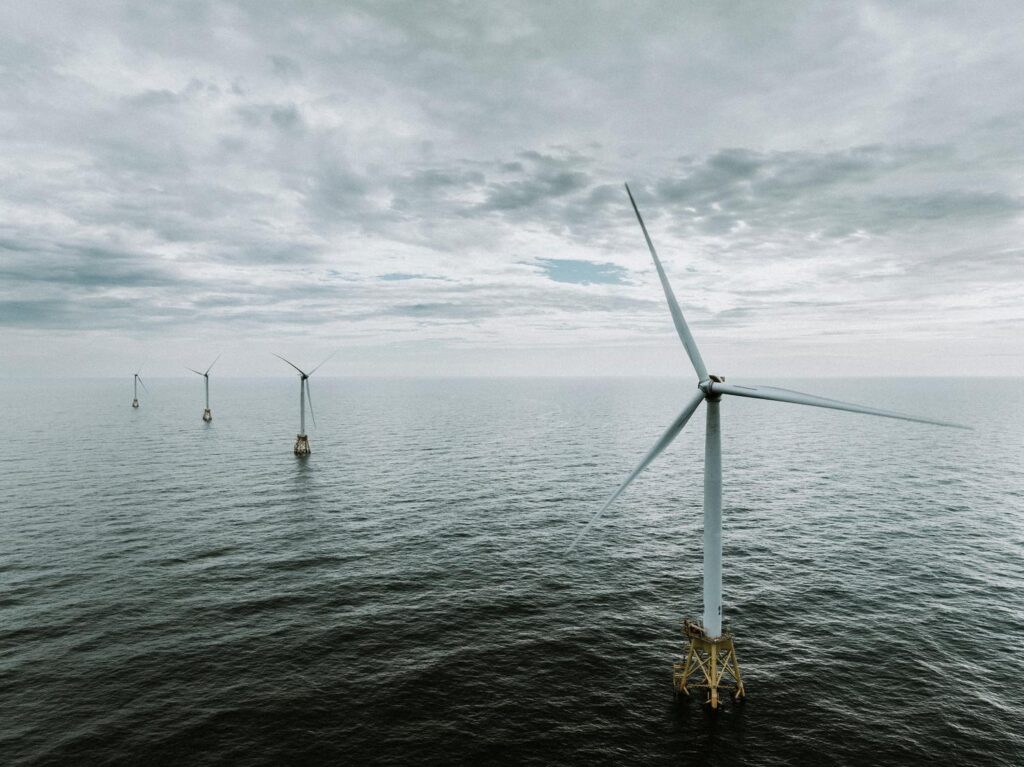
In a move that has sent shockwaves through the renewable energy sector, the Department of the Interior (DOI) recently issued orders to halt construction on five fully permitted offshore wind projects. The affected developments include Vineyard Wind, Revolution Wind, Coastal Virginia Offshore Wind, Sunrise Wind, and Empire Wind. These projects, which represent the vanguard of the American offshore wind industry, were in various stages of construction and were projected to provide gigawatts of clean electricity to the Eastern Seaboard.
The administration’s justification for the suspension centers on "national security" concerns. While the specific nature of these concerns remains classified, officials have suggested that the placement of large-scale wind turbines may interfere with military radar systems, naval navigation, or underwater surveillance capabilities. This invocation of national security allows the executive branch to bypass traditional regulatory reviews and judicial stay processes that typically govern infrastructure permits.
The suspension impacts an estimated $20 billion in private investment. Vineyard Wind, for instance, was slated to be the first commercial-scale offshore wind farm in the United States, with a capacity of 800 megawatts—enough to power 400,000 homes. Industry analysts note that these halts create significant market uncertainty, potentially deterring future investment in the U.S. renewable sector.
Proposed Expansion of Offshore Oil and Gas Leasing
Simultaneous with the wind energy freeze, the administration has unveiled a draft proposal to open 1.27 billion acres of U.S. coastal waters to oil and gas exploration. This plan encompasses nearly the entire Outer Continental Shelf, including sensitive areas off the coasts of California and Florida, as well as vast tracts in the Arctic and the Gulf of Mexico.

This proposal marks a total reversal of the 2024–2029 National Outer Continental Shelf Oil and Gas Leasing Program, which had limited new leases to a record-low number. The new plan seeks to maximize domestic energy production, with the administration arguing that increased drilling will lower energy costs and bolster the nation’s geopolitical leverage.
The scale of the proposal is unprecedented. By targeting 1.27 billion acres, the administration is effectively putting the entirety of the U.S. maritime economic zone on the auction block. Proponents of the move, including major petroleum trade groups, argue that it will create thousands of jobs and provide a steady stream of federal revenue through lease sales and royalties. Conversely, coastal state governors from both political parties have expressed concerns regarding the potential for oil spills and the impact on tourism and local fishing economies.
Federal Intervention at the Craig Generating Station
In the interior of the country, the Department of Energy (DOE) has exercised rarely used emergency powers to keep an aging coal plant operational. The Craig Generating Station Unit 1, located in northwestern Colorado, was scheduled for decommissioning on December 31. However, one day prior to the shutdown, the DOE invoked Section 202(c) of the Federal Power Act, which allows the government to mandate the operation of power facilities during "war or emergency."
The 448-megawatt unit, which has been in operation for nearly 50 years, was originally slated for closure as part of a transition plan by its operator, Tri-State Generation and Transmission Association. The utility had intended to replace the aging coal capacity with a mix of renewable energy and battery storage to reduce costs and meet state environmental standards.
The DOE’s intervention is based on the claim that the plant is necessary to maintain grid reliability during peak winter demand. However, the plant had already been offline due to mechanical failures and uneconomic operating costs. Critics of the decision argue that forcing the plant back online will result in higher electricity rates for consumers, as the cost of maintaining and fueling the obsolete unit exceeds the market price of modern energy alternatives.
Threat to the National Center for Atmospheric Research (NCAR)
The administration’s policy shifts extend beyond energy production into the realm of federal science. Recent budgetary and administrative directives have placed the National Center for Atmospheric Research (NCAR) under intense scrutiny, with threats of a total shutdown or significant defunding. Based in Boulder, Colorado, NCAR is a federally funded research and development center managed by the University Corporation for Atmospheric Research (UCAR) under a cooperative agreement with the National Science Foundation (NSF).
Since its founding in 1960, NCAR has been the primary institution for U.S. climate modeling and weather forecasting research. The center maintains the Weather Research and Forecasting (WRF) model, which is used by the National Weather Service and private meteorologists worldwide. Furthermore, NCAR operates some of the world’s most powerful supercomputers, such as the "Derecho" system, to simulate complex atmospheric phenomena.
The potential closure of NCAR would have immediate implications for various sectors:
- Aviation: NCAR’s research into wind shear and turbulence is critical for flight safety.
- Agriculture: Long-term precipitation modeling provided by NCAR assists farmers in crop planning.
- Disaster Management: The center’s wildfire behavior models are used by emergency responders to predict the spread of large-scale fires in the West.
- National Defense: Atmospheric data is vital for naval operations and missile trajectory calculations.
Chronology of Recent Events
The current trajectory of energy policy can be traced through a series of rapid developments occurring over the recent holiday period:
- December 15: The DOI begins an internal review of offshore wind permits, citing "unresolved security vulnerabilities."
- December 20: The draft 5-year plan for offshore drilling is leaked, revealing the 1.27-billion-acre target.
- December 28: Formal notices are sent to Vineyard Wind and other developers to cease construction activities immediately.
- December 30: The DOE issues the emergency order for Craig Generating Station Unit 1.
- January 2: Administrative memos circulate regarding the restructuring of NSF grants, specifically targeting NCAR’s atmospheric modeling programs.
Supporting Data and Economic Analysis
The economic shift represented by these policies is substantial. According to data from the American Clean Power Association, the offshore wind industry was expected to support 83,000 jobs by 2030. The sudden halt of these projects puts thousands of existing manufacturing and maritime jobs at risk, particularly in states like Massachusetts, Virginia, and New York.
On the fossil fuel side, the administration points to the potential for trillions of cubic feet of natural gas and billions of barrels of oil located in the Outer Continental Shelf. The U.S. Energy Information Administration (EIA) notes that while offshore production has a long lead time (often 10 years from lease to first oil), the long-term output could significantly alter global supply dynamics.
Regarding the Craig Generating Station, independent economic analysts from groups like Energy Innovation have previously found that nearly 99% of the U.S. coal fleet is currently more expensive to operate than replacing it with new solar or wind power. The forced operation of Unit 1 is estimated to cost local ratepayers an additional $5 million to $10 million per month in fuel and maintenance premiums.

Official Responses and Perspectives
The administration’s actions have drawn polarized reactions from stakeholders across the country.
The Administration’s Position:
White House spokespeople have characterized these moves as a return to "energy realism." They argue that the previous focus on renewables was premature and compromised national security. "We are prioritizing the stability of the American grid and the security of our borders and waters," a senior official stated. "This requires a robust fossil fuel portfolio and a careful re-evaluation of experimental offshore technologies."
State and Local Leaders:
Colorado Governor Jared Polis criticized the intervention at the Craig plant, stating that it "undermines local control and forces Coloradans to pay more for dirtier air." Conversely, some local officials in Moffat County, where the plant is located, have expressed hope that the move will preserve local tax revenue and jobs in the short term.
Industry Leaders:
The American Petroleum Institute (API) welcomed the offshore drilling proposal, calling it "a vital step toward long-term energy security." Meanwhile, the CEO of Avangrid (a partner in Vineyard Wind) expressed "deep disappointment," noting that the company had met every regulatory hurdle and was blindsided by the national security claims.
Broader Impact and Long-term Implications
The confluence of these decisions suggests a broader strategy to diminish the role of climate science in federal decision-making while entrenching fossil fuel infrastructure. By halting wind projects mid-construction, the government is signaling a change in the "sanctity of contract" for federal permits, which may have long-term effects on how international investors view U.S. infrastructure projects.
The threat to NCAR represents a shift toward a "data-limited" policy environment. Without robust atmospheric modeling, the scientific basis for future climate regulations would be significantly weakened, potentially making it more difficult for future administrations to re-implement carbon-cutting measures.
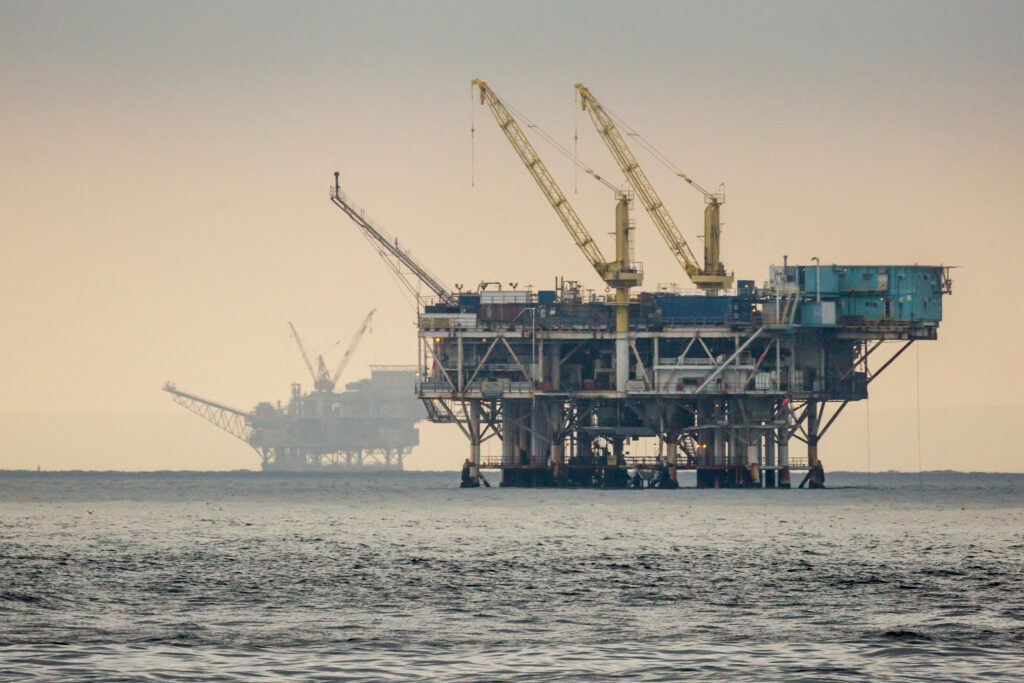
Furthermore, the expansion of offshore drilling into the Arctic and Pacific could lead to decades of legal battles. Environmental organizations and coastal states are expected to file numerous lawsuits under the National Environmental Policy Act (NEPA) and the Outer Continental Shelf Lands Act.
In conclusion, the U.S. energy landscape is currently undergoing its most radical transformation in decades. The transition from a policy of decarbonization to one of fossil fuel maximization is being executed with speed and through the use of expansive executive powers. The ultimate outcome of these policies will likely be determined in federal courts and through the economic realities of a global energy market that remains in a state of flux.
