

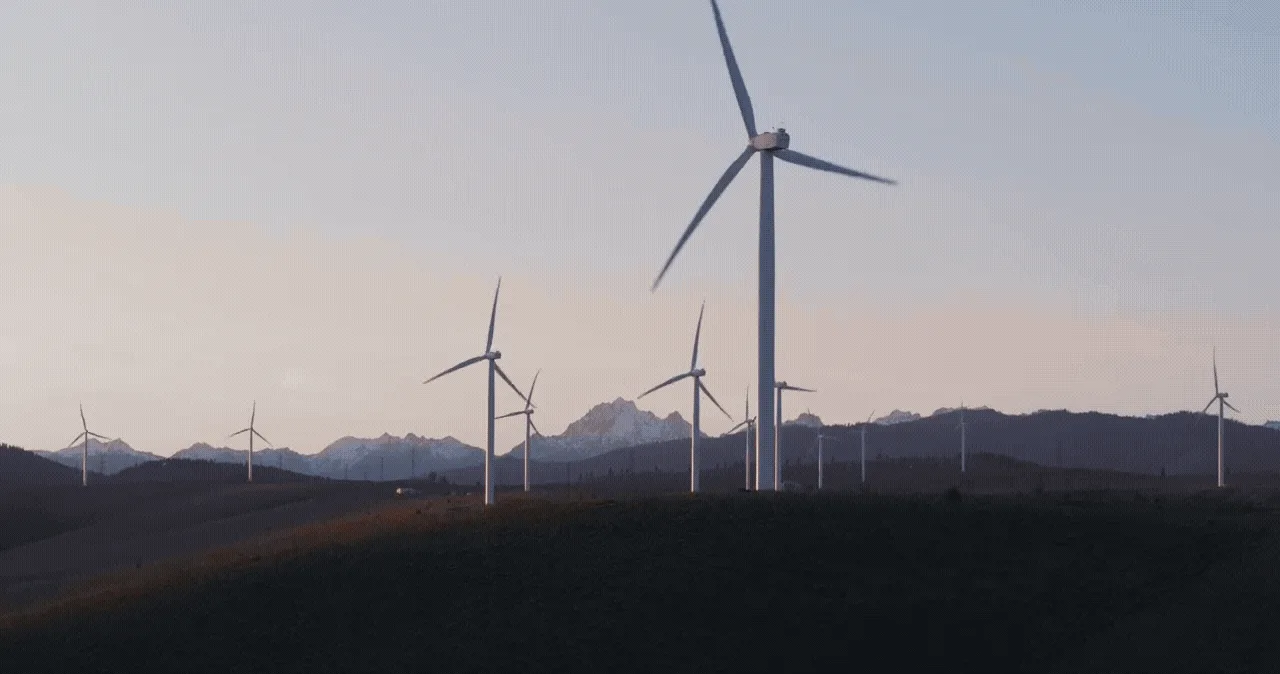
The global transition toward renewable energy is currently facing a dual challenge: the technical hurdle of scaling infrastructure and a sophisticated, well-funded campaign of disinformation designed to undermine public confidence in clean technology. As wind, solar, and electric vehicle (EV) sectors experience record-breaking growth, there has been a proportional rise in narratives claiming these technologies are environmentally destructive, economically unviable, or structurally unreliable. Investigative reports and climate advocacy groups, including Protect Our Winters (POW), have identified these patterns not as organic skepticism, but as a coordinated effort often linked to fossil fuel interests seeking to protect market share and delay the decarbonization of the global economy.
The Anatomy of Deception: Misinformation versus Disinformation
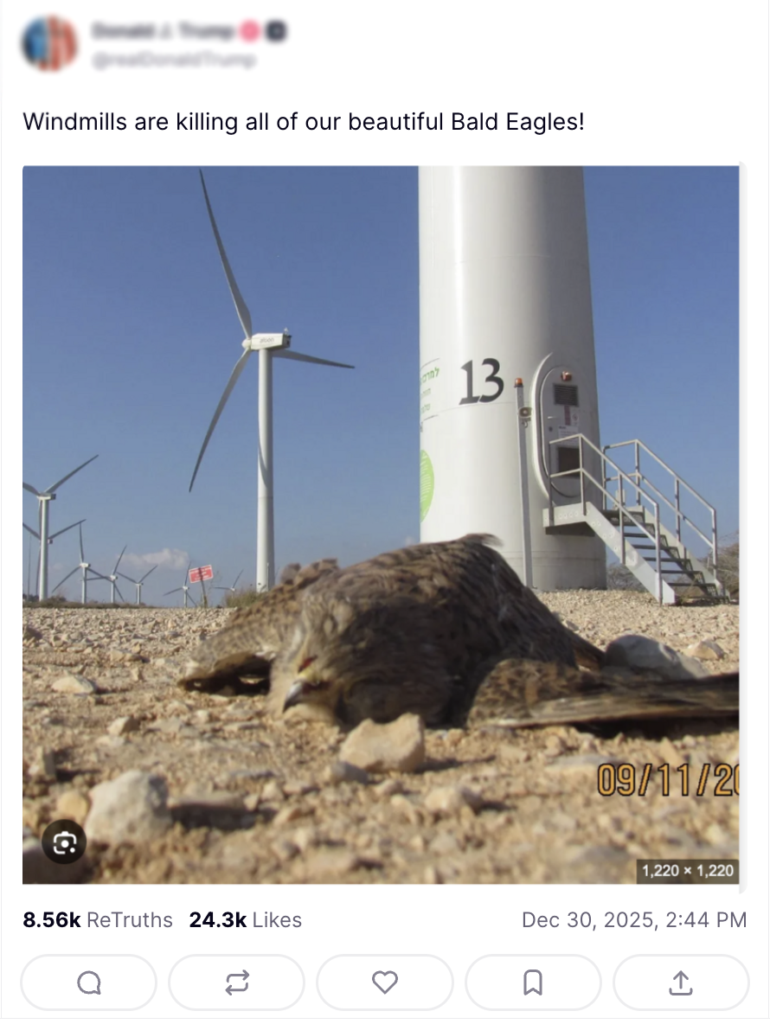
To understand the current landscape of climate discourse, it is essential to distinguish between misinformation and disinformation. While both impede progress, their origins and intentions differ significantly. Misinformation refers to the sharing of false or inaccurate information without a malicious intent to deceive. This is often seen in social media discourse where individuals share outdated or misunderstood data regarding bird strikes at wind farms or the lifecycle emissions of EVs.
Disinformation, conversely, is the deliberate creation and dissemination of false narratives intended to mislead the public. Analysts have noted that large-scale energy suppliers have historically utilized their vast capital and influence to seed these narratives. By strategically placing misleading content across digital platforms and funding "astroturf" campaigns—fake grassroots movements—these actors create an environment of manufactured doubt. The goal is rarely to win a scientific debate, but rather to stall policy implementation through confusion, shifting the conversation away from systemic solutions toward narrow, exaggerated claims.

A Chronology of Climate Narrative Manipulation
The current wave of renewable energy disinformation is the latest chapter in a decades-long history of corporate narrative control.
- The Era of Internal Awareness (1970s–1980s): Internal documents from major oil corporations, such as Exxon, reveal that industry scientists were aware of the link between fossil fuel combustion and global warming as early as the late 1970s. During this period, the industry’s public stance remained largely neutral while internal research confirmed the looming crisis.
- The Rise of Public Denial (1990s–2000s): Following the establishment of the Intergovernmental Panel on Climate Change (IPCC), the strategy shifted to overt denial. Front groups were funded to challenge the scientific consensus and frame climate change as a matter of "uncertainty" rather than empirical fact.
- The Shift to Individual Responsibility (2000s–2010s): In a tactical pivot, companies began promoting the concept of the "personal carbon footprint." This maneuver successfully shifted the burden of climate action from systemic industrial producers to individual consumers, distracting from the need for large-scale regulatory changes.
- The Current Wave of "Greenwashing" and Delay (2020–Present): As the reality of climate change became undeniable, the strategy evolved into "greenwashing"—claiming support for net-zero goals while simultaneously expanding oil and gas production. This phase is characterized by the aggressive disparagement of renewable alternatives to maintain the status quo.
Empirical Analysis: Debunking Prevailing Myths
Data from leading scientific institutions provides a stark contrast to the claims often found in anti-renewable campaigns. By examining the lifecycle impacts of modern technology, the benefits of the clean energy transition become clear.
The Lifecycle of Electric Vehicles
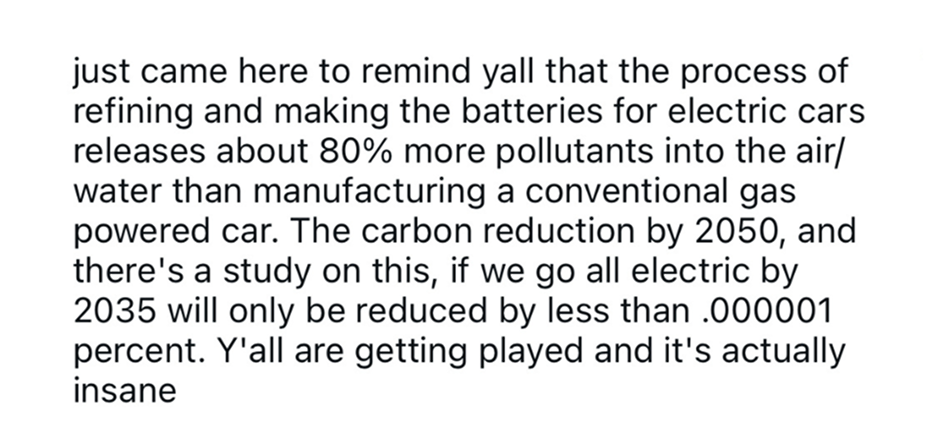
A common disinformation trope suggests that the production of EV batteries is more carbon-intensive than the manufacturing and operation of internal combustion engine (ICE) vehicles. While mineral extraction for batteries does require significant energy, researchers at the Massachusetts Institute of Technology (MIT) have provided comprehensive data to the contrary. Their findings indicate that gasoline-powered cars emit an average of 350 grams of CO2 per mile over their lifetimes. In contrast, fully battery-electric vehicles generate approximately 200 grams per mile—a 43% reduction. Furthermore, as the electrical grid becomes increasingly powered by renewables, the operational emissions of EVs continue to decline, a benefit that fossil-fuel vehicles can never achieve.
Offshore Wind and Marine Ecosystems
The impact of offshore wind farms on aquatic life is another frequent target of misinformation. Critics often point to habitat disruption and potential harm to marine mammals. However, environmental scientists note that all forms of energy production require infrastructure. While offshore wind projects must be pursued with rigorous conservation standards, the risks are significantly lower than those associated with offshore oil drilling. Oil rigs carry the perpetual risk of spills, which can poison entire ecosystems for decades. According to reports from the Bureau of Ocean Energy Management (BOEM), climate change itself remains the single greatest threat to ocean health, driven by the very carbon emissions that wind energy seeks to eliminate.
Land Use and Solar Energy
Claims that solar farms "ruin" farmland ignore the growing field of agrivoltaics—the dual use of land for both solar power generation and agriculture. Studies have shown that certain crops thrive in the partial shade provided by solar panels, which also helps retain soil moisture. This synergy allows farmers to diversify their income while contributing to the energy transition, contradicting the narrative that clean energy and food security are mutually exclusive.
The Economic Influence of Fossil Fuel Interests
The persistence of these myths is fueled by the immense lobbying power of the fossil fuel industry. Financial disclosures indicate that the world’s five largest publicly traded oil and gas companies spend approximately $200 million annually on lobbying to control, delay, or block binding climate-motivated policy. This spending is complemented by sophisticated digital marketing campaigns that target specific demographics with "red herring" arguments—logical fallacies that lead listeners away from the relevant topic of carbon reduction and toward minor, solvable technical hurdles.
Industry analysts point out a fundamental contradiction in corporate messaging: many major oil firms claim to support decarbonization while simultaneously increasing capital expenditure for new oil and gas exploration. Economic experts argue that it is mathematically impossible to meet global emission targets while expanding the production of the very commodities responsible for those emissions.
Official Responses and Policy Implications
Governments and international bodies are beginning to respond to the threat of disinformation. The European Union has introduced regulations aimed at curbing "greenwashing" by requiring companies to provide evidence-based substantiation for environmental claims. In the United States, the Securities and Exchange Commission (SEC) has moved toward requiring greater transparency in climate-related risk disclosures.
Environmental organizations and climate advocates emphasize that the goal is not "perfection," but rather a transition that is "better and necessary." They argue that while renewable energy is not without its own environmental footprint—particularly regarding mineral mining—it offers a significantly safer, cleaner, and more sustainable pathway than the continued extraction of finite fossil resources.
Broader Impact: The Cost of Stalled Progress
The implications of successful disinformation campaigns are profound. When public opinion is swayed by false narratives, it creates political friction that slows the deployment of critical infrastructure. This delay has tangible economic costs, including lost opportunities in the burgeoning green technology market and increased expenditures for climate-related disaster recovery.
Furthermore, the "straw man" arguments used to attack renewables often distract from the urgent need to modernize the national power grid and invest in energy storage. By focusing on exaggerated or false claims, the public discourse is prevented from addressing the actual logistical challenges of the energy transition, such as workforce development and supply chain resilience.
Conclusion: Strategies for Climate Literacy
To counter the tide of disinformation, experts suggest a multi-pronged approach rooted in climate literacy and civic engagement.

- Source Verification: Consumers of information must prioritize scientific evidence and data from reputable institutions like the IPCC, NASA, and leading research universities. Articles or posts making sweeping claims without citations should be viewed with skepticism.
- Supporting Transparent Organizations: Funding and following organizations dedicated to clean energy education ensures that factual narratives have the resources to compete with corporate-funded campaigns.
- Civic Participation: Advocacy at the local level is crucial. Participating in municipal elections and supporting zoning for renewable projects can counteract the localized disinformation that often halts progress on wind and solar installations.
- Voting for Accountability: Engaging in the democratic process remains the most effective tool for ensuring that national policies reflect scientific reality rather than corporate interests.
The transition to a renewable energy future is an unprecedented feat of human innovation. While the campaign to undermine this progress is well-funded and strategically deployed, it remains vulnerable to the persistent application of scientific truth and public education. By identifying the mechanics of disinformation and focusing on empirical data, society can move past manufactured doubt toward a responsible and necessary energy evolution.
