


In the frozen expanse of the McMurdo Ice Shelf, a team of glaciologists is currently engaged in a high-stakes investigation to determine the structural integrity of the world’s most vital maritime barriers. Led by Dr. Ali Banwell, a Research Scientist at the University of Colorado Boulder and Professor of Glaciology at Northumbria University, the expedition represents a critical effort to quantify the stability of the Antarctic Ice Sheet. As global temperatures continue to fluctuate, the question of how long these massive ice structures can resist the pressure of a warming ocean has become a central concern for climate scientists and coastal urban planners alike. The research, supported by the National Science Foundation (NSF) and the Protect Our Winters (POW) Science Alliance, focuses on the mechanical "buttressing" effect of ice shelves—the floating extensions of land-based glaciers that act as a braking system for the continent’s vast interior ice.
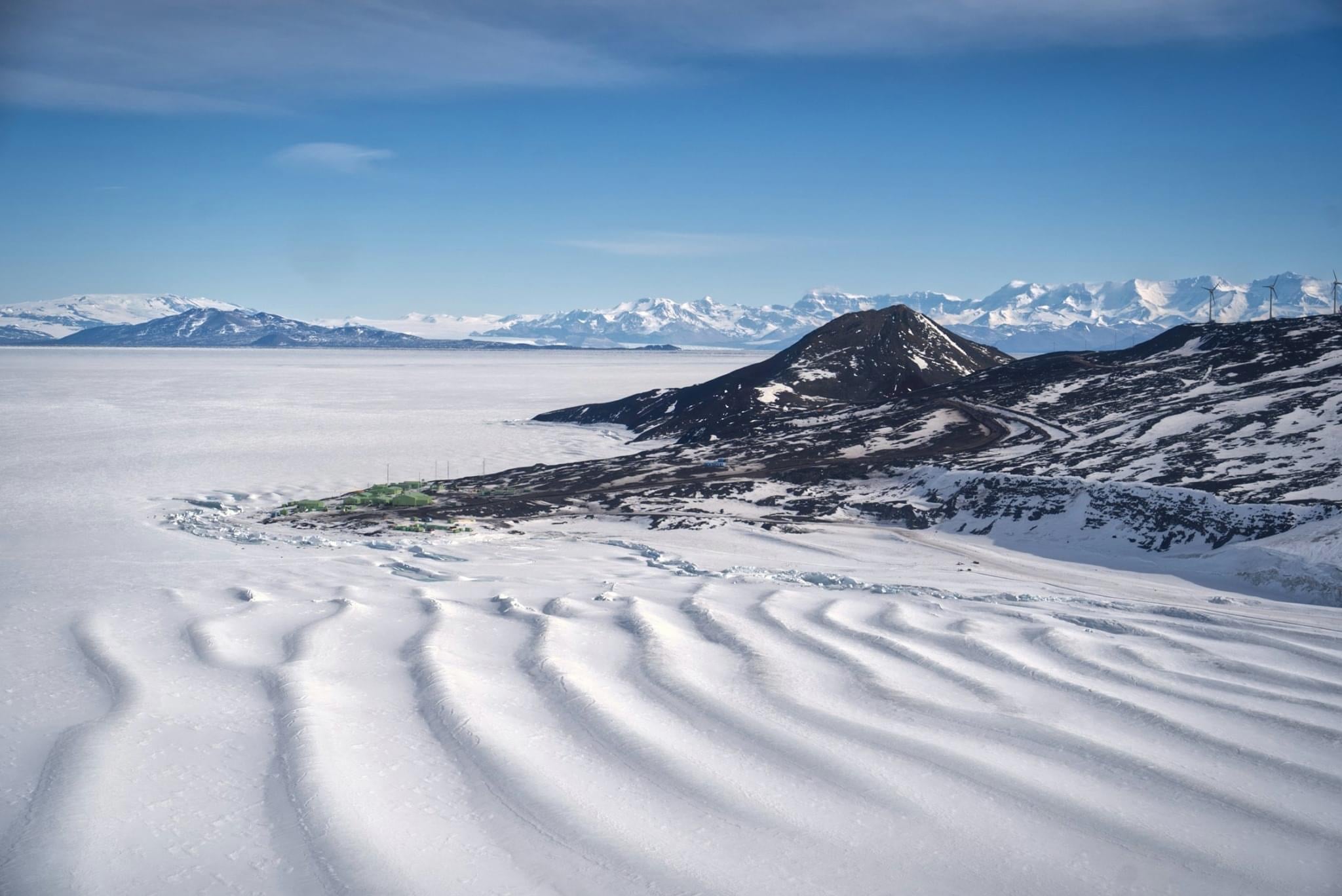
The scale of the potential risk is immense. Antarctica holds approximately 90 percent of the world’s ice and 70 percent of its freshwater. If the entire Antarctic Ice Sheet were to undergo a total melt, global sea levels would rise by an estimated 190 feet (58 meters). While such a catastrophic event is not projected in the immediate future, the mechanisms that govern the rate of ice loss are currently accelerating. Dr. Banwell’s research targets the specific vulnerabilities of ice shelves, which ring roughly 75 percent of the Antarctic coastline. These shelves are the primary defense against rapid sea-level rise; without them, the glaciers on land would flow into the sea at much higher velocities, significantly shortening the timeline for global coastal displacement.
The Mechanics of Ice Shelf Buttressing and the McMurdo Paradox
To understand the urgency of Dr. Banwell’s work, one must first grasp the physical role of ice shelves. Unlike the ice sheets that rest on the Antarctic landmass, ice shelves float on the ocean surface. Because they are already displaced in the water, their melting does not directly contribute to sea-level rise. However, their indirect role is far more consequential. By creating friction against the sides of bays and "pinning points" on the seafloor, ice shelves provide back-pressure, or buttressing, to the glaciers behind them. When an ice shelf thins or collapses, this resistance is lost, allowing land-based ice to accelerate into the ocean, where it does contribute to rising sea levels.
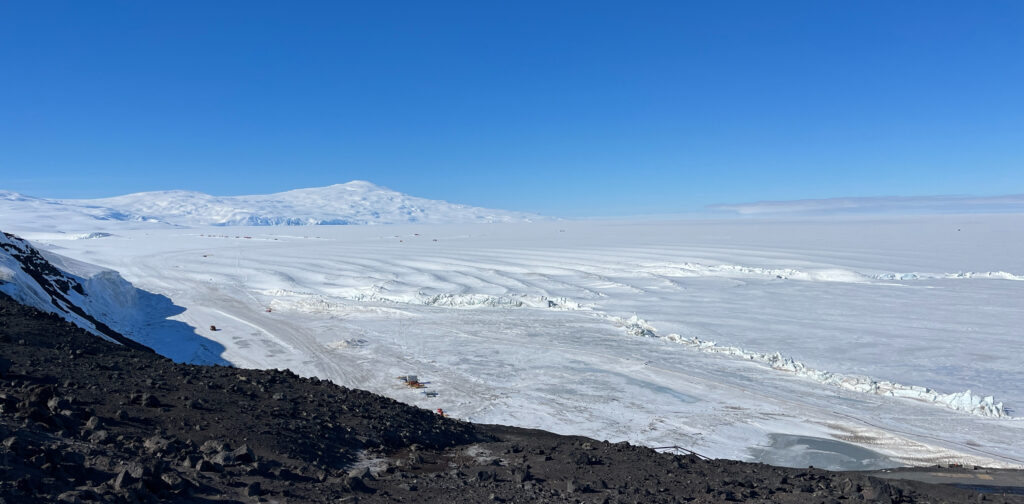
The McMurdo Ice Shelf, located near the United States’ McMurdo Station on Ross Island, presents a unique geological puzzle. Standard glaciological models suggest that ice shelves should flow outward toward the open sea. However, in the McMurdo region, portions of the ice shelf are being driven into landmasses. This lateral pressure causes the ice to compress and "crumple," creating features known as "ice shelf rumples." These are wave-like ridges that span the ice surface, often accompanied by deep fractures and buckles. The central focus of Dr. Banwell’s current research is to determine whether these rumples act as anchors that strengthen the shelf or if they represent structural weak points where the ice is more likely to shatter under stress.
Chronology of the Six-Week Field Season
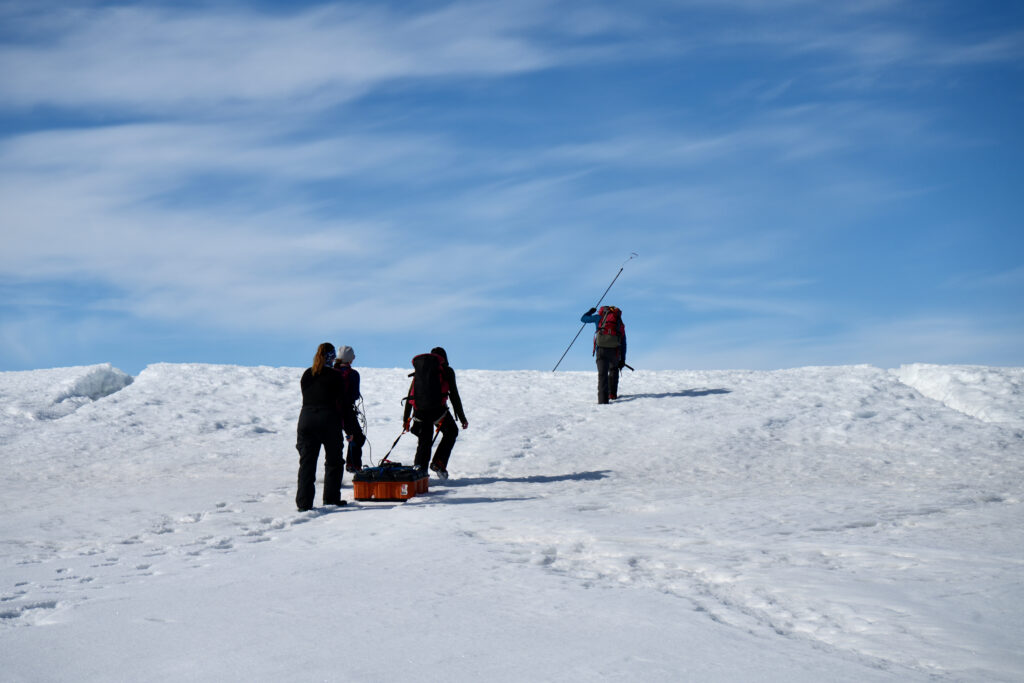
The expedition, which included Dr. Banwell, PhD students Michela Savignano and Allie Berry, and Co-Principal Investigator Dr. Ryan Cassotto, spanned six weeks during the Antarctic summer. The team operated in a landscape defined by perpetual daylight and extreme isolation, traveling daily by snowmobile from their base to the rumple zones of the McMurdo Ice Shelf.
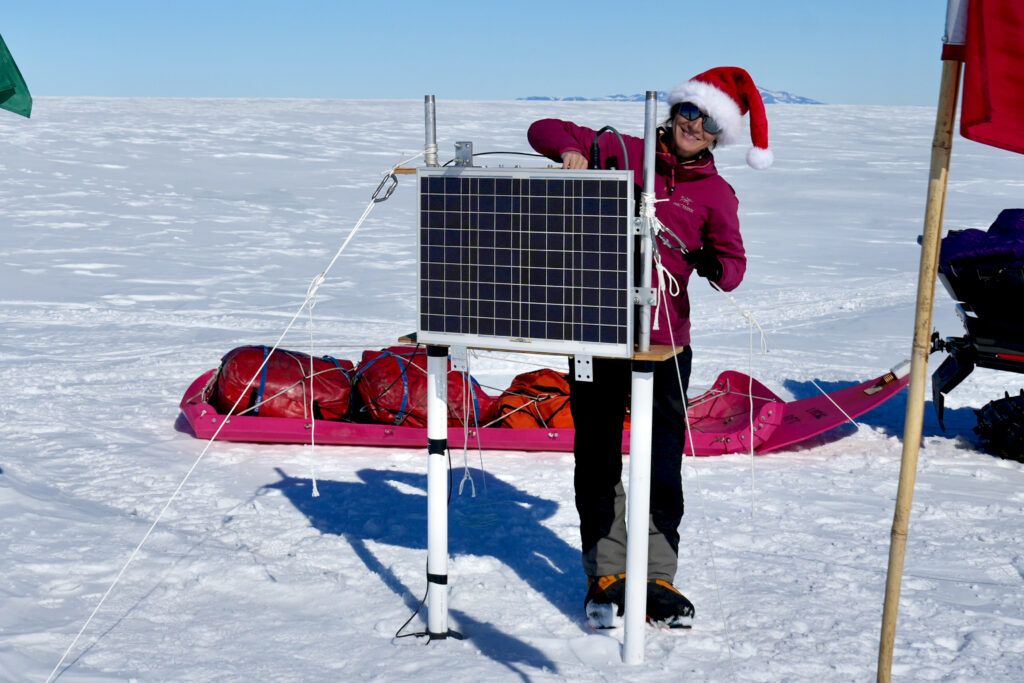
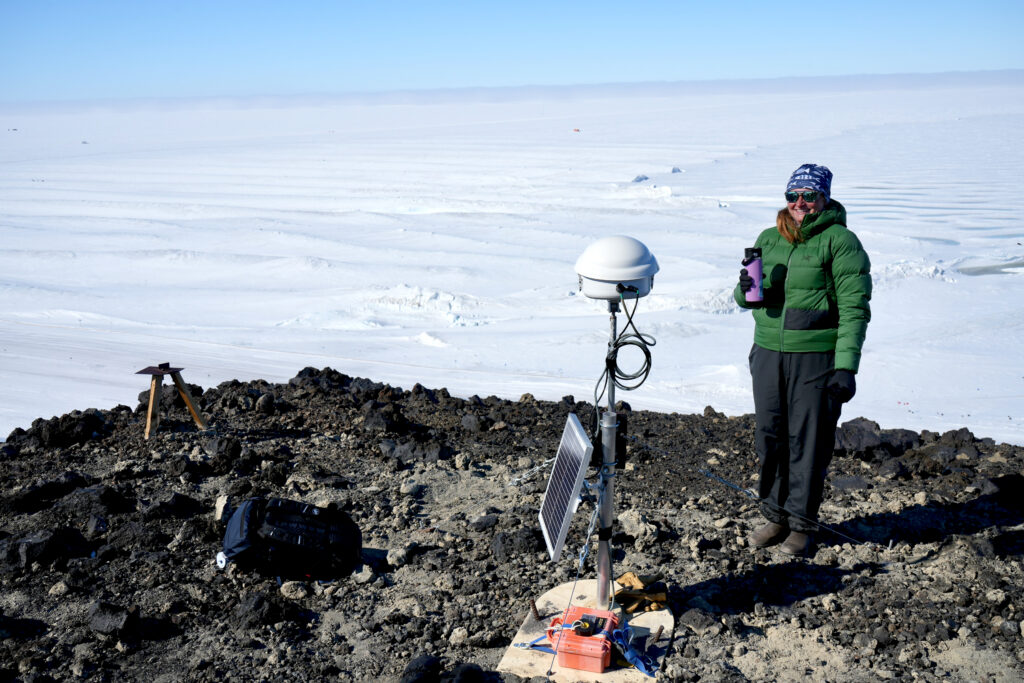
The primary objective of the field season was the installation of a sophisticated monitoring network designed to capture the ice shelf’s behavior during the harsh, inaccessible Antarctic winter. The team deployed an array of instruments, including:
- Seismometers: These devices are calibrated to detect "ice quakes" or the internal acoustic signals of cracking and fracturing within the shelf.
- High-Precision GPS Units: Capable of measuring movement to the centimeter, these units track the flow rate of the ice shelf in real-time.
- Radar Systems: Ground-penetrating radar was used to map the internal deformation of the ice and measure its thickness from the surface to the ocean-ice interface.
- Weather Stations: These capture localized atmospheric data to correlate temperature spikes and wind patterns with ice movement.
- Automated Cameras: Set to capture images every 30 minutes, these cameras provide a continuous visual record of surface changes throughout the months of winter darkness.
The deployment of these instruments was a race against the elements. The team reported that the glacier ice was moving at a rate of approximately one to two feet per day. While this may seem slow by terrestrial standards, in the context of glaciology, it represents a highly dynamic and rapidly changing environment.
Observations of a Warming Continent
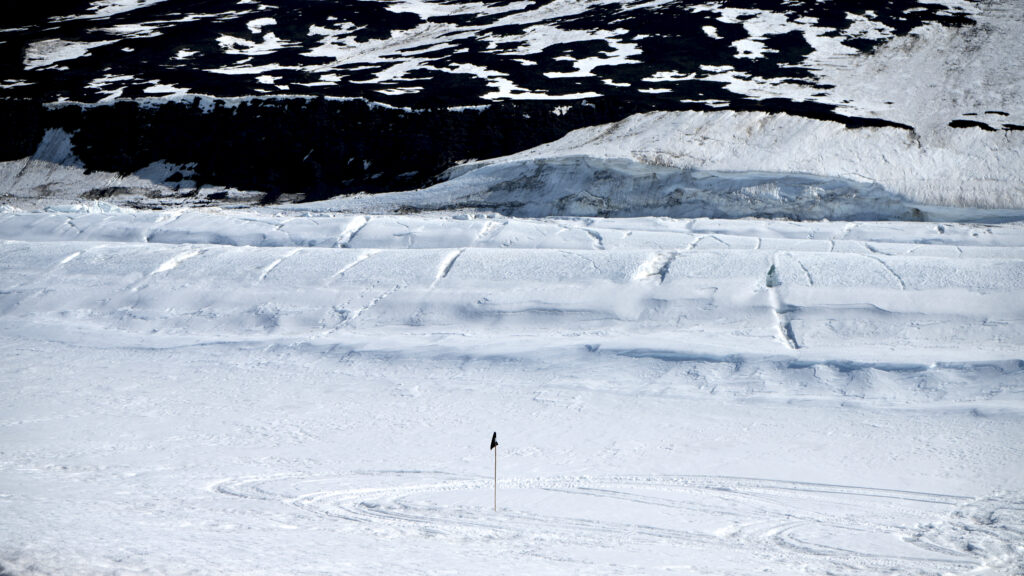
The most recent field season was marked by unprecedented environmental conditions. Dr. Banwell, a veteran of seven Antarctic summers, noted that this was the warmest season she had ever experienced on the continent. The early melting of surface snow revealed a landscape that was significantly more fractured than previous satellite data had suggested.
The team encountered an unexpectedly high density of crevasses, many of which had been hidden by seasonal snowpack. This increased fracturing is a physical manifestation of the stress the ice shelf is under as temperatures rise. The presence of surface meltwater is particularly concerning to glaciologists; when water fills crevasses, it can exert downward pressure—a process known as hydrofracturing—which can cause an entire ice shelf to disintegrate in a matter of weeks, as was famously observed during the collapse of the Larsen B Ice Shelf in 2002.
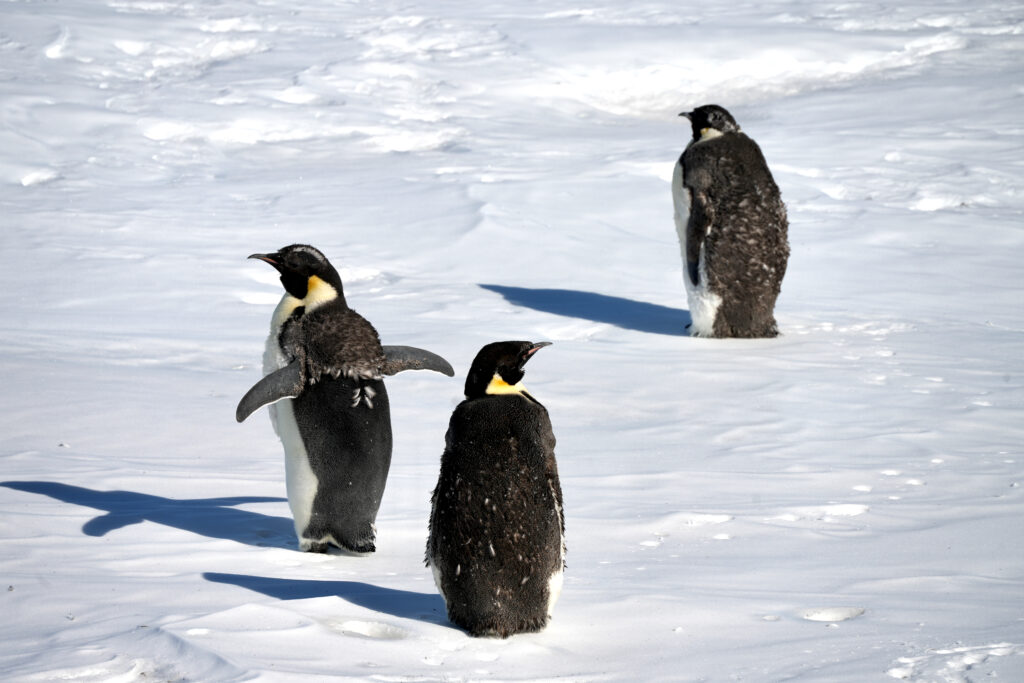
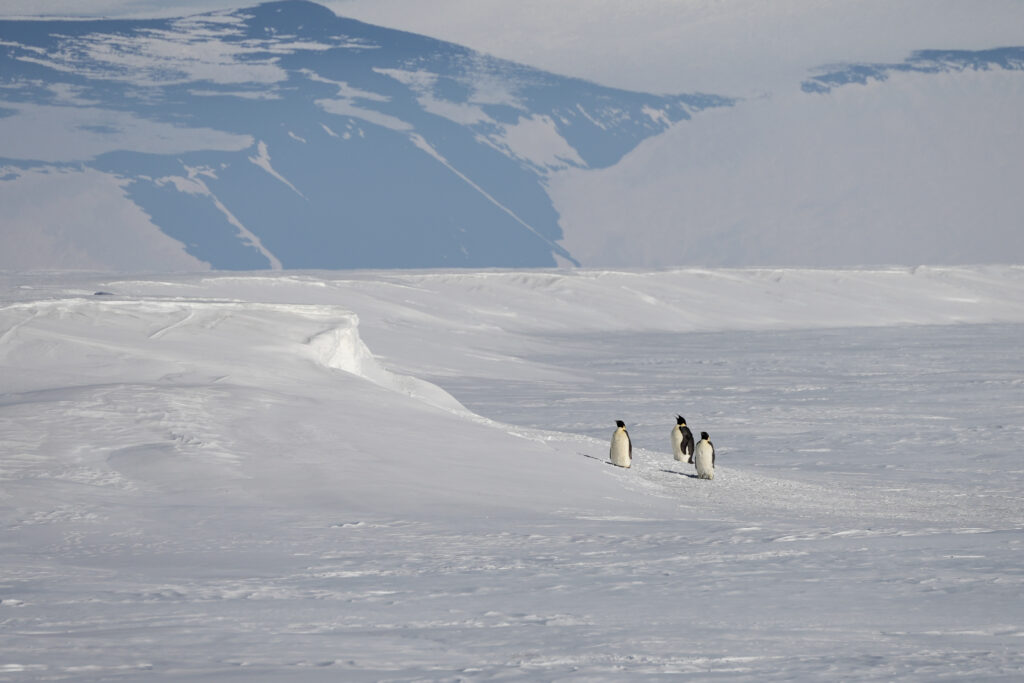
In addition to the geological observations, the team shared their workspace with local wildlife, including three emperor penguins undergoing their annual molt. The presence of these animals served as a stark reminder of the ecosystem that depends on the stability of the Antarctic environment.
Supporting Data and Global Implications
The data collected by Dr. Banwell’s team is critical for refining the predictive models used by the Intergovernmental Panel on Climate Change (IPCC). Current projections estimate that global sea levels will rise by one to three feet by the year 2100. However, these estimates are subject to high levels of uncertainty, primarily due to the difficulty of predicting when and how Antarctic ice shelves will fail.
The human and economic costs of sea-level rise are profound. Approximately 10 percent of the world’s population—roughly 800 million people—lives in low-lying coastal areas. A rise of just three feet would threaten major global hubs, including New York City, London, Shanghai, and Mumbai. In the United States alone, billions of dollars in infrastructure, including power plants, sewage treatment facilities, and transportation networks, are located in zones vulnerable to increased flooding and storm surges.
Dr. Banwell’s research into ice shelf rumples provides a missing piece of the puzzle. If these features are found to be stabilizing, they could provide a degree of resilience to certain sectors of the Antarctic coast. If, however, they are confirmed as points of failure, it may indicate that the continent’s "last line of defense" is more fragile than previously understood.
Analysis of Scientific Trajectory
The next phase of the project will occur in the upcoming field season, when Dr. Banwell and her team return to the McMurdo Ice Shelf to retrieve the data stored in their instruments. This dataset—comprising months of seismic activity, GPS tracks, and visual records—will be cross-referenced with satellite imagery to create a comprehensive map of ice shelf stress.
The integration of ground-based data with satellite observations is essential. While satellites can provide a broad overview of ice loss, they often fail to capture the subtle, internal processes that lead to sudden collapses. By "listening" to the ice through seismometers and measuring its minute shifts with GPS, Dr. Banwell’s team is providing the high-resolution data necessary to understand the physics of ice failure.
The collaboration between the University of Colorado Boulder, Northumbria University, and the University of Maine underscores the international nature of this research. As the climate continues to change, the work of these scientists serves as an early warning system for the rest of the planet. The findings from the McMurdo Ice Shelf will likely influence global climate policy for years to come, as leaders grapple with the reality of a world where the boundaries between land and sea are no longer fixed.
In the final analysis, the study of Antarctica’s ice shelves is a study of time. The movement of the ice, measured in feet per day, and the rise of the sea, measured in feet per century, are the metrics by which the future of global coastal civilization will be determined. The scientists working in the shadow of Ross Island are not merely observing the ice; they are documenting the shifting foundations of the modern world.
