

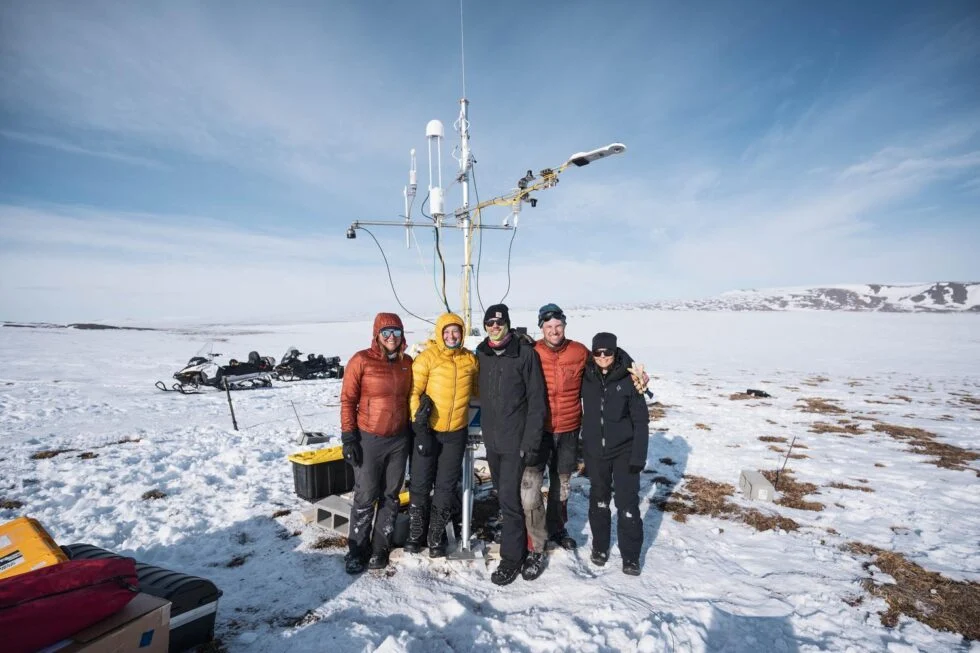
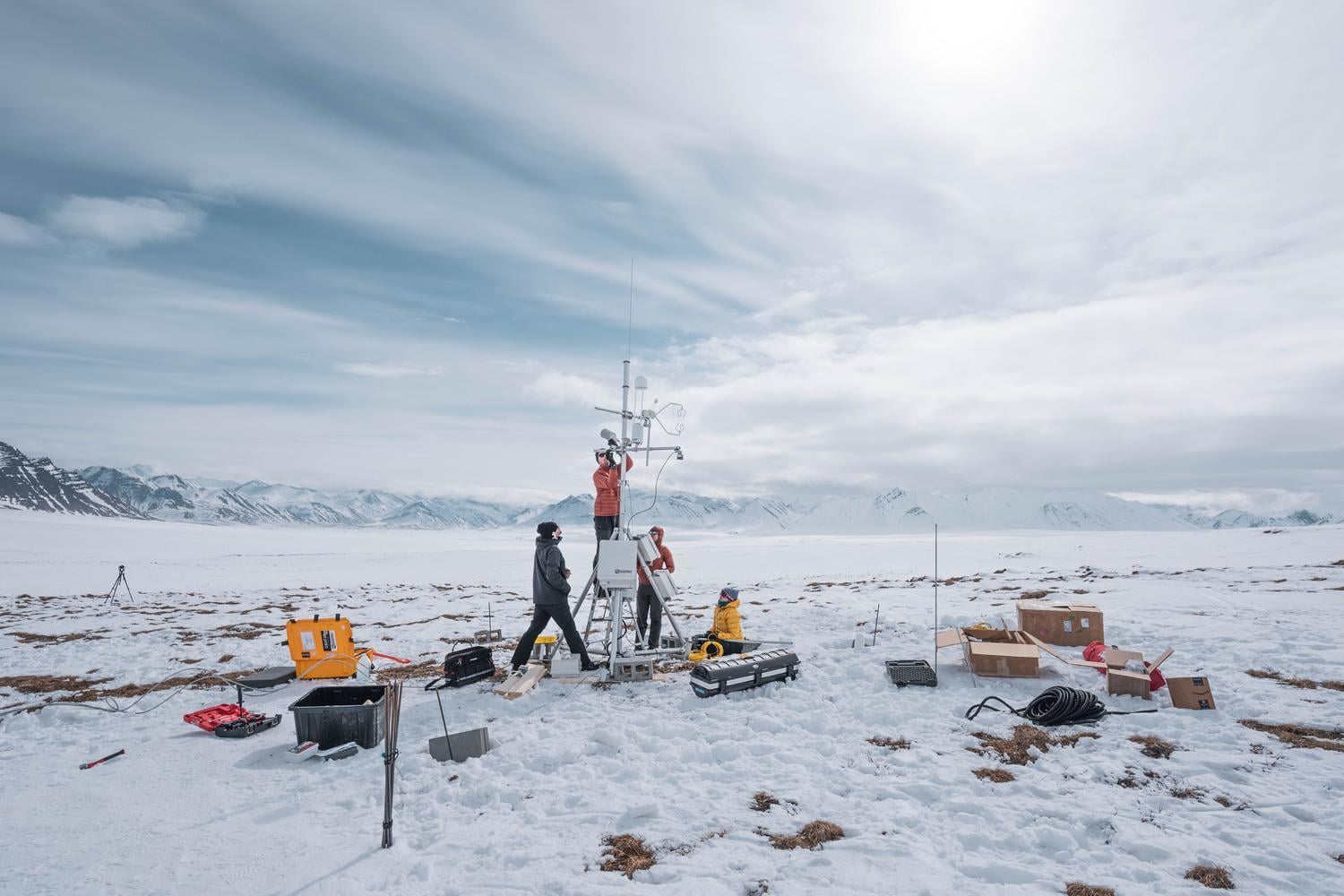
On a frigid morning at the Toolik Field Station in Alaskas North Slope, a multidisciplinary team of scientists led by ecologist Jenny Watts and snow hydrologist Dr. Kelly Gleason embarked on a critical mission to monitor the escalating release of greenhouse gases from the Arctic tundra. The expedition, supported by the Protect Our Winters (POW) Science Alliance, focused on the installation of a specialized flux tower at a permafrost thaw slump—a site of significant geological instability where the once-permanently frozen ground is rapidly collapsing. This installation represents a landmark in Arctic research, as it is the first of its kind dedicated specifically to evaluating real-time methane and carbon dioxide emissions from these localized but highly potent areas of permafrost degradation.
The research comes at a pivotal time for climate science, as the Arctic continues to warm at a rate nearly four times faster than the global average. While general warming trends are well-documented, the specific contributions of permafrost thaw slumps have remained a significant unknown in global climate models. The data collected from this site near the Brooks Range aims to fill this critical gap, providing a clearer picture of how rapidly the Arctic’s "frozen" carbon is entering the atmosphere and accelerating the global greenhouse effect.
Technical Objectives and Expedition Logistics
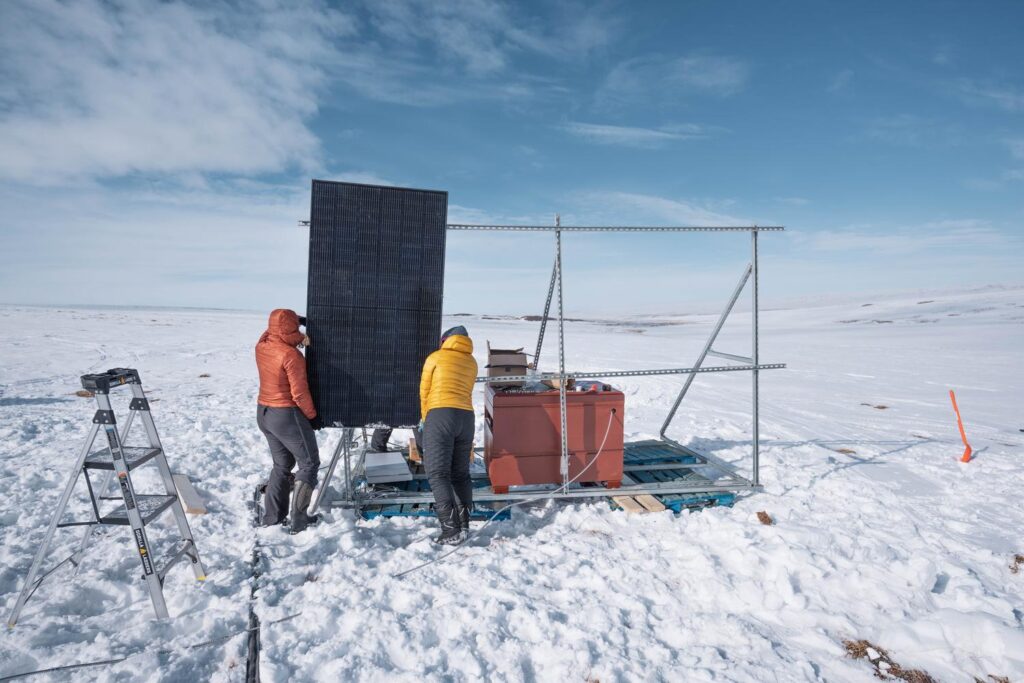
The primary objective of the mission was the deployment of a 15-foot-tall aluminum flux tower equipped with highly sensitive sensors designed to detect the "invisible" migration of carbon dioxide and methane. Measuring these gases requires a sophisticated array of equipment capable of withstanding the brutal conditions of the North Slope. The logistics of the haul were substantial, requiring snowmachines to transport sleds packed with eight deep-cell batteries—each weighing over 100 pounds—four large solar panels, cement anchors, and a massive electrical enclosure to protect the sensitive monitoring hardware.
The flux tower operates by measuring gas concentrations and wind speeds at high frequencies, allowing researchers to calculate the "flux," or the rate at which gases are exchanged between the ground and the atmosphere. By placing this equipment directly over a permafrost thaw slump, the team can isolate the emissions coming from the exposed organic matter that has been frozen for thousands of years. As this ancient soil thawed, microbes began to decompose the organic material, a biological process that releases carbon dioxide when oxygen is present and methane when the ground is waterlogged and oxygen-poor.
The Mechanics of Permafrost Thaw Slumps
Permafrost thaw slumps are among the most dramatic visual indicators of a warming Arctic. These features occur when ice-rich permafrost melts, causing the soil to lose its structural integrity and slump downhill. The resulting erosion exposes steep "headwalls" of ancient permafrost to the sun and air, creating a self-reinforcing cycle of melting and collapse.
Unlike the gradual "active layer" thickening that occurs across much of the tundra, thaw slumps represent an abrupt permafrost thaw. They can release immense quantities of greenhouse gases in a relatively short period, often far exceeding the emissions of the surrounding, intact tundra. Because these slumps are sporadic and often small in scale compared to the vastness of the Arctic, they have historically been difficult to quantify in broad satellite-based observations. The installation of the flux tower at Toolik represents a shift toward "ground-truthing" the actual atmospheric impact of these geological failures.
Chronology of the Installation and Field Observations
The expedition followed a rigorous timeline, beginning with the arrival of the team—consisting of Dr. Gleason, Dr. Watts, and researchers Kyle, Christina, and Kai—at the Toolik Field Station. Operated by the University of Alaska Fairbanks, Toolik serves as a vital hub for long-term ecological research in the Arctic.
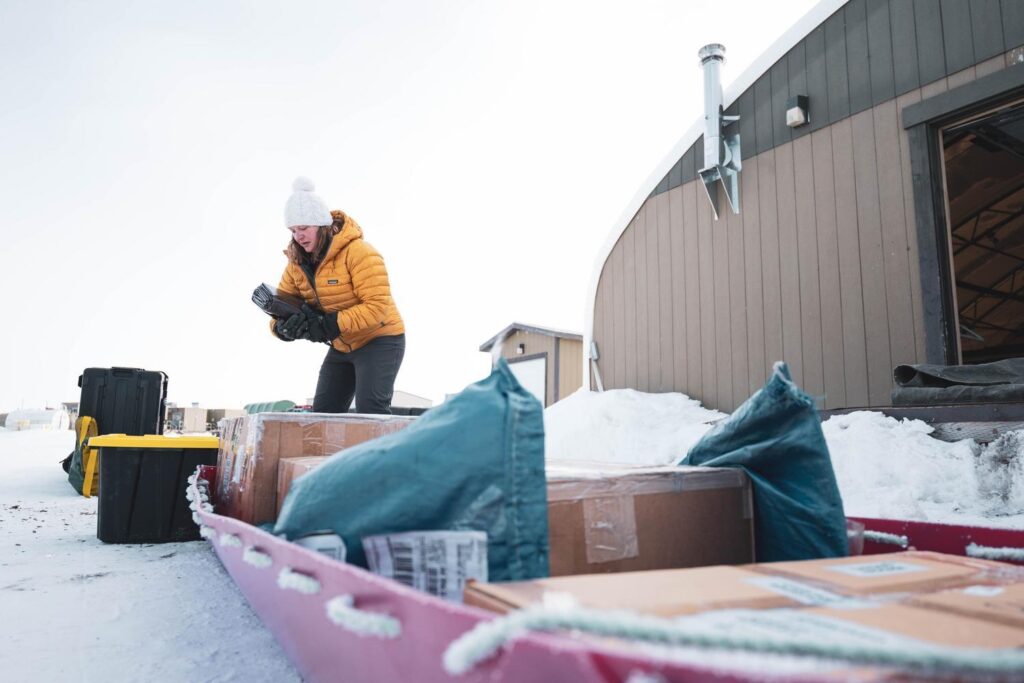
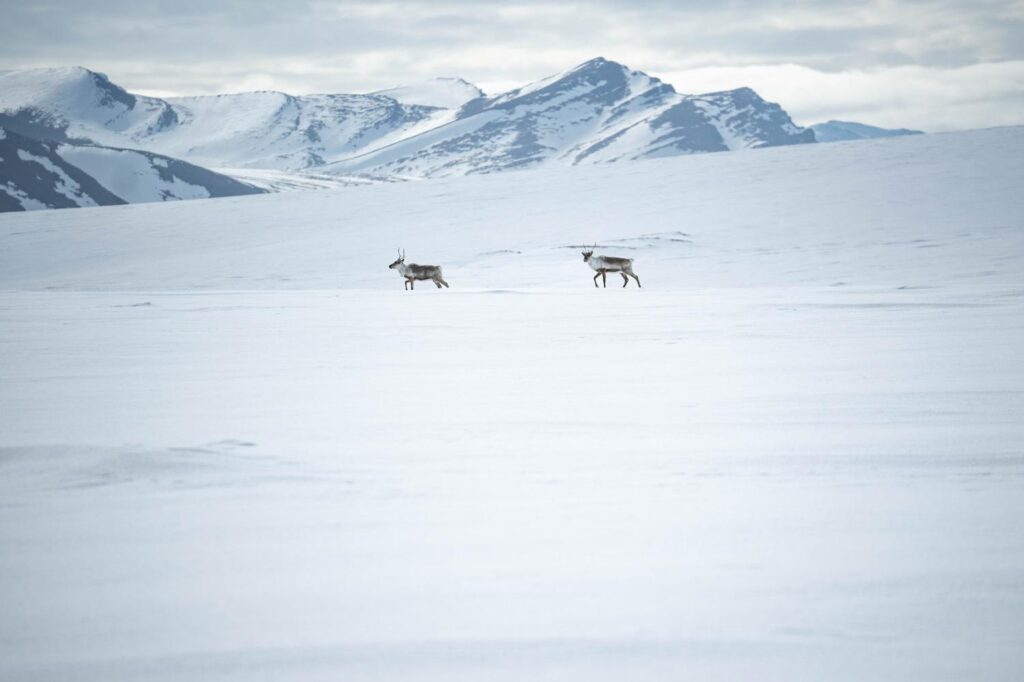
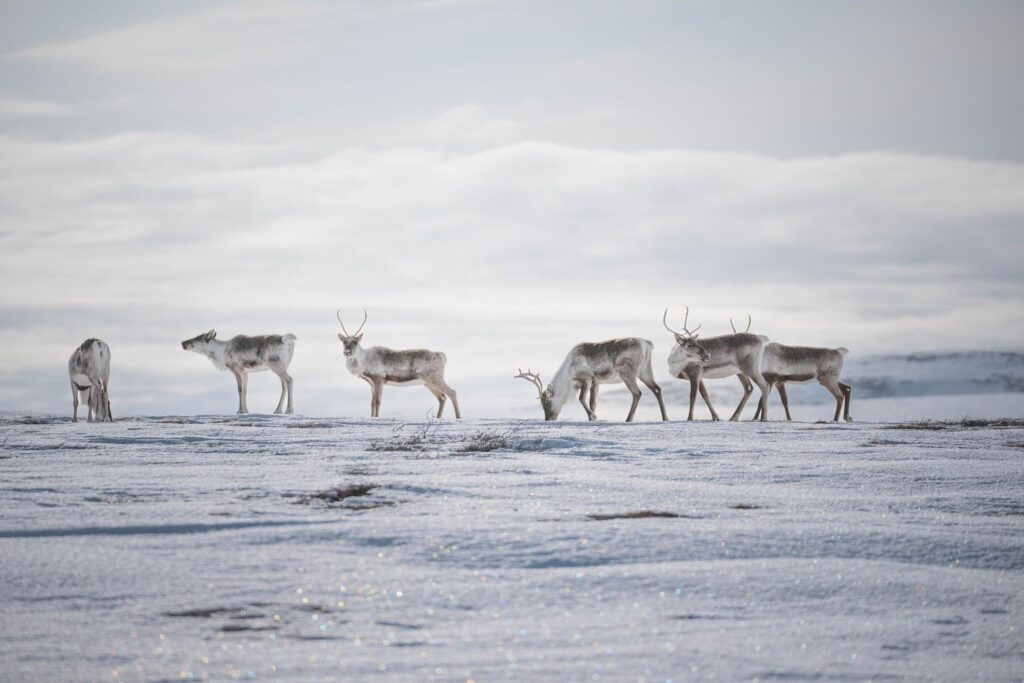
The first phase of the mission involved scouting the specific slump site to determine the optimal placement for the tower, ensuring it would remain stable despite the shifting, eroding ground. Once the site was selected, the team spent several days transporting equipment via snowmachine across the tundra, navigating around grazing caribou and the rugged terrain of the Brooks Range.
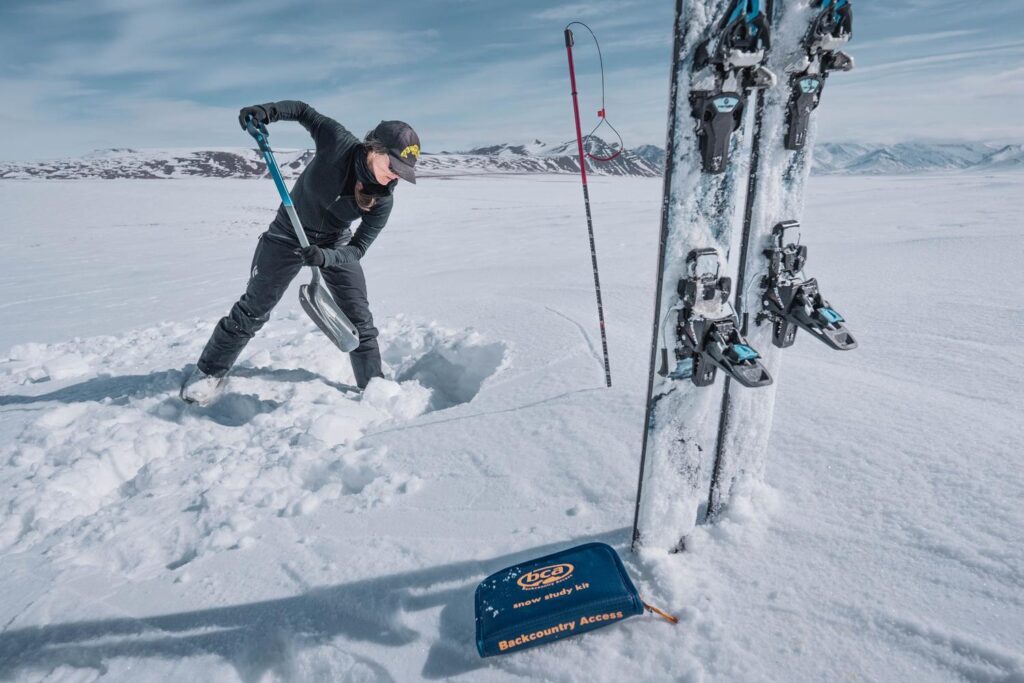
During the installation phase, Dr. Gleason, an expert in snow hydrology from Portland State University, conducted a series of auxiliary experiments to investigate the role of snow cover in the thawing process. By digging snow pits at various locations around the thaw slump, she was able to compare the temperature profiles of shallow and deep snowpacks. These observations revealed a startling contrast in the thermal dynamics of the Arctic surface, providing new insights into how changing precipitation patterns are influencing permafrost stability.
Supporting Data: The Insulating Power of Snow
While snow in the Western United States is primarily viewed as a seasonal water reservoir, its role in the Arctic is defined by its insulating properties and its "albedo," or reflectivity. Dr. Gleason’s data highlighted a complex feedback loop that is currently challenging traditional understandings of Arctic cooling.
In her field measurements, Gleason found that while surface temperatures on the snow remained around -3°C in early May, the temperatures at the base of the snowpack—the interface where snow meets the soil—varied wildly depending on depth. A shallow snowpack of 57 cm allowed the ground to cool significantly, reaching -10°C at the base. In contrast, a deep snow drift of nearly two meters acted as a powerful thermal blanket, trapping the Earth’s internal heat and keeping the soil at -3°C.
This seven-degree difference is biologically significant. At -3°C, microbial activity can persist, allowing for the continued decomposition of organic matter and the release of greenhouse gases even during the winter months. As climate change leads to more open water in the Arctic Ocean, the atmosphere becomes wetter, resulting in increased snowfall in certain inland regions. This deeper snow may paradoxically accelerate permafrost thaw by preventing the ground from "re-freezing" deeply during the winter, a phenomenon that threatens to unlock the estimated 1,400 to 1,600 billion tons of carbon currently stored in the world’s permafrost.
Broader Impact and Scientific Implications
The data generated by the Toolik flux tower will be integrated into larger climate models to help scientists predict the "tipping points" of Arctic carbon release. Currently, many global climate projections do not fully account for the "abrupt thaw" events represented by slumps. If these features are found to be major contributors to the Arctic’s carbon footprint, it could mean that current international climate targets need to be adjusted to account for a faster-than-expected "carbon bomb" from the North.
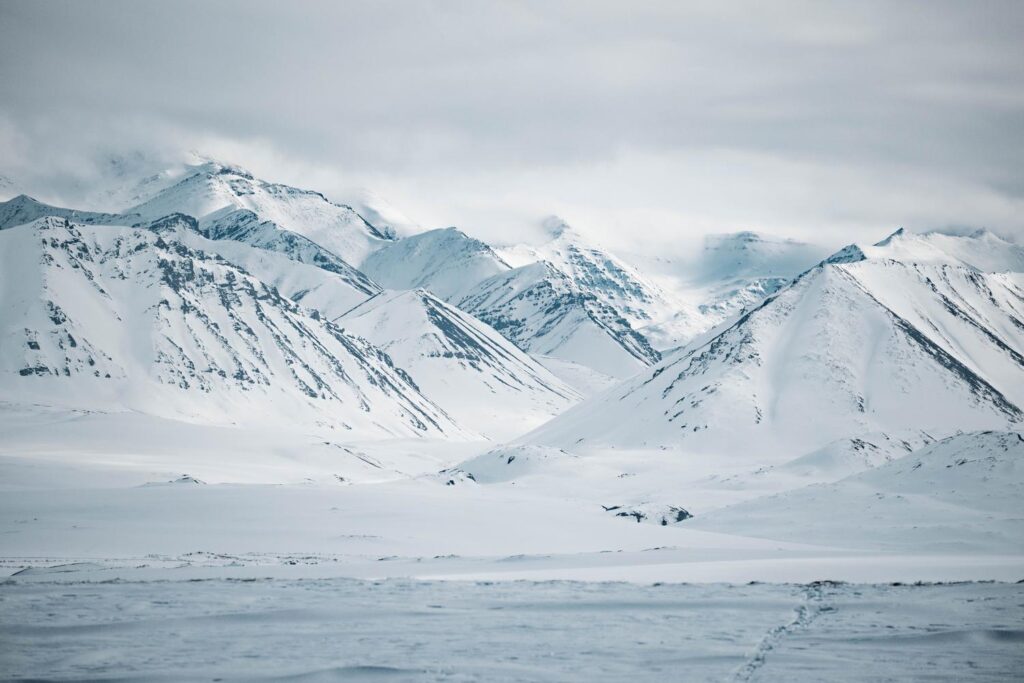
Furthermore, the research underscores the importance of the albedo effect. Bright, white snow reflects up to 90% of incoming solar radiation back into space. As the Arctic warms and the duration of snow cover decreases, the darker tundra absorbs more heat, leading to further warming. The findings of this expedition suggest that even when snow cover is present, its depth and duration can have counter-intuitive effects on the permafrost below, complicating the net energy balance of the region.
The Role of Advocacy and Science Communication
The involvement of Protect Our Winters (POW) in this expedition highlights a growing trend of scientists engaging in climate advocacy. Dr. Gleason and Dr. Watts, both members of the POW Science Alliance, emphasize that scientific data alone is insufficient to address the climate crisis; it must be paired with effective storytelling and policy action.
"Science shows us what’s happening," Dr. Gleason noted in her summary of the trip. "Advocacy gives us a path forward." By partnering with organizations that reach the outdoor recreation community, the researchers hope to translate complex data about methane flux and thermal gradients into a compelling narrative that motivates public support for emissions reductions.
The mission at Toolik Field Station is part of a broader effort to recognize the Arctic not as a remote wasteland, but as a critical component of the global climate system. The stability of the permafrost on Alaska’s North Slope is directly linked to the climate stability of the rest of the planet. As the flux tower begins its long-term monitoring, the scientific community awaits the data that will finally quantify the invisible gases rising from the collapsing tundra—a clear signal from the front lines of a changing world.
Conclusion and Future Outlook
As the research team concluded their initial installation and returned from the field, the flux tower remained as a silent sentinel on the tundra, powered by the low Arctic sun. Over the coming years, the sensors will transmit data that will help define the next generation of climate policy. The expedition successfully demonstrated that despite the logistical hurdles of the North Slope, high-resolution monitoring of thaw slumps is both possible and necessary.
The findings from Dr. Gleason’s snow pit analysis have already opened new avenues for research into the "insulation feedback" of Arctic snow. Future missions will likely focus on expanding this network of flux towers to other regions of the Arctic, creating a comprehensive map of carbon "hotspots." For now, the work at Toolik serves as a reminder that the most significant changes to our planet are often happening in the most remote corners, hidden beneath the snow and rising invisibly into the air.
