

The 2025-2026 winter season in the Western United States has concluded as one of the most volatile and climatically challenging periods in recent history, characterized by record-breaking thermal anomalies and a significant deficit in the mountain snowpack. Observations from across the region indicate that while precipitation levels fluctuated near historical averages in certain corridors, an unprecedented lack of cold temperatures fundamentally altered the hydrological cycle. This phenomenon, colloquially described by experts as a "snow drought," resulted in a shortened operational window for the multi-billion-dollar ski industry and raised urgent concerns regarding summer water security for tens of millions of residents and vast agricultural territories.
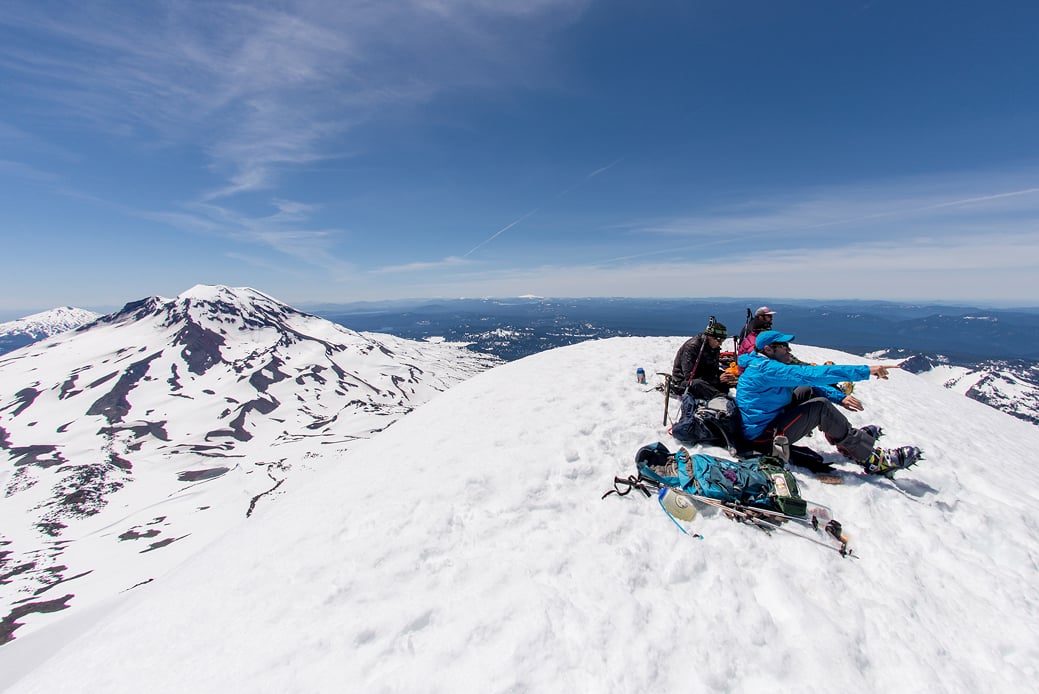
A Season of Thermal Anomalies: The Chronology of a Snow Drought
The 2025-2026 water year began with cautious optimism, yet the atmospheric conditions quickly shifted toward a trend of persistent warmth. While the "wet" component of the snow recipe—precipitation—remained relatively stable in the Pacific Northwest and parts of the Northern Rockies, the "cold" component was notably absent.
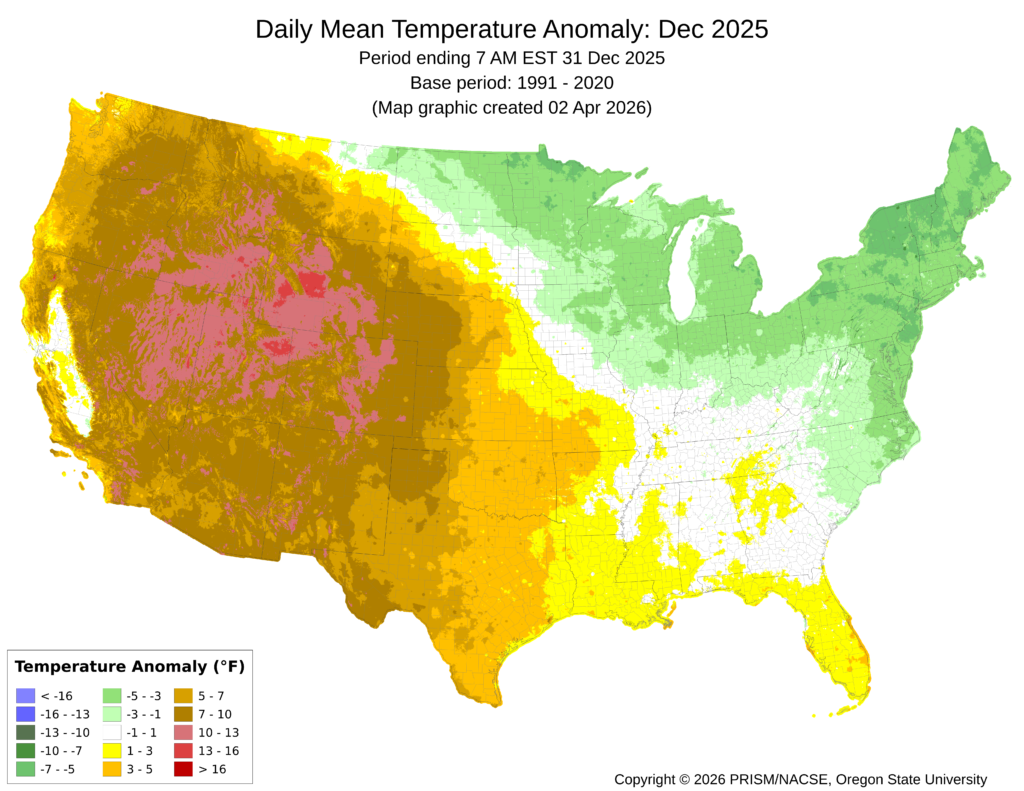
By December 2025, the situation reached a critical inflection point. Data provided by the PRISM Climate Group revealed that much of the Western United States experienced temperatures ranging from 5 to 15 degrees Fahrenheit above the long-term average. This thermal spike turned what should have been foundational early-season snow into rain, preventing the establishment of a base layer at lower and mid-elevations. For ski resort operators and winter recreation enthusiasts, the traditional milestones of the season—the New Year’s holiday, Martin Luther King Jr. Day, and Presidents’ Day—passed with repeatedly downgraded expectations. In many regions, the "start" of the season was delayed until spring break, by which time the window for meaningful accumulation had nearly closed.
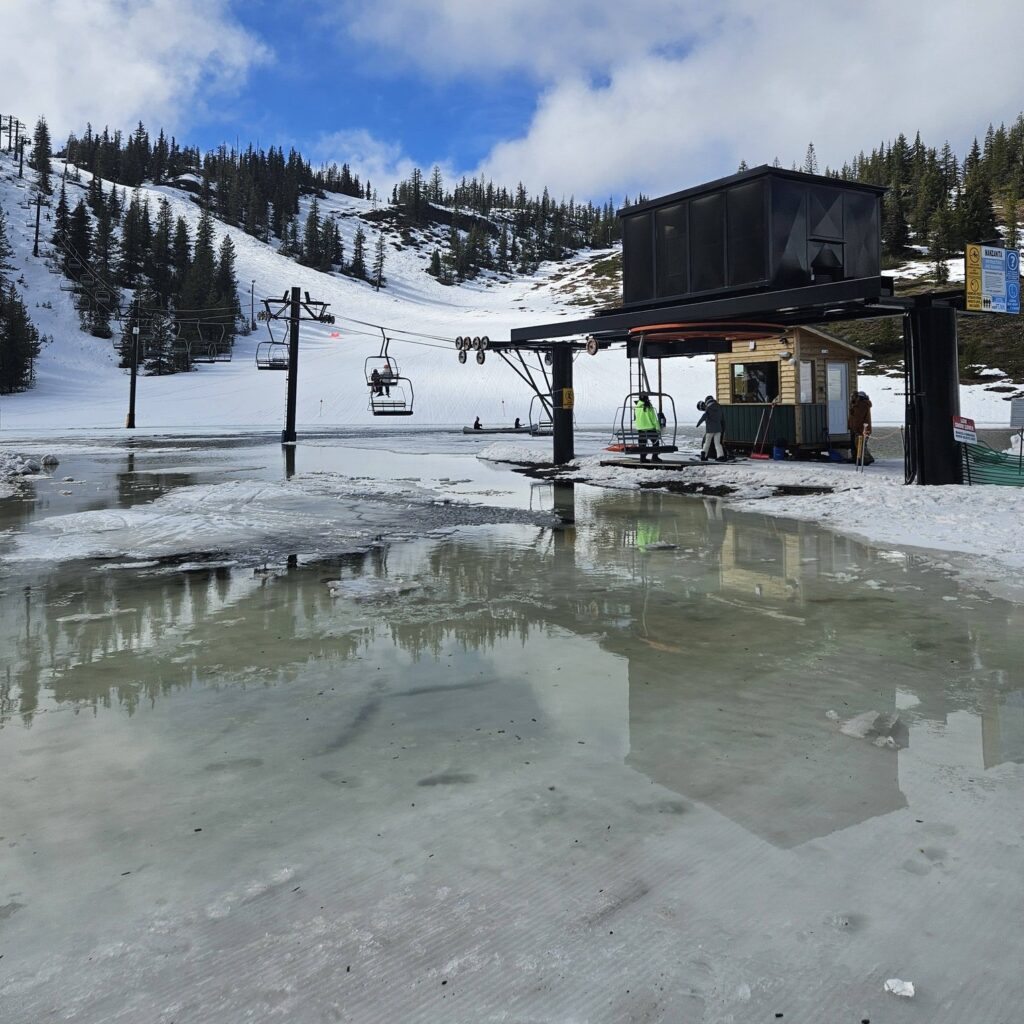
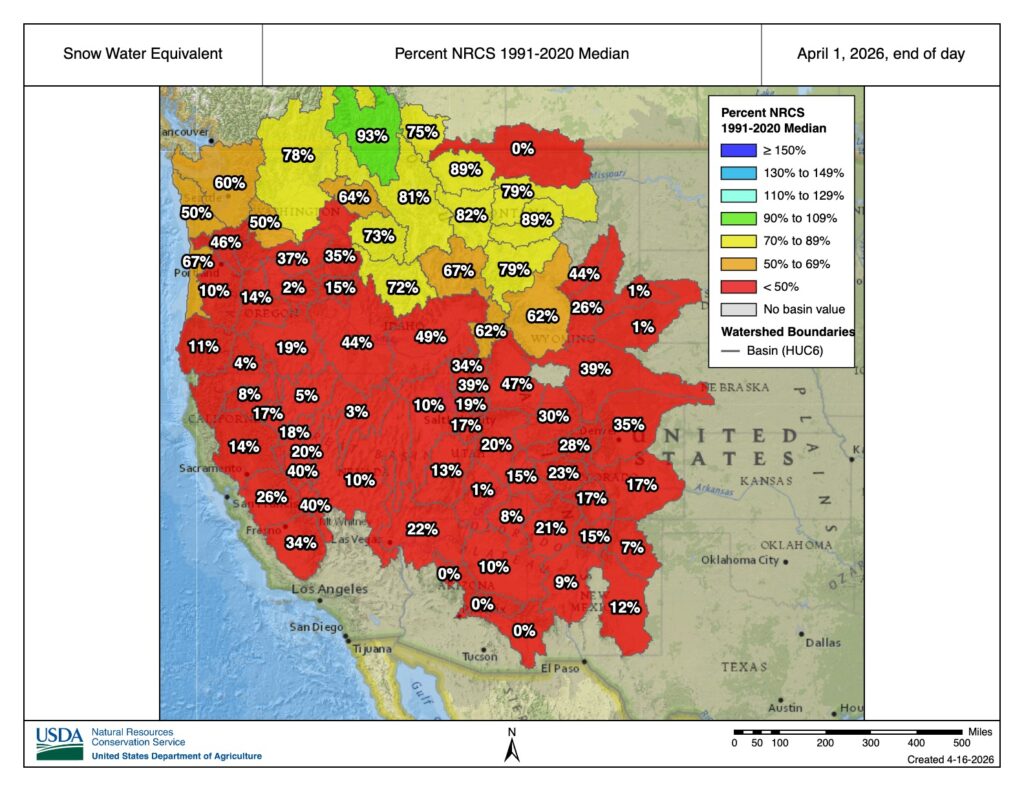
As the calendar turned to March and April, the consequences of the warm winter became starkly visible. The April 1 benchmark, traditionally used by hydrologists to measure peak snow water equivalent (SWE), showed values that were a mere fraction of historical norms. In several states, observation stations reported their lowest peak values in 45 years. The "snow-off" dates—the time at which the ground becomes bare—occurred not just days or weeks early, but in some instances, two full months ahead of schedule.
Geographic Variance and Precipitation Patterns
The impact of the 2025-2026 season was not uniform across the West, though the common denominator remained the temperature. According to data from the Natural Resources Conservation Service (NRCS), the geographic distribution of precipitation told a story of "haves" and "have-nots."
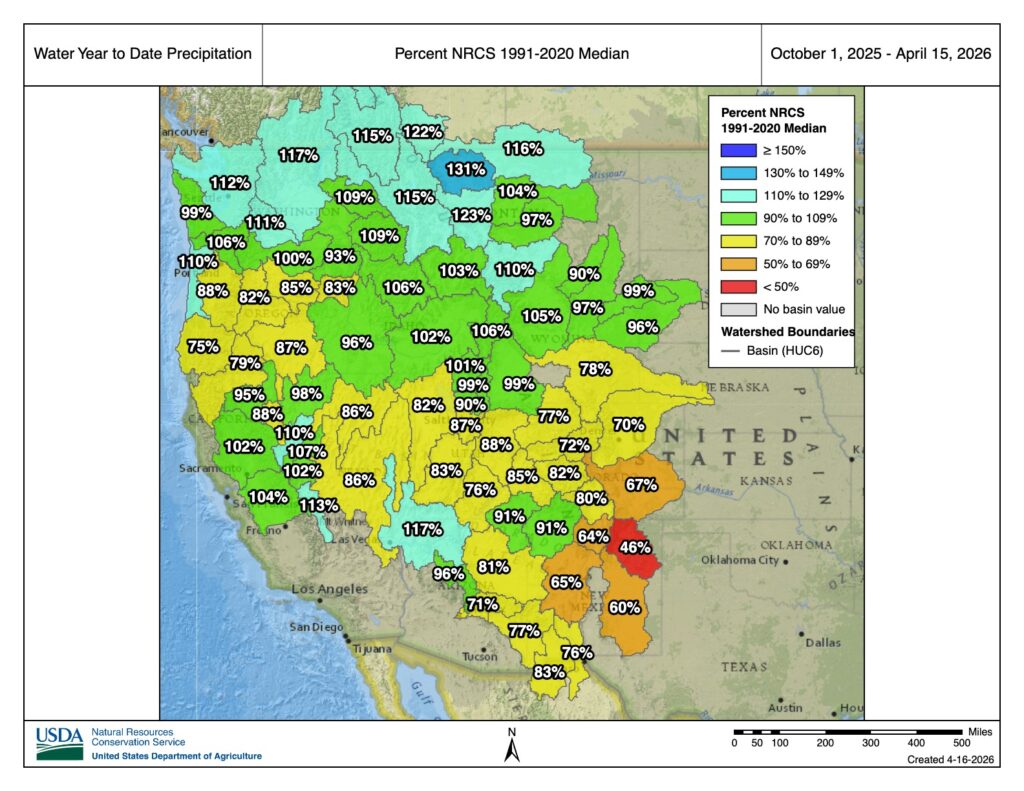
Oregon, Utah, and Colorado faced a "dry and warm" winter, with precipitation totals falling below the period-of-record average. Conversely, Washington, Idaho, Montana, and northwest Wyoming experienced a "wet and warm" winter. In these northern regions, precipitation was actually above average, yet the high temperatures meant that the moisture fell primarily as rain or as high-density, "wet" snow that melted rapidly.
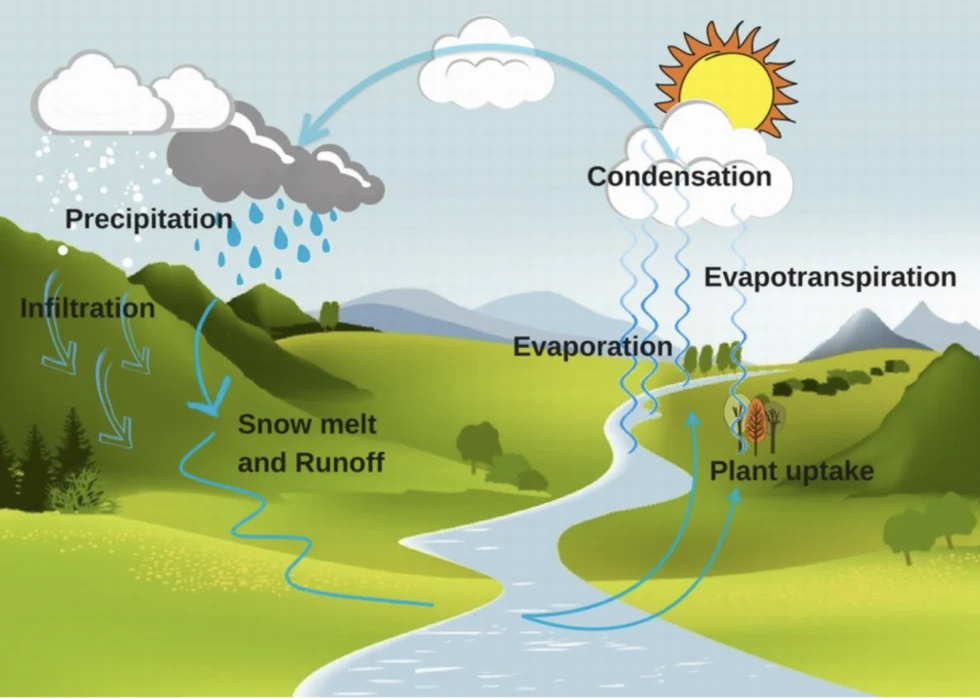
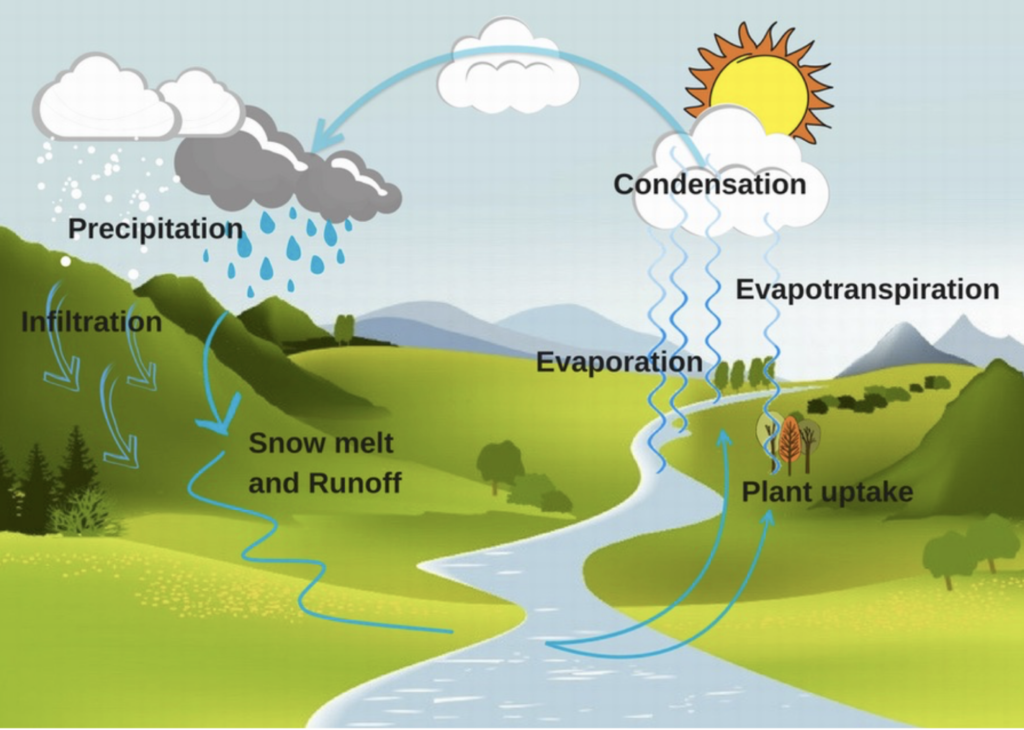
This distinction is vital for water managers. When precipitation falls as rain in the winter, it often runs off immediately, filling reservoirs to capacity too early in the year or contributing to mid-winter flooding. When it falls as snow, it acts as a natural "delayed-release" reservoir, holding water in the mountains until the peak demand months of July and August. The 2025-2026 season saw a failure of this natural storage system across nearly every Western drainage basin.
The Hydrological Crisis: Snow as a Vital Infrastructure
To understand the severity of the 2025-2026 snow deficit, one must consider the scale of Earth’s water resources. Although the planet is often called the "Blue Marble," the amount of freshwater available for human use is remarkably small. If all of Earth’s water were consolidated into a single sphere, its diameter would be only 10% of the Earth’s own diameter. Furthermore, less than one-hundredth of one percent of that water is easily accessible to support the daily needs of the global population.
In the Western United States, the mountain snowpack is the most critical component of the water delivery infrastructure. By some scientific estimates, the volume of water stored in the snowpack of the contiguous United States at its peak is approximately five times the storage capacity of Lake Mead, the nation’s largest man-made reservoir.
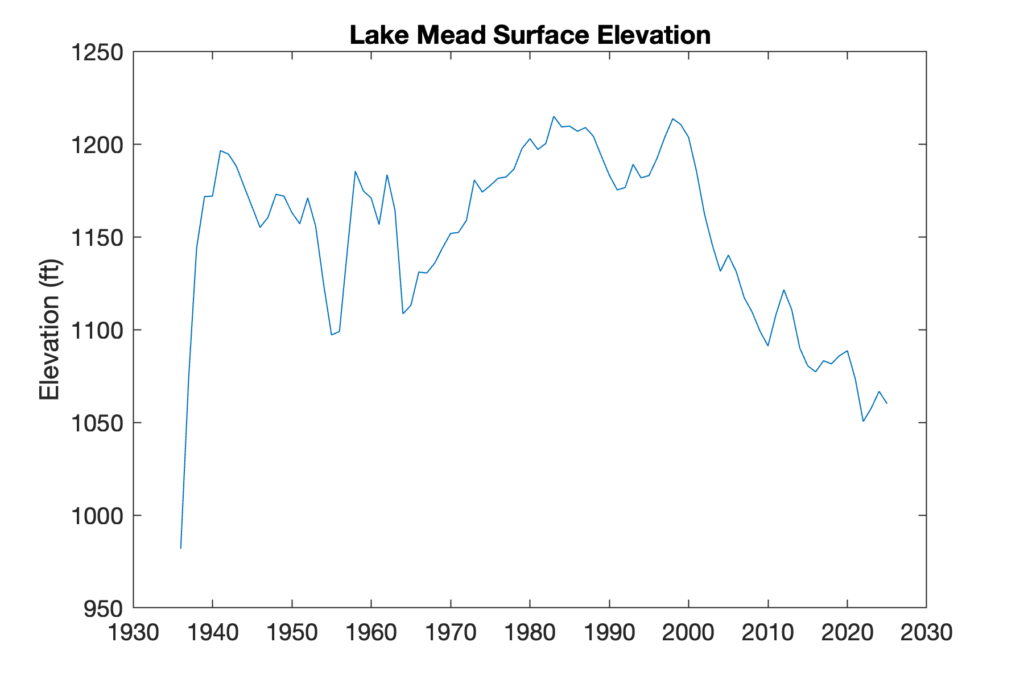
The 2025-2026 season has placed immense pressure on the man-made components of this system. With the "snow reservoir" failing to materialize, the burden falls entirely on surface reservoirs like Lake Mead and Lake Powell. However, these systems are already reeling from years of consecutive dry conditions. Lake Mead, which sits behind the Hoover Dam, has seen its elevation steadily decline, leading to historic shortages and the first-ever federal shortage declarations in the Colorado River Basin. The lack of 2026 spring runoff means that these reservoirs will likely see minimal recovery, forcing municipalities and agricultural districts into difficult conversations regarding water rationing and allocation.
Socio-Economic and Environmental Implications
The lack of snow has immediate and far-reaching economic consequences. The outdoor recreation economy, which contributes over $1 trillion to the U.S. GDP annually, is heavily dependent on predictable winter cycles. Small mountain communities that rely on "ski-town" tourism saw significant revenue losses as resorts were forced to pause operations or close months ahead of schedule.
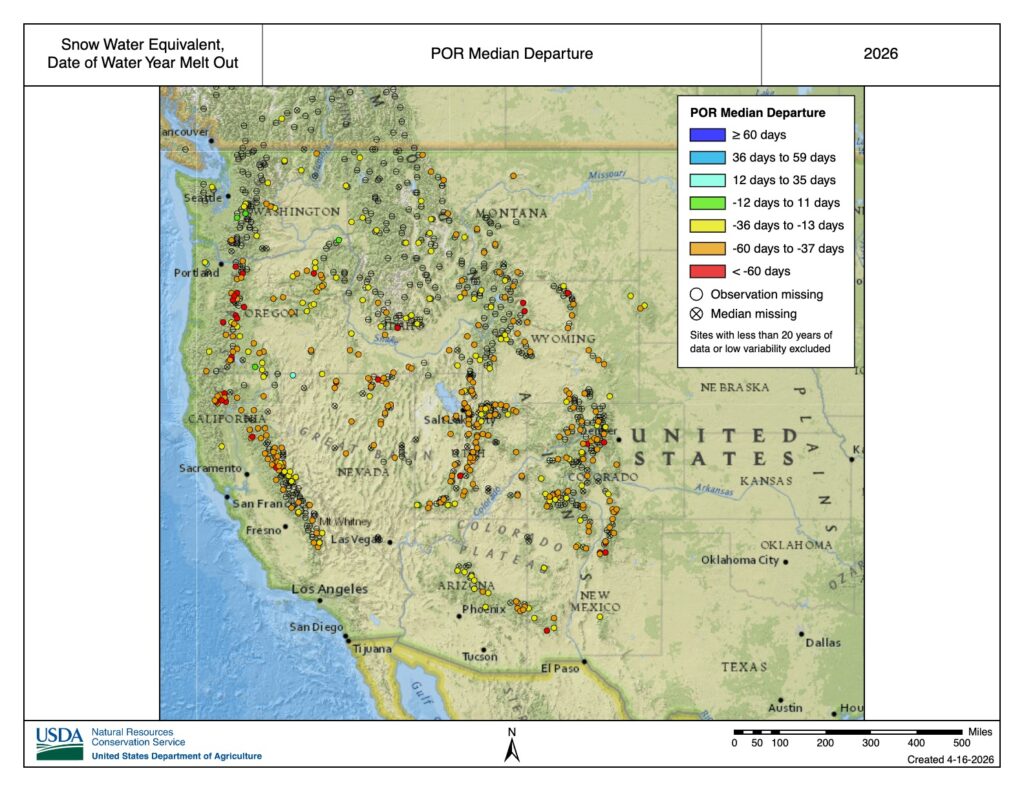
Beyond the economic impact, the environmental repercussions are equally concerning. The early "melt-out" observed in April 2026 sets the stage for a precarious summer ecosystem.
- Stream Temperatures: Without the steady release of cold snowmelt, mountain streams are expected to reach higher temperatures earlier in the summer. This poses a direct threat to aquatic species, such as trout and salmon, which require cold, oxygen-rich water to survive and spawn.
- Wildfire Risk: The early disappearance of snow allows alpine vegetation and forest fuels to dry out much sooner than usual. This extends the duration of the "fire season," increasing the window of vulnerability for catastrophic wildfires.
- Agricultural Stress: Farmers in the valleys below depend on the gradual release of snowmelt for irrigation. The 2026 season may see a "pulse" of water in early spring, followed by a severe shortage during the heat of the growing season in July.
Analysis: The "Boom or Bust" Cycle in a Changing Climate
The 2025-2026 season highlights a complicating factor in climate communication and resource planning: inter-annual variability. While the long-term trend, supported by decades of data from sites like the Hogg Pass SNOTEL in Oregon, shows a clear decline in maximum snow water equivalent, individual years can still produce record-breaking snowfalls.
This "feast or famine" or "boom or bust" cycle can lead to a false sense of security during "feast" years, making the "bust" years like 2025-2026 feel even more jarring. Dr. David Hill, a professor at Oregon State University and a National Geographic Explorer, notes that the massive variations from one year to the next are effectively "riding on top" of a downward long-term trend. The warming atmosphere means that even in years with average precipitation, the percentage of that precipitation that remains on the ground as snow is decreasing.
Conclusion and Outlook
As the Western United States transitions into the summer of 2026, the focus shifts from the mountains to the boardrooms of water districts and the offices of state governors. The "glass half full" perspective offered by some climatologists suggests that the extreme nature of the 2025-2026 season may serve as a necessary catalyst for more robust climate adaptation strategies.
Increased investment in water conservation, the expansion of groundwater recharge projects, and the modernization of the 1922 Colorado River Compact are all on the table. However, the immediate reality remains stark: the natural "water tower" of the West failed to fill this year. Residents and industries must now prepare for a summer where the deficit in the mountains will be felt at the tap, in the fields, and across the scorched landscapes of the high desert. The 2025-2026 season was a reminder that while water is a renewable resource, the cold required to store it as snow is becoming an increasingly rare commodity.
