

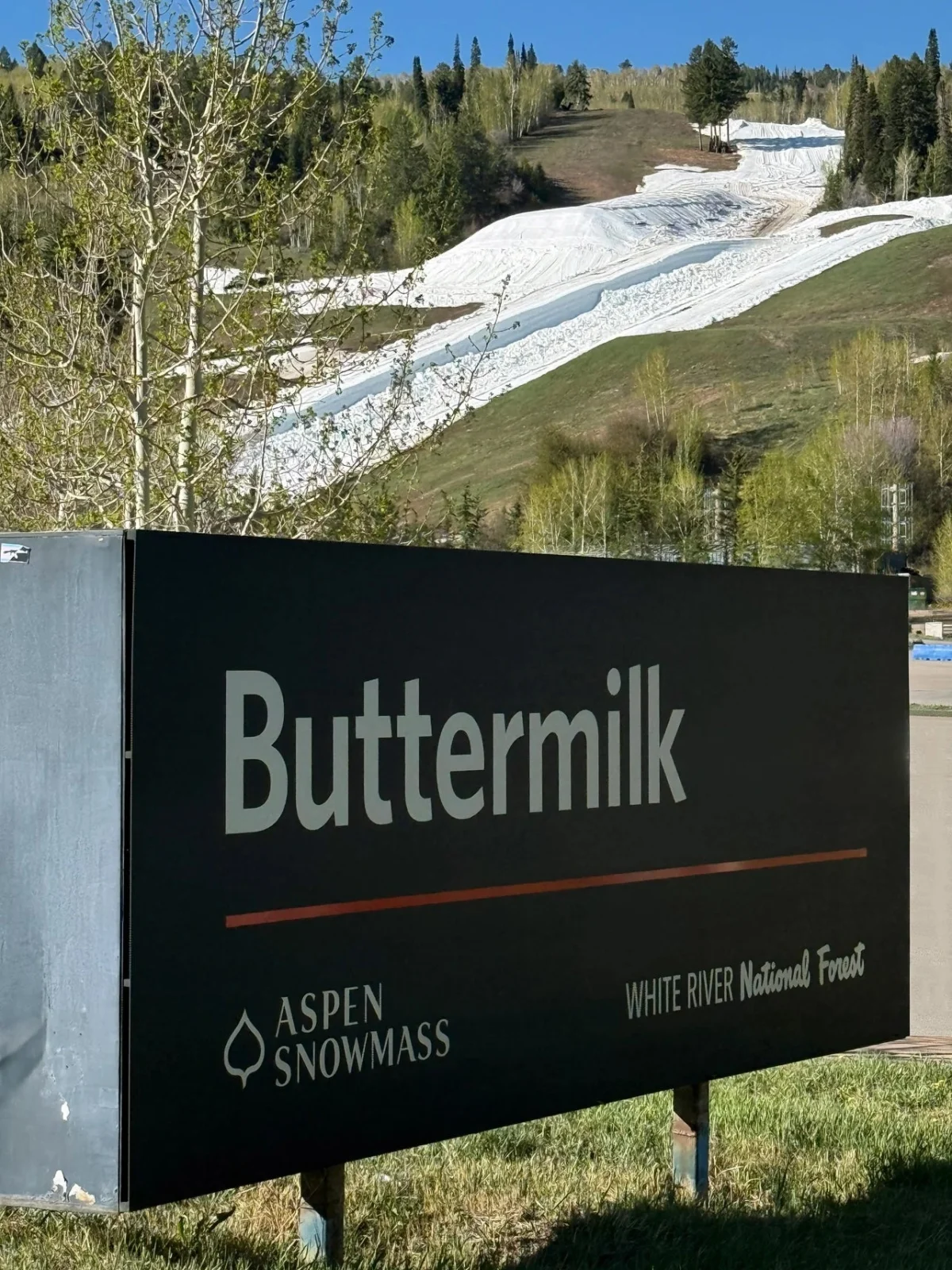
The concept of skiing on last winter’s snow, once a niche practice confined to extreme environments like Greenland or the remote Patagonian steppes, is rapidly becoming a tangible reality for ski resorts across North America. A Finnish company, Snow Secure, has significantly expanded its operations, partnering with over two dozen ski areas on the continent to implement a groundbreaking snow preservation system. This innovative approach aims to mitigate the growing challenges posed by unpredictable weather patterns and warmer winters, ensuring resorts can open on time, safeguard major events, and maintain the integrity of their terrain parks.
The Science Behind Summer Snow
At its core, Snow Secure’s technology is deceptively simple yet remarkably effective. The process involves meticulously piling snow, typically from the previous winter’s accumulation or early-season snowmaking, in designated areas. These carefully managed snow reserves are then covered with thick, insulating blankets. These blankets, composed of extruded polystyrene – a material commonly utilized in Scandinavian homes for its superior thermal insulation properties – act as a formidable barrier against the summer sun and rising temperatures.
The effectiveness of this method lies in its ability to significantly reduce snowmelt. While some volume loss is inevitable, Snow Secure reports that snow stored under their blankets can survive an entire summer with a melt rate of less than 30 percent. This is a dramatic improvement compared to exposed snow, which can dissipate entirely within weeks of warmer weather. Real-time temperature sensors are embedded beneath the 2- to 3-inch-thick blankets, continuously monitoring conditions. Data from these sensors consistently show that the temperature within the snowpack rarely exceeds 35 degrees Fahrenheit, even when ambient temperatures soar.
Early Adopters and Expanding Reach
Finland’s Levi Ski Resort, a pioneer in adopting Snow Secure’s technology, serves as a prime example of its success. Levi has demonstrated the capability to store substantial volumes of snow, reportedly over 250,000 cubic meters. This substantial reserve has proven instrumental in ensuring the resort can commence operations on schedule, regardless of the prevailing weather conditions at the start of the ski season. This proactive approach not only guarantees an opening day but also provides a buffer against potential early-season snowmaking challenges.
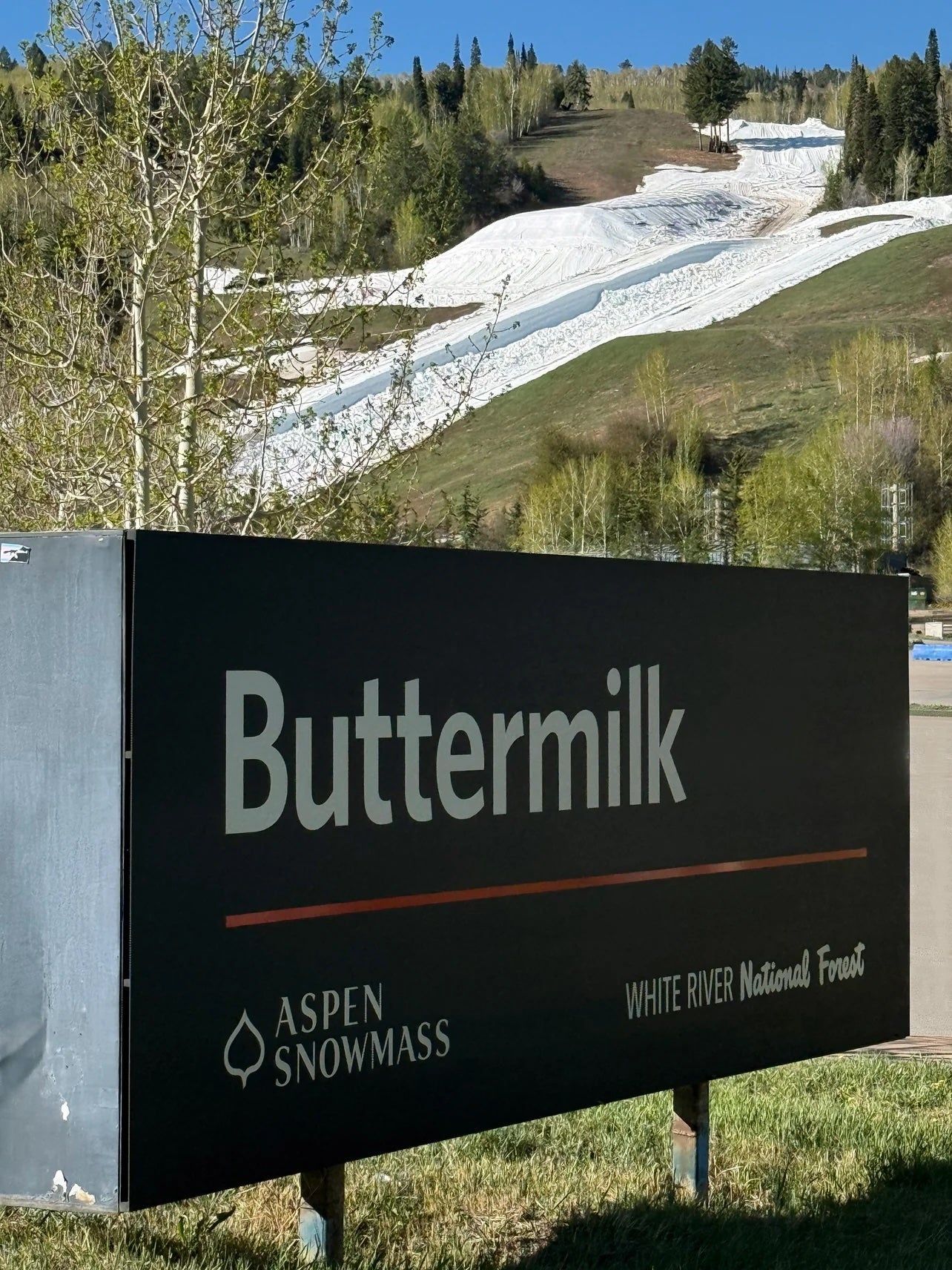
The technology’s success in Europe has paved the way for its North American expansion. In Colorado, the renowned Aspen Snowmass resort has embraced the Snow Secure system. Piles of man-made snow are currently being carefully preserved under the insulating blankets, awaiting the return of winter conditions. Further north, Sun Peaks Resort in British Columbia, Canada, became the first Canadian ski area to implement the technology. By preserving snow at the close of the 2025 season, Sun Peaks was able to utilize these reserves to open its dedicated race venue in early November, a feat that might have been jeopardized by unseasonably warm weather. This early opening for a specific venue highlights the technology’s versatility, not just for general resort operations but also for specialized event preparedness.
Addressing the Opening Day Dilemma
The impact of climate change on ski seasons has become increasingly evident, with many resorts experiencing delayed openings due to insufficient natural snowfall and unseasonably warm temperatures. Last winter alone, over two dozen ski resorts across North America were forced to postpone their opening days. This trend not only impacts revenue but also disrupts the established rhythm of the winter sports industry and the communities that depend on it.
Snow Secure’s technology offers a tangible solution to this growing problem. By ensuring a baseline of snow availability, resorts can more reliably adhere to their planned opening dates. This predictability is invaluable for marketing, staffing, and guest expectations. The ability to guarantee an opening day can translate directly into sustained visitor numbers and a more stable economic outlook for ski destinations.
Environmental Considerations and Broader Implications
Beyond operational continuity, Snow Secure’s snow preservation method also presents significant environmental benefits. A primary advantage is the reduction in water consumption associated with artificial snowmaking. Traditional snowmaking is a water-intensive process, and by minimizing the need for extensive snow production at the start of the season, resorts can conserve valuable water resources. This aligns with the broader sustainability movement within the outdoor recreation industry, which is increasingly under pressure to adopt more environmentally responsible practices.
While Snow Secure’s technology is not a panacea for climate change itself, it represents a crucial adaptive strategy for the ski industry. It provides a practical means for resorts to navigate the challenges of increasingly volatile winter weather patterns. By preserving existing snow, resorts are essentially "buying time" – time to adapt, time to implement further sustainability initiatives, and time for a more stable climate to potentially return. This proactive approach demonstrates the industry’s commitment to resilience and long-term viability in the face of environmental shifts.
Technical Specifications and Operational Insights
The extruded polystyrene blankets used by Snow Secure are engineered for durability and optimal thermal performance. Their thickness, typically between 2 to 3 inches, is carefully calibrated to provide maximum insulation without becoming overly cumbersome to deploy and manage. The material’s cellular structure traps air, creating a highly effective barrier against heat transfer. This is akin to the principle behind double-glazed windows or insulated walls in modern construction.
The strategic placement of snow reserves is also a critical factor. Resorts often select shaded areas or natural depressions to further minimize direct solar radiation on the snow piles before blanket deployment. The process begins in the spring, as soon as natural snowmelt slows or snowmaking concludes for the season. Snow is compacted to increase its density and reduce air pockets, further enhancing its longevity.
Case Study: Sun Peaks’ Early Season Advantage
Sun Peaks Resort’s experience with Snow Secure offers a compelling illustration of the technology’s benefits for specialized venues. By preserving snow from the previous season, the resort was able to guarantee the early opening of its race course in November. This is particularly important for competitive skiing, where athletes and teams often require early-season training facilities. The ability to provide a consistent and reliable training environment can be a significant draw for professional athletes and development programs, further bolstering the resort’s reputation and economic activity.
The financial implications of delayed openings are substantial. Ski resorts often incur significant upfront costs for staffing, marketing, and operational readiness well before the first guest arrives. A delayed opening can result in lost revenue from lift tickets, lodging, food and beverage, and retail. By mitigating this risk, Snow Secure offers a direct return on investment through guaranteed operational periods.
Future Outlook and Industry Adaptation
The growing adoption of Snow Secure technology across North America suggests a broader trend within the ski industry: a proactive and innovative approach to climate adaptation. As weather patterns become more unpredictable, resorts are increasingly seeking solutions that enhance their resilience. This might also include investments in more efficient snowmaking technology, renewable energy sources for resort operations, and diversified summer tourism offerings.
However, the reliance on snow preservation, while effective, also underscores the urgency of addressing the root causes of climate change. While Snow Secure provides a valuable tool for adaptation, a long-term sustainable future for skiing will ultimately depend on global efforts to reduce greenhouse gas emissions. In the interim, technologies like Snow Secure are indispensable for ensuring the continued viability of a beloved winter sport and the economic ecosystems it supports. The trend is clearly spreading, and it is likely that many more ski areas will explore these innovative solutions as they navigate the evolving landscape of winter weather. The ability to ski on last winter’s snow is no longer a distant possibility, but a present-day strategy for the future of snow sports.
