

Published July 6, 2026 03:10PM
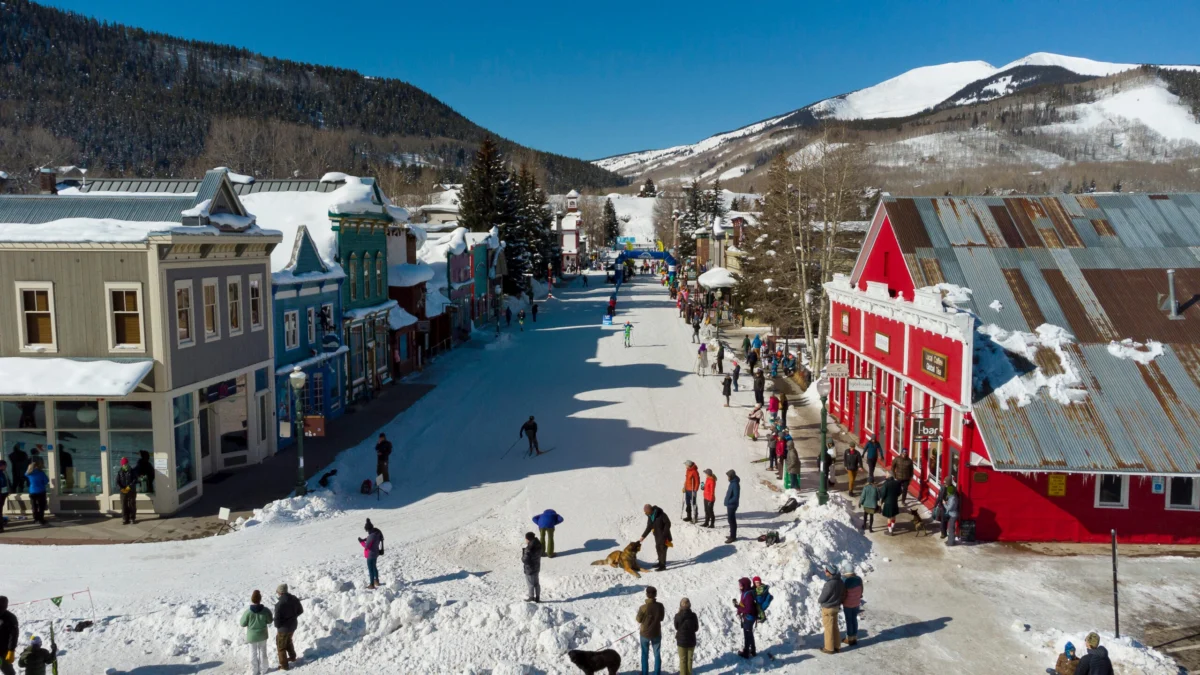
The allure of packing up, moving to the mountains, and embracing the quintessential "ski bum" lifestyle has captivated generations of skiers. It’s a romanticized vision of endless powder days, tight-knit communities, and a pace of life dictated by the seasons rather than the corporate clock. Yet, for many, this fantasy remains just that—an aspirational dream increasingly challenged by the stark realities of ballooning costs in resort towns. As the idyllic mountain retreat transforms into an exclusive luxury destination, the pursuit of stability often clashes with the desire for a life on the slopes.
Despite these growing hurdles, a dedicated cohort of individuals continues to forge their paths in mountain communities, demonstrating that the dream is not entirely out of reach. Whether committing for a single season or building a lifetime in the high country, these pioneers navigate complex economic landscapes with resilience, adaptability, and an unwavering passion for the alpine environment. Their journeys underscore a fundamental truth: while not always easy, the rewards—from pre-work powder laps to a vibrant, like-minded community—often outweigh the inherent struggles.
Jamie Burkholder, a seasoned ski patroller in Whitefish, Montana, encapsulates this sentiment: "The stress and struggles are things we have to deal with. But try not to forget how fun the lifestyle is." His words resonate with many who actively choose a life that prioritizes experience over conventional material accumulation, even as the financial pressures intensify.
The Evolution of the Mountain Dream: From ‘Ski Bum’ to Strategic Living
The concept of the "ski bum" originated in an era when ski towns were far more accessible. Small, often isolated communities offered affordable living, and seasonal jobs at nascent resorts or local businesses provided enough income for a simple existence centered around skiing. This informal economy fostered a unique culture of camaraderie and shared passion. However, the last few decades have seen a dramatic transformation. The growth of the ski industry, coupled with increased tourism and real estate investment, has driven property values and living expenses skyward. What were once modest homes are now multi-million dollar vacation properties, and local wages have largely failed to keep pace.
This economic shift has necessitated a redefinition of the "ski bum" archetype. Today’s mountain dwellers are often more strategic, resourceful, and entrepreneurial than their predecessors. They are not merely "bumming" but actively constructing a sustainable lifestyle through diverse income streams, creative housing solutions, and a deep understanding of the local economy. The challenge lies in balancing the desire for an authentic mountain experience with the imperative to secure financial stability in an increasingly expensive environment.
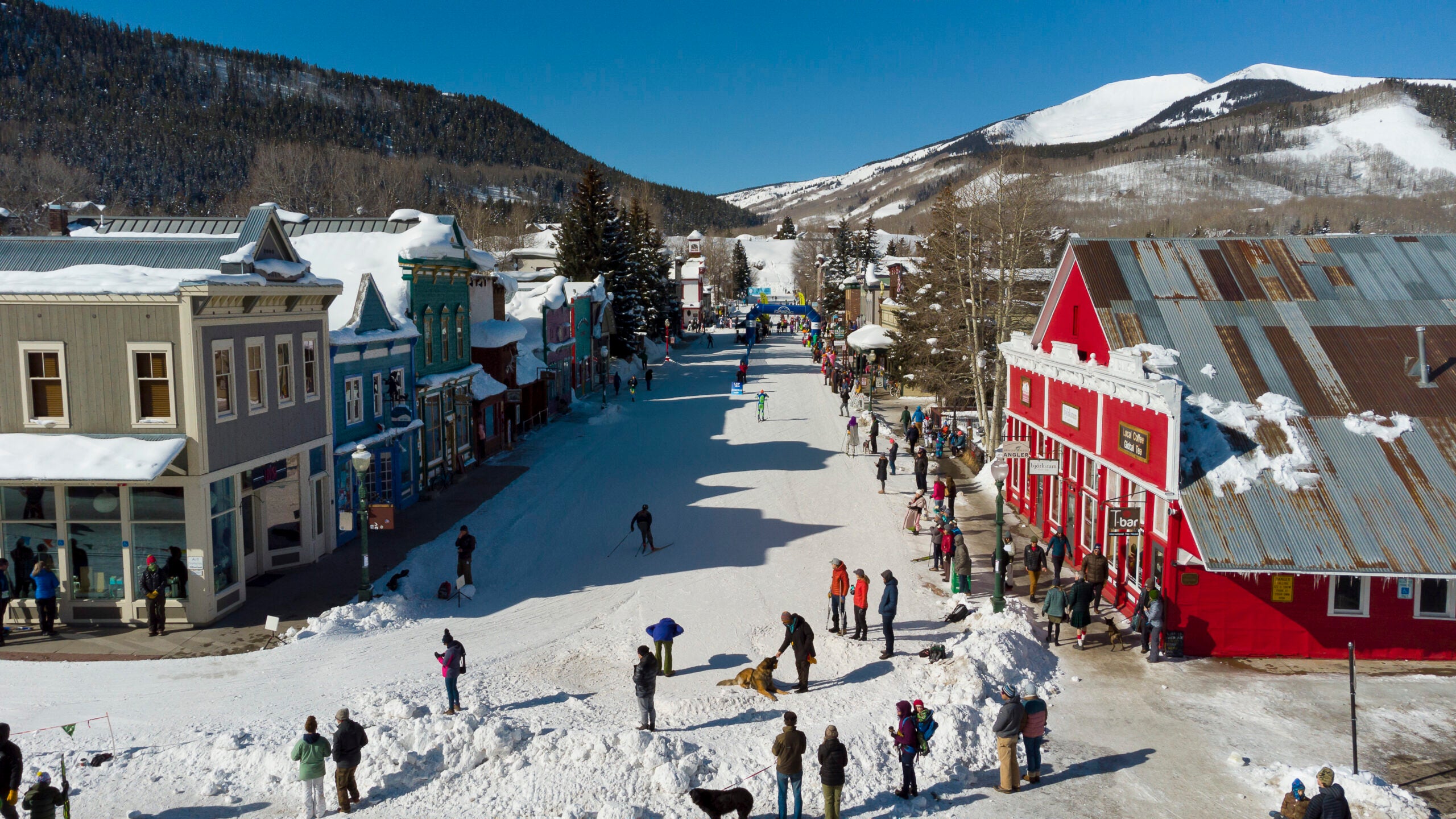
Pathways to the Peaks: Diverse Approaches to Mountain Living
To understand how ordinary individuals are turning this challenging fantasy into a reality, we’ve spoken with several skiers who embody different approaches to mountain living. Despite varying life stages and aspirations, they share common traits: a flexible mindset, diverse work histories, and a mastery of the "side hustle." Their stories offer valuable insights for anyone considering a leap into the ski life.
Emily Johnson, a waitress in Big Sky, Montana, confidently states, "It’s 100 percent worth it to try." Her conviction reflects the sentiment shared by many who have found their niche in the mountains. These individuals are not just living in ski towns; they are actively shaping them, even as they contend with systemic economic pressures.
The Seasonal Pursuit: Emily Johnson’s Journey
Emily Johnson represents the quintessential seasonal worker, embracing the transient yet fulfilling nature of life dictated by the snow cycle. Her approach to taking things "one season at a time" provides her with immense flexibility and a rich tapestry of experiences. She frequently encounters people who express regret for not having taken a similar chance earlier in life, reinforcing her belief in the value of her choices. "I’m so happy to be doing this, and I’m so happy to be doing it now," she beams, reflecting a profound sense of contentment.
Johnson’s journey began in 2024, inspired by a high school classmate who had moved to Colorado. The Rhode Islander decided to test the waters herself, securing a position as a health club attendant at Sunday River in Maine. This initial foray into the resort industry proved transformative. Hooked by the lifestyle and the access to the slopes, she deepened her commitment. The following winter, she transitioned to Big Sky, Montana, another property under the Boyne Resorts umbrella.
In Big Sky, Johnson discovered a "cheat code" for maximizing mountain access and income: waitressing. The tipped income from her serving job often surpasses the hourly wages of many entry-level resort positions, providing a crucial financial edge. Furthermore, the typical evening hours of restaurant work allow her ample daylight for morning laps on the mountain, a luxury many 9-to-5 jobs in resort towns simply cannot offer. This strategic choice highlights the ingenuity often required to make mountain living financially viable.
A significant component of Johnson’s success lies in securing employee housing during the season. This is a critical piece of advice she offers to aspiring mountain dwellers, emphasizing that "finding affordable housing is by far the toughest challenge you’ll face." Indeed, data from numerous mountain communities across North America indicates that median rents and home prices far outstrip average local wages. In some prime resort areas, a single-bedroom apartment can easily cost upwards of $2,000 per month, while many entry-level resort jobs pay between $15-20 an hour. Employee housing, while sometimes basic, offers a vital lifeline, insulating seasonal workers from the most extreme pressures of the housing market. Its availability, however, varies widely by resort and demand often far exceeds supply.
Building a Career in the High Country: Loryn Roberson’s Strategy
While the image of seasonal work is often synonymous with the ski industry, Loryn Roberson’s story illustrates that year-round career paths are not only possible but increasingly vital to the operation of modern resorts. Her journey underscores the importance of strategic planning, skill development, and networking for those aiming for long-term professional engagement in mountain towns.
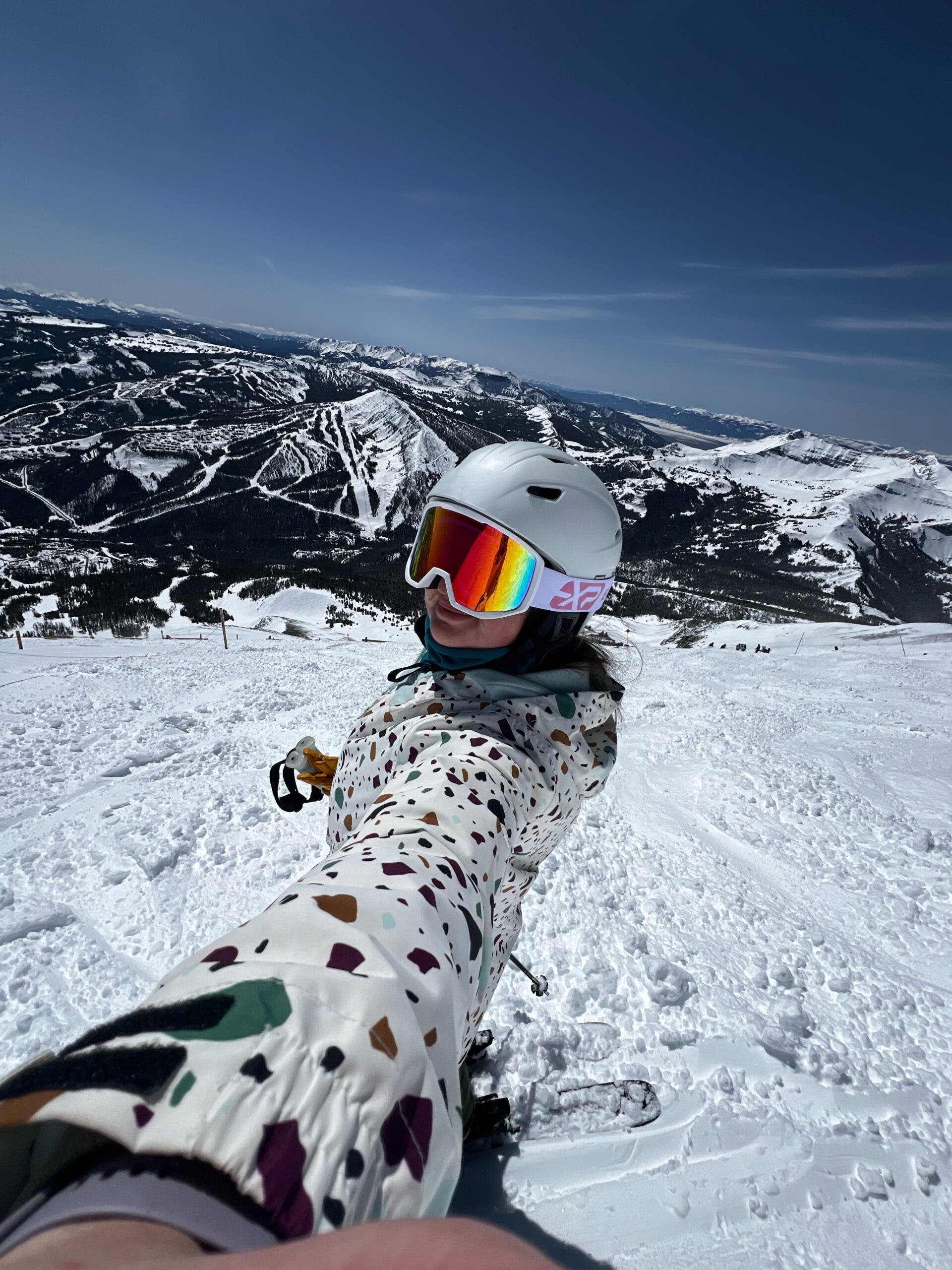
Roberson, who grew up in a "one-stoplight town" in Michigan, experienced her pivotal moment during a college trip to Colorado, where her passion for skiing was ignited. Immediately after graduation, she relocated to Beaver Creek, eager to immerse herself in the mountain environment. Over the years, she gained diverse experience in various roles at resorts across Colorado, including lift maintenance, administrative support, hospitality, and human resources—roles that are foundational to the complex operations of a major ski resort. These positions, often overlooked by those solely focused on on-mountain roles, offer stability and opportunities for advancement.
A key, and perhaps counter-intuitive, part of Roberson’s career trajectory was a two-year "detour" to New York. During this period, she worked for a marketing agency, gaining invaluable experience in communications. This strategic move was not a departure from her mountain dream but a calculated step to acquire specialized skills that would make her more competitive for higher-level roles within the ski industry. "I had to take a step back before I could take a step forward," Roberson explains, highlighting the long-term vision behind her decision. Her goal was always to return to Colorado, equipped with the expertise to secure a communications position at a ski resort, a goal she successfully achieved.
Roberson’s advice for those seeking careers in the industry is clear: "get your foot in the door, even if it’s in an entry-level role." She emphasizes the importance of making one’s long-term goals known within the community and actively seeking out mentors. "Be vocal and be curious," she recommends. This approach allows individuals to build internal networks, learn about opportunities that may not be publicly advertised, and demonstrate their commitment to the resort and the lifestyle. Her story is a testament to the fact that with dedication and a willingness to diversify one’s skill set, a fulfilling, year-round career in the mountains is attainable.
The Mountain Family Man: Jamie Burkholder’s Multigenerational Grit
Jamie Burkholder’s life in Whitefish, Montana, offers a powerful glimpse into the challenges and triumphs of raising a family in a mountain town. As a ski patroller and a father of two, his narrative exemplifies the dedication and sheer ingenuity required to sustain a mountain lifestyle when conventional single-income jobs are often insufficient. Having been in the industry since 2008, Burkholder has witnessed firsthand the escalating difficulties. "I’ve seen a lot of good people come and go," he notes, underscoring the high attrition rate driven by economic pressures.
For the Burkholder family, maintaining their lifestyle necessitates a mosaic of employment. Both Jamie and his wife typically juggle multiple jobs throughout the year, a common reality for many families in resort communities. Beyond his primary role as a ski patroller, Burkholder’s entrepreneurial spirit shines through a diverse array of side gigs: teaching avalanche safety courses, engaging in construction work, cleaning and installing docks in the warmer months, renting motorcycles, and leading fly-fishing tours. This "gig economy" approach is not merely supplementary; it is often the fundamental mechanism by which families cobble together enough income to "keep afloat" in a high-cost environment.
However, even with this relentless work ethic, the economic realities are stark. Burkholder acquired his family home in 2016, a feat he acknowledges would likely be out of reach for workers like him today. Since 2016, median home prices in popular resort towns have increased by 50-100% or more, far outpacing wage growth. According to recent economic reports, the average cost of a single-family home in many sought-after ski towns now hovers between $800,000 and $1.5 million, figures that are virtually unattainable for individuals earning typical resort wages. Furthermore, the burden of childcare expenses in remote mountain towns, often lacking extensive public options, adds another significant financial squeeze on families.
"Wages tend not to keep pace with change in these towns," Burkholder observes, succinctly articulating the core economic imbalance that threatens the sustainability of mountain communities. This disparity creates a vicious cycle: essential workers—like ski patrollers, hospitality staff, and educators—are priced out of the very towns they serve, leading to labor shortages and a loss of local character.

Addressing the Squeeze: The Role of Organized Labor and Policy
Despite the formidable challenges, Burkholder remains optimistic about potential avenues for positive change. He actively champions the growing movement towards unionization within the ski industry, seeing it as a critical tool for workers to secure a more equitable and stable future. "With the unionization of the group and organized labor," he says, "you tend to have at least a little better-determined future."
The ski industry, historically resistant to unionization, has seen a recent surge in organizing efforts. From ski patrollers to lift operators and snowmakers, workers across various resorts are advocating for better wages, improved benefits, and more secure working conditions. This trend mirrors a broader resurgence of organized labor across the United States, driven by rising cost-of-living concerns and a desire for greater economic security. Unions can provide a collective bargaining voice, potentially pushing resort management towards more competitive compensation packages that better reflect the high cost of living in their locations. For instance, recent union contracts in other sectors have secured wage increases significantly above inflation, alongside improved healthcare and retirement benefits.
Beyond organized labor, a multi-faceted approach involving local government and resort management is essential to address the housing crisis. Initiatives such as deed-restricted affordable housing programs, subsidized employee housing developments, and incentives for year-round rentals are critical. Some communities are exploring innovative solutions like land trusts, modular housing, and even public transportation expansions to allow workers to live further afield while still accessing their jobs. Resort companies themselves, facing severe labor shortages, are increasingly recognizing the imperative to invest in workforce housing and competitive compensation if they wish to attract and retain the talent necessary to operate their facilities. A representative from a major resort conglomerate, speaking on background, acknowledged that "the long-term health of our resorts is directly tied to the ability of our employees to live and thrive in these communities. We are actively exploring sustainable housing solutions and wage adjustments."
The Broader Economic and Social Implications
The struggle for affordability in ski towns has far-reaching implications beyond individual workers. It impacts the social fabric of these communities, threatening their diversity and authenticity. As essential workers are forced out, towns risk becoming transient havens for the wealthy, losing the local character, skilled tradespeople, and community services that make them vibrant places to live. The shortage of service staff, medical professionals, and educators can degrade the overall quality of life for residents and visitors alike.
Economically, a shrinking local workforce can lead to reduced service quality, higher operational costs for businesses, and ultimately, a less appealing destination for tourists. The long-term sustainability of the ski industry itself hinges on its ability to support the people who make it run.
An Enduring Appeal and an Evolving Future
The dream of mountain living, while increasingly complex, continues to inspire. The stories of Emily Johnson, Loryn Roberson, and Jamie Burkholder are testaments to the enduring human desire to connect with nature, build community, and pursue a life of passion. Their experiences offer a blend of practical strategies and resilient optimism for those daring to chase the dream.
As the organized labor movement gains momentum and policymakers grapple with the housing crisis, there is a cautious hope that ski resorts and local governments will be compelled to provide better wages, benefits, and affordable living options. This shift is not just about fairness; it’s about safeguarding the very essence of mountain towns and ensuring that the people who maintain the lifts, patrol the slopes, and serve the meals can also call these extraordinary places home. The future of the mountain lifestyle depends on a collective effort to bridge the gap between aspiration and economic reality, ensuring that the "ski bum" spirit can continue to thrive, albeit in a more strategically planned and sustainable form, for generations to come.
