

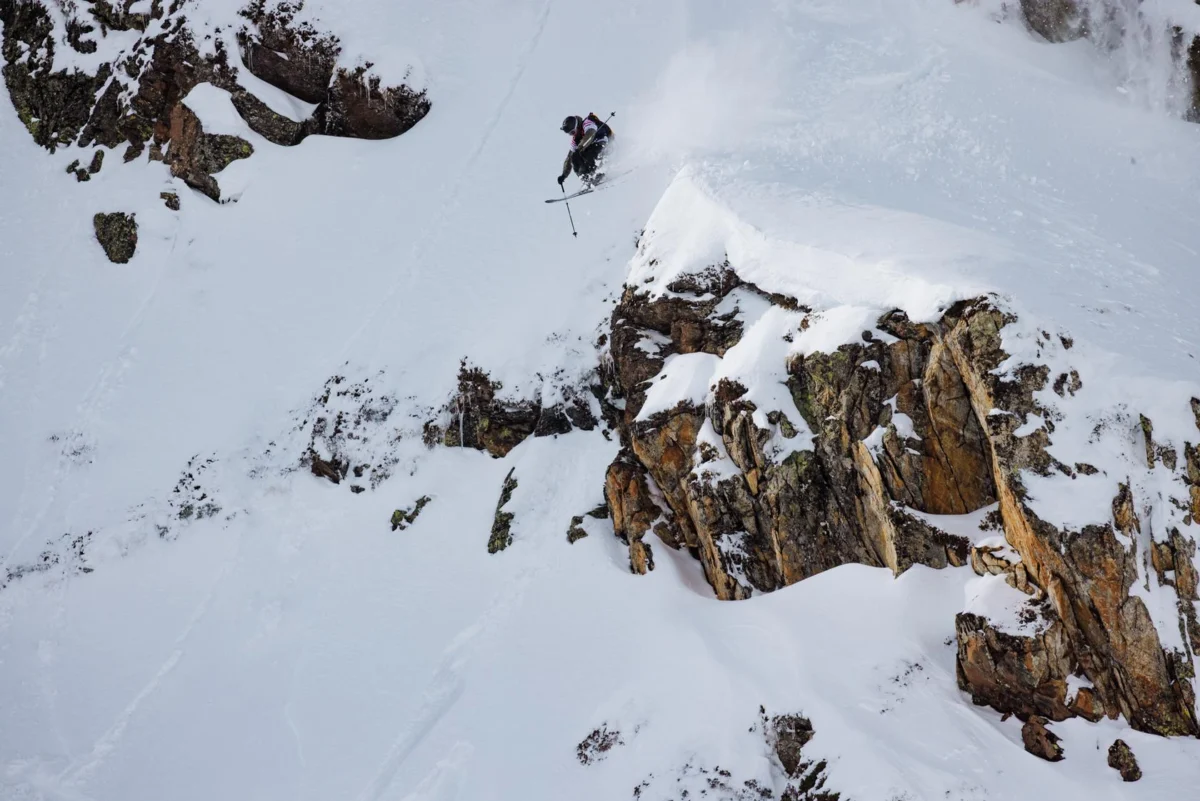
The International Olympic Committee (IOC) has officially sanctioned a groundbreaking addition to the Winter Olympics program, announcing that freeride skiing and snowboarding will make their highly anticipated debut at the 2030 Alpes Winter Olympic Games in France. This momentous decision, confirmed on Tuesday, July 7, 2026, marks a significant milestone for a discipline that has captivated snow sports enthusiasts with its raw expression, daring athleticism, and deep connection to the natural mountain environment. For years, the freeride community has lobbied for this inclusion, envisioning a future where athletes could showcase their unparalleled skills on the world’s most prestigious sporting stage.
The path to Olympic recognition has been a deliberate and strategic one, driven by the dedicated efforts of organizations and individuals who championed the sport. The pivotal moment in this journey occurred in 2022 with the merger of the Freeride World Tour (FWT) and the Fédération Internationale de Ski (FIS). This consolidation streamlined the governance of freeride, paving the way for its formal recognition as an official FIS discipline in 2024. This classification placed freeride alongside established Olympic sports such as alpine skiing, cross-country skiing, ski jumping, Nordic combined, and snowboarding, signaling its readiness for the Olympic arena. Nicolas Hale-Woods, the visionary founder and CEO of the FWT, underscored the profound significance of this development, stating, "Freeride is standing at a once-in-a-generation moment. What we are witnessing right now is the culmination of decades of passion from athletes, organizers, filmmakers, fans, and mountain communities."
The inclusion of freeride is expected to ignite immense interest among a new generation of winter sports fans and further elevate the profile of athletes who have dedicated their lives to pushing the boundaries of what is possible on snow. The inherent drama and visual spectacle of freeride, characterized by athletes navigating steep, ungroomed terrain, executing complex aerial maneuvers, and demonstrating exceptional control, are poised to become major draws for audiences worldwide.
The Journey to Olympic Inclusion: A Timeline of Progress
The official announcement in July 2026 is the culmination of a multi-year effort to integrate freeride skiing and snowboarding into the Olympic framework. Understanding the chronological progression of these efforts provides valuable context for the significance of this decision.
- Pre-2022: Freeride skiing and snowboarding existed as distinct disciplines, primarily organized and promoted by independent tours and events. The Freeride World Tour (FWT) had emerged as the premier global circuit, showcasing elite athletes in challenging backcountry environments. While popular among a dedicated fanbase, Olympic inclusion remained a distant aspiration.
- 2022: A landmark year for the sport, the Freeride World Tour (FWT) officially merged with the Fédération Internationale de Ski (FIS). This strategic union was designed to create a more unified and globally recognized structure for freeride, facilitating greater collaboration and resource allocation. The merger was seen as a crucial step towards achieving broader international sporting legitimacy.
- 2024: Following the merger, freeride was formally recognized as an official discipline within the FIS. This classification was a critical precursor to Olympic consideration, aligning freeride with the governance and standards of established Olympic winter sports federations. The move signaled a serious commitment from FIS to developing and promoting freeride on a global scale.
- 2024-2026: The period leading up to the IOC’s decision saw increased dialogue and collaboration between freeride stakeholders, including the FWT and FIS, and the International Olympic Committee. Preparatory events, such as the FIS Freeride World Ski Championships, were likely used to demonstrate the sport’s readiness and appeal for an Olympic format. Athletes and organizers actively campaigned for inclusion, highlighting the sport’s growing popularity and unique appeal.
- July 7, 2026: The International Olympic Committee formally announced the inclusion of freeride skiing and snowboarding in the 2030 Winter Olympic Games. This announcement was met with widespread celebration and excitement throughout the freeride community.
Athlete Reactions: Validation and Motivation
The news of Olympic inclusion has resonated deeply within the freeride athlete community, offering a profound sense of validation and a powerful surge of motivation. For many, this has been a long-held dream, a benchmark for the sport’s progression and their own careers.
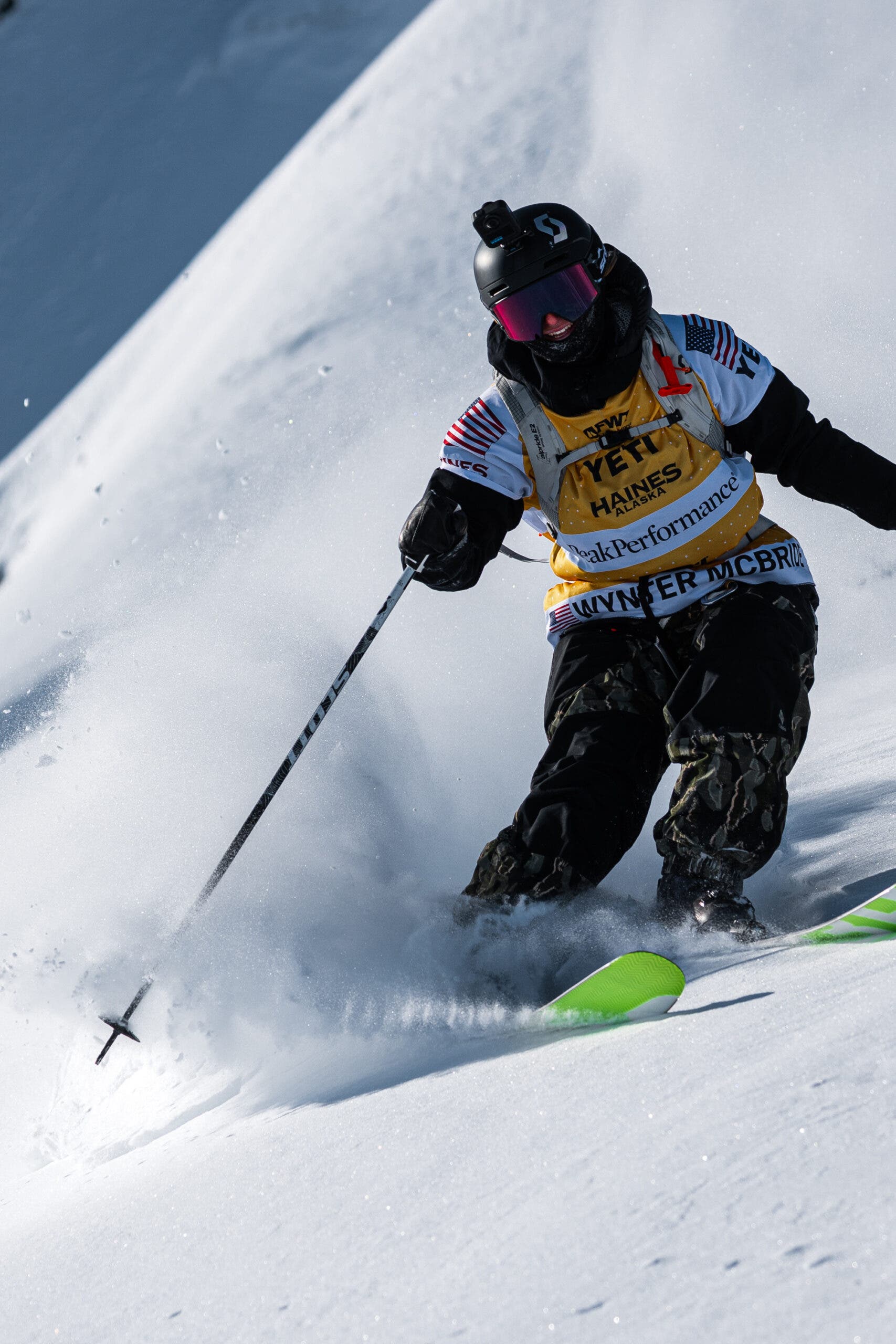
Wynter McBride, a 26-year-old skier from Salt Lake City, Utah, who has been actively competing and coaching in freeride, expressed her elation. "It makes me super motivated. I’ll be making strides to be there for sure!" McBride told SKI. "I am at a loss for words mostly, and can’t quite contain my excitement." McBride, who competed in her first FWT season in 2025-’26, views the Olympic recognition as a significant endorsement. "It feels like the right thing for the freeride community to have happen," she stated, emphasizing the validation that comes from having her lifelong passion recognized at the highest level of international sport.
Ross Tester, a seasoned competitor with five FWT appearances to his name, echoed McBride’s sentiments. "The idea of [freeride becoming an Olympic sport] is validating as an athlete to feel recognized," Tester shared. "It’s kind of a natural progression in my eyes, and getting to this point is pretty rad." Tester sees this as a natural evolution for a sport that has consistently pushed boundaries and captivated audiences with its inherent drama and athleticism.
The prospect of Olympic participation brings with it a host of potential benefits for athletes, including enhanced access to resources and increased sponsorship opportunities. "With the Olympics, we get all the resources of our national teams. So that alone is going to propel the sport a crazy amount," Tester noted. McBride further elaborated on the potential impact, suggesting that Olympic inclusion could "raise the bar a lot for the athletes" and "bring value to athletes from a sponsorship perspective." This influx of support and resources is expected to foster a more competitive and professional environment within the sport.
Preserving the Soul of Freeride: Judging and Format
A key consideration for the IOC and the freeride governing bodies has been ensuring that the sport’s unique character and ethos are preserved within the Olympic framework. Freeride competitions are distinguished by their subjective judging criteria, which evaluate athletes on five key elements: Line (the chosen path down the mountain), Air & Style (the execution of jumps and tricks), Fluidity (the seamless flow of movement), Control (the rider’s mastery of the terrain and conditions), and Technique (the overall skiing or riding proficiency).
Crucially, freeride competitions take place on natural, ungroomed mountain faces, offering athletes a blank canvas to carve their own unique lines. Unlike many traditional Olympic sports with pre-defined courses, freeride demands that athletes assess the terrain, identify the most challenging and aesthetically pleasing routes, and execute their runs with precision and creativity. This inherent freedom and reliance on natural landscapes are central to the sport’s appeal.
Nicolas Hale-Woods has expressed a strong commitment to maintaining the sport’s core identity. He and his team are "dedicated to keeping the soul of freeride" and do not anticipate significant alterations to the judging criteria or competition format under Olympic governance. This assurance aims to quell any concerns that the pressures of the Olympics might lead to a sanitization or fundamental alteration of what makes freeride so compelling.
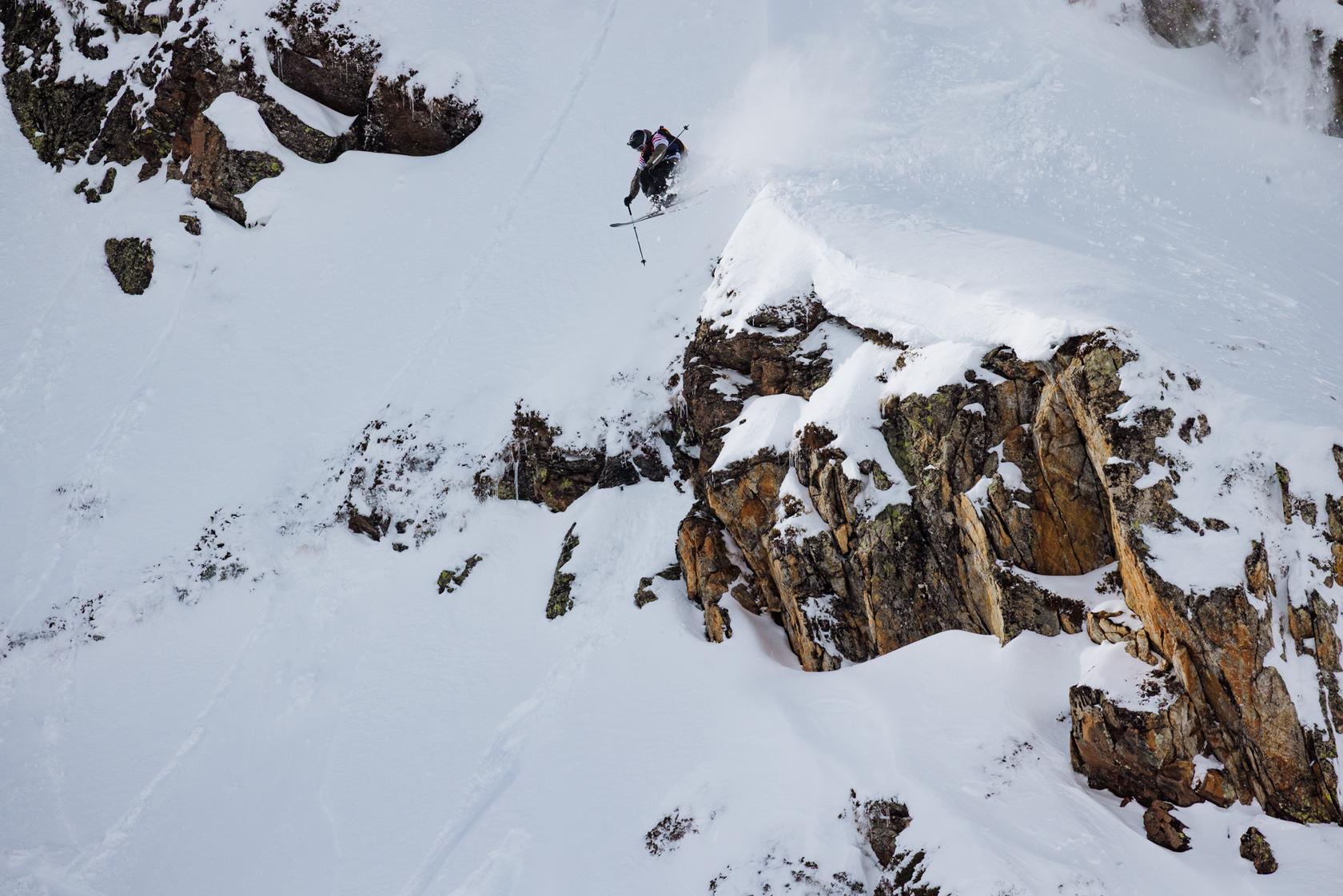
While the precise Olympic qualifying pathways are still being defined, the proposed competition format is expected to mirror the successful model implemented at the inaugural FIS World Championships in Andorra. This format typically involves a select field of elite athletes, with initial plans suggesting 22 men and 22 women competing. The emphasis will likely remain on athletes showcasing their ability to navigate challenging natural terrain with daring and style. Further details regarding the specific venues and competition structure for the 2030 Games are anticipated to be released in the coming months.
A Turning Point for Extreme Snow Sports
The inclusion of freeride skiing and snowboarding in the Olympic Games represents a significant moment, drawing parallels to the trajectory of alpine skiing, which made its Olympic debut in 1936. Since its inception, alpine skiing has evolved into a cornerstone of the Winter Olympics, achieving unprecedented global recognition and participation. Freeride now stands on the precipice of a similar growth trajectory.
The evolution of freeride from its roots as an underground, counter-culture movement to an Olympic sport underscores its immense growth in popularity and skill over the past few decades. Originating in the mid-1990s, with events like the Verbier Xtreme in Switzerland becoming legendary, the sport has consistently attracted athletes who seek adventure, self-expression, and the ultimate challenge on steep, untamed slopes. This progression from grassroots events to the global stage signifies a maturation of the discipline and its widespread appeal.
Hale-Woods aptly described this moment as more than just another chapter in the sport’s history; he called it "a turning point." He elaborated, "The performances, the venues, the energy around freeride right now reflect a sport coming into its own on the world stage." This sentiment captures the collective feeling of achievement and anticipation within the freeride community. The combination of increased resources, heightened global visibility, and the competitive drive of elite athletes is expected to propel freeride to new heights. The 2030 Winter Olympics in France will undoubtedly serve as a pivotal platform for this dynamic and exhilarating discipline, captivating audiences and inspiring a new generation of snow sport enthusiasts.
