

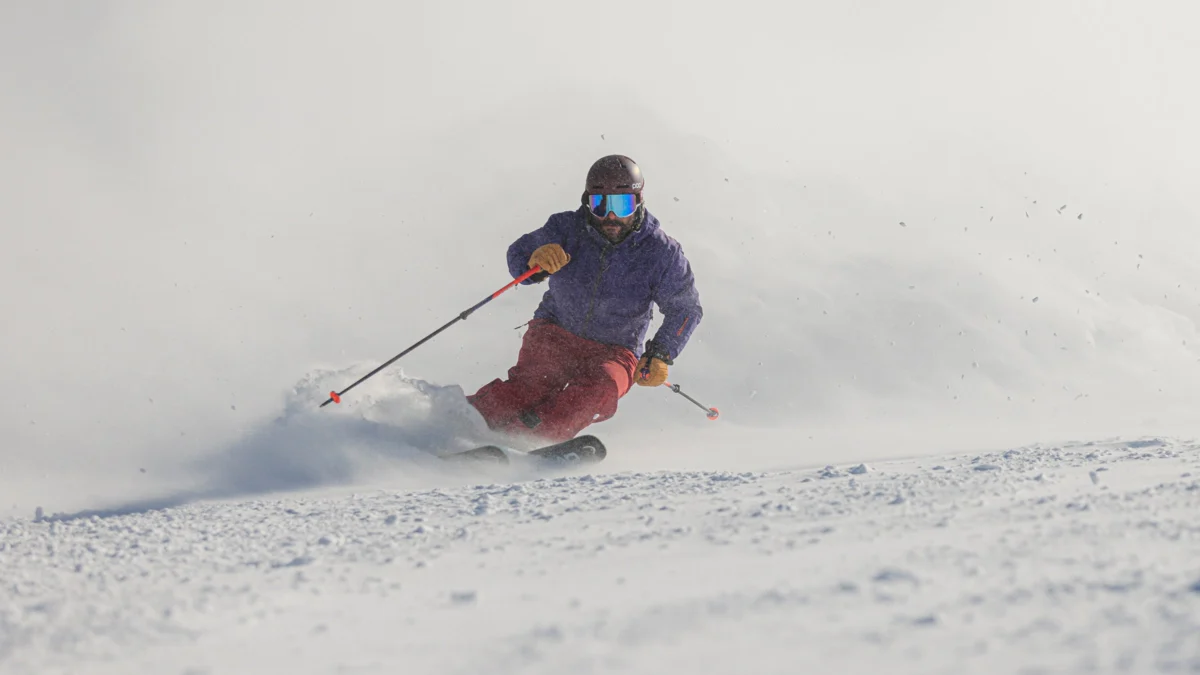
The release of the 2026 Head Kore 100 Ti has marked a significant shift in the all-mountain ski category, as the model has been designated the "Best for Most" by industry experts and equipment testers. Retailing at an original manufacturer’s suggested retail price (MSRP) of $799, the ski aims to bridge the gap between high-level expert performance and intermediate-level accessibility. This balance is achieved through a 100-millimeter waist width and the strategic integration of Titanal, a high-strength aluminum alloy, into the construction. Unlike previous iterations of the Kore series, which focused primarily on weight reduction, the 2026 Ti model prioritizes a "damp" and stable ride without sacrificing the lightweight maneuverability that defined its predecessors.
Technical Specifications and Engineering Evolution
The 2026 Head Kore 100 Ti represents a pinnacle of material science in the winter sports industry. The ski utilizes a multilayer construction that includes Graphene, one of the thinnest and strongest materials known to engineering, alongside a Karuba-poplar wood core. The primary innovation for the 2026 model year is the inclusion of "Ti" or Titanal. By layering these materials, Head engineers have managed to create a ski that maintains a high strength-to-weight ratio while offering the vibration damping necessary for high-speed descents on hard-packed snow.
The 100-millimeter waist is widely considered the "sweet spot" for all-mountain skiing in North America. It is narrow enough to provide edge-to-edge quickness on groomed runs yet wide enough to provide flotation in fresh powder and stability in chopped-up snow, commonly referred to as "crud." The construction also features a sandwich cap design and a structured UHM C base, which is the same material used in Head’s World Cup racing skis, ensuring durability and a consistent glide across varying snow temperatures.
Performance Analysis: The "No Weakness" Verdict
During the annual equipment testing cycles conducted at various high-altitude resorts, the Kore 100 Ti underwent rigorous evaluation by a panel of veteran ski testers. The assessment criteria included performance in hardpack, bumps, technical terrain, crud, and soft snow. Historically, all-mountain skis tend to excel in one area while compromising in another; for instance, a ski that is excellent in powder often lacks the torsional rigidity to hold an edge on ice.
However, the 2026 Kore 100 Ti defied this trend. Tester feedback indicated a lack of discernable weaknesses, with many noting that the ski "held its own" across every category. While it did not necessarily claim the top spot in a single niche—such as being the absolute stiffest for carving or the softest for deep powder—its aggregate score across all metrics was the highest in its class. This consistency led to the "Best for Most" designation, suggesting that for the majority of recreational and advanced skiers, this model provides the most utility per dollar spent.
Chronology of the Head Kore Series
The development of the Kore 100 Ti is the result of nearly a decade of iterative design. Understanding its current market position requires a look at the timeline of the Kore series:
- 2017: Head launches the original Kore series (Kore 93, 105, and 117). The skis are praised for being incredibly light due to the absence of a traditional top sheet, using a polyester fleece instead.
- 2019-2021: The series gains a cult following among backcountry and touring enthusiasts who value the lightweight build. However, some heavy-hitting resort skiers find the skis "chattery" on ice or at very high speeds.
- 2022: Head introduces a redesign that incorporates a more durable top surface and slight adjustments to the carbon fiber weave to increase dampness.
- 2024: The "Ti" prototypes begin appearing in professional testing circuits. Engineers focus on adding Titanal specifically to the midsection of the ski to improve edge grip without significantly increasing the swing weight at the tips and tails.
- 2026: The Kore 100 Ti is officially released to the public. It features the most refined version of the "Ti" integration, successfully silencing the previous criticisms regarding stability on hard snow.
Market Context and Pricing Strategy
At $799, the Head Kore 100 Ti is positioned in the premium mid-range of the market. This pricing strategy is competitive when compared to other high-performance all-mountain skis that often exceed the $900 mark when equipped with similar metal-reinforced constructions. Industry analysts suggest that Head is targeting the "one-ski quiver" demographic—consumers who prefer to own a single pair of skis that can handle any condition they might encounter during a typical week-long ski vacation.
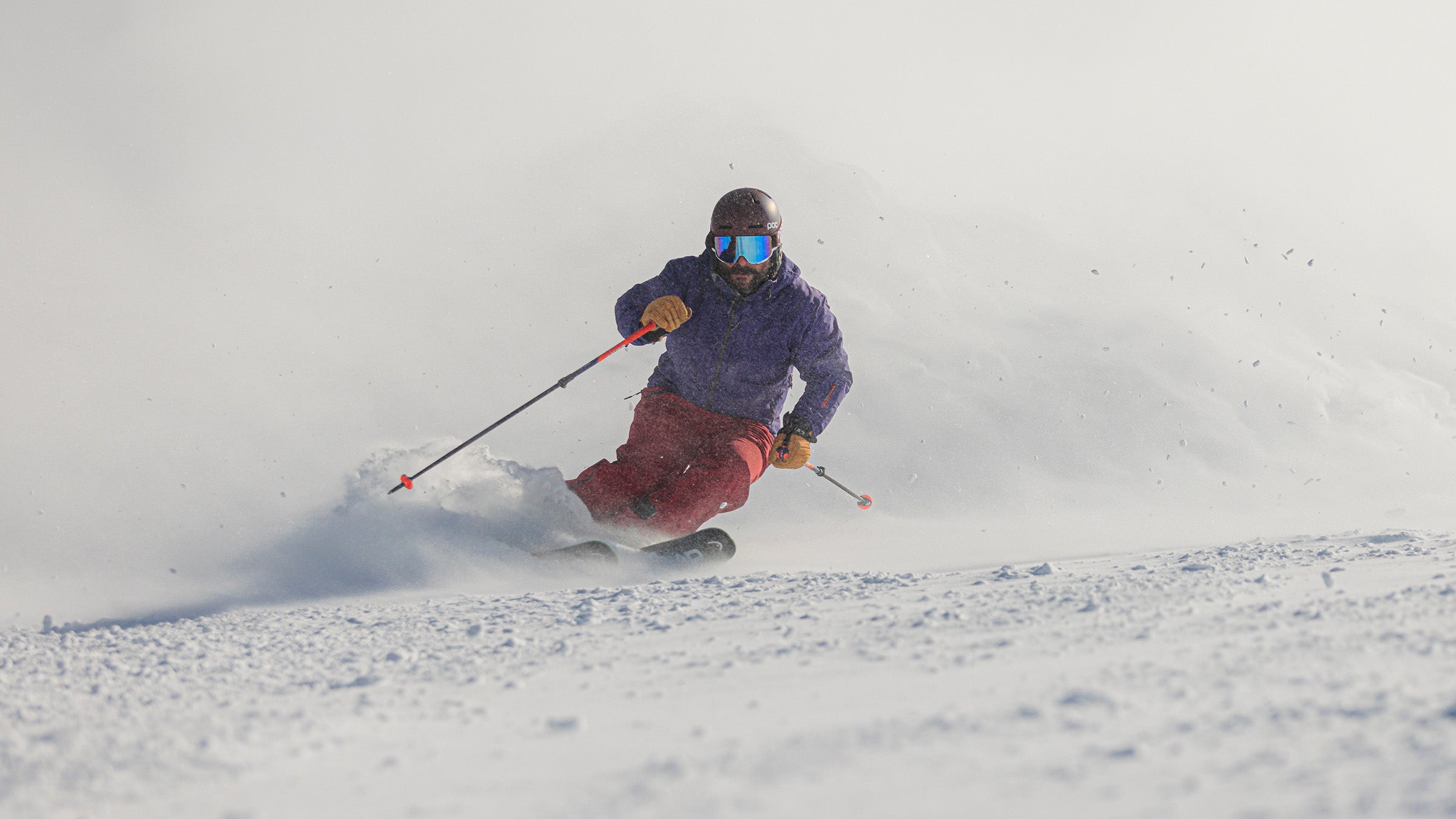
The accessibility of the ski is also a key factor in its marketability. While many "expert" skis require significant physical input and precise technique to turn, the Kore 100 Ti features a generous sweet spot. This means that an intermediate skier who is still refining their form can enjoy the ski without feeling "punished" for minor technical errors, while an expert can still push the ski to its limits on steep, technical terrain.
Industry Implications and Future Outlook
The success of the 2026 Kore 100 Ti reflects a broader trend in the ski industry toward "accessible performance." For years, the market was bifurcated between demanding race-inspired skis and soft, forgiving beginner skis. The emergence of the high-performance all-mountain category has forced manufacturers to innovate with hybrid materials that offer the best of both worlds.
Environmental and economic factors are also influencing these design choices. As ski seasons become more variable due to climate shifts, consumers are looking for gear that is versatile enough to handle both a mid-winter blizzard and a late-spring slush day. The Kore 100 Ti’s ability to perform in "crud" and "technical terrain" makes it a resilient choice for a changing alpine environment.
Retailers, including major outlets like REI and independent specialty shops, have reported strong initial interest in the Ti series. The consensus among shop technicians is that the inclusion of Titanal has addressed the final hurdle for the Kore line, making it a viable recommendation for the "every-skier."
Expert Reactions and Field Notes
The feedback from professional testers provides a more granular look at how the ski behaves in the wild. One veteran tester noted that the ski felt "pretty dang dialed," a sentiment that was echoed throughout the testing circuit. The most common observation was the ski’s "approachable" nature. In the world of high-end skis, "approachable" can sometimes be a euphemism for "boring," but in the case of the Kore 100 Ti, it refers to the ease with which a skier can initiate a turn and maintain control.
The ski’s performance in bumps (moguls) was particularly noted. Typically, metal-reinforced skis can feel heavy and cumbersome in tight mogul lines. However, the Kore 100 Ti retains enough of its lightweight DNA to remain "poppy" and agile, allowing for quick direction changes. On the flip side, when taken onto "groomers"—the smoothed-out, packed snow of main resort runs—the Titanal provides the "backbone" necessary to prevent the ski from washing out during high-speed carves.
Conclusion: A Calculated Gamble
Naming a single ski as the ideal choice for the general population is often considered a gamble by equipment journalists, given the diversity of skiing styles and snow conditions across the globe. However, the data and tester testimonials suggest that the 2026 Head Kore 100 Ti has mitigated that risk through balanced engineering. By refusing to maximize one strength at the expense of another, Head has created a tool that is as reliable in a technical chute as it is on a family-friendly cruiser.
As the 2026 season progresses, the Kore 100 Ti is expected to remain a benchmark for the all-mountain category. Its blend of Graphene, Karuba, and Titanal serves as a blueprint for the future of ski construction—one where "lightweight" and "powerful" are no longer mutually exclusive terms. For the consumer, the $799 investment represents a bet on versatility, a bet that, according to early season reviews, is likely to pay off across the entire mountain.
