

As climate patterns shift and the "fire season" in the Western United States and Canada extends further into the shoulder months, ski resorts are increasingly finding themselves on the front lines of wildfire management. Over the past three decades, the industry has transitioned from viewing wildfires as occasional anomalies to recognizing them as a permanent operational risk. From the utilization of snowmaking infrastructure as a defensive weapon to the complete ecological transformation of mountain faces, the history of wildfires at North American resorts provides a roadmap for survival, adaptation, and the complex reality of rebuilding in an era of environmental volatility.
The Socio-Economic Impact of Mountain Wildfires
Ski resorts are unique in their exposure to wildfires because they are often located within or adjacent to National Forest lands, characterized by dense timber and steep topography that complicates firefighting efforts. When a fire strikes a resort, the damage is rarely limited to physical structures like lodges or chairlifts. The destruction of the forest canopy—the "gladed" terrain that many resorts market as a premium experience—can take a century to recover.
Furthermore, the economic impact extends far beyond the resort’s boundaries. In rural mountain communities, the ski area is often the primary employer. A season-long closure, such as the one experienced by Sierra-at-Tahoe following the Caldor Fire, can result in tens of millions of dollars in lost local revenue. According to data from the National Ski Areas Association (NSAA), the industry contributes over $50 billion annually to the U.S. economy. As wildfires become more frequent, the cost of insurance for these resorts has skyrocketed, forcing many to invest heavily in proactive forest thinning and advanced suppression systems.

A Chronology of Significant Resort Wildfires
To understand the current state of risk management, one must look at the pivotal events that have shaped the industry’s response to fire. The following five cases represent the most significant intersections of wildfire and ski resort operations in modern history.
1. Sierra-at-Tahoe, California: The Caldor Fire (2021)
The Caldor Fire, which ignited in August 2021, remains the most destructive wildfire event in the history of the North American ski industry. The fire consumed over 221,000 acres in the Sierra Nevada, but its impact on the Sierra-at-Tahoe resort was particularly devastating. Roughly 80 percent of the resort’s 2,000-acre footprint was scorched.
The fire’s intensity was so great that it damaged six of the resort’s nine chairlifts, melting communication cables and compromising the structural integrity of lift towers. Additionally, the resort lost its entire maintenance fleet and millions of dollars in specialized equipment. The resort was forced to remain closed for the entire 2021-2022 winter season.
The recovery effort was a monumental undertaking involving the removal of thousands of "hazard trees"—charred timber that posed a falling risk to skiers. When the resort finally reopened for the 2022-2023 season, the landscape had been fundamentally altered. Areas that were once dense, shaded glades had been transformed into open bowls. This event forced the industry to reconsider "fuel loading" on mountain slopes, leading to more aggressive forest management policies across the Tahoe Basin.
2. Vail Mountain, Colorado: The Two Elk Lodge Arson (1998)
While most resort fires are the result of natural or accidental causes, the 1998 fire at Vail Mountain was an act of deliberate sabotage. On October 19, 1998, members of the Earth Liberation Front (ELF), a radical environmental group, set fire to the Two Elk Lodge, the ski patrol headquarters, and several lift terminals. The attack was a protest against Vail’s "Category III" expansion, now known as Blue Sky Basin, which environmentalists argued would destroy critical habitat for the Canada lynx.
The arson caused an estimated $12 million in immediate damage, a figure that rose to $24 million when adjusted for reconstruction and lost business. Unlike wildfires, which are often fought with federal resources, this was a criminal matter that required a multi-agency federal investigation. The lodge was rebuilt within a year, and the expansion proceeded, but the event changed the way resorts manage security and community relations. It highlighted the tension between industrial recreation and wilderness preservation, a debate that continues to influence resort development today.
3. Sun Valley, Idaho: The Castle Rock and Beaver Creek Fires (2007, 2013)
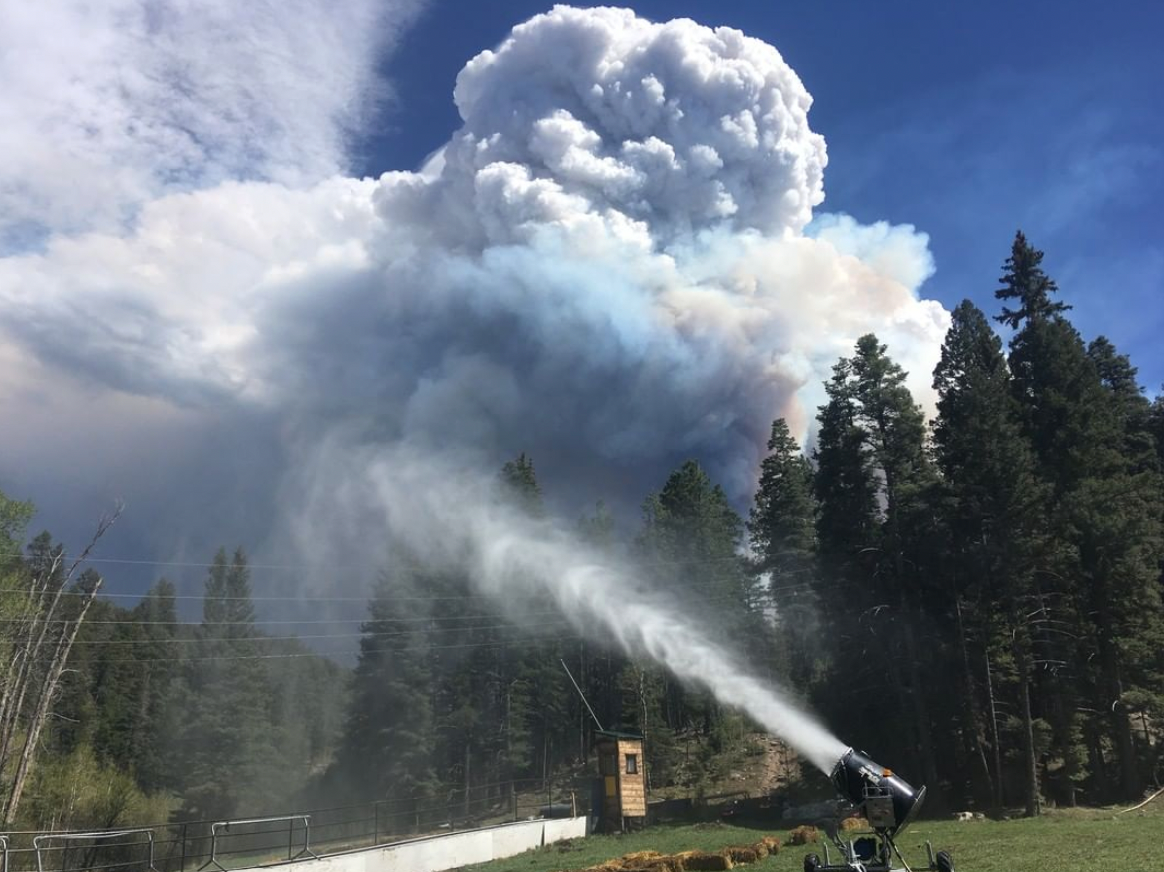
Sun Valley’s encounter with wildfire demonstrates how a resort can leverage technology to mitigate disaster. During both the Castle Rock Fire (2007) and the Beaver Creek Fire (2013), the resort’s management utilized its extensive snowmaking system—one of the most advanced in the world—to hydrate the mountain. By running the snowguns during the heat of the day, crews were able to create a high-humidity "micro-climate" that slowed the fire’s progression and protected the iconic Roundhouse and Lookout lodges.
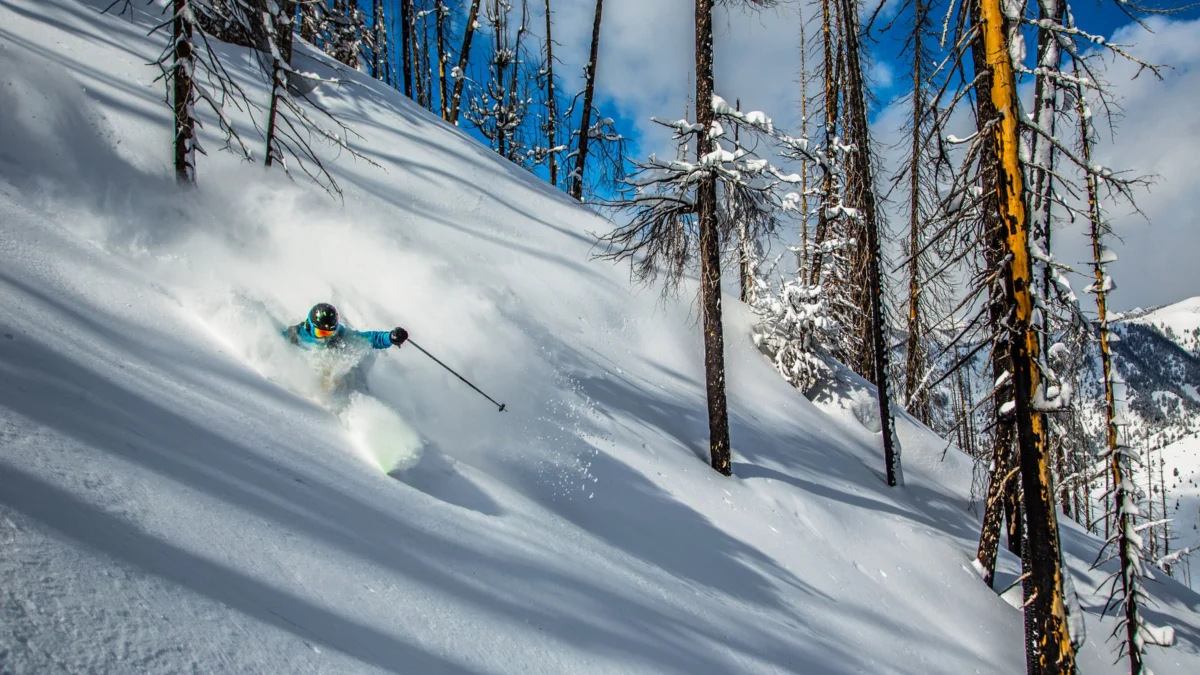
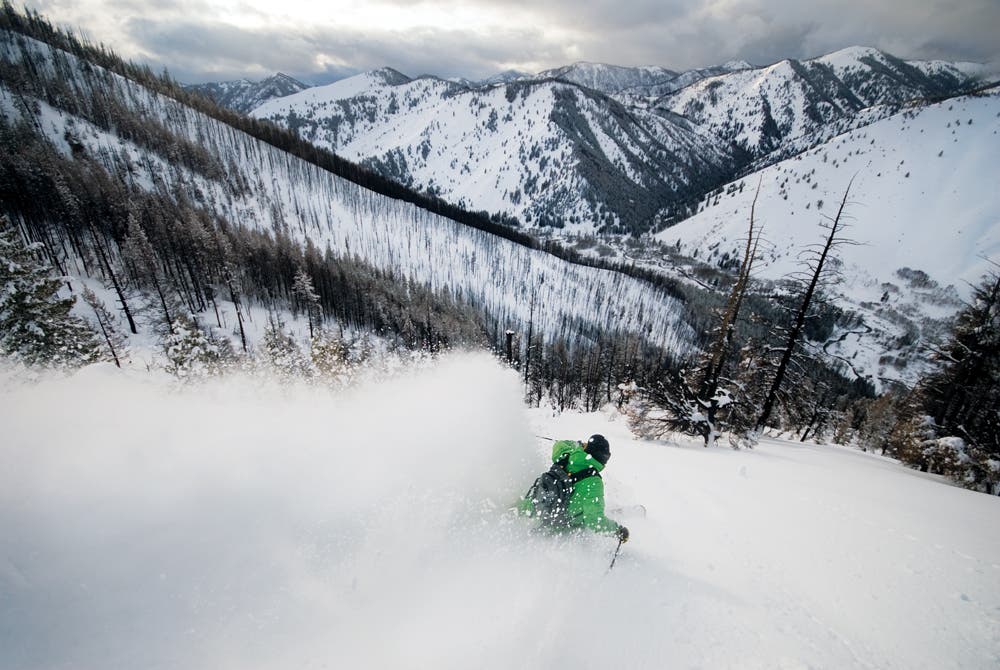
The aftermath of these fires created "The Burn," an area of sidecountry terrain that has since become a cult favorite among skiers. The fires cleared out deadfall and thinned the forest, creating wide-open spacing between charred trees. Following these events, Sun Valley entered into a landmark partnership with the U.S. Forest Service known as the Bald Mountain Stewardship Project. This initiative focuses on the aggressive removal of diseased and dead timber to prevent future catastrophic crown fires, serving as a model for public-private cooperation in forest health.
4. Marmot Basin, Alberta: The Jasper Wildfire Complex (2024)
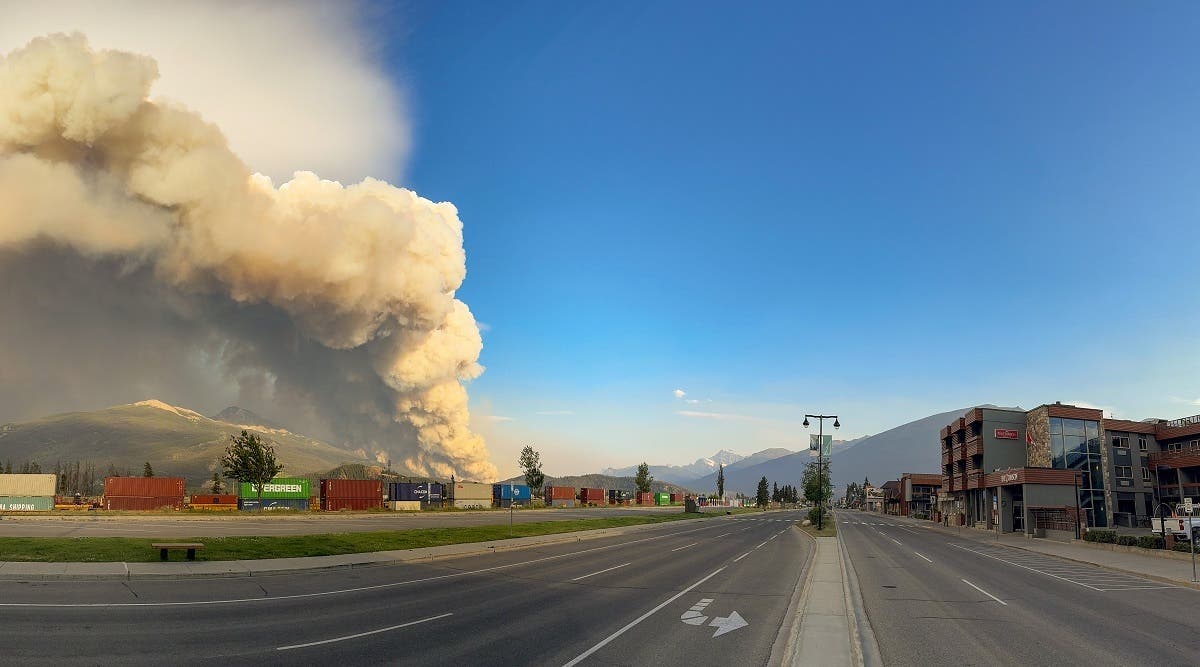
The July 2024 Jasper Wildfire Complex was a tragedy of community loss despite the survival of the resort infrastructure. The fire burned 80,000 acres within Jasper National Park. While Marmot Basin’s facilities were spared—the flames reportedly stopped less than a mile from the base area—the nearby town of Jasper was devastated. Approximately 30 percent of the town’s structures were destroyed, including critical housing for seasonal workers.
The Marmot Basin case underscores the "island effect." Even if a resort survives a fire, it cannot function without the town that provides its workforce, utilities, and lodging for guests. The 2024 season was defined not by the condition of the ski runs, but by the resilience of the community as it struggled to rebuild its core infrastructure.
5. Sipapu, New Mexico: The Calf Canyon/Hermits Peak Fire (2022)
In the spring of 2022, New Mexico experienced the largest wildfire in its recorded history. The Calf Canyon and Hermits Peak fires merged to burn over 340,000 acres. Sipapu Ski & Summer Resort found itself directly in the path of the blaze. Learning from the Caldor Fire a year earlier, Sipapu staff moved all mobile assets, including their fleet of snowcats, to a parking lot far from the timberline.
The resort’s defense was a manual, grueling effort. Staff operated snowguns around the clock to saturate the base area and lift shacks. This quick thinking prevented any major structural loss. The Sipapu incident proved that even smaller, family-owned resorts could survive massive wildfires through tactical preparation and the creative use of existing snowmaking infrastructure.
Technical Analysis of Mitigation and Future Implications
The increasing frequency of these events has led to a paradigm shift in how ski resorts are designed and managed. There are three primary pillars of modern fire resilience for mountain resorts:
1. Snowmaking as a Defensive Tool:
Once viewed strictly as a way to extend the winter season, snowmaking systems are now being engineered with "fire modes." This includes the installation of remote-controlled valves and high-capacity pumps that can be activated even if the mountain is evacuated.
2. Forest Stewardship and Fuel Reduction:
Resorts are moving away from the "hands-off" approach to forest management. This involves thinning "ladder fuels"—lower branches and small trees that allow a ground fire to climb into the canopy. By creating "defensible space" around lifts and lodges, resorts can significantly reduce the heat intensity of an approaching fire.
3. Economic and Insurance Adaptation:
The insurance market for high-altitude timber regions is tightening. Some resorts are now self-insuring or forming "captives" to manage the risk. Additionally, the loss of summer mountain biking and wedding revenue due to smoke and fire closures is forcing resorts to diversify their year-round business models.
Conclusion
The Cottonwood Fire at Eagle Point is the latest chapter in a long-standing struggle between the ski industry and the changing climate of the American West. While the immediate focus remains on containment and damage assessment, the broader implications are clear: the survival of the mountain resort depends on its ability to adapt. As seen in the cases of Sierra-at-Tahoe and Sun Valley, a wildfire is not necessarily the end of a resort, but it is always a transformation. The industry is no longer just in the business of snow; it is now, by necessity, in the business of forest fire resilience. The lessons learned from these five significant fires will dictate the survival of mountain communities for decades to come.
