

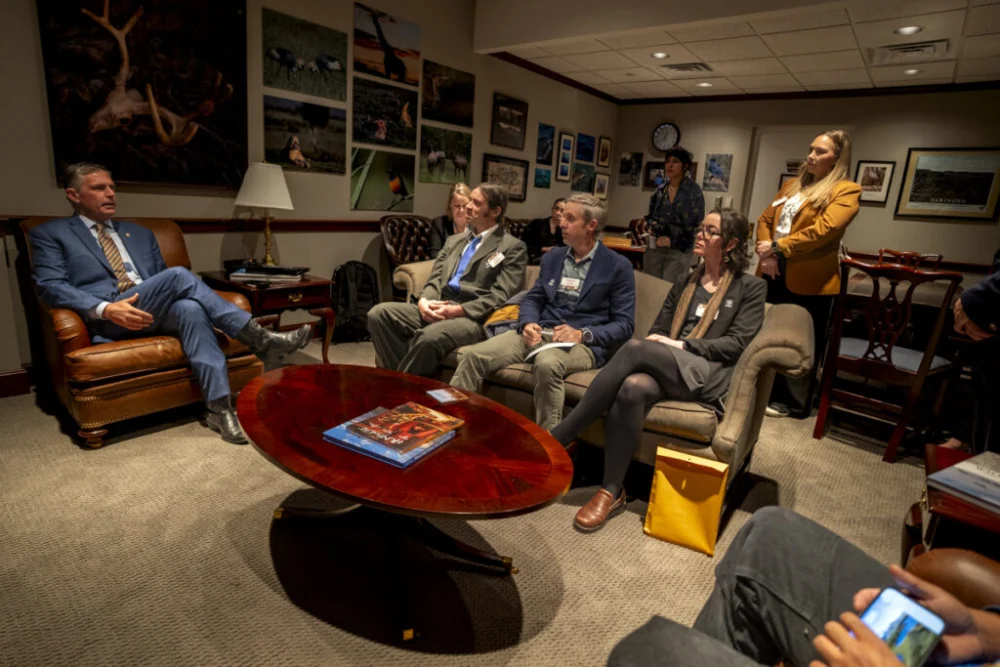
In a direct challenge to shifting federal energy policies, a coalition led by Protect Our Winters (POW), the Alaskan Wilderness League (AWL), and the League of Conservation Voters (LCV) recently convened on Capitol Hill to advocate for the permanent protection of Arctic landscapes. The mobilization, which took place over two days of intensive legislative engagement, culminated in the delivery of a 74-page petition containing more than 6,000 signatures from members of the "Outdoor State"—a demographic comprising athletes, outdoor industry professionals, and recreation enthusiasts. This advocacy effort coincides with the Trump administration’s recent signing of legislation designed to streamline oil and gas exploration in the Arctic, signaling a deepening divide between federal industrial mandates and environmental conservation efforts.
The delegation arrived in Washington, D.C., with a multifaceted agenda: to provide a physical manifestation of public opposition to Arctic drilling, to advance bipartisan clean-energy legislation, and to underscore the economic and cultural risks associated with industrializing one of the world’s last remaining intact wilderness areas. By bringing together a diverse group of stakeholders—including professional athletes, climate scientists, filmmakers, and Indigenous representatives—the coalition sought to move the conversation beyond abstract policy debates and into the realm of lived experience and scientific reality.
The Legislative Context: A Push for Arctic Extraction
The timing of the coalition’s "fly-in" was strategically aligned with significant legislative movement in the executive branch. Last Friday, the Trump administration signed a series of bills intended to remove regulatory hurdles for drilling and mining operations in Arctic Alaska. These measures are part of a broader federal strategy to achieve energy dominance by opening the Coastal Plain of the Arctic National Wildlife Refuge (ANWR) and expanding lease sales within the National Petroleum Reserve in Alaska (NPRA).
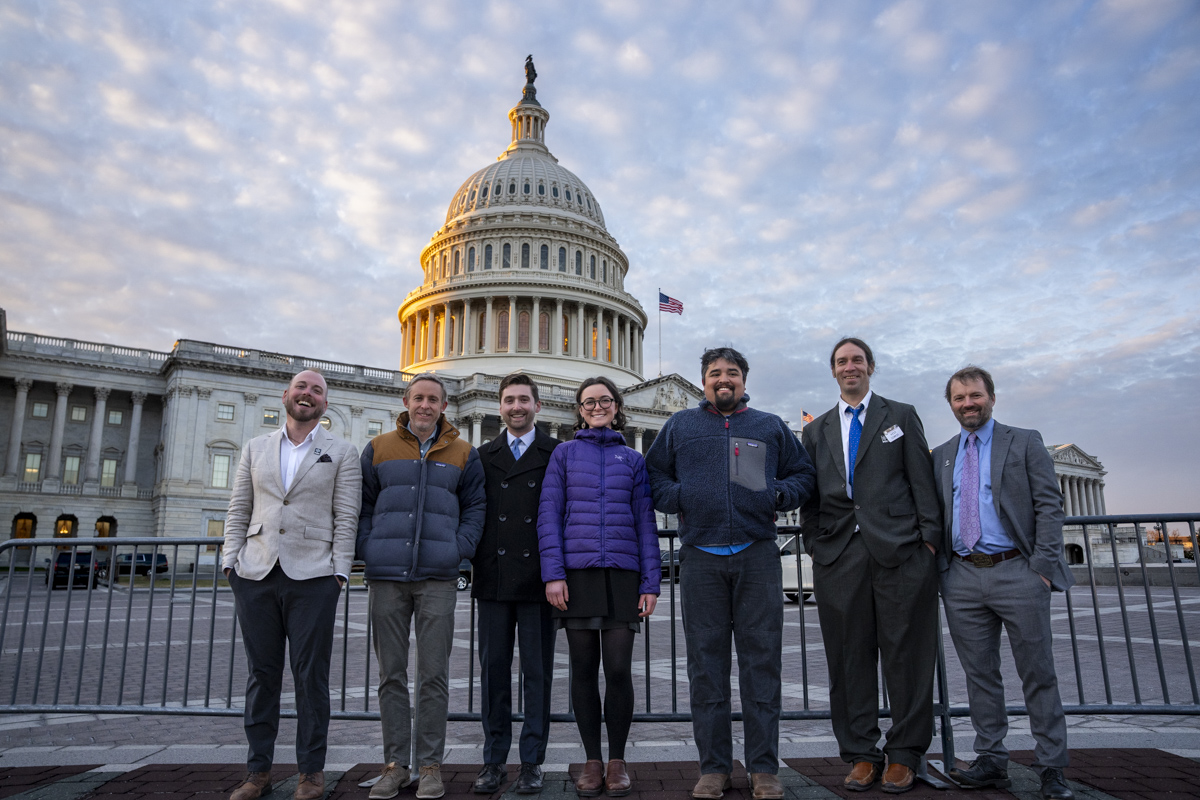
Proponents of the administration’s policy argue that increasing Arctic production will bolster national security, lower energy costs, and provide essential revenue for the State of Alaska. However, the coalition maintains that such a strategy ignores the shifting realities of the global energy market and the accelerating impacts of the climate crisis. The 74-page petition delivered to lawmakers serves as a formal protest against these new leasing initiatives, categorizing them as fiscally irresponsible and environmentally reckless.
Strategic Advocacy and the 74-Page Petition
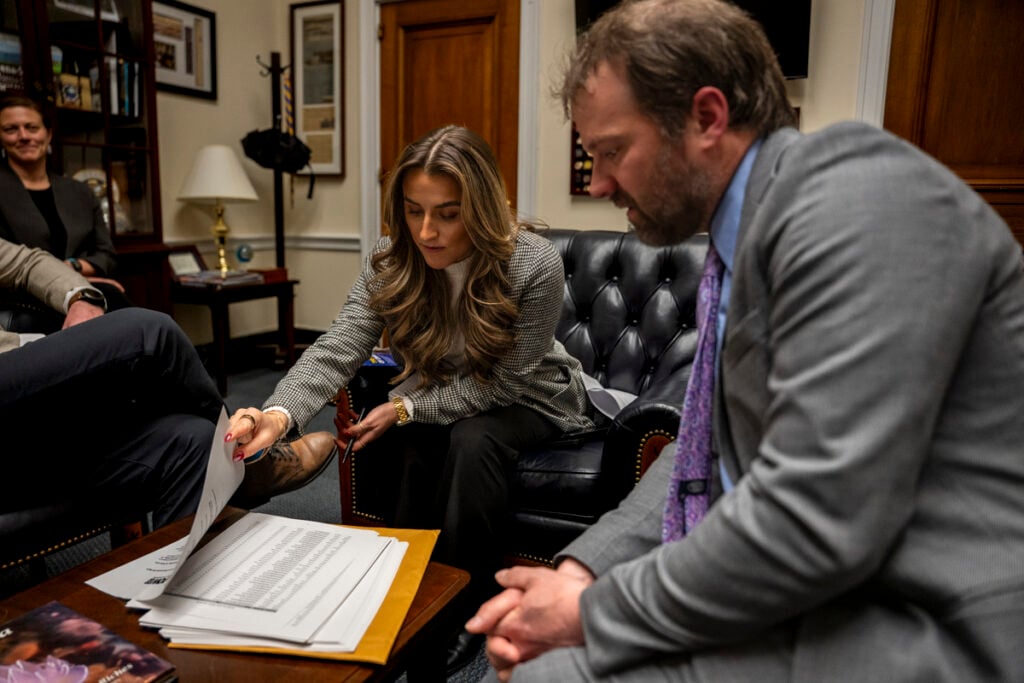
The centerpiece of the mission was the delivery of the Arctic petition. By hand-delivering 6,000 signatures directly to the desks of House and Senate representatives, the coalition aimed to demonstrate the scale and intensity of public sentiment regarding the Arctic Refuge. The document was presented not merely as a list of names, but as "receipts" of a nationwide demand for conservation.
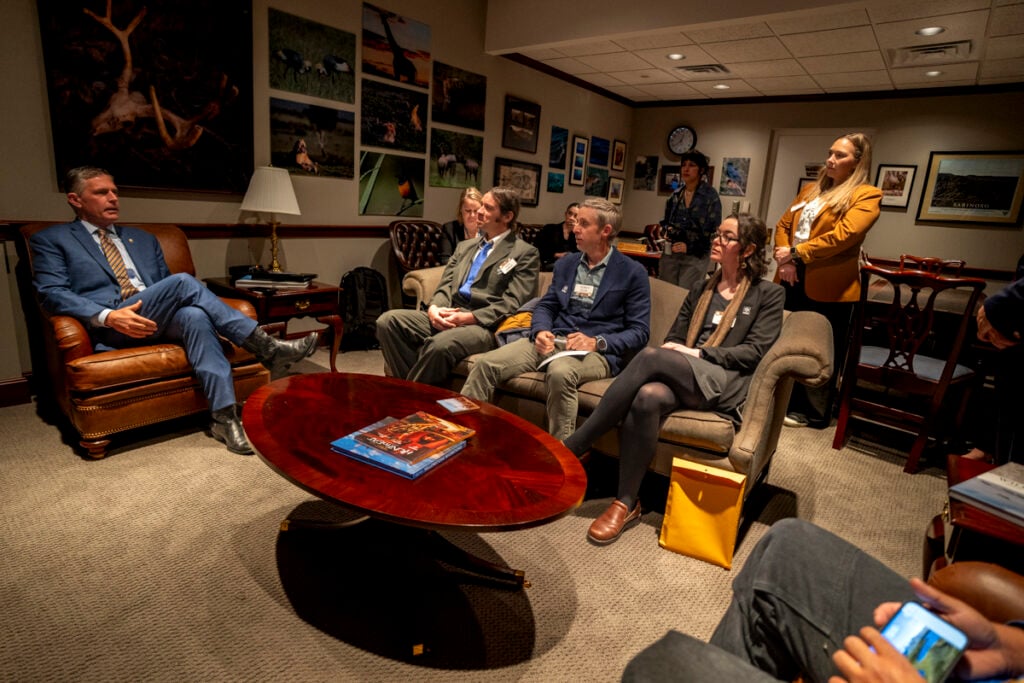
During meetings with key legislative offices, including the staff of Representative Jared Huffman and Senator Martin Heinrich, the delegation emphasized three primary arguments against expanded drilling:
- Environmental Recklessness: The Arctic Refuge is a critical sequestering agent for carbon and a sanctuary for biodiversity, including the Porcupine Caribou Herd, polar bears, and migratory birds from all 50 states. Industrialization would cause irreparable harm to these ecosystems.
- Fiscal Risk: With global markets increasingly pivoting toward renewables and major financial institutions expressing reluctance to fund Arctic projects due to high costs and reputational risks, the coalition argued that Arctic drilling is a poor long-term investment.
- Indigenous Sovereignty: The protection of the Arctic is a matter of human rights and food security for the Gwich’in and Iñupiat peoples, whose cultures and livelihoods are inextricably linked to the health of the land and its wildlife.
Advancing the Energizing Our Communities Act (EOCA)
While much of the fly-in focused on defensive measures against drilling, the coalition also engaged in proactive advocacy for the Energizing Our Communities Act (EOCA). This proposed legislation represents a pragmatic, bipartisan approach to the energy transition by focusing on community-level solutions.
The EOCA aims to strengthen energy resilience by supporting infrastructure that facilitates a clean-energy future. By presenting this act as a complementary path forward, the coalition sought to show lawmakers that protecting the Arctic does not mean opposing energy development entirely; rather, it means prioritizing sustainable, low-impact energy solutions that align with 21st-century economic trends. The meetings regarding EOCA were designed to build bridges with offices that might otherwise be skeptical of environmental advocacy, highlighting the national benefits of modernizing the U.S. power grid and supporting local energy independence.
The Role of the "Outdoor State" in Policy Shaping
A unique aspect of this advocacy effort was the involvement of the "Outdoor State." This concept, popularized by Protect Our Winters, refers to the 50 million Americans who participate in outdoor recreation—a sector that contributes significantly to the national GDP. By including high-profile athletes like POW Climb Alliance member Tommy Caldwell and Creative Alliance member Brennan Lagasse, the coalition utilized the cultural capital of the outdoor industry to gain access to influential political figures.
"Like it or not, policy is the only thing that has the chance to fix our climate and save our public lands," stated Tommy Caldwell during the fly-in. His presence, along with other storytellers and scientists, was intended to cut through the "policy noise" and ground the discussion in the tangible reality of a changing climate. The athletes shared firsthand accounts of receding glaciers and changing seasonal patterns, providing anecdotal evidence to support the scientific data presented by the group.
Chronology of the Two-Day Fly-In
The advocacy event was structured as a high-intensity legislative sprint:
- Day One: Briefings and Strategy. The coalition, including members from POW, AWL, and LCV, met to align messaging and review the latest legislative updates regarding the Trump administration’s Arctic bills. Strategy sessions focused on how to navigate meetings with offices that have historically supported oil and gas expansion.
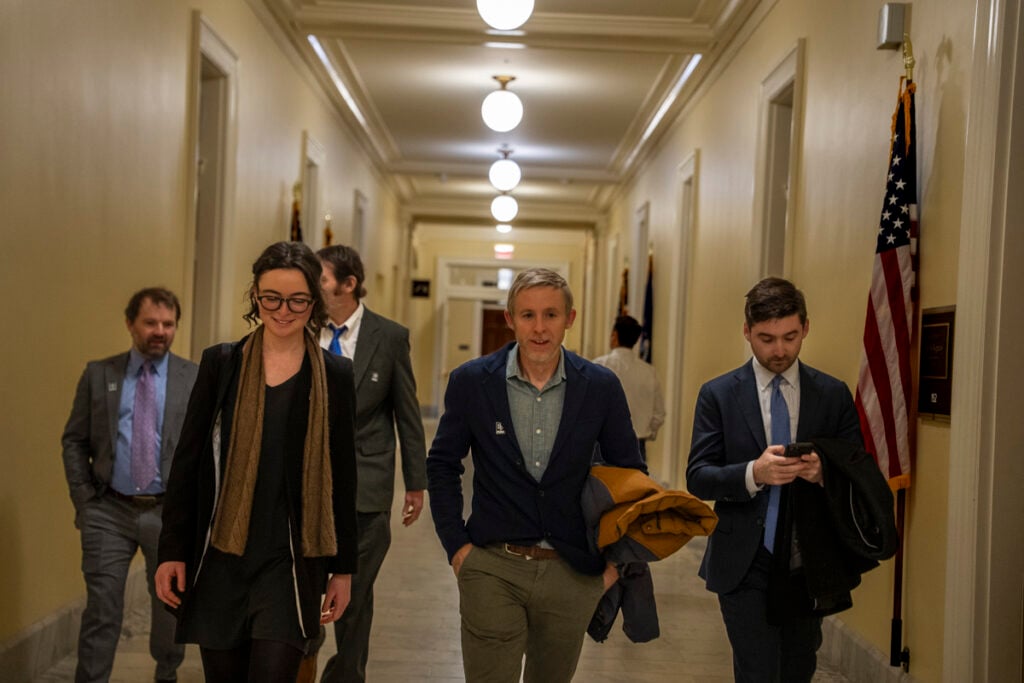
- Day Two: Capitol Hill Engagement. The delegation split into smaller teams to conduct dozens of meetings across the House and Senate. The 74-page petition was delivered to key offices, and discussions were held regarding both the Arctic Refuge protections and the EOCA.
- Post-Event Reflection: Following the meetings, participants gathered to synthesize the feedback received from lawmakers. Members noted that even in offices with opposing views, the presence of constituents and the delivery of physical petitions created a "vibrant counter-balance" to the prevailing political momentum.
Economic and Scientific Implications: A Fact-Based Analysis
The debate over Arctic drilling is often framed as a choice between the environment and the economy. However, the data presented by the coalition suggests that the economic case for Arctic drilling is weakening. Since 2020, several major U.S. banks—including Goldman Sachs, JPMorgan Chase, and Wells Fargo—have instituted policies that prohibit or limit the financing of new oil and gas projects in the Arctic. These decisions are driven by the high breakeven costs of Arctic extraction and the potential for "stranded assets" as the world moves toward decarbonization.
Furthermore, the Arctic is warming at nearly four times the global average. This rapid warming creates significant engineering challenges for oil and gas infrastructure, which relies on stable permafrost. The melting of permafrost not only threatens the integrity of pipelines and drill pads but also releases methane, a potent greenhouse gas, further exacerbating the climate issues the coalition is seeking to address.
From a scientific perspective, the Arctic National Wildlife Refuge serves as a "natural climate solution." The peatlands and tundra of the region store vast amounts of carbon. Disturbing these lands for industrial use would not only stop further sequestration but could potentially trigger a massive release of stored carbon, undermining U.S. climate goals and international commitments.
Official Responses and the Path to "Phase Two"
Lawmakers on both sides of the aisle offered varying responses to the delegation. While some offices reaffirmed their commitment to permanent protections, others remained focused on the immediate economic gains promised by the new administration’s legislation. Ming Poon, a member of the POW Creative Alliance, noted that even in meetings with proponents of oil extraction, the group was able to establish communication channels and find minor areas of common ground regarding energy infrastructure.
The signing of the legislation last Friday by the Trump administration marks the end of one chapter and the beginning of another. Protect Our Winters has announced that it is now preparing to escalate pressure as it moves into "Phase Two" of its Arctic campaign. This phase is expected to involve legal challenges to the new laws, increased public awareness campaigns targeting the financial sector, and continued engagement with the Arctic Congressional Delegation.
Conclusion: A Renewed Sense of Purpose
The recent fly-in to Washington, D.C., served as a reminder of the enduring power of grassroots advocacy and the importance of physical presence in the legislative process. By delivering 6,000 signatures and engaging in direct dialogue with policymakers, the coalition of athletes, scientists, and Indigenous voices has ensured that the "Outdoor State" remains a formidable player in the national energy debate.
As the coalition returns home, the focus shifts to 2026 and the long-term strategy required to secure permanent protections for the Arctic. The message delivered to Capitol Hill was clear: the Arctic is not a bargaining chip, and the fight for its preservation is far from over. With a combination of economic data, scientific evidence, and the passionate voices of those who know the landscape best, the movement to protect the Arctic continues to build momentum in the face of significant political headwinds.
