

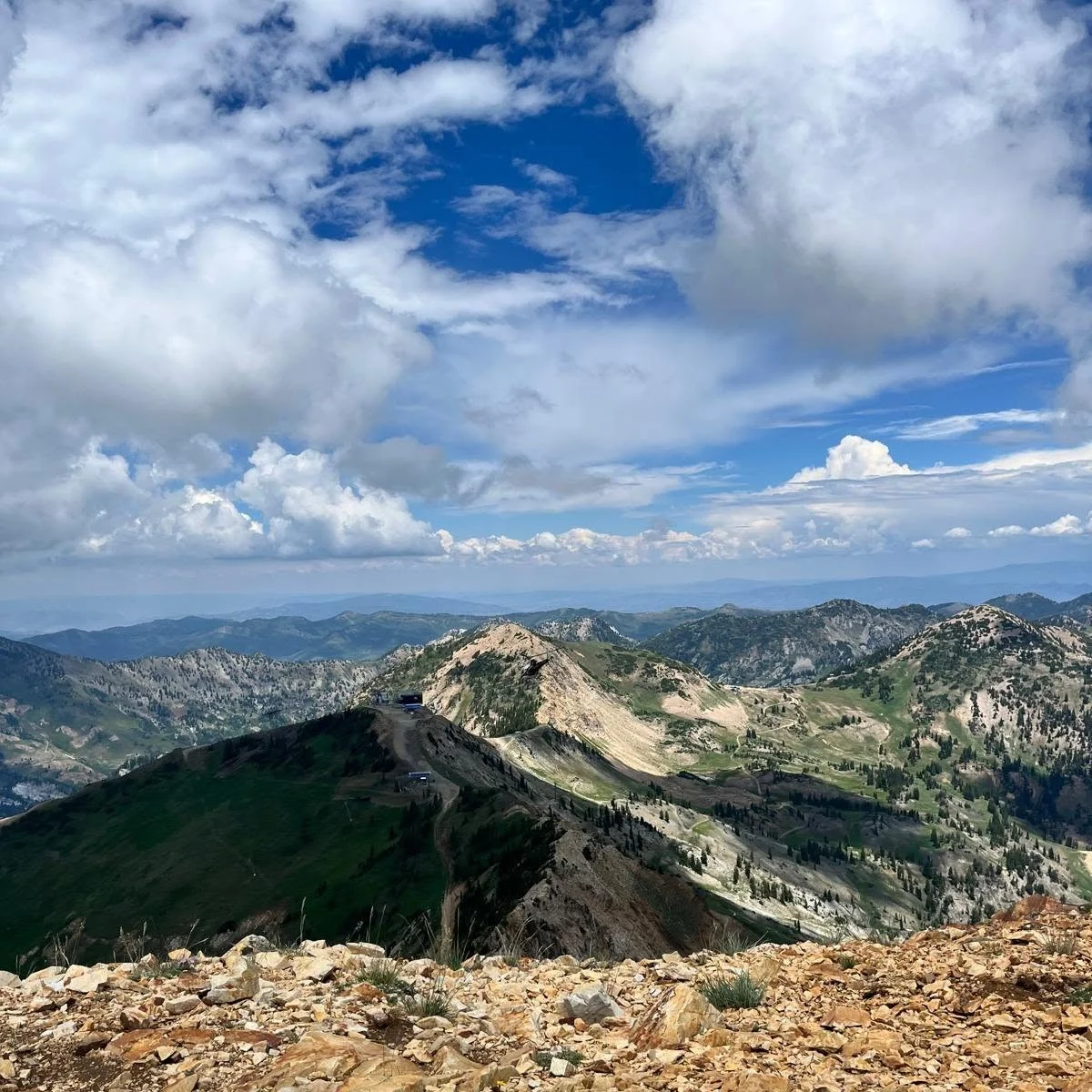
The rugged alpine environment surrounding Utah’s Alta and Snowbird resorts, renowned for its challenging winter descents and breathtaking summer backcountry, became the scene of a devastating tragedy this past Saturday. A 59-year-old hiker lost their life following a direct lightning strike near the summit of the east peak of American Fork Twin Peaks. The incident underscores the inherent dangers of high-altitude environments and the unpredictable nature of mountain weather, even during the summer months.
The fatal event occurred on Saturday afternoon as a powerful summer thunderstorm rapidly developed over the Wasatch Range. According to initial reports from the Salt Lake County Sheriff’s Office, the victim and their brother were ascending the popular Twin Peaks trail. The precise timing of the strike is under investigation, but it is understood to have occurred as the storm intensified, bringing heavy rain, hail, and significant electrical activity to the region.
Following the lightning strike, the hiker reportedly fell from the exposed ridge, a treacherous stretch of terrain characteristic of the Twin Peaks area. The victim’s brother, who was hiking with him, immediately descended the steep and rugged slopes to reach the Snowbird Ski Patrol’s Little Cloud lift house. It was from this accessible location that he was able to contact emergency services and alert authorities to the unfolding crisis.
Coordinated Mountain Rescue Response Amidst Hazardous Conditions
The immediate aftermath of the incident saw a swift and complex mobilization of emergency response teams. However, the developing storm posed significant challenges to rescue efforts. Persistent heavy rain, hail, and ongoing electrical discharges created hazardous conditions, making aerial operations and even ground access perilous.
Despite the volatile weather, a multi-agency response was quickly coordinated. Personnel from the Salt Lake County Search and Rescue, the Alta Marshalls, the Unified Fire Authority, and the Utah Department of Public Safety (DPS) converged on the area. Their primary objective was to reach the fallen hiker and provide any necessary medical assistance, as well as to ensure the safety of the surviving hiker.
The critical phase of the rescue commenced once a temporary lull in the storm activity allowed for aerial reconnaissance. A Utah Department of Public Safety aviation unit, equipped with specialized search capabilities, was deployed. Utilizing their helicopter, the flight crew was able to locate the hiker’s position on the mountain. Tragically, upon reaching the site, first responders pronounced the individual deceased. The remote and exposed nature of the location, coupled with the severity of the lightning strike, meant that survival was unlikely.
Simultaneously, professional members of the Snowbird Ski Patrol, who are trained in high-angle rescue and familiar with the local terrain, navigated the treacherous ridges. Their mission was to safely reach the surviving hiker, who had been through a profoundly traumatic experience, and guide them off the exposed mountain to a secure location. The professionalism and dedication of these teams, operating under extreme duress, were instrumental in managing the situation.

Background and Context: The Allure and Perils of Twin Peaks
American Fork Twin Peaks, a prominent landmark in the Wasatch Range, is a destination that attracts a diverse range of outdoor enthusiasts. Its east and west peaks offer challenging hiking and climbing routes, with the connecting ridge providing spectacular, albeit exposed, traverses. During the winter months, the surrounding slopes of Alta and Snowbird are world-renowned for their deep powder and extreme freeride terrain, drawing skiers and snowboarders from across the globe.
In the summer, the high-altitude trails transform into popular routes for hikers, backpackers, and experienced mountaineers. The allure of panoramic views and the challenge of summiting these peaks draw many to the area. However, as Saturday’s tragic event illustrates, the alpine environment demands constant respect and vigilance. The elevation of Twin Peaks places hikers well above the treeline, significantly increasing exposure to the elements, particularly lightning.
The U.S. Forest Service, which oversees much of the land in the Wasatch National Forest, frequently issues advisories regarding mountain safety. These often highlight the rapid changes in weather that can occur at higher elevations and the importance of preparedness. Data from the National Weather Service indicates that lightning is a significant hazard in mountainous regions during the summer months. For instance, studies have shown that a disproportionate number of lightning fatalities and injuries occur in mountainous areas due to increased exposure and the conductive properties of rock formations. While specific statistics for the Wasatch Range are not readily available, the general trend underscores the risks associated with high-altitude ridges.
Chronology of Events: A Rapidly Deteriorating Situation
While a precise minute-by-minute account is subject to official investigation, a general timeline can be pieced together based on available information:
- Saturday Afternoon: The day began with potentially fair weather, typical for many summer days in the Wasatch. Hikers began their ascents of Twin Peaks.
- Mid-Afternoon: A summer thunderstorm began to develop rapidly. Conditions in the high alpine began to deteriorate significantly, with increased cloud cover, wind, and the onset of precipitation.
- Late Afternoon (Estimated): The lightning strike occurred on the east peak of American Fork Twin Peaks, resulting in the hiker’s fall.
- Immediately Following the Strike: The surviving brother made his way down the mountain to the Snowbird Little Cloud lift house to alert authorities.
- Emergency Response Initiation: Search and rescue teams were dispatched, but their deployment was hampered by the ongoing severe weather.
- Storm Lull and Aerial Search: A temporary break in the storm allowed for a Utah DPS helicopter to conduct a search.
- Discovery and Pronouncement of Death: The fallen hiker was located and pronounced deceased at the scene.
- Survivor Extraction: Snowbird Ski Patrol members safely escorted the surviving hiker off the mountain.
- Recovery Operations: Following the cessation of immediate rescue needs and weather permitting, recovery operations for the deceased would have commenced.
Navigating Alpine Storms: Safety Imperatives and Best Practices
The swift escalation of the storm and its tragic outcome serve as a stark reminder of the critical importance of understanding and respecting alpine weather patterns. Experts in mountain safety consistently emphasize the following best practices for hikers and outdoor enthusiasts:
- Early Starts: The most effective strategy for avoiding afternoon thunderstorms in mountain environments is to begin hikes as early as possible in the morning. This allows for ample time to complete ascents and descents before the typical build-up of convective storms, which often occurs after the sun has been heating the terrain for several hours.
- Weather Monitoring: Staying informed about weather forecasts is paramount. However, mountain weather can be highly localized and change rapidly. It is advisable to check multiple sources and be aware of developing cloud formations and wind patterns.
- Recognizing Storm Signs: Signs of an approaching thunderstorm include darkening skies, increased wind speed, distant thunder, and the development of towering cumulonimbus clouds. If these signs are observed, it is imperative to seek lower elevations and avoid exposed ridges.
- Lightning Safety Protocols: If caught above the treeline during an electrical storm, immediate action is required. This includes:
- Abandoning Metal Gear: Trekking poles, metal-framed backpacks, and other metallic equipment should be set aside.
- Avoiding High Points: Summits, ridgelines, and isolated trees are highly vulnerable to lightning strikes.
- Seeking Shelter: The safest option is to descend to a lower elevation and find shelter in a substantial building or a hard-top vehicle. If no such shelter is available, seek a dense group of smaller trees, but maintain distance from individual tall trees.
- Minimizing Ground Contact: If no shelter is available, adopt a "lightning crouch" by sitting on your backpack (if it has insulating properties) with your feet together and your head tucked down. Spread out group members by at least 100 feet to reduce the risk of multiple casualties.
- Understanding the Terrain: Familiarity with the local terrain, including escape routes and potential shelters, is crucial.
Broader Implications and Community Impact
The loss of a life in such a dramatic and sudden manner sends ripples through the outdoor community and the local region. It serves as a somber reminder of the power of nature and the inherent risks associated with outdoor recreation, even for experienced individuals.
The coordinated response from multiple agencies highlights the robust emergency infrastructure in place to manage incidents in challenging environments. The dedication of search and rescue teams, ski patrollers, and public safety officers, who often put themselves at risk, is commendable.
For the family and friends of the deceased hiker, the tragedy is immeasurable. The Salt Lake County Sheriff’s Office and associated agencies have extended their deepest condolences to the family. The incident will undoubtedly prompt renewed discussions about mountain safety awareness and preparedness within hiking and outdoor enthusiast groups. It underscores the need for continuous education and vigilance to mitigate risks in otherwise beloved and inspiring natural landscapes. The Twin Peaks trail, like many high-altitude routes, will continue to attract adventurers, but this incident will forever be a cautionary tale, emphasizing that even the most breathtaking scenery demands profound respect for the unpredictable forces of nature.
