

Glacier National Park, a crown jewel of the American wilderness, is embarking on a critical environmental remediation project to permanently seal the historic Butte Oil Well located near Kintla Lake. This ambitious undertaking, scheduled to commence in late July, aims to mitigate a persistent methane gas leak emanating from the century-old abandoned bore, a relic from Montana’s earliest commercial oil exploration efforts. The National Park Service (NPS) initiative underscores a broader commitment to environmental stewardship and the safeguarding of pristine natural landscapes from the lingering impacts of historical resource extraction.
The Methane Threat and Its Ecological Implications
The discovery of active methane venting from the Butte Oil Well site prompted urgent action from park officials. Methane (CH4) is a potent greenhouse gas, far more effective at trapping heat in the atmosphere than carbon dioxide (CO2) over a 20-year period, with a global warming potential (GWP) approximately 80 to 85 times greater. While atmospheric concentrations of methane are lower than CO2, its rapid warming effect makes controlling its emissions a high priority in climate change mitigation strategies. The continuous release of methane, even from a single well, contributes incrementally to global warming and poses a direct threat to the ecological integrity of Glacier National Park, an ecosystem already experiencing the visible effects of climate change, such as receding glaciers and altered hydrological cycles.
The North Fork area, where Kintla Lake resides, represents one of Glacier’s most remote and least developed regions. Its wild character, home to grizzly bears, wolves, and a diverse array of flora and fauna, is a testament to the park’s wilderness designation. The presence of an active methane leak not only contributes to climate change but also introduces an unnatural industrial footprint into an otherwise pristine environment, potentially impacting local air quality and the delicate balance of the ecosystem. The remediation project, therefore, is not merely about plugging a hole; it is about restoring ecological health and upholding the park’s mandate to preserve natural processes.
A Century of Neglect: The Butte Oil Well’s History
The story of the Butte Oil Well dates back to 1901, a period marked by burgeoning industrial expansion and the fervent search for natural resources across the American West. Montana, then a relatively young state, was attracting prospectors eager to tap into its mineral wealth. The Kintla Lake area, despite its remote location, was identified as a potential site for oil extraction. The Butte Oil Company commenced drilling operations, making this the very first commercial oil well attempted in Montana.
However, the enterprise was short-lived and ultimately unsuccessful. Historical accounts indicate that after a brief period of operation, a devastating fire engulfed and destroyed the drilling facility. Faced with financial losses and the inherent challenges of operating in such an isolated and rugged terrain, the company abandoned the site. Crucially, in the early 20th century, environmental regulations were virtually non-existent, and the concept of proper well abandonment or site remediation was not yet part of industrial practice. Consequently, the well bore was simply left unsealed, a ticking environmental time bomb that would lie dormant for over a century before its emissions were detected. The abandonment left behind not only a physical scar on the landscape but also a persistent environmental hazard that modern conservation efforts are now tasked with rectifying.
The National Park Service’s Remediation Efforts and the AML Program
The task of plugging the Butte Oil Well falls under the purview of the National Park Service’s Abandoned Mineral Lands (AML) program. Established to address the legacy of past mining and drilling operations on park lands, the AML program is dedicated to identifying, prioritizing, and remediating sites that pose environmental, health, or safety risks. The program utilizes a combination of federal funding, often supplemented by grants and partnerships, to undertake complex restoration projects in some of the nation’s most treasured landscapes.
The process of plugging an abandoned oil well involves specialized engineering and environmental techniques. The primary objective is to completely isolate the well bore, preventing the migration of geologic fluids, including oil, brine, and, in this case, methane gas, to the surface. This typically involves:
- Site Preparation: Clearing the area, establishing access, and preparing for heavy equipment.
- Well Re-entry: Locating and accessing the original well bore, which can be challenging for century-old, poorly documented wells.
- Well Logging and Evaluation: Using downhole tools to assess the well’s condition, depth, and the integrity of any existing casing.
- Cementing Operations: Pumping specialized cement slurries into the wellbore at various depths to create impermeable plugs. These plugs are strategically placed to seal off hydrocarbon-bearing zones and isolate different geological formations.
- Surface Reclamation: Once the well is permanently sealed, the surface infrastructure is removed, and the site is restored to its natural contours, often with native vegetation replanting.
For the Butte Oil Well, the project aims for "complete isolation of the well bore," a critical step not only for methane abatement but also to prevent any potential contamination of Kintla Lake’s pristine waters. The project is expected to continue through October 2026, a timeline that reflects the complexity, logistical challenges, and the rigorous environmental standards required for such an undertaking within a national park.
Ecological Significance of Kintla Lake and the North Fork
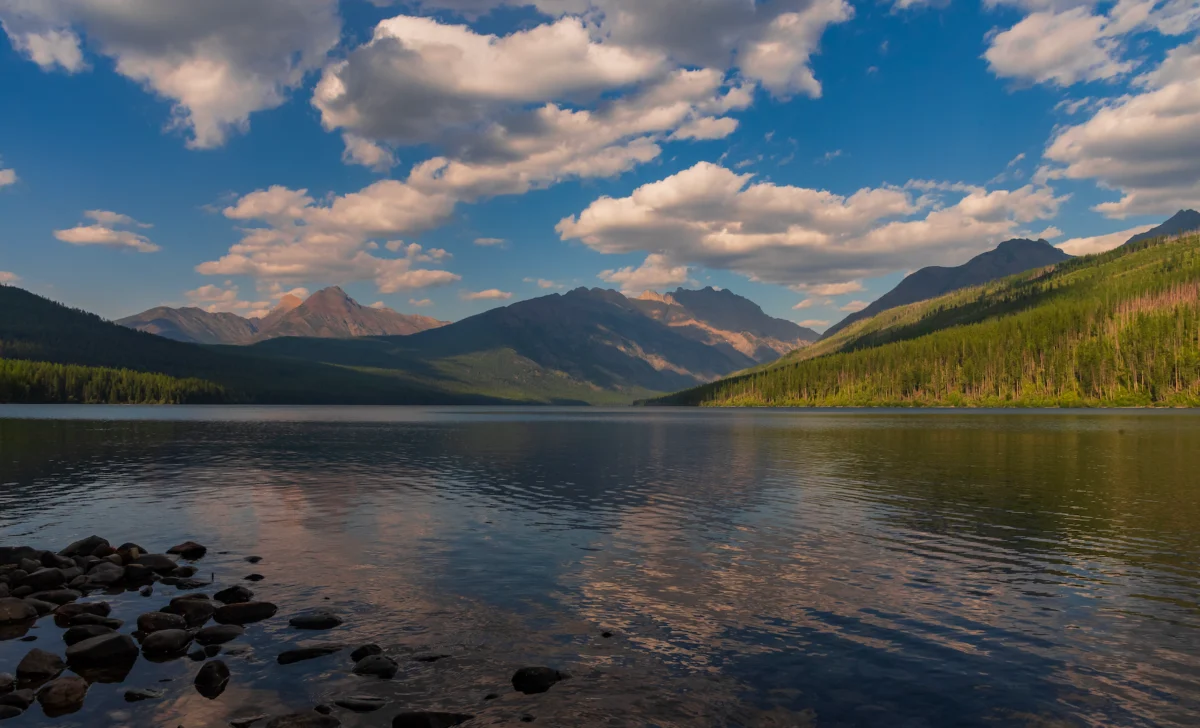
Kintla Lake, nestled in the remote northwestern corner of Glacier National Park, is a testament to untouched wilderness. As one of the park’s largest and deepest lakes, it is renowned for its crystalline waters, offering breathtaking reflections of the surrounding peaks. The North Fork region, encompassing Kintla Lake, is designated as critical habitat for numerous species, including the federally protected grizzly bear and gray wolf. Its intact forest ecosystems provide vital corridors for wildlife movement between the park and adjacent wilderness areas in Canada, forming a crucial part of the larger Crown of the Continent Ecosystem.
The Kintla Lake area attracts visitors seeking solitude and a truly wild experience, offering opportunities for primitive camping, hiking, and paddling. The ecological health of this region is paramount, not only for its intrinsic value but also for the continued enjoyment and appreciation of future generations. The methane leak, while seemingly localized, posed a subtle yet insidious threat to this delicate balance, making the remediation project a cornerstone of long-term preservation efforts for one of America’s most cherished national parks.

Logistical Challenges in a Wilderness Setting
Executing an industrial-scale remediation project within a designated wilderness area like the North Fork of Glacier National Park presents formidable logistical hurdles. The very characteristics that make Kintla Lake pristine—its remoteness, rugged terrain, and limited infrastructure—also make construction and transport exceptionally difficult.
The National Park Service has detailed the operational complexities:
- Heavy Equipment Transport: The project necessitates the use of specialized machinery for drilling, pumping, and site work. Transporting these large and heavy components to a remote site without extensive road networks requires careful planning and execution.
- Helicopter Operations: Helicopters will play a crucial role in airlifting equipment, materials, and personnel to the well site, minimizing ground disturbance where possible. These operations are inherently noisy and can temporarily disrupt the natural soundscape, a key aspect of the wilderness experience.
- Boats: Given the proximity to Kintla Lake, boats will likely be used for transporting smaller equipment and personnel, adding another layer of coordination.
- Inside North Fork Road: The unpaved Inside North Fork Road, which provides the primary vehicular access to Kintla Lake from Polebridge, will experience increased construction traffic. This road is already challenging for visitors due to its rough condition and narrow passages.
Each of these logistical elements requires meticulous planning to minimize environmental impact, ensure worker safety, and manage visitor expectations. The NPS must balance the imperative of environmental remediation with the mandate to preserve the wilderness character and visitor experience of the park.
Visitor Impacts and Mitigation Strategies
The essential nature of the well-plugging project means that visitor access to certain areas around Kintla Lake will be temporarily impacted. The National Park Service has outlined specific disruptions to help visitors plan accordingly:
- Kintla Lake Wilderness Campground Closure: From July 27 through late August, the Kintla Lake Wilderness Campground will be closed to ensure visitor safety and facilitate project operations. This closure will affect those seeking a backcountry experience in this popular area.
- Kintla-Boulder Pass Trail Closures: The Kintla-Boulder Pass Trail, a gateway to some of the park’s most stunning high-country scenery, will experience intermittent closures during active helicopter flight windows. Hikers planning multi-day backpacking trips are advised to check current trail statuses on Recreation.gov meticulously before departing, as last-minute changes are possible.
- Increased Construction Traffic: Visitors driving the Inside North Fork Road between Polebridge and Kintla Lake should anticipate heavier-than-usual construction vehicle traffic. This could lead to delays, dust, and a diminished sense of solitude along this scenic route.
- Impact on Views and Natural Sounds: The presence of machinery, construction activities, and helicopter noise will temporarily alter the natural views and soundscape around Kintla Lake, impacting the wilderness immersion experience.
Despite these disruptions, the frontcountry campground at Kintla Lake will remain open on a first-come, first-served basis, offering an alternative for those still wishing to visit the area. Park officials emphasize that these temporary inconveniences are necessary for the long-term ecological health of the park. Clear signage, updated park websites, and direct communication channels are crucial for managing visitor expectations and ensuring safety throughout the project duration. The park’s press release serves as a proactive measure to inform the public and encourage responsible trip planning.
Broader Implications: The National Abandoned Well Challenge
The situation at Glacier National Park is not an isolated incident. Across the United States, an estimated 3.2 million abandoned oil and gas wells, often referred to as "orphaned" wells, litter the landscape. Many of these wells, drilled before modern regulations, are unrecorded, unsealed, and continue to leak methane, oil, or brine into the environment. A 2021 study by the Environmental Protection Agency (EPA) estimated that orphaned wells contribute significantly to national methane emissions, highlighting them as a major environmental challenge.
The federal Infrastructure Investment and Jobs Act (IIJA) of 2021 allocated billions of dollars to states and federal agencies, including the NPS, to plug, remediate, and reclaim these abandoned wells. This funding represents a historic investment in addressing a century-old problem, recognizing the critical role well remediation plays in climate change mitigation, water quality protection, and land restoration.
The Glacier National Park project serves as a microcosm of this larger national effort. Its successful completion will not only safeguard a vital national treasure but also provide valuable lessons and methodologies for other agencies and states grappling with similar abandoned well issues. It underscores the financial and logistical complexities involved in correcting past industrial oversights and the long-term commitment required to restore environmental health.
Looking Ahead: Preservation for Future Generations
The permanent plugging of the Butte Oil Well at Kintla Lake represents a significant victory for conservation and a tangible step towards mitigating climate change impacts within Glacier National Park. By addressing this historical source of methane emissions, the National Park Service is reinforcing its dedication to protecting the park’s unique wilderness character and ensuring its ecological resilience for generations to come.
While the project entails temporary disruptions for visitors, the long-term benefits—a healthier ecosystem, cleaner air, and a restored sense of pristine wilderness—far outweigh the short-term inconveniences. The efforts at Kintla Lake are a powerful reminder that true environmental stewardship often involves confronting the legacies of the past with modern solutions, ensuring that America’s wild playgrounds remain vibrant and untarnished. The successful conclusion of operations by October 2026 will mark the closure of a chapter of environmental neglect and the opening of a new era of proactive ecological restoration within one of the nation’s most iconic national parks.
