

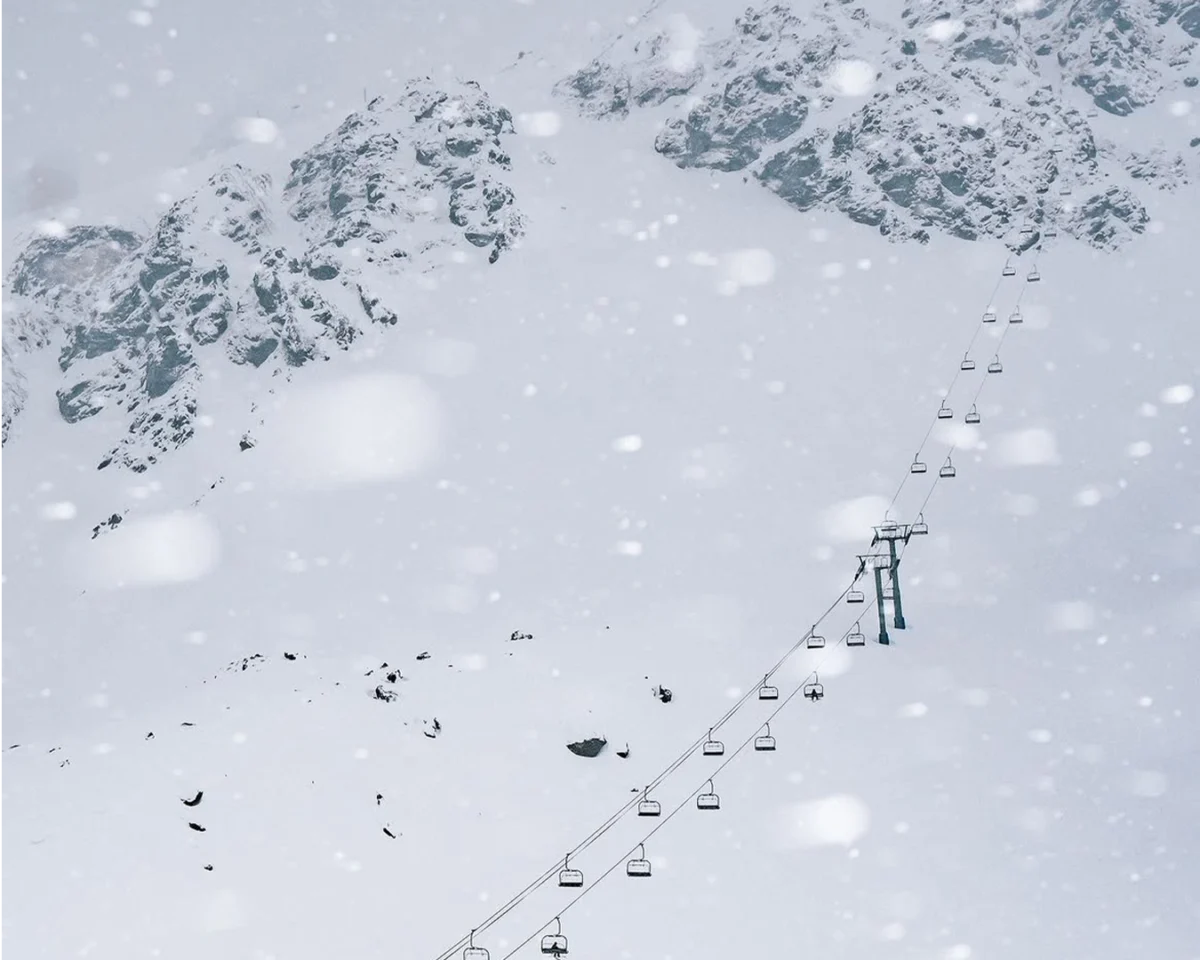
Just a week ago, ski resorts across Chile were staring down bare ridgelines, their slopes a patchwork of struggling machine-made snow and exposed rock, praying for winter to begin in earnest. The Southern Hemisphere’s 2026 ski season had been off to a slow and concerning start, casting a shadow of apprehension over the region’s vital tourism industry. Fast forward through one of the most intense and widespread atmospheric rivers in recent memory, and the dramatic landscape of the Chilean Andes has been utterly transformed, now buried under an unprecedented deluge of snow, with some areas reporting accumulations exceeding 15 feet. This colossal meteorological event didn’t just provide a quick refresh; it delivered a full-on, season-defining reset, transforming precarious conditions into a bottomless powder paradise virtually overnight and reigniting hopes for a prosperous winter.
A Season on the Brink: The Pre-Storm Scenario
The weeks leading up to mid-July 2026 had been fraught with anxiety for Chile’s ski operators and local economies dependent on winter tourism. Following a pattern observed in several recent years, natural snowfall had been scarce, forcing resorts to rely heavily on artificial snowmaking to prepare even limited terrain. This initial lack of natural cover meant higher operational costs, delayed openings, and a subdued atmosphere among the typically vibrant ski communities. Businesses in towns like Farellones, adjacent to the Tres Valles resorts, and the staff at iconic destinations like Ski Portillo, were bracing for a potentially challenging season, with bookings lagging and early-season enthusiasm dampened. Meteorologists had been tracking various weather systems, but none had promised the significant, widespread precipitation needed to establish a robust base and truly kickstart the season. The pressure was mounting, not only on the ski industry but also on ancillary services, from hotels and restaurants to ski schools and equipment rentals, all of which depend on a vibrant winter to sustain their operations and employment.
The Arrival of the Mega-Storm: An Atmospheric River Unleashed
The shift in fortune began with ominous but ultimately welcome forecasts. Meteorologists, closely monitoring a powerful Pacific weather system, issued warnings about an impending atmospheric river, categorizing its potential impact as a Category 4 or 5 event. Atmospheric rivers are long, narrow regions in the atmosphere—like rivers in the sky—that transport most of the water vapor outside of the tropics. When these moisture-laden corridors make landfall, they can unleash tremendous amounts of rain or snow, depending on the temperature. This particular system, drawing moisture from the vast Pacific Ocean, was predicted to be exceptionally potent, targeting the central Chilean Andes with a sustained barrage of precipitation and high winds.
The storm cycle did not disappoint, making landfall in mid-July 2026 and rapidly intensifying. Over a relentless 72-hour period, the region was subjected to blizzard conditions, with snowfall rates reaching staggering levels. Ski Portillo, the venerable resort nestled high in the Andes, found itself at ground zero of this meteorological fury. The resort, known for its challenging terrain and iconic yellow hotel, reported an astounding 370 centimeters (over 12 feet) of snow within just three days. The intensity peaked dramatically, with over five feet of snow dropping in a single 24-hour stretch, an event that challenged historical records for its sheer volume and duration. Roads became impassable, visibility dropped to near zero, and the very landscape began to disappear under a rapidly accumulating blanket of white.
Concurrently, at Valle Nevado, part of the popular Tres Valles region near Santiago, snow gauges recorded over 2.4 meters (approximately 8 feet) of fresh, density-heavy snow. This type of snowfall, while challenging for immediate operations due to its weight and avalanche potential, is crucial for building a durable and long-lasting base for the entire season. The transformation captured in before-and-after photographs was nothing short of miraculous, depicting barren slopes suddenly encased in deep, pristine snow, a scene usually reserved for the most ambitious big-mountain dreams. The sheer scale of the snowfall across multiple resorts underscored the unprecedented nature of this atmospheric event.

Regional Snowfall Totals and Immediate Impacts
The extensive nature of the storm impacted a wide swathe of the Andes, with resorts across Chile and even into neighboring Argentina receiving significant accumulations. The following table provides a snapshot of the reported snowfall totals and the immediate operational status of key resorts as they grappled with the aftermath of the intense weather system:
| Resort | Snowfall (meters/feet) | Current Status |
|---|---|---|
| Ski Portillo (Los Andes, Chile) | 4.5 meters (15 feet) | Temporarily closed due to extensive road closures and severe avalanche risk; massive dig-out operations in progress. |
| Valle Nevado (Lo Barnechea, Chile) | 2.4 meters (8 feet) | Partial terrain open, with limited lifts operating; intensive avalanche mitigation and terrain assessment underway. |
| La Parva (Tres Valles, Chile) | 1.8 meters (6 feet) | Operations suspended during peak storm; extensive dig-out of infrastructure and access roads underway. |
| Nevados de Chillán (Biobío Region, Chile) | 1.5 meters (5 feet) | Open with significant terrain now accessible; massive refresh building a deep and stable base. |
| El Colorado (Tres Valles, Chile) | 1.4 meters (4.6 feet) | Road access severely impacted; crews clearing lift towers and cat tracks; partially open with limited services. |
| Las Leñas (Mendoza, Argentina) | 1 meter (3.3 feet) | Closed, awaiting storm clearance and assessment of avalanche conditions; preparing for delayed opening. |
These figures highlight not only the immense volume of snow but also the varying degrees of impact and recovery efforts required. While some resorts, like Nevados de Chillán, were able to quickly leverage the new snow to open more terrain, others, particularly those higher in the Andes like Portillo, faced monumental logistical challenges due to the sheer depth of the snow and resulting road closures and avalanche hazards.
Mounting a Massive Recovery: Digging Out and Prioritizing Safety
In the immediate wake of the storm, the focus shifted from weathering the blizzard to an intensive, round-the-clock recovery operation. Mountain crews across Chile mobilized, working tirelessly to mitigate severe avalanche risks and dig out buried lifts, buildings, and access points. The sheer volume of snow necessitated extraordinary measures. For instance, critical access roads, such as Chile’s Route G-21 leading up to Valle Nevado and the other Tres Valles resorts, were completely shut down for several days due to whiteout conditions, deep snowdrifts, and severe slide danger. Local authorities, in conjunction with resort management, prioritized public safety, issuing stern warnings against attempting to travel to the affected areas.
Ski Portillo, due to its high-alpine location and the unprecedented snowfall, suspended operations entirely during the storm’s apex. Guests and staff were safely secured within the iconic yellow lodge, a fortress against the wind and snow that battered the surrounding peaks. Miguel Purcell, General Manager of Ski Portillo, articulated the extraordinary nature of the event in a press release, stating, "The duration and intensity of this storm are highly unusual and constantly changing, making it difficult to predict when we will have a window of good weather to resume ground or air access to the ski resort." This statement underscored the unpredictable and challenging conditions, emphasizing the resort’s commitment to safety over premature reopening.
Avalanche mitigation efforts became paramount. Ski patrol teams, equipped with specialized gear and explosives, began the dangerous work of assessing snowpack stability and triggering controlled avalanches to ensure the safety of future skiable terrain. This painstaking process is essential before any lifts can spin or trails can be deemed safe for the public. The dense, heavy snow reported at Valle Nevado, while excellent for building a strong base, also presented immediate challenges due to its potential for creating unstable layers within the snowpack. Despite the arduous work and safety concerns, a palpable sense of excitement and relief permeated the resorts. At Valle Nevado, guests who were "locked in" during the storm were spotted taking memorable hot tub dips amidst massive 10-foot snowdrifts, a testament to the surreal and exhilarating experience of being engulfed by such an epic snowfall.
Broader Implications: Economic Boost and Environmental Context

The dramatic turnaround brought by this mega-storm carries significant economic and social implications for Chile. The initial slow start to the 2026 season had been a source of considerable concern for the tourism sector, which relies heavily on the influx of both domestic and international skiers and snowboarders. A poor snow season can translate directly into reduced revenue for resorts, hotels, restaurants, and countless small businesses, impacting employment and local economies. This historic snowfall, however, serves as a powerful antidote, injecting renewed optimism and energy into the industry.
The prospect of a "bottomless powder paradise" is expected to trigger a surge in bookings, not only for the immediate weeks but for the remainder of the season. International ski tourists, who might have hesitated due to earlier reports of sparse snow, are now likely to view Chile as a prime destination. This revival of tourism will provide a much-needed economic boost, securing jobs and stimulating local commerce. Furthermore, the extensive snowpack ensures that the season will likely extend well into the spring, offering a longer operational window for resorts and a sustained period of economic activity.
From an environmental perspective, while a single extreme weather event cannot entirely negate long-term climate trends, this massive snowfall is a welcome respite for the Andean ecosystem. The accumulation of snow acts as a vital water reservoir, gradually releasing meltwater into rivers and streams during the warmer months, which is crucial for agriculture, hydroelectric power generation, and urban water supplies in Chile’s arid central regions. The "density-heavy snow" mentioned at Valle Nevado, in particular, contributes significantly to this water storage capacity due to its high water content. However, experts continue to emphasize the increasing variability of snow seasons, linking such extreme events to broader climate change patterns that can lead to both prolonged droughts and intensified precipitation events. This storm, therefore, highlights both the immediate benefits of abundant snow and the ongoing need for climate resilience strategies in the region.
What Lies Ahead for Freeriders and the Future of the Season
This unprecedented snow cycle has done more than just save Chile’s ski season; it has fundamentally reset it, building a deep, stable, and "bulletproof base" for the remainder of the winter. This robust foundation is critical for the longevity and quality of the season, providing a resilient layer that can withstand fluctuating temperatures and subsequent snowfalls. As patrol crews meticulously wrap up their avalanche control work and the winds finally subside, the anticipation among the freeride community is palpable. Line-scoping for steep, high-alpine terrain will begin in earnest, as skiers and snowboarders dream of untouched slopes and epic descents that were unimaginable just days prior. The sheer volume of snow promises opportunities to explore terrain rarely accessible in leaner years.
The best part for enthusiasts and the industry alike is that this might just be act one of a potentially historic winter. Forecast models indicate that additional storm fronts are lined up, poised to deliver another round of low-density, champagne powder on top of this already monumental base. Such a scenario would create ideal conditions for consistent fresh snow, ensuring that the legendary powder days continue throughout the season.
With its mountains now spectacularly re-covered and an invigorated spirit permeating its resorts, South America is officially and emphatically back on the winter map. The 2026 ski season in Chile, once teetering on the brink, has been dramatically resurrected, promising an unforgettable experience for all who venture to its snow-laden peaks. The transformation from a slow-starting season to a potential epic marks a monumental chapter in the history of Andean skiing, setting the stage for what could be one of the most memorable winters in recent memory.
