

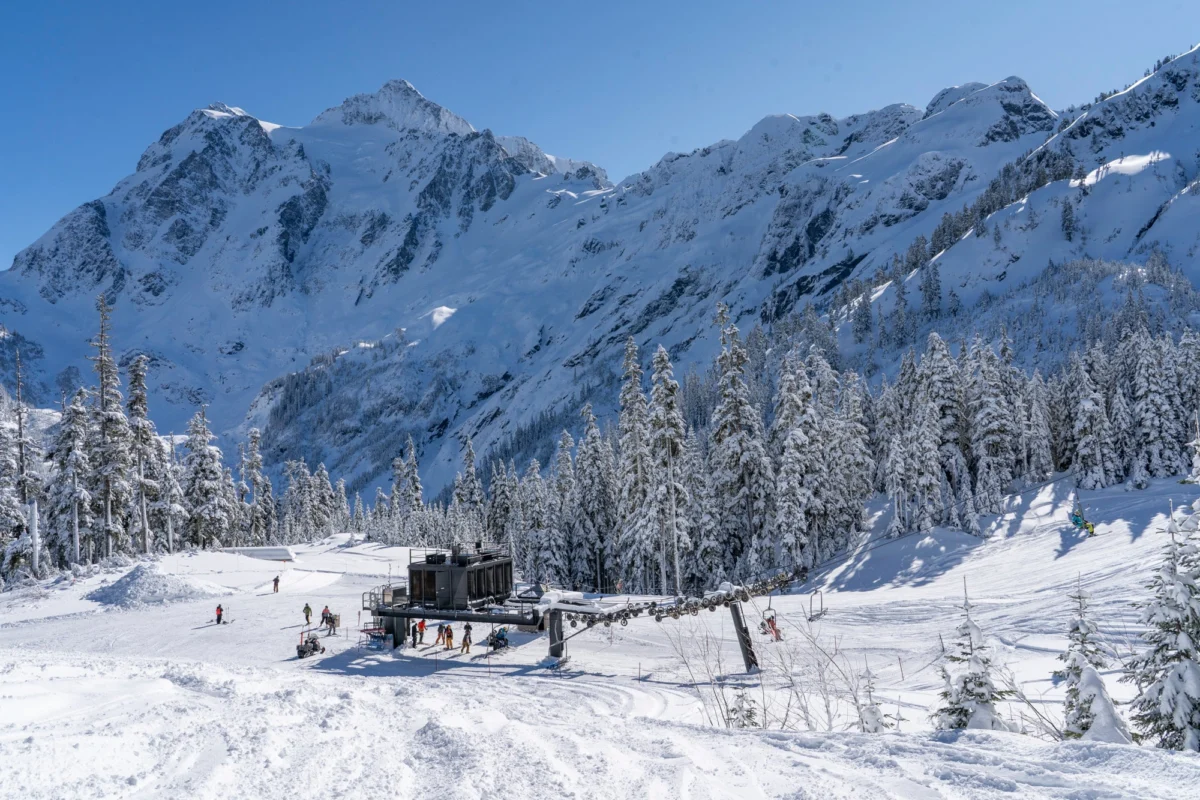
Tucked away in the rugged reaches of Washington State, Mt. Baker Ski Area stands as an enduring testament to a different era of skiing, a place where the pursuit of pristine powder and the raw mountain experience supersede commercial imperatives. Despite consistently receiving double the natural snowfall of most North American ski resorts—a fact that would be a marketing goldmine for its peers—Mt. Baker remains largely overlooked, a deliberate outcome of its fiercely independent and self-sufficient operational philosophy. This unique approach, deeply embedded in its DNA, defines its identity, attracting a dedicated community of skiers who prioritize authentic mountain engagement over resort amenities.
The Unseen Gem of the Pacific Northwest
Published on July 21, 2026, this profile delves into the operational and cultural distinctiveness that sets Mt. Baker apart. While many ski destinations strive for global recognition and integration into mega-pass programs, Mt. Baker operates decidedly off the grid, both literally and figuratively. This self-imposed isolation is not merely a quirk but a foundational principle that has shaped its infrastructure, its visitor experience, and its very soul.
Literally, Mt. Baker’s location deep within Washington State’s national forest, far removed from conventional utility grids, necessitates a profound commitment to self-reliance. The ski area generates all its own power, meticulously collects and manages its water resources, and handles its own wastewater treatment. This integrated system of self-sufficiency speaks to an operational model designed for resilience and minimal external dependence, a stark contrast to the vast majority of modern ski resorts that rely heavily on municipal infrastructure. This level of autonomy not only ensures operational continuity but also reflects a deeper ethos of environmental stewardship and respect for the pristine wilderness it inhabates.
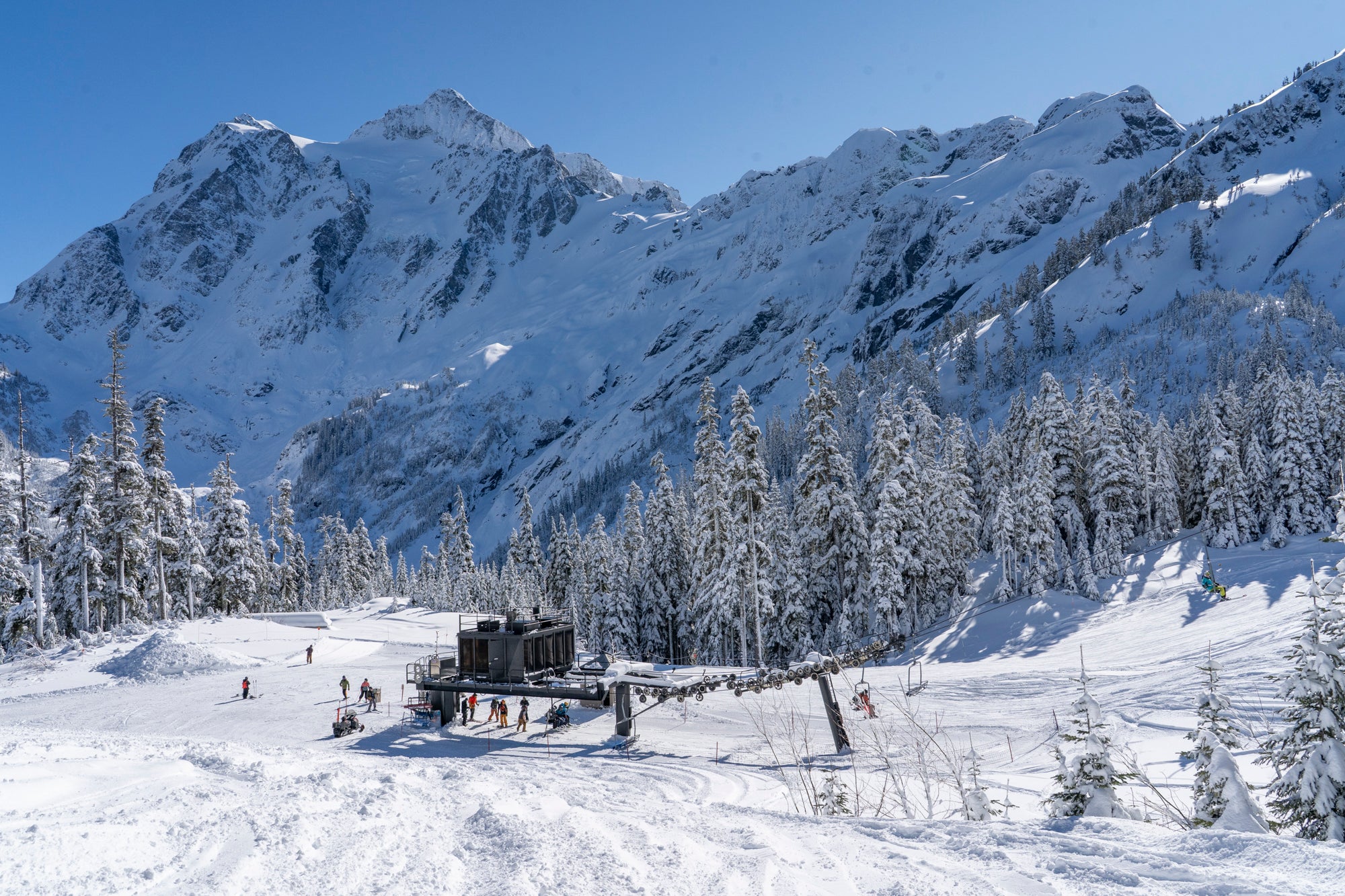
Culturally, Mt. Baker’s “off-the-grid” status is equally pronounced. In an industry increasingly dominated by advertising blitzes, multi-resort collectives, and expansive mega-pass programs, Mt. Baker abstains from these prevalent practices. It does not engage in traditional advertising campaigns, nor does it seek partnerships with major ski conglomerates or participate in popular multi-resort pass programs. Access to its legendary slopes is intentionally kept simple and direct: lift tickets must be purchased in person, on the day of skiing, typically affixed to jackets with an old-school wire wicket. This deliberate friction in the purchasing process acts as a natural filter, ensuring that those who make the journey are genuinely committed to the skiing experience, rather than merely seeking a convenient leisure activity.
A Philosophy Rooted in Tradition
The distinctive mode of operation at Mt. Baker is a direct consequence of its ownership structure. Since 1953, the ski area has been continuously owned and operated by local families. This multi-generational stewardship is an extreme rarity in an era marked by aggressive corporate consolidation within the ski industry. While conglomerates acquire and standardize resorts, often transforming them into homogenized destinations, Mt. Baker has steadfastly resisted this trend, preserving its unique character and fostering a strong sense of community. This family-centric ownership ensures that decisions are guided by long-term vision, local values, and a deep understanding of the mountain itself, rather than short-term profit motives or shareholder demands.
Gwyn Howat, a former CEO of Mt. Baker Ski Area and a prominent voice for its unique philosophy, succinctly articulates this distinction: "We’re not a ski resort. We’re a ski area. We don’t sell purses or shoes, and you can’t get a pedicure or manicure here." This statement encapsulates the core identity of Mt. Baker—a place singularly focused on the act of skiing, stripped of the ancillary luxury amenities and commercial diversions that characterize many contemporary resorts. It’s a declaration that the mountain experience itself is the primary offering, unadulterated by extraneous consumerism. This ethos resonates deeply with core skiers and snowboarders who prioritize snow quality, terrain, and authentic mountain culture above all else.
The Unadorned Mountain Experience
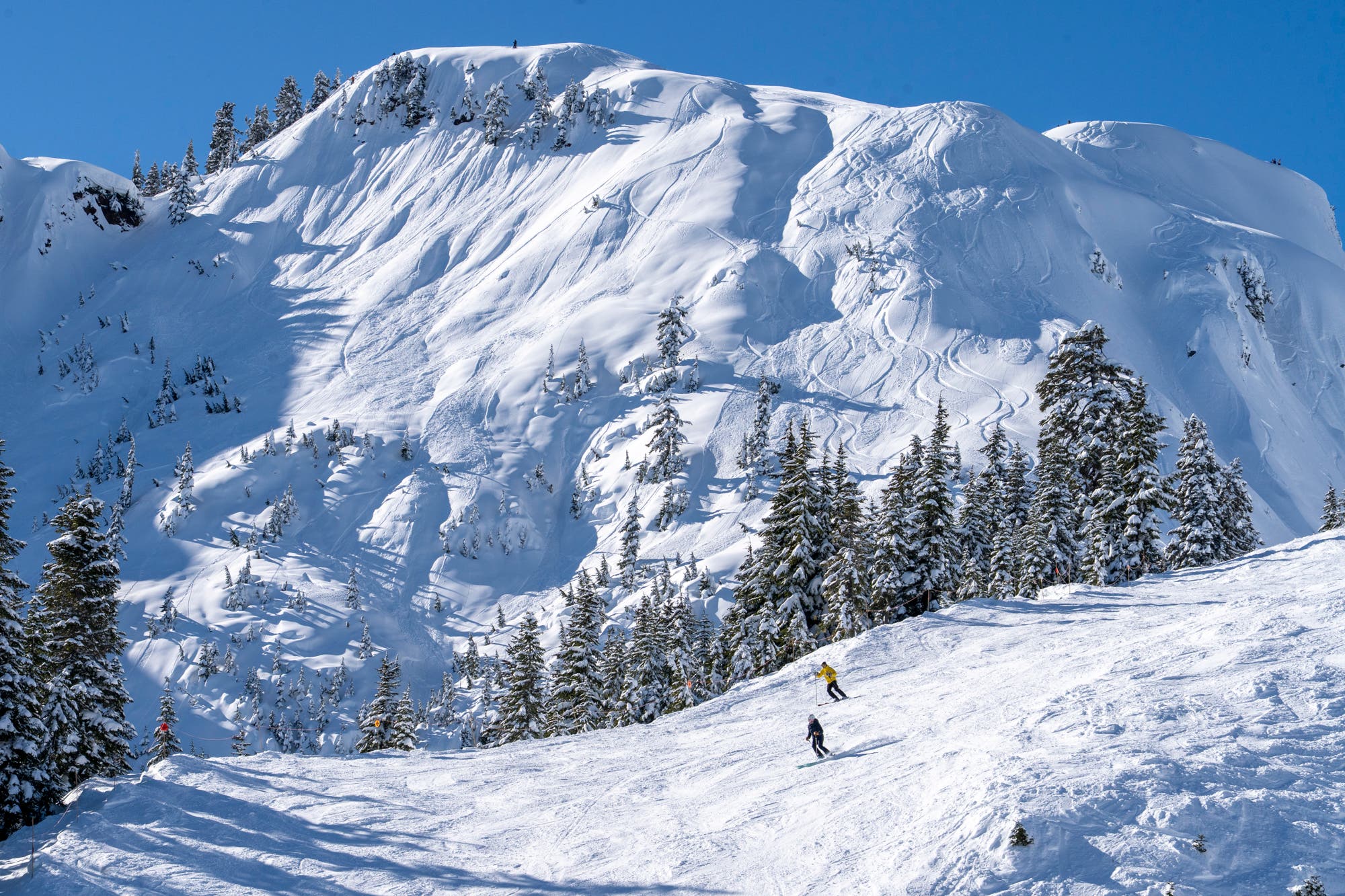
A first visit to Mt. Baker immediately reveals the tangible effects of its unique operational philosophy. The lodges, three in total, eschew televisions and other digital distractions, encouraging direct engagement and camaraderie among visitors. While cell service has been a relatively recent addition, reflecting a concession to modern necessity, it remains unobtrusive. Instead of digital screens, visitors might encounter the area’s beloved resident lodge cats, a quirky and endearing detail that further solidifies the ski area’s homespun charm.
While essential services like rentals, lessons, and food are available, the prevailing culture encourages self-reliance. Many patrons arrive with their own gear, and the parking lot often transforms into a vibrant, informal après-ski hub, where skiers gather around their vehicles, sharing stories and camaraderie after a day on the slopes. This communal parking lot culture is a powerful symbol of the Baker experience: people come not for curated entertainment or upscale dining, but for the shared passion of skiing, and the social connections forged through it. The focus is squarely on the skiing itself; the elaborate après-ski scene common elsewhere simply isn’t a draw.
A Mecca for Snow Enthusiasts
The primary magnet for Mt. Baker is its unparalleled snowfall. The long, winding trip to the ski area is almost always justified by the prodigious amounts of natural snow it receives. In a typical year, Mt. Baker Ski Area boasts an average of 688 inches (approximately 57 feet) of natural snowfall, dwarfing the averages of most U.S. ski resorts. This remarkable statistic places it among the snowiest places on Earth. The 1998-99 ski season stands as a legendary benchmark in meteorological history, when Mt. Baker set a world record for single-season snowfall, recording an astonishing 1,140 inches (over 95 feet) of snow. This record has cemented its reputation as a global hotspot for powder skiing.
This abundance of snow is not accidental; it is a direct result of Mt. Baker’s unique geographical position. Situated just 30 miles as the crow flies from the Pacific Ocean, the ski area is perfectly positioned to capture moisture-laden storms rolling in from the Pacific. The orographic lift created as these storms collide with the Cascade Range, particularly the Mt. Baker massif, results in immense precipitation, predominantly in the form of snow at higher elevations. Furthermore, the proximity to the coast often yields a distinct snow quality, frequently described as "Sierra cement" – dense, wet snow that provides incredible stability and a unique riding experience, particularly for those who relish charging through deep, consistent powder. Crucially, Mt. Baker relies solely on this natural snowfall; there is no artificial snowmaking, a testament to the reliability and sheer volume of its winter bounty.
The End of the Road: Isolation as Preservation
Access to Mt. Baker Ski Area is an integral part of its identity. From Bellingham, Washington, the nearest major city, the journey spans approximately 90 minutes along winding, primarily two-lane roads. This isolated approach culminates at the ski area itself, nestled dramatically between a glaciated massif and an active, glacier-covered stratovolcano. This "end-of-the-road" setting is a critical factor in managing crowds and preserving the ski area’s distinctive ambiance. It deters casual visitors, ensuring that those who undertake the journey are genuinely invested in the experience.
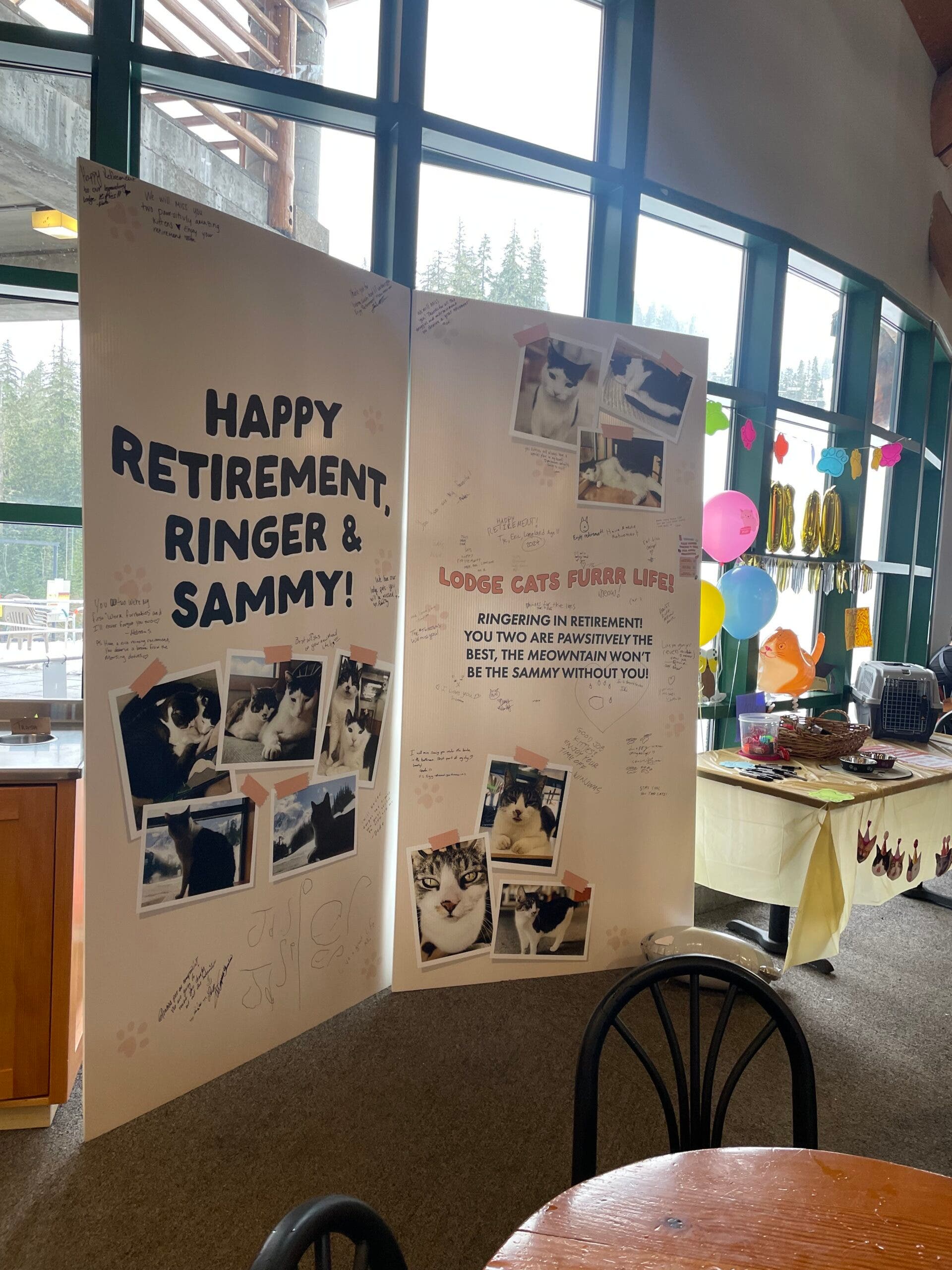
Howat emphasizes the profound natural beauty and ruggedness of this setting: "The scenery and the ruggedness of the mountains that surround us and the variety of the geology are very interesting. From volcanoes to uplifted rugged mountains – and that lends itself to intense terrain." This dramatic landscape, shaped by powerful geological forces, offers a challenging and diverse terrain that appeals to experienced skiers seeking an unmanicured experience. The natural isolation, therefore, is not a hindrance but a protective barrier, safeguarding Mt. Baker from the pressures of overdevelopment and mass tourism.
A Return to Skiing’s Roots
Arriving at Mt. Baker Ski Area often evokes a sense of stepping back in time, a journey into a place where the essence of skiing remains paramount. It exists within an ancient mountain landscape, populated by dedicated "lifers" who might camp out in vans in the parking lot, and where lodge cats roam freely. The chairlifts are notably slower, encouraging conversation and appreciation of the surroundings rather than rapid-fire laps. The local demographic is often characterized by gear patched with duct tape, a badge of honor signifying durability and function over fleeting fashion, a stark contrast to the prevalence of the latest high-tech apparel seen at more commercial resorts.
Even the skiing itself feels like a return to an earlier era. There are fewer meticulously groomed runs, a deliberate choice that preserves the natural contours and challenges of the mountain. The complete absence of artificial snow means skiers must adapt to the mountain’s whims, embracing whatever conditions nature provides. This reliance on natural elements fosters a deeper connection to the environment and hones a more versatile skiing skill set.
In 2026, when much of the ski world has been smoothed out for mass consumption, offering a standardized product designed to appeal to the widest possible demographic, Mt. Baker remains a defiant outlier. It is a place where skiing is, unequivocally, about actually skiing. Visitors are drawn by the legendary snow, the challenging terrain, and the notoriety of its unique culture. They return, season after season, because Baker stands as one of the few bastions that has not capitulated to the commercial pressures that have reshaped so many other destinations. It offers an experience that is raw, authentic, and deeply rewarding—a stark reminder of what skiing used to feel like, and for many, what it should always be. For those searching for an unadulterated mountain adventure, Mt. Baker patiently waits, a timeless beacon in a rapidly changing world.
