

Published July 23, 2026 10:06AM
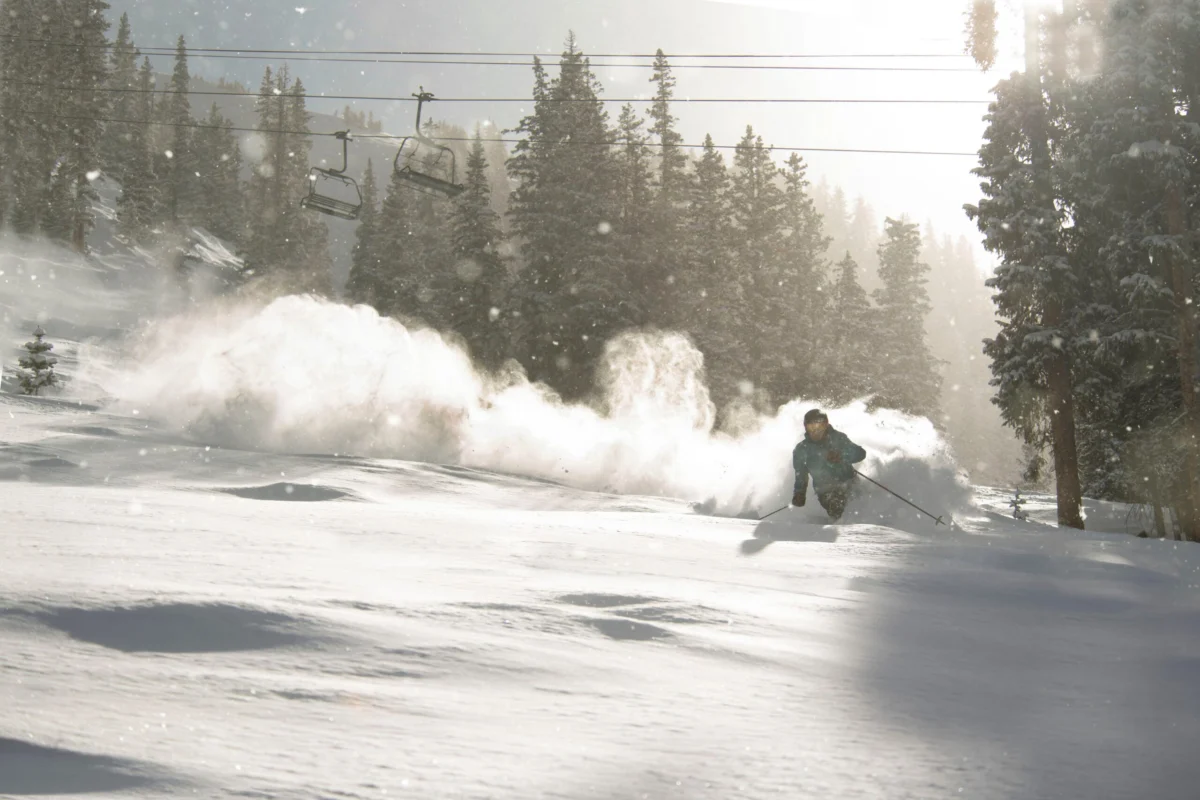
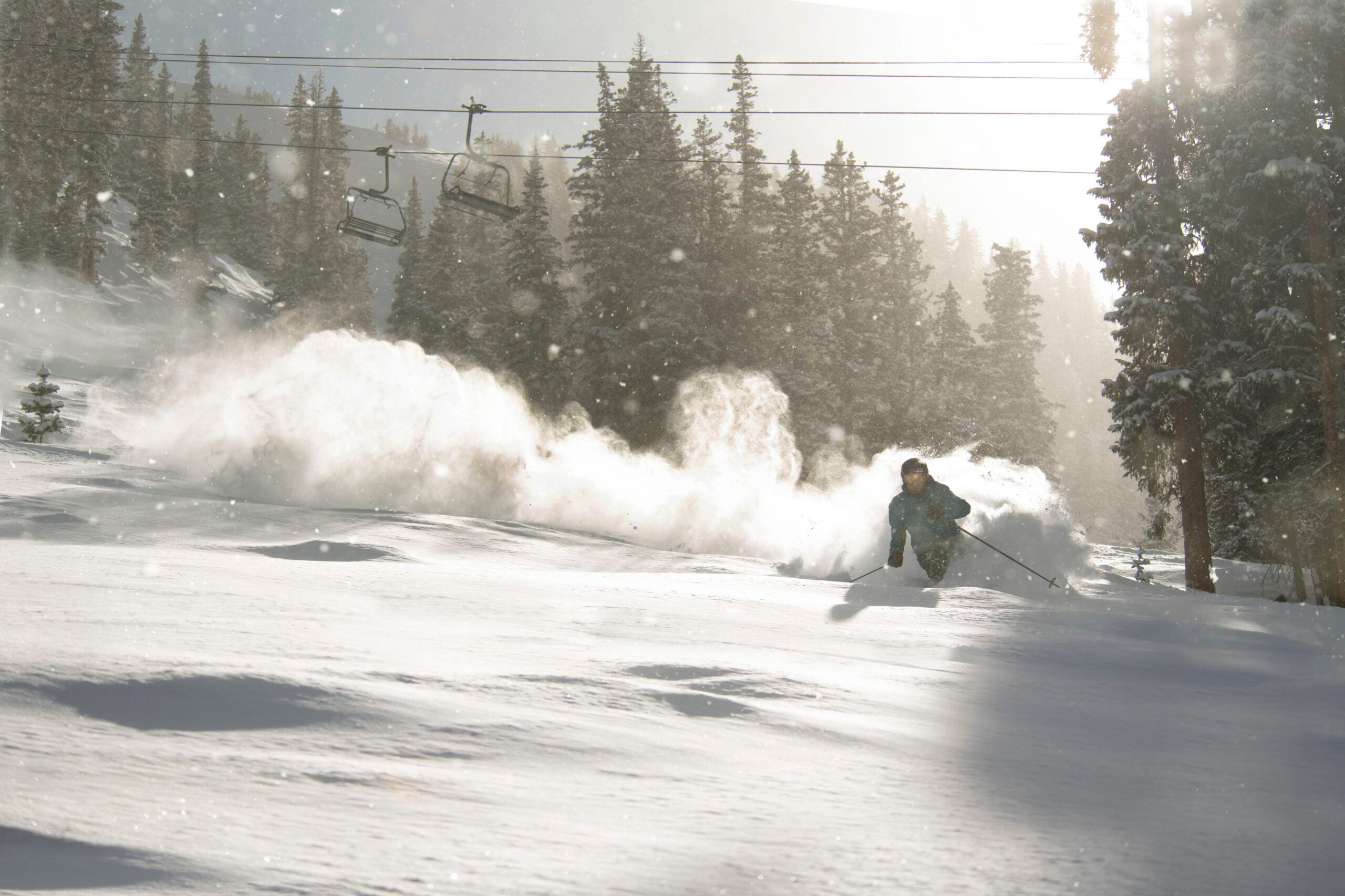
As the calendar turns towards winter, a significant atmospheric phenomenon known as the "Super El Niño" is rapidly intensifying in the Pacific Ocean, capturing the attention of meteorologists, policymakers, and a hopeful skiing community. Following a notably brief and arid winter for many Western and Southwestern resorts in the previous season, anticipation is building for what could be an unprecedented snowfall event across much of the United States. However, experts caution that while the promise of powder looms large, the potent climate driver also carries the potential for serious, widespread, and unpredictable impacts extending far beyond the boundaries of ski areas. Understanding this complex meteorological event, its historical context, and its projected teleconnections is crucial for both recreational planning and broader societal preparedness.
Deciphering the "Super El Niño" Phenomenon
At its core, El Niño is the warm phase of the El Niño-Southern Oscillation (ENSO), a recurring climate pattern involving changes in the temperature of waters in the central and eastern tropical Pacific Ocean and the atmospheric pressure systems above them. Specifically, an El Niño is declared when sea surface temperatures (SSTs) in the Niño 3.4 region (an area of the equatorial Pacific Ocean between 120°W and 170°W longitude, and 5°N and 5°S latitude) rise to at least 0.5 degrees Celsius above average for an extended period. The intensity of an El Niño is directly correlated with how much warmer these ocean temperatures become.
The term "Super El Niño," while not an official meteorological classification, is colloquially used to describe events of exceptional strength, typically when the Niño 3.4 region experiences SST anomalies of 2.0°C or more above average. Meteorologist Alan Smith from OpenSnow elaborates, "This winter has the potential to be the strongest El Niño on record." Such extreme warming in the Pacific significantly disrupts global atmospheric circulation patterns, most notably weakening the trade winds and shifting the location of atmospheric convection. This shift, in turn, influences the jet streams—high-altitude air currents that steer weather systems around the globe. During strong El Niño events, the subtropical jet stream often strengthens and extends eastward across the southern tier of the United States, leading to an increased frequency and intensity of storms in these regions.
The current El Niño began forming in the spring of 2026 and has shown a rapid strengthening through the summer months. Data from the National Oceanic and Atmospheric Administration (NOAA) and the International Research Institute for Climate and Society (IRI) indicate a high probability (over 90%) that El Niño conditions will persist through the Northern Hemisphere winter of 2026-27, with a significant chance (greater than 60%) of a strong event. Some models even suggest a potential for SST anomalies to rival or exceed those observed during the strongest El Niño events of the modern record, such as 1982-83, 1997-98, and 2015-16. These historical benchmarks offer valuable, though not definitive, insights into what the coming months might hold.
Historical Context: Lessons from Past Powerful El Niños
Examining previous strong El Niño cycles provides a crucial framework for understanding potential impacts. The 1982-83 El Niño, for instance, was famously impactful, bringing torrential rains to California, record snowfall to the Southwest, and significant shifts in weather patterns across the U.S. and globally. The 1997-98 event, another exceptionally strong El Niño, also delivered above-average precipitation to California and the southern U.S., leading to a strong ski season for many resorts in those areas, while the Pacific Northwest experienced drier-than-average conditions. More recently, the 2015-16 El Niño, initially dubbed a "Godzilla El Niño," was anticipated to be a drought-buster for California, and while it brought significant precipitation, it did not entirely alleviate the prolonged drought, highlighting the complexities and regional variabilities of these events.
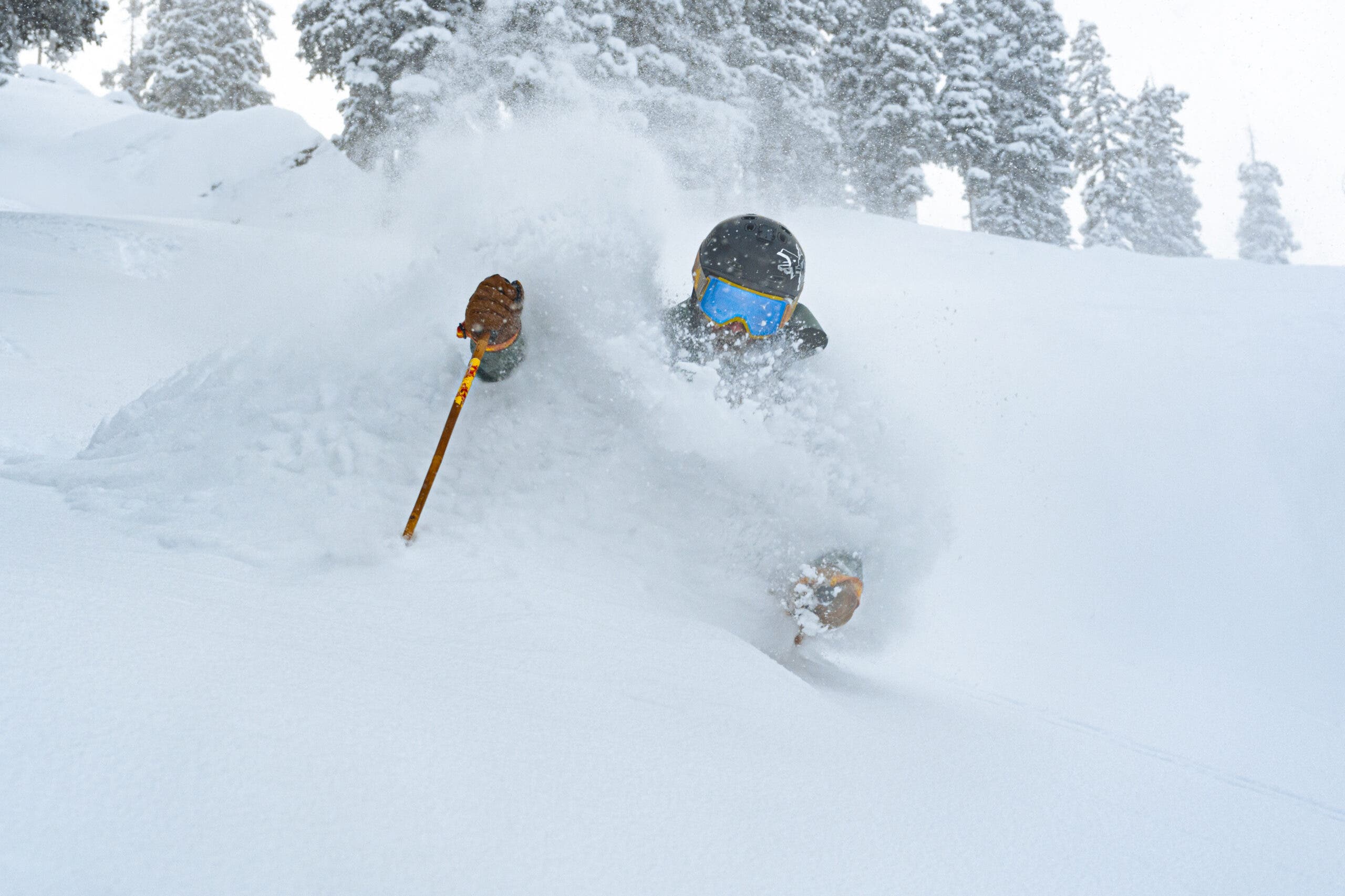
These historical patterns reveal a consistent trend: strong El Niños tend to favor an active subtropical jet stream. Alan Smith explains, "This means that you tend to get a strong and frequent storm track across the southern tier of the U.S." For winter sports enthusiasts, this teleconnection translates to a higher likelihood of snow across much of the Southwest and potentially extending into the central Rockies, provided temperatures are sufficiently low. However, the exact track and intensity of these storms, along with the precise temperature profiles, dictate whether that precipitation falls as rain or snow, and where the deepest powder accumulates.
Regional Weather Projections and the Ski Season Outlook
While no forecast guarantees specific snowfall totals, current ocean conditions and historical correlations offer strong indications for the upcoming winter. The enhanced subtropical jet stream typically means a wetter-than-average winter for the southern half of the United States, particularly California, the Southwest (Arizona, New Mexico), and parts of the Southern Rockies (Southern Colorado).
- Southwest and California: These regions stand to benefit most from a strong El Niño. Southern California, New Mexico, and Arizona have some of the highest odds for receiving significant El Niño-driven storms. Alan Smith notes that the sheer strength of this forecasted event "tips the scales in favor of the rest of Colorado and California too, as well as Utah and Idaho." This could mean a dramatic turnaround for areas that experienced record low snowfalls last winter. Resorts in the Sierra Nevada range in California and the San Juan Mountains of Colorado, which have historically shown strong correlations with snowy El Niño winters, are particularly optimistic.
- Central and Northern Rockies: States like Utah, Idaho, and the northern parts of Colorado could also see above-average snowfall, especially if storm tracks extend further north or if a stronger-than-usual subtropical jet stream pulls moisture into these regions. "A lot of these areas that had record historical lows [last winter], there are some correlations showing this could be a potentially above-average winter," Smith adds, offering hope for a rebound.
- Pacific Northwest and Canada: Conversely, the Pacific Northwest of the U.S. and much of Western Canada often experience drier and warmer conditions during strong El Niño events. The altered jet stream typically pushes storm systems south, leaving these northern regions with reduced precipitation. Skiers in British Columbia, Washington, and Oregon might face a more challenging season, potentially relying on higher elevations or early-season snowpack.
- Northeast U.S.: The forecast for the Northeast is more ambiguous. While an El Niño can bring increased precipitation to parts of the East Coast, it often also correlates with warmer temperatures. This means that while storm frequency might increase, the likelihood of that precipitation falling as snow, especially at lower elevations, could be diminished. It remains a "toss-up," as conditions may be wetter but also warmer, leading to a mixed bag of rain and snow events.
Broader Implications Beyond the Slopes
The influence of a "Super El Niño" extends far beyond the ski industry, carrying significant implications for various sectors across the nation and globally.
- Water Resources and Agriculture: For regions grappling with prolonged drought, particularly California and parts of the Southwest, the increased precipitation associated with El Niño could offer significant relief. Enhanced rainfall and snowpack can replenish reservoirs, improve soil moisture, and recharge groundwater tables. However, this relief is often a double-edged sword; excessive precipitation can lead to localized flooding, mudslides, and erosion, particularly in areas scarred by recent wildfires. The agricultural sector, heavily reliant on consistent water supplies, will need to balance the benefits of increased rainfall with the risks of extreme weather, which can impact crop yields and planting schedules.
- Wildfire Risk: The initial phase of a strong El Niño winter typically correlates with a reduced wildfire season in the southern U.S. due to increased precipitation and higher humidity. However, this can set the stage for a more intense wildfire season in subsequent years if the increased precipitation leads to abundant vegetation growth, which then dries out during drier periods. In regions like the Pacific Northwest, which may experience drier conditions during El Niño, wildfire risk could remain elevated.
- Hurricane Season: Strong El Niños are generally associated with a suppression of Atlantic hurricane activity. The altered wind shear patterns created by El Niño conditions tend to disrupt the formation and intensification of tropical cyclones in the Atlantic basin. Conversely, tropical cyclone activity in the Eastern Pacific can increase.
- Economic Impact: For ski resorts, a promising snow forecast can translate into significant economic boosts, driving tourism, lodging, and local spending. Conversely, regions experiencing drier-than-average conditions may see a downturn. Beyond skiing, industries such as agriculture, water management, and construction will need to adapt to the potential for extreme weather events, which can incur substantial costs related to infrastructure damage and disaster relief.
"There could be some surprises this winter, for better or worse," cautions Alan Smith. "I think this could really throw the atmosphere into some potentially chaotic patterns that we might not be able to foresee." This inherent unpredictability underscores the need for continuous monitoring and adaptive planning.
Strategic Planning for the Anticipated Winter Season
For skiers and snowboarders eager to capitalize on the potential bounty, strategic planning is key. Darin Smith, a ski-travel expert for Ski.com (no relation to meteorologist Alan Smith), advises clients to approach the season with a flexible mindset. "Create an environment for your family where if the skiing isn’t 100 percent, there will be alternatives," he suggests. This means considering resorts that offer a robust array of non-skiing activities, such as ice skating, shopping, dining, or spa services, to ensure an enjoyable vacation regardless of snow conditions.
Timing is another critical factor. While El Niños can be stormiest early and late in the season, early-season trips carry inherent risks due to less established snow bases and limited open terrain. Conversely, late-season trips might offer deeper bases and more extensive terrain, but also face the risk of warmer temperatures and potential spring rain events. Darin Smith recommends Colorado as a generally "safest bet" due to its high altitude, naturally colder temperatures, and strong likelihood of El Niño precipitation.
Expert-Recommended Ski Destinations for a "Super El Niño" Winter
Based on meteorological projections and historical performance during strong El Niño events, several resorts stand out as promising destinations for the 2026-27 winter season:
- Telluride, Colorado: Nestled in the San Juan Mountains of Southwestern Colorado, Telluride consistently demonstrates a strong correlation with snowy El Niño winters. Claire Hopper, a snow travel manager for Scout Ski, hails it as a "bucket list worthy" destination. Its dramatic scenery, extensive terrain variety from winding groomers to exceptional advanced and extreme trails, and a vibrant, walkable downtown create a premium vacation experience. While Telluride is a high-end option, nearby Wolf Creek and Purgatory ski areas offer more budget-friendly alternatives within the same promising region.
- Mammoth Mountain, California: California’s winters are among the most significantly impacted by El Niños, and Mammoth Mountain, located in the Eastern Sierra Nevada, is a prime beneficiary. Hopper notes that Mammoth often boasts one of North America’s longest seasons, making it ideal "for those who chase an endless winter." It offers "big mountain skiing but with a laid-back local vibe," combining vast terrain with a welcoming community atmosphere. Its high elevation and location make it particularly susceptible to the powerful storm systems channeled by the subtropical jet stream.
- Sun Valley, Idaho: With a strong El Niño on the horizon, Alan Smith suggests that storm tracks originating in California could swing north and bless this iconic Idaho resort. Often regarded as the nation’s first true ski destination, Sun Valley offers a rich history and varied terrain. Darin Smith praises its "old-school ski-town vibe" and the meticulous care taken by the mountain’s operational team. Recent expansions, including new lifts and hundreds of acres of terrain over the past decade, mean returning skiers may discover even more to explore.
- Aspen Snowmass, Colorado: As a premier Colorado destination, Aspen Snowmass provides four distinct resorts, catering to all skill levels. Darin Smith identifies it as "perfect for families—or people who are chasing powder." Beyond its diverse terrain, Aspen is renowned for its glamorous ambiance, lively après-ski scene (including the famous Cloud Nine Alpine Bistro), and upscale shopping and dining options. Its high-altitude location ensures colder temperatures, maximizing the likelihood of snow from El Niño-driven storms. For Epic Passholders seeking similar luxury and family-friendly options in Colorado, Beaver Creek and Breckenridge also present strong contenders.
- Taos Ski Valley, New Mexico: Alan Smith highlights Taos as a potential breakout star for this El Niño winter. New Mexico’s largest ski area, Taos offers challenging technical terrain for advanced skiers within a historic and artsy Southwestern locale. Hopper describes it as a "hidden gem in the Southern Rockies" with unique terrain and dramatic scenery, "oozing with culture that’s unlike any other in North America." Its location in the southern Rockies positions it directly in the path of anticipated storm systems.
As the 2026-27 winter season approaches, the "Super El Niño" represents a confluence of scientific intrigue and practical implications. While the promise of abundant snowfall ignites excitement among the skiing community, the broader forecast remains one of potential extremes and inherent uncertainty. Continuous monitoring of meteorological data and flexible planning will be essential for individuals and industries alike to navigate the complex and potentially historic winter ahead.
