

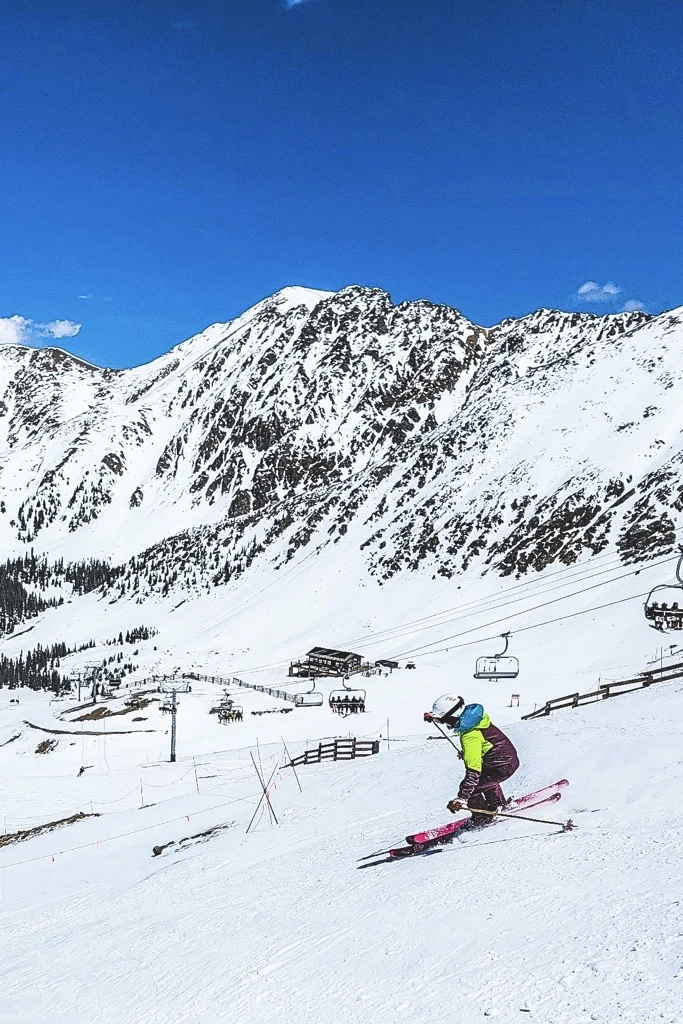
Katherine Fuller, the Director of Marketing and Communications for the Professional Ski Instructors of America and American Association of Snowboard Instructors (PSIA-AASI), recently embarked on a personal snowsports lesson journey at Eldora Mountain, a move that profoundly reshaped her relationship with skiing and underscored the invaluable impact of professional instruction. Her experience, shared through a candid personal account, provides a compelling case study for the efficacy of certified instruction in fostering skill development, building confidence, and transforming the perception of belonging within the snowsports community, even for industry veterans. This article delves into Fuller’s journey, the pedagogical excellence demonstrated, and the broader implications for snowsports participation and education.
The Quest for Mastery: A Professional’s Personal Journey
Fuller’s decision to enroll in a multi-week lesson program was driven by a deep-seated desire to overcome a long-standing plateau in her skiing abilities and address a pervasive sense of inadequacy. Having entered the snowsports industry in 2019, Fuller did not have a childhood steeped in mountain culture; she learned to snowboard in her twenties and ski in her thirties. This later start often meant she skied alongside more experienced peers, leading to constant self-comparison that eroded her confidence. She described feeling like a "fraud" – a less-than-expert skier working at a ski area, struggling with gripping acrophobia, and burdened by fear and doubt that entrenched bad habits. This internal conflict, coupled with a desire to genuinely improve, propelled her to seek formal instruction.
Eldora Mountain, located in Boulder County, Colorado, became the setting for this personal quest. Known for its accessible terrain and robust ski school offerings, Eldora provides a conducive environment for learners of all levels. Fuller enrolled in a five-week intermediate women’s lesson program, a structured initiative designed to offer consistent progression and build camaraderie among participants. Her decision to participate as an anonymous student, paying for the lessons herself and only vaguely referencing her marketing role, was strategic. It allowed her to shed the professional identity and associated pressures, embracing the role of a pure learner. This anonymity proved crucial, creating a safe space where she could focus solely on improvement without the burden of industry expectations.
Eldora Mountain’s Intermediate Women’s Program: A Structured Approach
The design of Eldora’s program, spanning five weeks, offered significant advantages over single-day lessons. A multi-week format allows for continuous progression, building on skills learned in previous sessions and fostering a deeper instructor-student relationship. This consistency is particularly beneficial for adult learners, who often juggle competing demands and benefit from a structured, progressive curriculum. The program’s women-specific focus also played a vital role, creating an environment where participants felt comfortable, supported, and less intimidated. Research suggests that gender-specific learning environments can reduce performance anxiety and promote open communication, leading to more effective learning outcomes.
Upon her arrival, Fuller was grouped with approximately 40 other women, meticulously sorted by Eldora’s instructors based on observed skill levels. Being placed with similarly skilled peers provided an immediate sense of relief. For the first time on a mountain, Fuller found herself among equals, alleviating the pressure of constant comparison that had previously undermined her confidence. This peer grouping fostered a supportive atmosphere, allowing participants to learn from each other’s progress and challenges. The structured yet relaxed environment proved instrumental in addressing Fuller’s acrophobia; during her second lift ride, a profound sense of calm replaced her usual panic, a testament to the program’s initial success in creating a secure learning space.
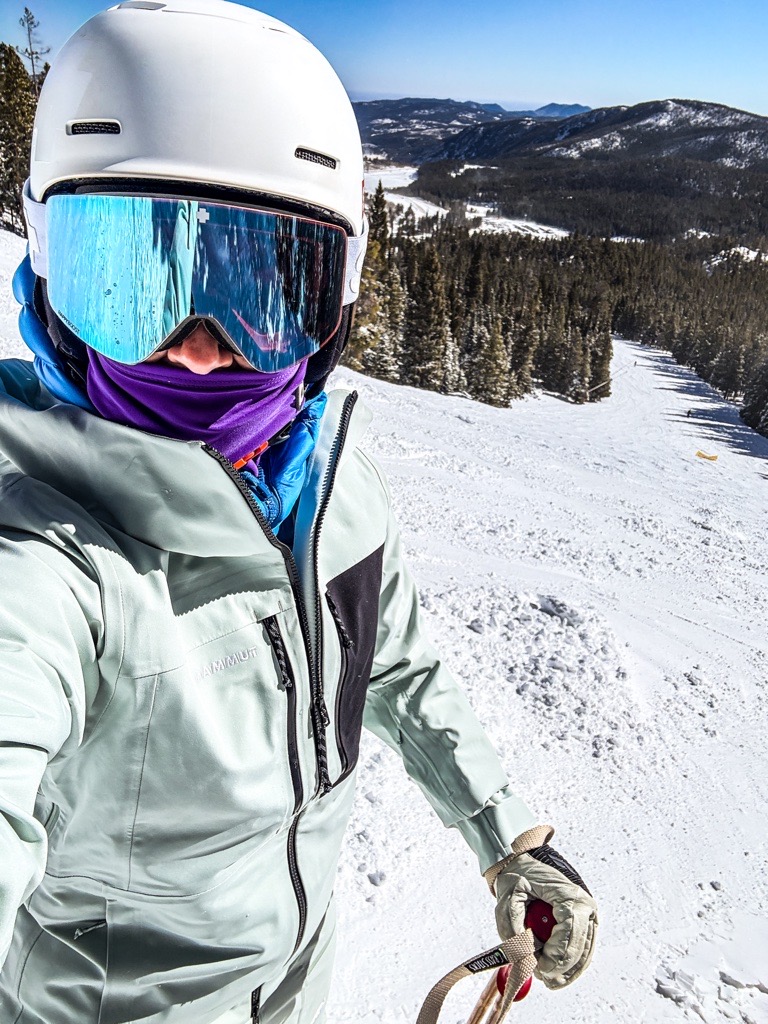
Unlocking Potential: The "Aha Moment" with Instructor Lindsey
The heart of Fuller’s transformative experience lay in the expert guidance provided by her instructor, Lindsey. A 26-year-old Alpine Level II certified instructor, youth freestyle coach, graduate student, and fiction author, Lindsey embodied the multifaceted expertise characteristic of PSIA-AASI professionals. She led a small "intermediate plus" pod of five skiers, a group where Fuller, despite being the fastest, often exhibited the most "squirrely" and inconsistent technique. Fuller openly admitted her form frequently "crumbled at the first sight of ice," revealing a common challenge for skiers accustomed to consistent Rocky Mountain powder.
Fuller’s breakthrough occurred on day three of the program. After lining up her students along a groomer, Lindsey delivered individual instructions. For Fuller, the instruction was concise and direct: a tap on her boot with a ski pole and three simple words, "Widen your stance." Fuller’s initial instinct was to question, but committed to abandoning ego, she complied. The immediate results were profound. The first two turns felt awkward, but then, for perhaps the first time in her skiing life, she felt stable and in control. This led her to experience the elusive "flow state," a meditative trance she cherished from mountain biking but had never thought attainable on skis.
Later, Lindsey provided the critical context, explaining how widening her stance gave Fuller the necessary space to fully engage the edges of her 90mm-underfoot skis, building upon previous lessons. This single, targeted adjustment, delivered at the opportune moment, completely transformed Fuller’s skiing. This incident highlights a core principle of effective instruction: sometimes, a precise, actionable cue, rather than an elaborate explanation, can unlock immediate and significant improvement.
The Art of Instruction: PSIA-AASI Principles in Action
Fuller’s post-program reflection, informed by her role at PSIA-AASI, revealed that Lindsey’s teaching methods were a masterful demonstration of the organization’s core teaching skills fundamentals. While the original article did not list all of them, PSIA-AASI emphasizes a holistic approach encompassing communication, technical understanding, and student-centered learning. Lindsey’s approach exemplified these principles:
- Student-Centered Communication: Lindsey minimized talking at her students, instead fostering dialogue among them, particularly on lift rides with simple discussion prompts. Her direct feedback was always targeted and productive, avoiding pontification or over-explanation. This kept the group moving and focused on practical application.
- Fear Reduction and Confidence Building: Recognizing that much of skiing is psychological, Lindsey spent significant time reducing uncertainty and fear. Her ability to instill confidence allowed students to be more open to learning. This included incorporating relatable concepts like yoga references to help students become more in tune with their bodies and positions, a strategy that led to Fuller adopting a daily body scan before skiing.
- Strategic Terrain Management: In a season marked by less-than-ideal snow conditions, Lindsey’s constant narration of terrain choices was invaluable. She provided clear, pre-emptive information about run conditions (e.g., "X run is thin and icy, so we’re skipping it") and guided students to the best side of each run. This removed the mental burden of terrain assessment from the students, allowing them to relax and focus on technique, trusting their competent guide.
- Targeted Feedback and Controlled Information Flow: Lindsey often gently refused to explain things in-depth when asked, a counter-intuitive but effective strategy. This prevented information overload, ensuring students could focus on one or two key tips without being distracted by extraneous details. This focused approach is critical for skill acquisition, particularly in dynamic activities like skiing.
Lindsey’s teaching transcended pure technical instruction. Her success lay in her ability to create an environment of trust, manage anxieties, and empower students to experiment and internalize new knowledge. This holistic approach, deeply rooted in PSIA-AASI methodologies, underscores that effective snowsports instruction goes far beyond demonstrating turns; it cultivates a deeper understanding of the body, the mountain, and oneself.
Beyond Technique: A Transformed Relationship with Skiing
The outcome of Fuller’s five-week program extended far beyond improved technical skills; it fundamentally altered her relationship with skiing. What began as a desperate need to "get better" evolved into a profound sense of belonging and joy. The experience, characterized by a foundation of trust and technical proficiency, enabled Fuller to achieve feelings she had chased for years.
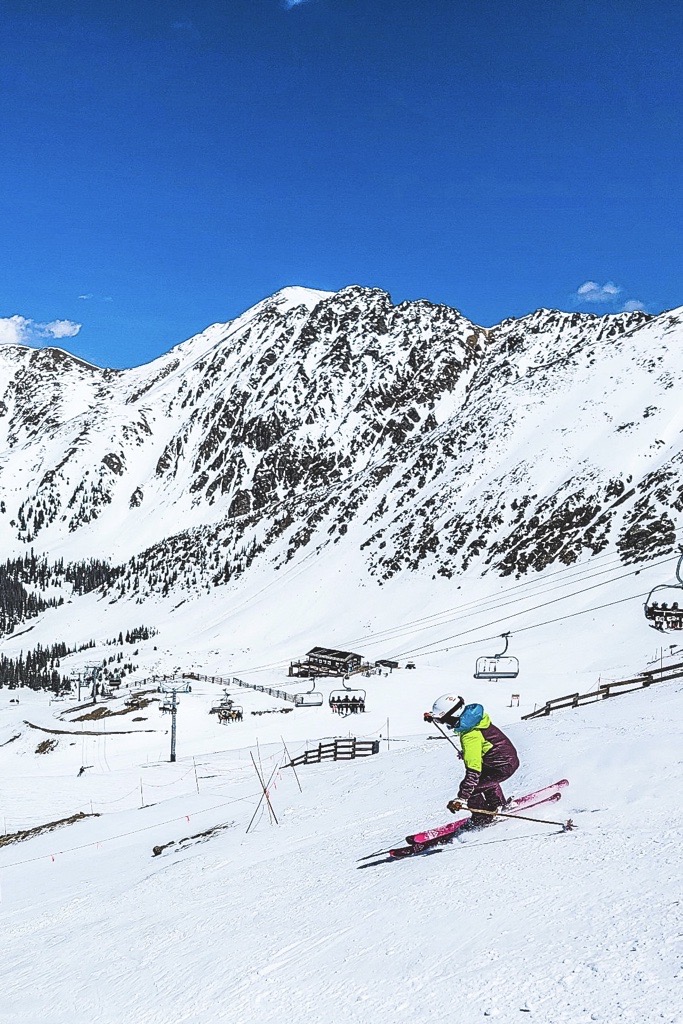
The tangible results were evident shortly after the program concluded. A month later, during the PSIA-AASI National Academy at Copper Mountain, Fuller confidently skied a run she had previously found "unpleasant and unpredictable." Her newfound, "grounded-in-reality confidence" allowed her to trust her abilities, leading to a exhilarating descent. A board member, a seasoned instructor and resort executive, observed her laughing joyfully, remarking, "Oh! You’re a giggler!" This spontaneous expression of pure delight symbolized the profound shift in her experience.
A week later, at the ski area where she used to work, Fuller confronted a run she had long feared. Despite the late spring conditions and limited terrain, she skied it without hesitation. This act of conquering a personal fear, a stark departure from her previous self, powerfully illustrates the transformative potential of good instruction. It’s not merely about making better turns, but about addressing underlying fears and fostering an intrinsic love for the sport. Lindsey’s compassion, devoid of dismissiveness or saccharine platitudes, accepted Fuller’s situation and worked with it, ultimately changing her entire perspective.
Broader Implications for the Snowsports Industry and Adult Education
Fuller’s journey offers critical insights for the broader snowsports industry and the field of adult education.
The Value of Professional Certification
The consistent application of PSIA-AASI teaching fundamentals by instructors like Lindsey underscores the immense value of professional certification. PSIA-AASI certified instructors undergo rigorous training and evaluation, ensuring they possess not only advanced technical skills but also sophisticated teaching methodologies. This consistency in quality instruction is paramount for delivering effective and transformative learning experiences. A spokesperson from PSIA-AASI, speaking on the importance of such programs, might emphasize that "our certified instructors are trained to identify individual needs, adapt their teaching styles, and foster an environment where students can overcome challenges and truly connect with the joy of snowsports. Katherine’s experience is a testament to the efficacy of these methods."
Boosting Participation and Retention
Fuller’s story highlights how professional lessons are crucial for expanding snowsports participation and ensuring long-term retention. Many adults who learn snowsports later in life, or those stuck at an intermediate plateau, may experience frustration, fear, and a sense of not belonging. Effective instruction can mitigate these barriers, turning hesitant participants into lifelong enthusiasts. Programs like Eldora’s women-specific, multi-week format are particularly effective in fostering community and consistent skill development, which are key drivers of retention.
Data from organizations like the National Ski Areas Association (NSAA) consistently show that lessons significantly increase the likelihood of repeat visits and long-term engagement in snowsports. A participant who takes a lesson is far more likely to return to the slopes than one who does not, emphasizing the economic and cultural importance of robust ski school programs.
Addressing the "Fraud Syndrome" and Normalizing Continuous Learning
Fuller’s candid admission of feeling like a "fraud" within the industry resonates with many professionals across various fields who may feel pressure to be experts while grappling with personal limitations. Her decision to seek instruction, even as a director within PSIA-AASI, normalizes the concept of continuous learning and growth for everyone, regardless of their professional standing. It sends a powerful message that seeking help and investing in personal development is a sign of strength, not weakness.
Eldora Mountain’s commitment to offering high-quality, tailored programs like the intermediate women’s lessons reflects a broader industry understanding that diverse offerings cater to diverse needs. An inferred statement from Eldora Mountain might highlight their dedication to "creating inclusive and supportive learning environments where every guest, from beginner to advanced, can find joy and confidence on the mountain. Programs like our women’s intermediate series are designed to address specific learning preferences and foster a strong sense of community."
Conclusion
Katherine Fuller’s personal odyssey at Eldora Mountain serves as a powerful testament to the transformative potential of professional snowsports instruction. It vividly illustrates that expert guidance, delivered with empathy and tailored precision, can transcend mere technical skill acquisition. It builds confidence, dismantles fear, fosters a sense of belonging, and ultimately, reignites the pure joy of the sport. Her experience reinforces the critical role of PSIA-AASI certified instructors like Lindsey in shaping not just better skiers, but happier, more confident individuals who find a deeper connection to the mountains. This profound impact underscores the enduring value of investing in quality instruction for the health and future of the entire snowsports community.
