

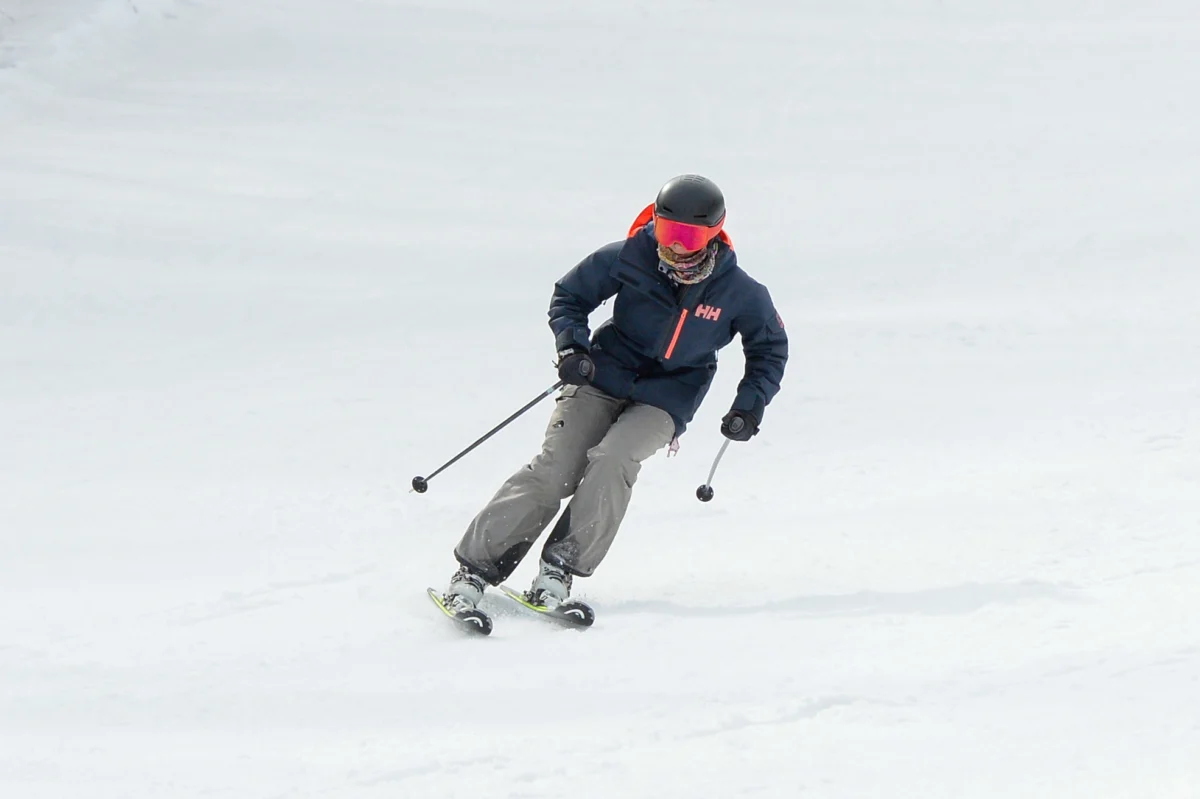
Snowsports instructors frequently encounter the challenge of translating a vast repertoire of drills and activities into targeted, effective lessons that cater to the unique needs of each student. The question often arises: which specific movements should be addressed, and what is the most efficient pathway to achieving desired changes in a student’s skiing or snowboarding technique? This perennial dilemma, shared by instructors from novice educators to seasoned examiners, underscores the critical need for a structured yet flexible pedagogical framework. J. Scott McGee and Jacob Crawford, authors of an insightful article in the Fall 2025 Issue of 32 Degrees, have put forth a compelling refinement of the Static, Simple, Complex, Applied (SSCA) strategy, originally outlined in the authoritative Teaching Snowsports Manual, offering a more dynamic and impactful method for movement analysis and skill development.
Foundations of Snowsports Pedagogy: The SSCA Framework
The Teaching Snowsports Manual, a cornerstone publication for professional snowsports instructors, provides the foundational principles for effective instruction across various disciplines. It is widely regarded as an essential guide for members of organizations like the Professional Ski Instructors of America and American Association of Snowboard Instructors (PSIA-AASI), serving to standardize and elevate the quality of snowsports education. Within this manual, on page 51, the SSCA strategy is introduced as a four-phase process designed to systematically introduce new movements to students. This progressive model aims to break down complex skills into manageable components, ensuring a clear and understandable learning trajectory.
Each phase of the traditional SSCA model serves a distinct purpose in the learning continuum:
- Static Phase: This initial phase introduces a new movement without any sliding motion. By removing the dynamic challenges of balance and speed, students can concentrate solely on the sensation and mechanics of the desired movement. This allows for focused internalization of the movement pattern, free from the distractions of external forces encountered on snow.
- Simple Phase: Building upon the static foundation, this phase integrates the newly introduced movement into a basic sliding context, such as a traverse, a straight run, or a single, isolated turn. The goal here is to acclimate students to performing the movement while in motion, without the added complexity of linking multiple turns. This serves as a crucial bridge, gradually increasing the demand on the student’s motor skills and cognitive processing.
- Complex Phase: In this stage, the new movement is applied within the context of linked turns. Students practice and gain ownership of the skill, integrating it into a more fluid and continuous sequence of movements. This phase often involves drills specifically designed to reinforce the targeted movement pattern within a dynamic turning environment.
- Applied Phase: The final phase brings the learning experience full circle, guiding students to incorporate the newly acquired skills into their "normal" skiing or snowboarding within varied terrain. This phase is about consolidation, mastery, and the transfer of learning to real-world conditions, allowing students to experience the practical benefits of their improved technique.
While this linear progression is inherently a powerful tool for skill acquisition, McGee and Crawford contend that its true potential is unlocked through a more dynamic interpretation, transforming it from a mere sequence of steps into a versatile analytical and instructional framework.
The Dynamic SSCA: A Refined Lens for Instruction
McGee and Crawford propose viewing the four phases not merely as a fixed progression for introducing movements but also as "lenses" through which to structure movement analysis and as adaptable "building blocks" that can be reordered to tailor teaching precisely to individual student needs. This reinterpretation addresses the common instructor quandary of having an abundance of teaching tools but lacking a systematic method for selecting the most impactful ones.
Starting with the End in Mind: Movement Analysis in the Applied Phase
The dynamic application of SSCA begins, counterintuitively, with the Applied Phase. When conducting movement analysis (MA), instructors typically observe students performing the turns they wish to improve, in the very terrain where they aspire to ski better. This could range from basic parallel turns to advanced carving or challenging bump skiing. Conducting MA in this authentic setting is paramount because it ensures that any identified areas for improvement directly align with the student’s stated goals and desired outcomes.
Observing students through the "lens of an applied phase" during initial assessment serves several strategic purposes. Firstly, it immediately focuses the instructor’s attention on movements that, if made more effective or efficient, will yield the greatest impact on the student’s overall performance and satisfaction. This relevance is key to student engagement and motivation. Secondly, it provides a clear baseline. The very activity used for initial MA can be revisited at the end of the lesson, serving as a tangible demonstration of progress and reinforcing the value of the instruction. However, while the applied lens effectively identifies overarching areas for improvement, it often reveals a "short list" of movements that, while impactful, are still too numerous or complex to address effectively within a single lesson. This necessitates a "higher resolution" lens to pinpoint the precise, actionable changes required.
Zooming In: The Static Phase as a High-Resolution Lens
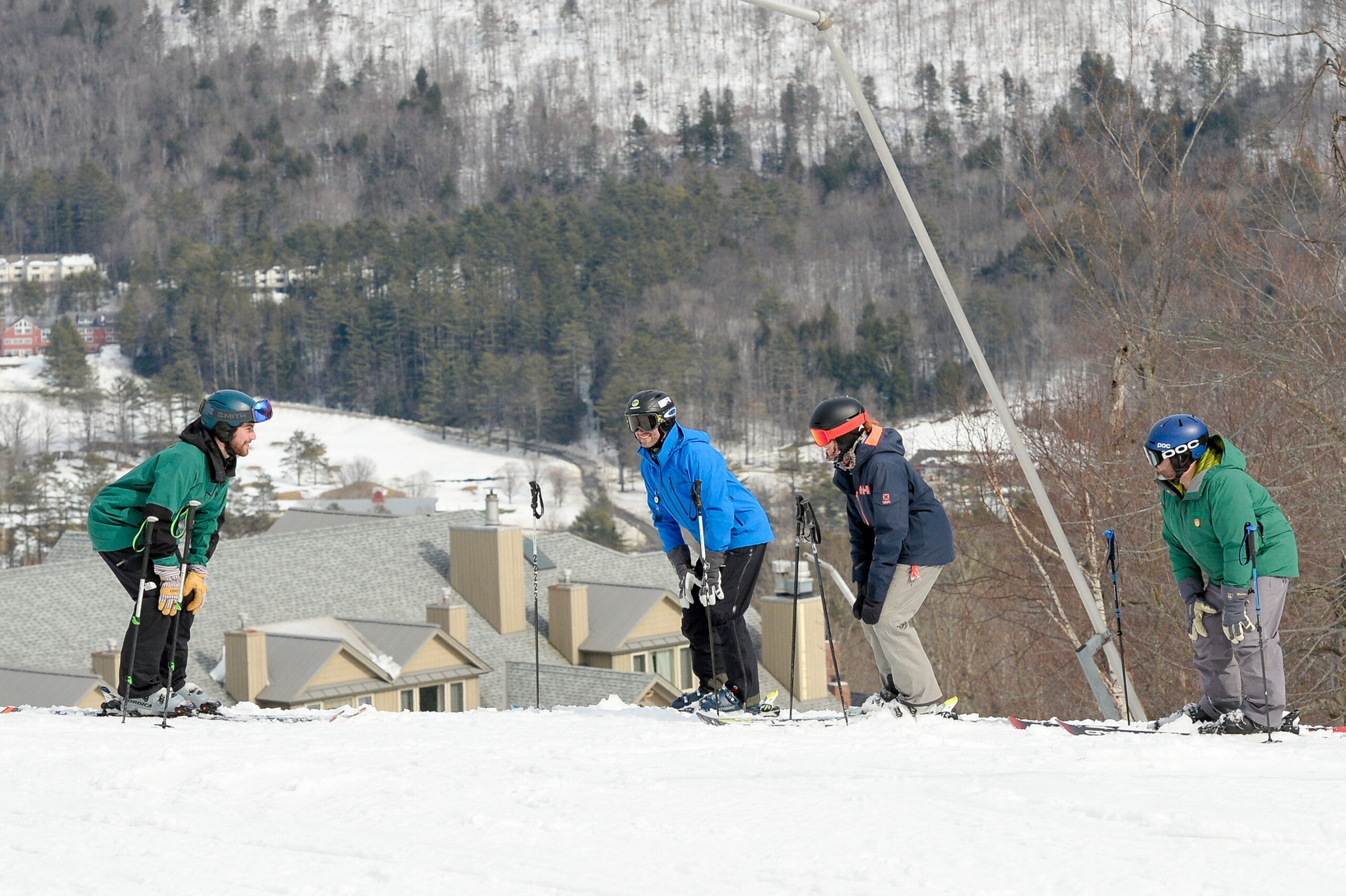
To achieve this higher resolution, McGee and Crawford advocate for employing the Static Phase as a critical analytical tool. This lens is designed to identify specific, isolated cause-and-effect relationships between individual body movements and their resulting ski performance outcomes. The core principle here is simplification: "Can I replicate this movement while standing still?" If a observed movement cannot be replicated in a static environment, it likely has not been sufficiently reduced to a single, identifiable cause-and-effect relationship, making it difficult to teach and for students to isolate and understand.
Consider the example provided: a student, Heather, exhibiting different edge angles on her inside and outside skis, with her legs tipped unevenly. While observing her dynamically, the instructor identifies this as a potential area for improvement. To apply the static lens, the instructor would then ask: "Can the relationship between tipping the legs and the resulting edge angles of the skis be replicated while standing still?" The answer is yes. By standing still and using one’s hands to manipulate the knees, the instructor can demonstrate and isolate the precise movement of tipping the legs and its direct impact on ski edging.
It is acknowledged that some movements might be "untenable statically" at their full magnitude. In such cases, the static replication might require reducing the magnitude of the movement or using props or a friend for support. The crucial takeaway, however, remains: the observation must be reducible to a single, replicable movement that can be demonstrated and felt without the complexities of motion. This meticulous isolation of movement ensures that instructors are targeting the fundamental building blocks of technique, making the subsequent teaching process clearer and more effective for the student. This analytical rigor prevents instructors from attempting to correct symptoms without understanding the underlying causes.
Implementing Change: The Complex and Simple Phases as Teaching Bridges
Once the critical movement for change has been identified through the combined lenses of the Applied and Static phases, the focus shifts to implementation. This is where the Complex and Simple phases transition from analytical tools to dynamic instructional methods.
The Complex Phase: Engaging the Bag of Tricks
The Complex Phase becomes the arena for introducing the desired new movement pattern within a turning context. This is where instructors draw upon their "bag of tricks"—a diverse collection of drills and exercises. The key is to select a drill that specifically emphasizes the fundamental or movement pattern identified in the static analysis. For instance, if the goal is to improve leg tipping for better edge angles, a drill like "railroad track arcs," which encourages simultaneous and consistent leg tipping throughout a turn, would be highly effective. The chosen complex-phase drill should challenge the student to integrate the new movement into a more holistic skiing action, yet still provide enough structure to guide the learning process.
The Simple Phase: Connecting the Dots
Following the Complex Phase, the Simple Phase acts as a vital bridge, reducing the complex activity to its most fundamental components: a single turn, a traverse, or a straight run. This reduction serves to clearly connect the new movement, which was isolated in the static phase and practiced in the complex phase, back to its simplest application on snow. If a student is struggling with the complex drill, reverting to the simple phase can help them isolate the specific aspect of the movement that is proving difficult, allowing for targeted correction before reintroducing the full complexity. This iterative process ensures that students can consciously connect the micro-movements to the macro-performance, fostering deeper understanding and more robust skill acquisition.
Pedagogical Underpinnings and Broader Implications
The dynamic SSCA framework is not merely a collection of steps; it is deeply rooted in established pedagogical principles. It embodies the concept of scaffolding, where learning is progressively built upon prior knowledge and simpler skills. By breaking down complex movements, it reduces cognitive load, allowing students to focus on one element at a time, a hallmark of deliberate practice. The iterative nature of moving between phases also aligns with constructivist learning theories, where learners actively construct their understanding by experiencing, reflecting, and refining their actions.
This refined approach to SSCA has significant implications for snowsports instruction:
- Enhanced Instructor Effectiveness: By providing a clear, systematic framework, it empowers instructors to diagnose issues more accurately and prescribe solutions more precisely, moving beyond trial-and-error teaching. This boosts instructor confidence and efficiency.
- Accelerated Student Learning: Students benefit from a highly tailored and logical progression. They understand what they are working on and why, which increases motivation and retention. The ability to isolate and then integrate movements leads to faster and more profound skill acquisition.
- Professional Development: The dynamic SSCA offers a valuable tool for instructor training and certification. It provides a common language and methodology for evaluating and improving teaching practices, contributing to the continuous professionalization of snowsports instruction. Instructors can reflect on their lessons, asking themselves if they effectively utilized the SSCA lenses and building blocks to maximize student progress.
- Increased Student Engagement and Satisfaction: When students see tangible progress and understand the rationale behind their drills, their engagement levels soar. This leads to a more enjoyable and rewarding learning experience, fostering a lifelong love for snowsports.
- Flexibility within Structure: While providing a robust structure, the dynamic SSCA is inherently flexible. Instructors can fluidly move between phases based on real-time student feedback and performance, adapting the lesson on the fly to meet evolving needs. This prevents rigid adherence to a pre-set plan that might not suit the student in front of them.
- Transferability: The underlying principles of isolating, practicing, and applying skills are not unique to snowsports. This dynamic framework could potentially be adapted to teaching a wide array of motor skills, from musical instruments to complex athletic maneuvers, underscoring its broad pedagogical value.
Conclusion: A Smarter Way to Build Progressions
The dynamic interpretation of the Static, Simple, Complex, Applied (SSCA) framework by J. Scott McGee and Jacob Crawford represents a significant advancement in snowsports pedagogy. By transforming the SSCA phases into analytical lenses and flexible building blocks, instructors are equipped with a powerful methodology to not only identify the most impactful areas for student improvement but also to construct precise, effective, and highly engaging lessons. This approach moves beyond simply having a "cornucopia of drills" to strategically deploying them in a way that maximizes student learning and satisfaction. It is a testament to the ongoing evolution of professional snowsports instruction, continually striving for clearer, more effective pathways to skill mastery on the slopes. Instructors eager to delve deeper into this transformative approach are encouraged to read the full article in 32 Degrees and to watch the "Build Better Lessons: A Smarter Way to Create Progressions" episode of the First Chair Podcast, where McGee and Crawford provide further insights into this innovative teaching strategy.
