

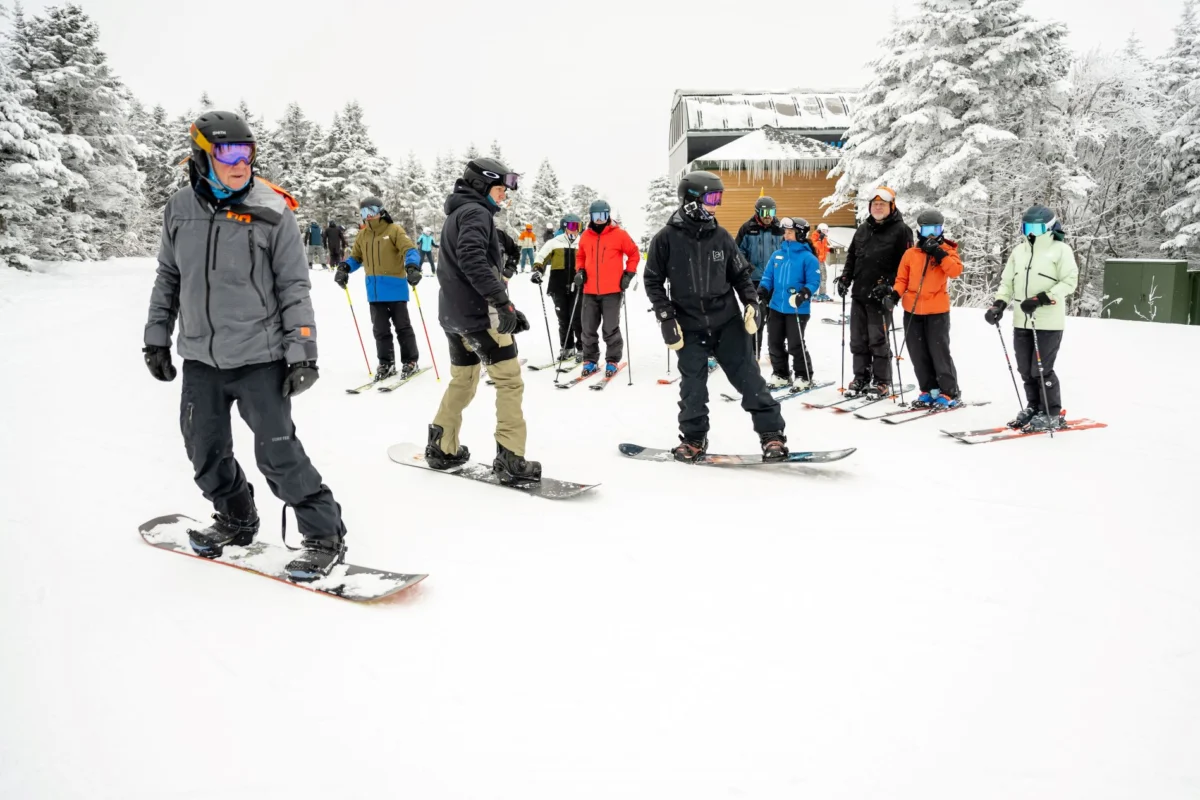
Snowsports instructors worldwide embody a distinct professional rhythm, their careers inextricably linked to the ebb and flow of seasons. This cyclical existence dictates not only personal lifestyles, from wardrobe adjustments and vehicle maintenance to recreational pursuits, but also the very structure of their professional development. As winter’s vibrant energy—marked by meticulous gear preparation, mountain commutes, camaraderie within snowsports communities, and the profound satisfaction of teaching others to master the slopes—recedes, instructors transition to off-season endeavors. These often involve swapping skis or snowboards for kayaks or bikes, embarking on hiking trails, engaging in rock climbing, or finding solace by waterways, yet the underlying principle of growth and preparation remains constant.
The Biological Imperative of Cyclical Renewal
The seasonal recalibration experienced by snowsports professionals mirrors natural biological cycles. Just as temperate zone flora undergoes periods of dormancy and explosive growth, instructors too navigate phases of intense engagement and restorative downtime. This biological analogy offers profound insights into career progression. A period of professional dormancy, often coinciding with the off-season, serves as a crucial opportunity. It allows for the replenishment of depleted energy reserves, the healing of physical and mental fatigue, and strategic preparation for the forthcoming wave of instructional demands. While instructors are actively engaged during the winter, their professional ‘roots’ are simultaneously strengthening, often unnoticed, securing their grip in the industry through continuous learning and experience.
This concept was vividly illustrated by Angelo Ross, PSIA-AASI Education Development Manager, who drew parallels from a seemingly mundane summertime ritual: weeding a flagstone patio. The tenacious root systems encountered during this task brought to mind fundamental biology lessons concerning taproots and fibrous roots. Taproots, exemplified by carrots, delve deep, characterized by a single, thick primary root that provides profound anchoring and access to deeper resources. Fibrous root systems, common in grasses, form broad, shallow networks of numerous smaller roots, excelling at widespread nutrient absorption and erosion control. Both architectures represent robust strategies for survival and thriving, demonstrating distinct strengths and remarkable resilience.
PSIA-AASI and the Evolving Landscape of Professional Development
Within the snowsports instruction sector, professional development, often facilitated by organizations like the Professional Ski Instructors of America and American Association of Snowboard Instructors (PSIA-AASI), is a continuous process of building knowledge and skills. This enrichment expands an instructor’s professional mindset and capabilities, directly influencing their effectiveness on the snow and their long-term career viability. Central to these discussions is the value of PSIA-AASI credentials. The industry frequently debates the comparative value of a highly specialized Level III instructor in a single discipline versus a multi-credentialed instructor holding, for example, Level II in one discipline, Level I in another, alongside specialist credentials such as Children’s Specialist (CS1) or Freestyle Specialist (FS1). This often leads to the question: which approach is inherently "better"?
The PSIA-AASI, established in 1961, has evolved significantly, continuously refining its standards and educational pathways to meet the dynamic needs of the snowsports industry. Its certification levels – Level I, II, and III – represent increasing degrees of mastery in teaching methodology, technical understanding, and guest service. Specialist credentials further allow instructors to deepen their expertise in specific areas, catering to diverse student populations and learning environments. In recent years, industry trends have highlighted a growing appreciation for instructors capable of adapting to a wide range of scenarios, from teaching young children across multiple disciplines to guiding advanced students through complex freestyle terrain. This diversification in demand underscores the relevance of both specialist and generalist development paths.
The Case for Generalists: Breadth and Adaptability
While society often reserves its highest reverence for specialists – individuals who achieve terminal degrees in academia or Level III certification in snowsports instruction – such a singular focus may overlook the equally vital contributions of generalists. The term "specialist" often denotes exceptionality and deep expertise within a narrow domain. However, an equally significant cohort, the "generalists," dedicate comparable time, energy, and effort to engaging with and mastering a broader spectrum of topics and skills. These "jacks and jills of multiple trades" are not merely competent across various areas; they often possess a unique ability to synthesize information, adapt strategies, and cater to diverse needs, making them invaluable assets in complex environments.
In ecological terms, biological specialists, such as wolves or koalas, occupy narrow ecological niches. They typically have a limited diet and inhabit specific ranges, excelling within those precise parameters. Wolves, for instance, play a critical role in regulating elk populations, which in turn reduces pressure on vegetation, allowing diverse plant communities to flourish. Koalas, with their eucalyptus-exclusive diet, prune forest canopies, increasing light penetration to understory plants. Conversely, biological generalists, like coyotes or dandelions, boast diverse diets and inhabit a wide range of environments. Coyotes, as scavengers, are crucial for nutrient recycling, consuming carrion and contributing to ecosystem health. Dandelions, often dismissed as weeds, are among the earliest and most reliable food sources for pollinators in spring, providing essential nectar and pollen that supports wider ecological stability. Both strategies are demonstrably successful and contribute uniquely to healthy, resilient ecosystems.
Challenging Perceptions: Value Beyond the Pinnacle
Instructors occasionally describe themselves in deprecating terms, such as "just a Level II and CS1" or "only a Level I in alpine and snowboard." This self-assessment, however, frequently undervalues their profound contributions. Analogously, dandelions would not label themselves "weeds," nor would the bees that depend on them for vital energy and protein, simultaneously facilitating pollination for countless other plants. Similarly, white clover, often considered a weed, and other legumes enrich the soil by fixing atmospheric nitrogen, making it accessible to non-leguminous plants and, by extension, to humans who cannot directly utilize atmospheric nitrogen. Moles, sometimes perceived as pests, aerate the soil and improve water infiltration, benefiting a myriad of organisms. These examples underscore a critical insight: value is often contingent on perspective.
The prevailing view often positions terminal degrees and Level III certifications as the ultimate pinnacles of achievement and definitive authorities. While undoubtedly significant, this perspective can be incomplete. In the broader educational ecosystem, PhDs often provide foundational research and theoretical frameworks, while classroom teachers bring these theories to life, adapting them for practical application. Researchers and practitioners, though operating in distinct capacities, serve equally essential roles within the same overarching system.
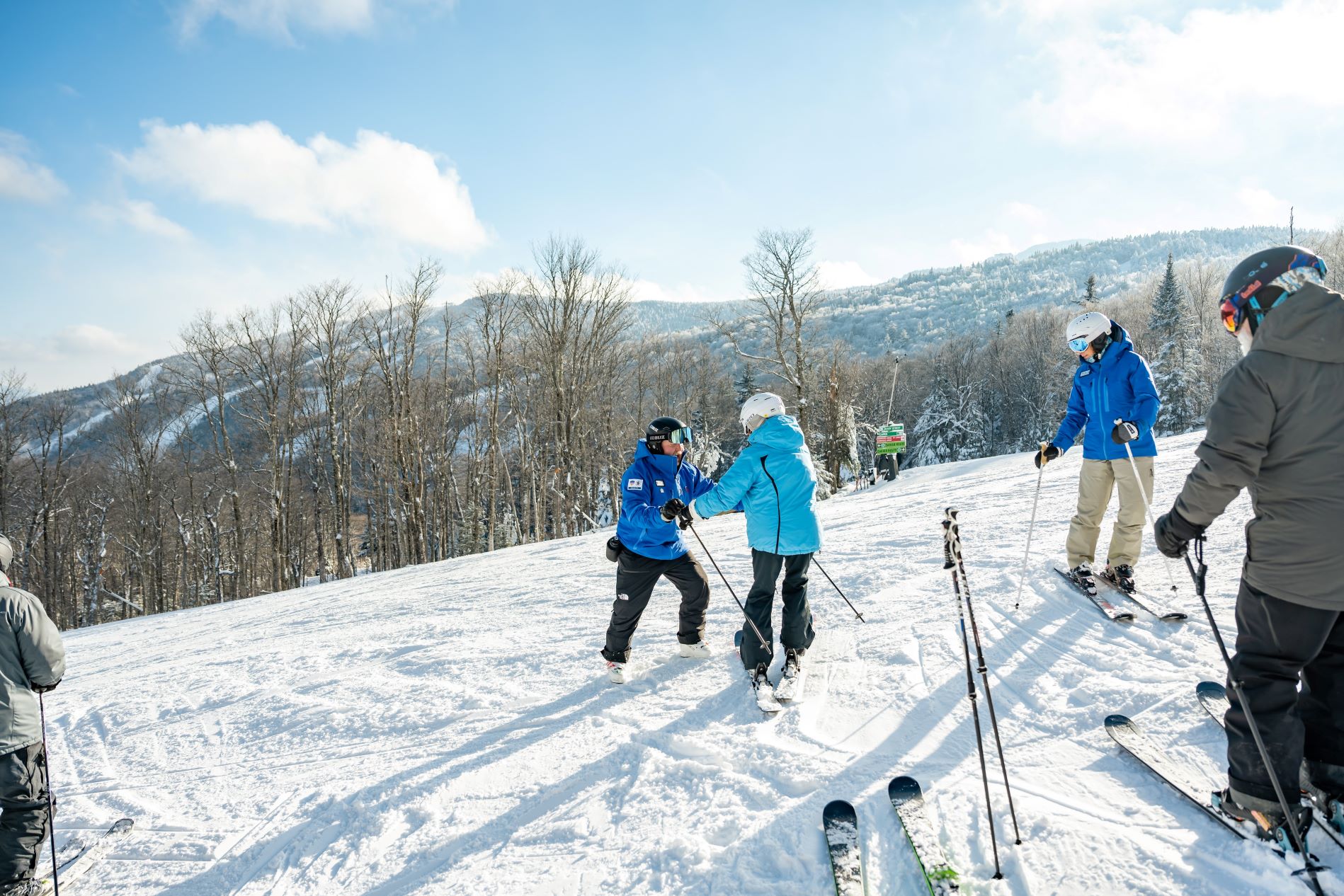
This dynamic holds true within snowsports education. A Level III instructor might be the optimal choice for a highly demanding bump lesson on steep terrain, possessing the advanced technical skills and instructional finesse required for such specialization. Conversely, an instructor holding Level I alpine, Level I snowboard, CS1, and FS1 credentials might be uniquely suited for a multi-discipline family lesson, adept at navigating the varied ages, interests, and skill levels across different snowsports. These diverse credentials represent distinct strengths and contribute differently but equally importantly to the overall health and success of the snowsports instruction ecosystem.
The Economic and Operational Imperatives of Diverse Skill Sets
From an operational standpoint, snowsports schools benefit immensely from a diverse instructor pool. Data from a hypothetical 2023 PSIA-AASI member survey suggests that approximately 45% of certified instructors hold specialist credentials in addition to their core discipline certifications, while about 20% possess Level I or II certifications across two or more disciplines. This indicates a significant trend towards broader skill sets. Industry reports from entities like the National Ski Areas Association (NSAA) consistently highlight the growing demand for flexible instructional programs, particularly those catering to families and groups with mixed abilities and interests.
"Our snowsports school thrives on the versatility of our team," states Sarah Chen, Director of Snowsports at Mountain Peak Resort. "While our Level IIIs are crucial for high-level technical coaching and instructor training, our multi-discipline Level I and II instructors are the backbone of our family programs and beginner lessons. They can seamlessly switch from teaching a child on skis to guiding a parent on a snowboard, which significantly enhances our operational efficiency and guest satisfaction."
Conversely, Dr. Mark Jensen, a PSIA-AASI educational strategist, emphasizes the ongoing need for deep specialization. "The pursuit of Level III mastery pushes the boundaries of our craft. These instructors become thought leaders, mentors, and innovators, ensuring the highest standards of instruction are maintained and advanced. Their expertise is critical for elevating the entire profession."
The economic implications are also noteworthy. Schools with a balanced mix of specialists and generalists can offer a broader range of products, catering to a wider market segment. This flexibility can lead to increased lesson bookings and improved revenue streams. For individual instructors, developing a generalist skill set can increase employability, particularly during fluctuating demand, allowing them to fill various roles throughout a season. Conversely, deep specialization can lead to higher per-lesson rates for specific, in-demand expertise.
Charting Your Professional Development Path
Just as diligent weeding is an ongoing process for maintaining a healthy garden, professional development is most effective when approached as a continuous journey. As snowsports professionals transition through their off-season, replenishing energy reserves and preparing for the next winter, it becomes an opportune time for introspection and strategic planning regarding individual development paths.
Instructors are encouraged to reflect on their intentions for the upcoming season, considering how personal interests align with the evolving needs of their snowsports school and the broader industry. The question then becomes: Are you inclined towards developing as a "taproot," drilling down to achieve profound mastery and offer unparalleled expertise in a single, specialized discipline? Or do you envision yourself more akin to a "fibrous root system," spreading broadly to forge connections among a wide range of experiences, disciplines, and student types?
- The Taproot Specialist: This path involves intensive focus on a single discipline (e.g., Alpine Skiing Level III, Snowboard Level III) or a highly specialized niche (e.g., Adaptive Snowsports Level III, High-Performance Freeride). This deep dive cultivates unparalleled expertise, making one a go-to authority for advanced coaching, instructor training, or specific challenging scenarios. The strength lies in depth, precision, and the ability to solve complex problems within a defined domain.
- The Fibrous Root Generalist: This path involves acquiring multiple certifications across disciplines (e.g., Level I Alpine and Snowboard, Level II Telemark) and specialist credentials (e.g., Children’s Specialist 1 & 2, Freestyle Specialist 1 & 2). This broad approach fosters adaptability, versatility, and the ability to cater to a diverse clientele. The strength lies in breadth, flexibility, and the capacity to integrate different skills and knowledge sets to create holistic learning experiences.
Veteran instructor David Lee, a Level I Alpine and Snowboard instructor with CS1 and FS1 credentials, shared his perspective: "I love the variety. One day I might be teaching a group of five-year-olds how to pizza on skis, the next I’m helping a teenager land their first 360 on a snowboard. Being able to adapt and engage with so many different guests keeps my job exciting and ensures I’m always learning."
Ultimately, whether an instructor’s professional growth trajectory resembles a deep taproot or a sprawling fibrous root system, the fundamental lesson remains consistent: resilience and sustained success in any profession stem from continuous growth and adaptation. A healthy, thriving snowsports instruction ecosystem, capable of meeting the diverse and evolving demands of its participants, is intrinsically dependent on the rich variety found in its professional development paths. This diversity ensures that the industry can nurture both profound expertise and broad adaptability, securing its foundations for seasons to come.
