

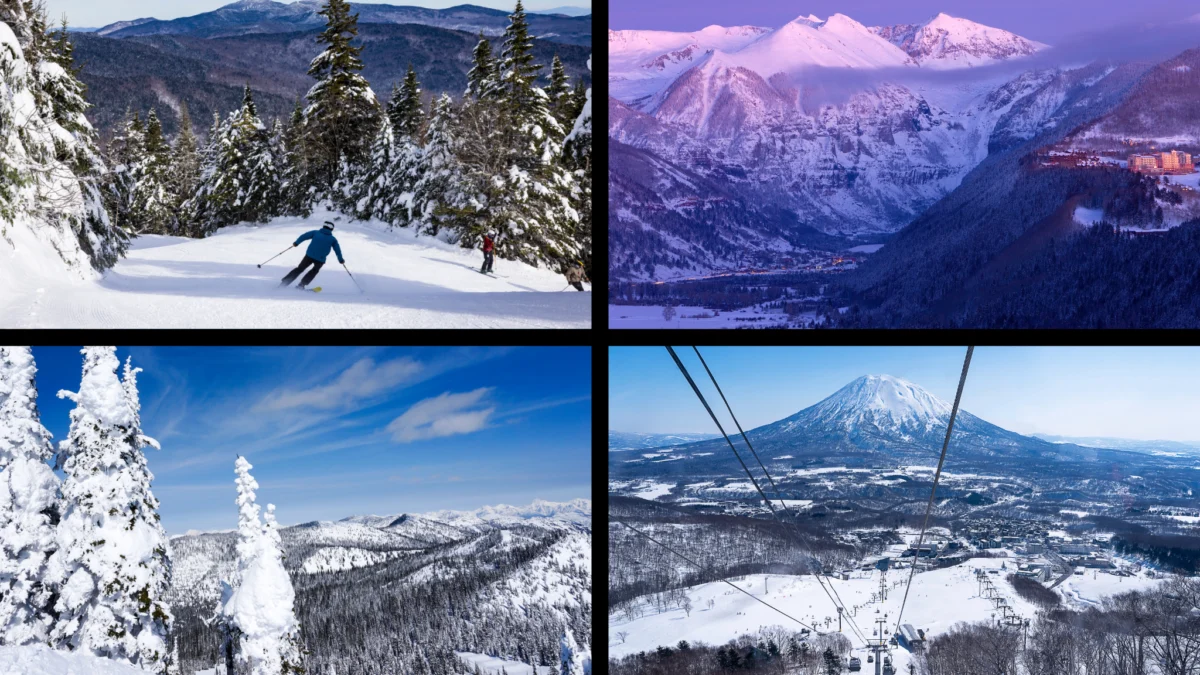
Summer’s embrace offers a unique window for dedicated skiers and snowboarders to meticulously plan their winter adventures. This strategic foresight allows for optimal accommodation choices, secures coveted vacation time, and ensures that the most anticipated slopes are booked well in advance. As the industry’s leading voices, the editorial team at SKI Magazine has revealed their personal winter travel aspirations, offering a curated glimpse into the destinations poised to redefine the upcoming ski season. These selections, spanning iconic locales and emerging frontiers, underscore a collective desire to experience the transformative power of snow-capped landscapes and the vibrant communities that surround them.
Charting the Course: Expert Picks for the 2026-2027 Ski Season
The upcoming ski season, tentatively slated for a robust opening in late 2026, is already generating significant buzz within the snow sports community. Leveraging insights from meteorological forecasts and burgeoning resort developments, SKI Magazine’s seasoned professionals have outlined their intended destinations, each chosen for distinct reasons ranging from the allure of challenging terrain to the promise of untouched powder and the enrichment of cultural immersion.
Telluride, Colorado: A Confluence of Aspiration and Accessibility
Sam Berman, SKI Executive Editor, has pinpointed Telluride, Colorado, as a prime target for his winter pilgrimage. His strategy is directly informed by the potential impact of a predicted Super El Niño event, a climatic phenomenon known for its capacity to deliver substantial snowfall to western North America. "I’m planning to follow the Super El Niño and capitalize on the resorts (hopefully) in its path," Berman stated. "Telluride is at the top of my list."
Berman’s connection to Telluride is personal, marked by a significant gap in his skiing itinerary. "I haven’t been there in several years, and my boys have never been and are dying to go," he explained. This personal motivation is coupled with a professional objective: to provide practical guidance for skiers aiming to conquer this famously remote destination. "There’s no big story this year—no new terrain or lifts—so I’m thinking that I’ll focus on travel tips and advice for this resort that’s notoriously hard to get to, and how to maximize your time there." The inherent exclusivity of Telluride, often considered a “bucket list trip,” necessitates meticulous planning, a task Berman is keen to facilitate. "For most people, Telluride is a bucket list trip. You really want to get it right the first time because you might never make it back, and I want to help people do that."
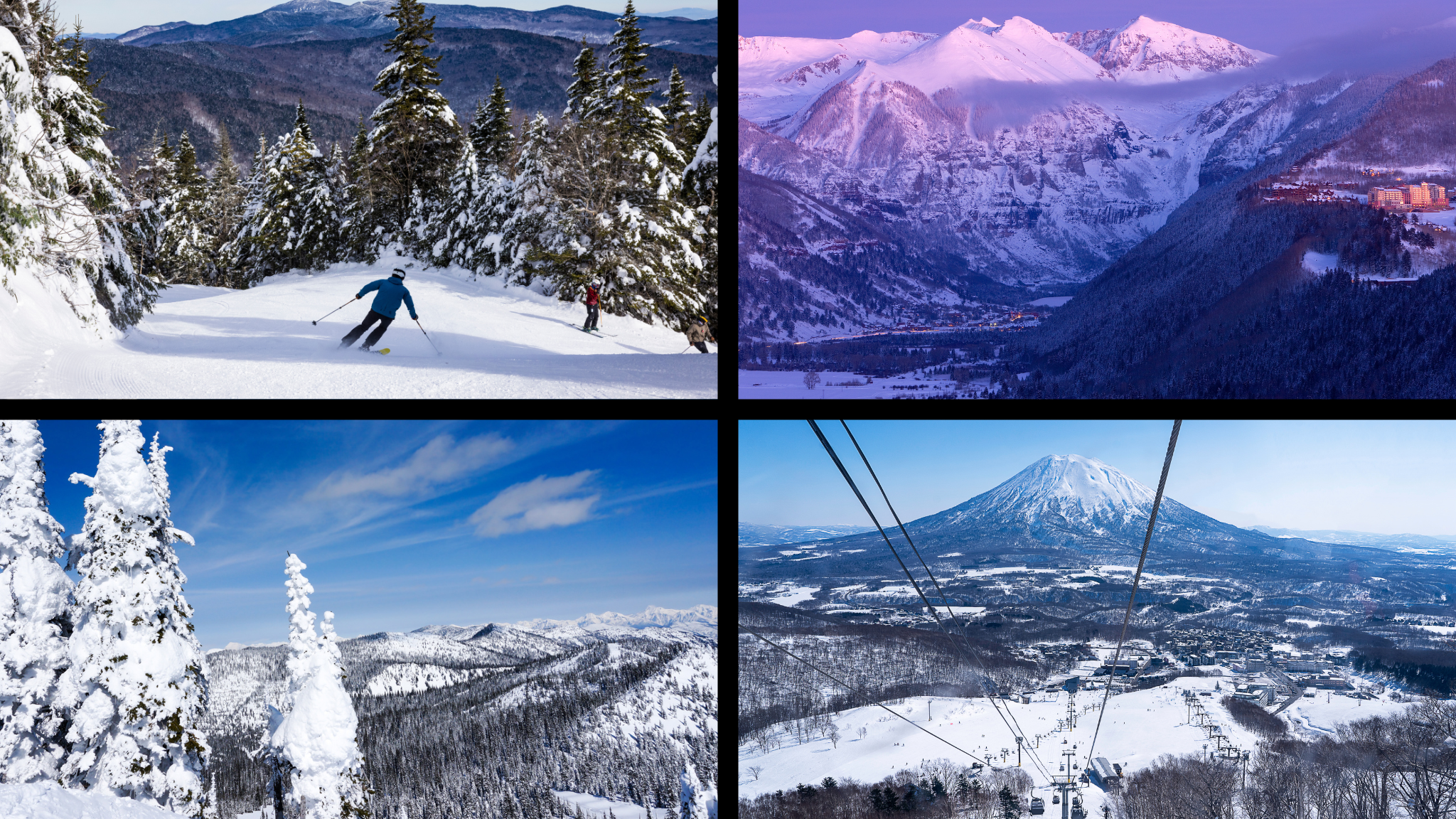
The logistical challenges of reaching Telluride, nestled deep within the San Juan Mountains, have historically contributed to its mystique. Access typically involves flying into Montrose (MTJ) or Telluride (TEX) airports, followed by a scenic drive. The resort itself is renowned for its challenging steeps, vast vertical drop, and breathtaking alpine scenery, consistently ranking among the top ski destinations in North America. The lack of major infrastructure changes this season allows for a deeper dive into the guest experience, focusing on maximizing the enjoyment of the existing, world-class offerings.
Powderhorn, Colorado: Embracing the Undiscovered
Berman’s winter itinerary also includes Powderhorn, Colorado, a resort poised for significant enhancement. The introduction of its first high-speed lift marks a pivotal moment in the resort’s development, promising improved efficiency and access to its terrain. "Powderhorn is also on my list for this season. The resort has a big upgrade in the works—its first high-speed lift—and I’m excited to check it out," Berman noted.
This choice reflects a broader appreciation for less-trafficked ski areas. "I’ve never been, and I love exploring new ski areas for the first time and experiencing skiing’s smaller, less traveled spots," he shared. Powderhorn’s unique location in Colorado, characterized by a scarcity of ski resorts, further amplifies its appeal. "Powderhorn is unique because it sits in an area of Colorado with few ski areas, and I’ve heard the scenery and views are stunning." Situated on the Grand Mesa, Powderhorn offers a distinct geological setting, providing panoramic vistas that are a significant draw for visitors. The resort’s commitment to modernization, evidenced by the new lift, signals a strategic effort to balance its intimate charm with enhanced guest services, making it an attractive proposition for those seeking an authentic, less crowded ski experience.
Mad River Glen, Vermont: A Testament to Co-op Spirit and Legacy
Jamie Aranoff, SKI Senior Editor, has an unwavering affection for Mad River Glen in Vermont, a destination that resonates deeply with her passion for ski culture and community. "Mad River Glen (ski it if you can!) lives rent-free in my brain," she declared. The resort’s iconic single chair, the oldest operating in North America, and its unique cooperative ownership model are central to its enduring appeal. "From the infamous single chair (the country’s oldest single operating chairlift) to the Co-op ownership structure that owns and operates the resort, this place is filled with all sorts of stories just waiting to be told."
The recent acquisition of over 1,000 acres of surrounding land by the Mad River Glen community, a fundraising effort that garnered nearly $3 million, underscores the deep-seated commitment to preserving the resort’s character and its ecological integrity. "The MRG community recently raised close to 3 million dollars to purchase over 1,000 acres of land surrounding the resort, so it’s clear this place still has plenty of soul, and I have got to see what it’s all about!" Aranoff expressed. Mad River Glen, known for its challenging natural terrain and commitment to a traditional skiing experience, has consistently resisted modernization in favor of preserving its authentic atmosphere. This recent land purchase solidifies its dedication to conservation and ensures its unique character will be sustained for future generations.
Telluride, Colorado: A Recurring Desire for Elevated Challenge
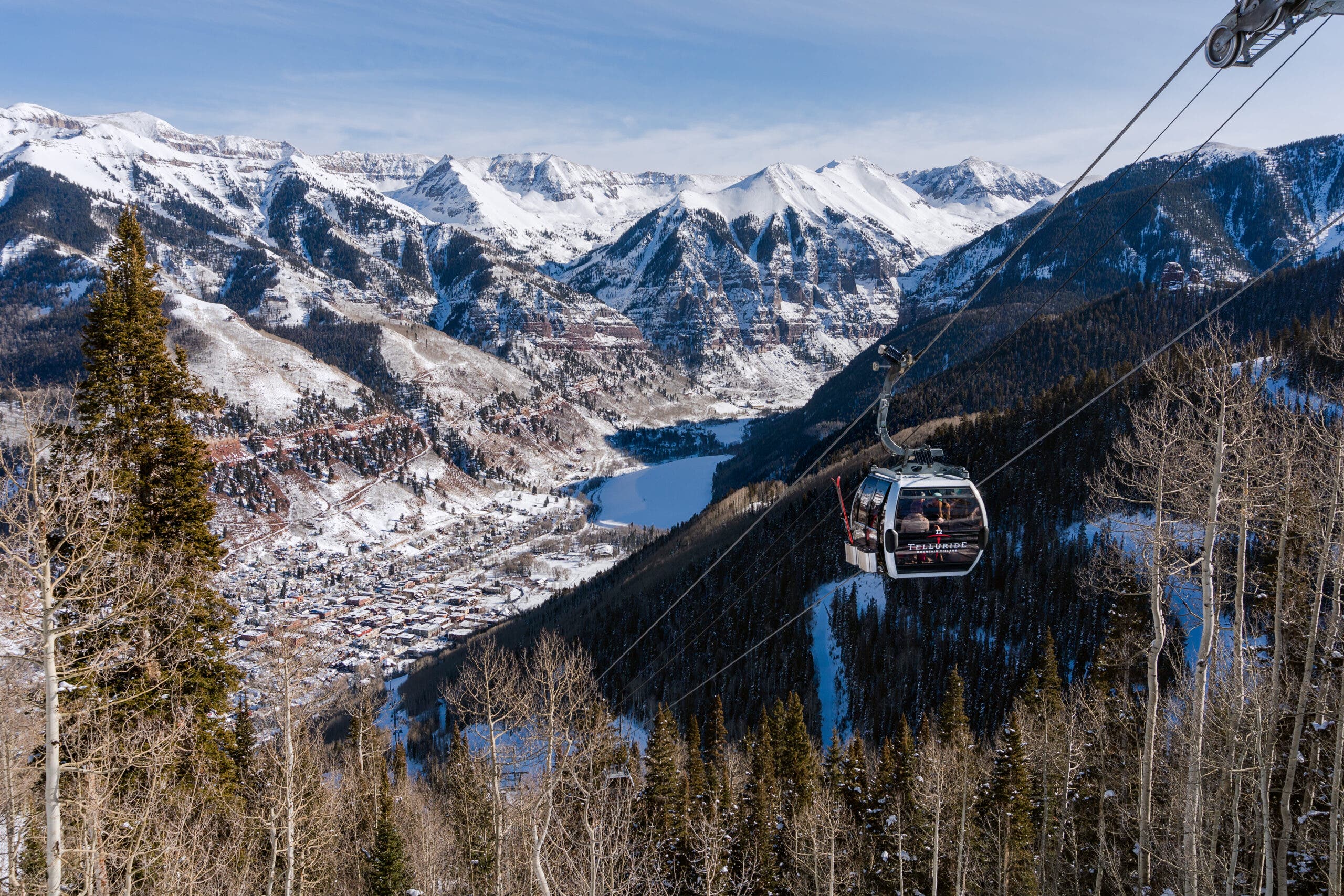
Aranoff, too, finds herself drawn to Telluride, Colorado, a testament to the resort’s magnetic pull. "As much as I wanted to change my answer for lack of repetition from Sam, I just can’t; I really want to visit Telluride!" she admitted. Her personal journey as a skier has evolved, leading her to seek out more demanding terrain. "I don’t always love super steep runs, but I’m going through a phase of skiing where it feels good to challenge myself, and I’m hoping to capitalize on that while the momentum is still there."
The geographical allure of the San Juan Mountains is another significant factor in her decision. "Plus, I’ve never skied in the San Juans before!" she added. For skiers based in the Eastern United States, such as Aranoff in New York City, the journey to Telluride represents a substantial undertaking, amplifying the desire to finally experience its legendary slopes. The persistent appeal of Telluride across different editorial perspectives highlights its status as a premier ski destination, offering both aspirational challenges and unparalleled scenic beauty.
Whitefish, Montana: Rediscovering Authenticity Amidst Evolution
Sierra Shafer, Outside Editorial Director, Lifestyle, is returning to Whitefish, Montana, after a decade-long absence, driven by a curiosity about its evolution while retaining its core identity. "I’m headed back to Whitefish this winter for the first time in almost 10 years. A lot has changed since I was last there, and that’s exactly why I want to go back," Shafer explained. Whitefish has long distinguished itself from typical destination resorts through its independent ownership, consistent snowfall averaging around 300 inches annually, and over 3,000 acres of varied terrain. "Whitefish has always stood out to me because it doesn’t feel like every other destination resort. It’s still independently owned, gets around 300 inches of snow in a typical year, has more than 3,000 acres of terrain, and those iconic snow ghosts that somehow make a storm day feel even more magical."
Shafer’s interest extends beyond the mountain itself, focusing on the town’s burgeoning amenities and improved accessibility. "But I’m just as interested in what’s changed off the mountain." The recent expansion of the local airport has significantly eased travel, a crucial factor for destination resorts. "The airport has gone through a massive expansion, making the trip that much easier." She plans to explore new culinary offerings, such as Herb & Omni, and revisit beloved traditions, like an après-ski at the Bierstube. "I’ll be checking out the new Larch House, seeing how the food scene has evolved with newer restaurants like Herb & Omni, and ending at least one ski day at the Bierstube, because some traditions shouldn’t change." Ultimately, Shafer seeks to ascertain whether Whitefish has successfully maintained its delicate balance between substantial big-mountain skiing, an authentic mountain town atmosphere, and the increasingly rare commodity of ample space. "Mostly, I’m curious whether Whitefish still strikes that balance of big-mountain skiing, an authentic mountain town, and the kind of breathing room that’s getting harder to find at destination resorts. It made a lasting impression on me 10 years ago, and I’m excited to see how it feels today."
Japan: The Allure of "Japanuary" and the Quest for Powder
Shafer’s ambitious travel plans also include an international foray into Japan, a destination she has yet to experience. "I’ve somehow never skied in Japan, which feels increasingly indefensible for someone who has built so much of her life around skiing," she confessed. The appeal of Japan lies not only in its legendary powder but also in its distinct cultural landscape. "It’s been on my list for years, and maybe this is the winter it finally happens. When it comes to Japan, I’m as interested in everything around the skiing as I am in the skiing itself. The onsens. The food. The trains. It feels like a completely different rhythm of ski culture than what I’m used to out West."
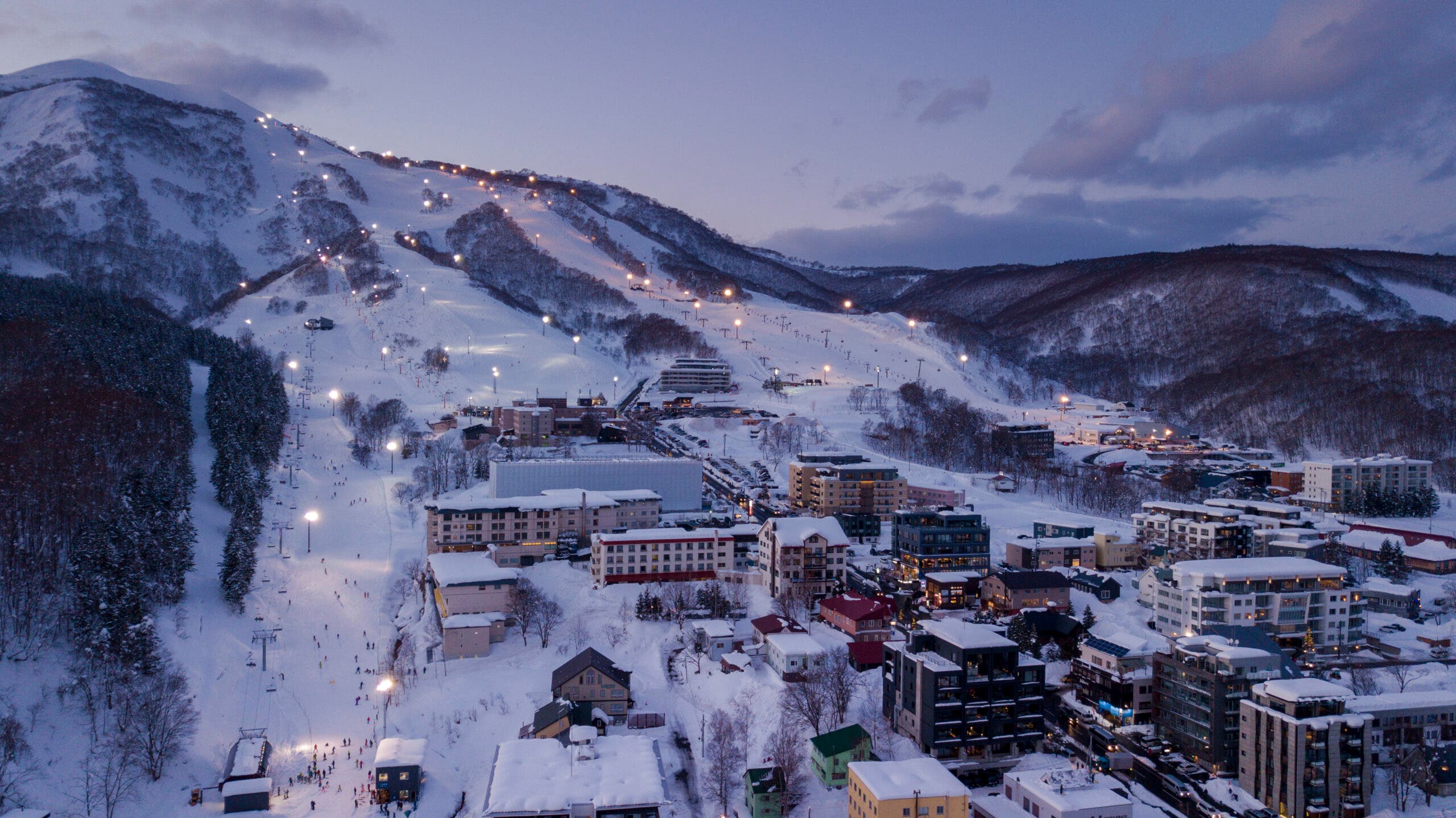
The choice of specific resorts within Japan presents a delightful dilemma, with Hokkaido’s Niseko, known for its deep snow, Furano for its tranquility, and Hakuba for its challenging terrain all being compelling options. "Then comes the hard part. Do I start with Niseko and experience the famous Hokkaido powder? Head to Furano for something a little quieter? Or ski the bigger terrain around Hakuba? I have a feeling there isn’t a wrong answer. I just need to pick a direction and book the trip." Japan’s reputation for “Japow” is well-earned, with annual snowfall often exceeding 500 inches in key regions like Hokkaido, making it a mecca for powder enthusiasts worldwide. The country’s comprehensive public transportation system, including the Shinkansen (bullet train), further facilitates exploration between diverse ski areas, offering a seamless blend of adventure and cultural discovery.
Georgia: A Unique Intersection of Identity and Adventure
Giorgia Menetre, Senior Social Media Strategist, has her sights set on the country of Georgia, a destination that holds a personal resonance due to its name. "Call me vain, but ever since I learned I can ski in a country with the same name as me, I’ve wanted to go," she admitted. This unique connection serves as the initial spark for an exploration of a region less commonly featured on international ski itineraries. "The country of Georgia might not be on everyone’s top destination list, but since I’ve never been to that part of the world, I’d love to check it out, and what better excuse than making it my first cat-skiing trip."
The Caucasus Mountains in Georgia offer a compelling proposition for backcountry enthusiasts, characterized by remote terrain and abundant, untouched powder. "Georgia’s Caucasus Mountains are remote and full of untouched powder potential. Known for legendary tree skiing (often compared to Japan’s), remote villages, and Georgian hospitality." Menetre’s interest was further piqued by a previous SKI Magazine article highlighting cat-skiing in the Georgian village of Bakhmaro, with its distinctive mountain-refuge ambiance. "When we published this article covering cat skiing in the Georgian village of Bakhmaro, with cozy mountain-refuge vibes, I knew I had to get out there." Furthermore, Georgia presents a more budget-friendly option for cat-skiing compared to many established international destinations, making it an attractive proposition for those seeking value and adventure. "Plus, it’s a more budget-friendly destination for cat skiing. If I play my cards right this season, you know where to find me." The burgeoning ski infrastructure in Georgia, particularly in areas like Gudauri, is increasingly attracting international attention, promising a unique blend of challenging backcountry opportunities and rich cultural experiences at a competitive price point.
Broader Implications for the Ski Industry
The collective travel aspirations of the SKI Magazine editorial team offer a valuable barometer for current trends and future directions within the ski industry. The continued allure of established destinations like Telluride, coupled with the growing interest in lesser-known gems like Powderhorn and emerging international locales such as Georgia and Japan, signals a diverse and evolving skier demographic.
The emphasis on authentic experiences, cultural immersion, and sustainable tourism, as highlighted by choices like Mad River Glen and Whitefish, underscores a shift beyond mere on-slope activities. Skiers are increasingly seeking destinations that offer a holistic experience, encompassing local culture, community engagement, and a connection to the natural environment.
The strategic planning evident in these choices also reflects the industry’s ongoing efforts to enhance accessibility and improve the overall guest experience. From airport expansions to new lift infrastructure, resorts are investing in measures that make travel more convenient and on-mountain experiences more enjoyable. This proactive approach is crucial for retaining existing enthusiasts and attracting new generations of skiers and snowboarders. As these experts embark on their carefully curated winter journeys, their experiences will undoubtedly inform and inspire countless others, further shaping the landscape of ski travel for seasons to come.
