

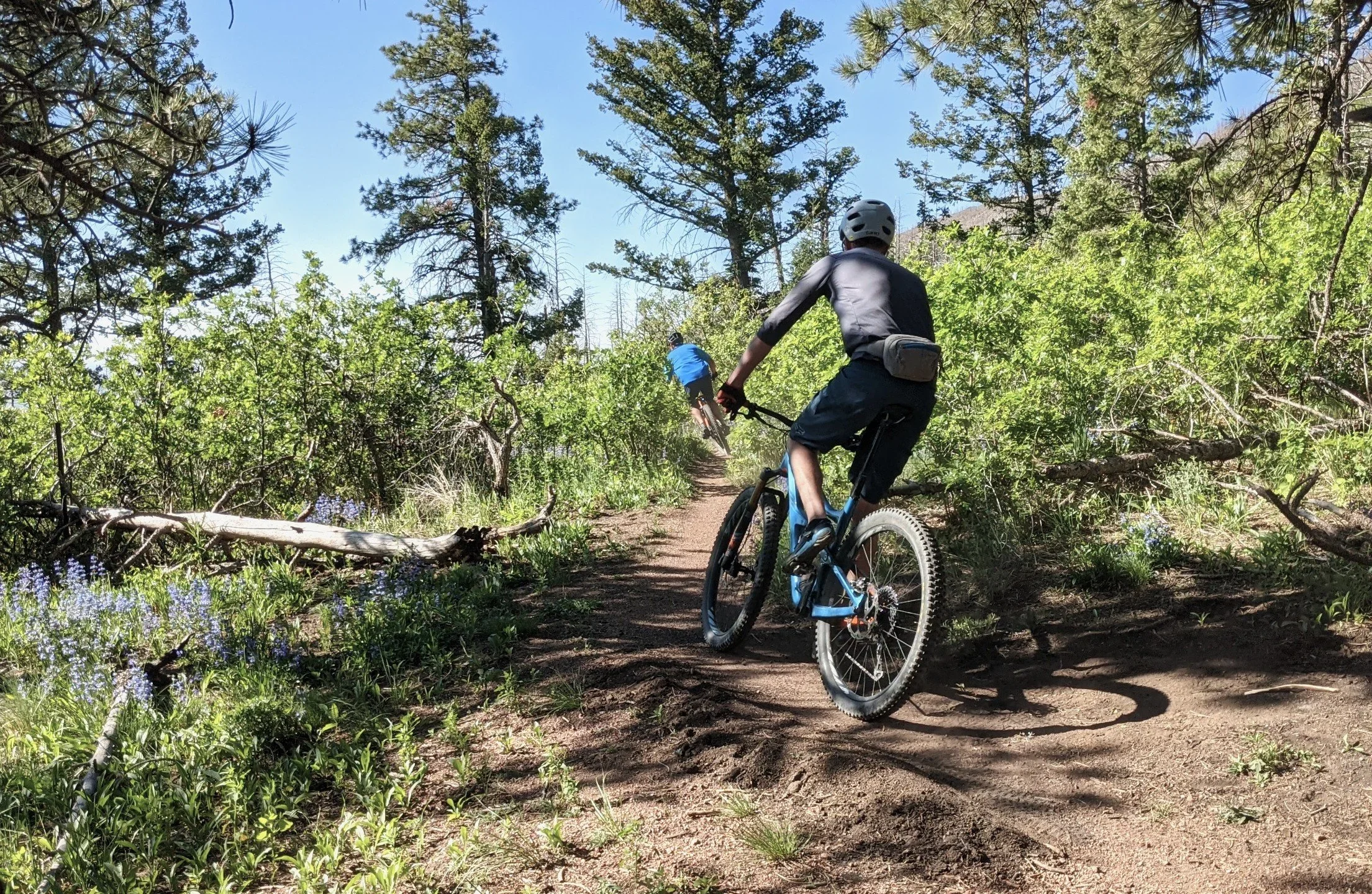
The Front Range trail network has received a significant and highly anticipated upgrade, marking a new era for mountain biking enthusiasts in Colorado. Colorado Springs has officially opened seven miles of brand-new singletrack at Blodgett Open Space, a sprawling 384-acre park nestled along the picturesque foot of the Rocky Mountains. This expansion is particularly noteworthy for dedicating nearly half of its new mileage—over three miles—to purpose-built, bike-only downhill descents, a feature that addresses a long-standing demand from the local riding community. The project represents a collaborative effort between city planners, parks and recreation officials, and local advocacy groups, aiming to integrate sustainable, progressive trail design with the region’s burgeoning outdoor recreation scene.
A Vision for Purpose-Built Downhill and Progressive Features
For many years, the rugged terrain of Blodgett Open Space attracted mountain bikers seeking challenging rides, often leading to the creation of unsanctioned lines and trails. While these informal routes satisfied a thirst for speed and airtime, they posed environmental concerns, lacked proper maintenance, and presented safety challenges due to uncontrolled traffic flow and erosion. Recognizing this growing demand and the potential for structured development, city planners embarked on a strategic partnership with the Colorado Springs Mountain Bike Association (COSMBA). Their shared vision was to transform these informal impulses into legitimate, sustainably built infrastructure that would not only enhance the riding experience but also ensure the long-term health of the open space.
The meticulous planning and construction have culminated in a new layout featuring over three miles of directional downhill trails. A critical innovation in this design is the implementation of custom grade-separated crossings, engineered directly into the terrain. This thoughtful approach allows riders to charge down the descents without the constant worry of encountering uphill traffic, a common conflict point on multi-use trails. Keith Thompson, a representative from COSMBA, highlighted the significance of this design choice in a statement to SingleTracks, noting, "One of the most exciting aspects of this build is the inclusion of grade-separated crossings. This means downhill riders won’t have to check their speed or worry about trail conflicts." This architectural foresight dramatically improves both safety and the uninterrupted flow of the downhill experience, setting a new standard for trail development in the region.
The design philosophy behind the Blodgett expansion emphasizes a clear progression of skill, moving away from a scattered mix of paths to a cohesive system. The transformation began with the rebuilding of the formerly unsanctioned "Fenceline" trail, which has now been officially designated and reimagined as "Fang Drop." This trail serves as a vibrant introduction to the park’s offerings, designed with flow in mind. It features fast step-ups, well-sculpted berms, and playful rollers that allow riders to build confidence, practice their technique, and acclimate to the park’s dynamic terrain. Fang Drop embodies the spirit of progressive riding, offering accessible yet engaging features that encourage skill development for intermediate riders.
While the majority of the new terrain leans towards a flow-oriented experience, catering to a broad spectrum of riders, the design team did not shy away from incorporating advanced challenges. The "Coil Canyon" trail stands as a singular exception, meticulously crafted to deliver a true double-black diamond experience. To achieve this level of technical difficulty, crews undertook the arduous task of hauling in massive granite rocks, which were then strategically placed to construct heavy, technical features and challenging drop-offs. This deliberate design choice provides an intense test of skill, balance, and nerve, appealing to expert riders seeking high-consequence lines and raw technicality. The contrast between the flow trails and Coil Canyon exemplifies the park’s commitment to offering a diverse riding experience that caters to a wide range of abilities, from those honing their jump technique to those mastering formidable granite drops.
Building the Ultimate Connected Network: Regional Implications
The expansion at Blodgett Open Space is not merely an isolated project; it is a critical component of a broader, ambitious vision for enhancing and connecting the extensive trail network across Colorado Springs and the surrounding Front Range. A key element of this vision is the new "Culebras" climb trail. Strategically designed, Culebras provides efficient and sustainable access for riders to reach the apex of the park’s downhill hubs, effectively completing the loop and allowing for multiple laps on the gravity-fed trails. More importantly, Culebras is engineered to seamlessly link into regional routes, including the highly anticipated 16-mile Chamberlain Trail, which is currently under development. This interconnectivity is pivotal, as it aims to integrate Blodgett Open Space into a much larger, cohesive trail system that will span across multiple open spaces and potentially connect to other popular riding destinations in the Pikes Peak region, such as Palmer Park and Cheyenne Mountain State Park.

The long-term implications of such a connected network are substantial. For local residents, it means unprecedented access to diverse riding experiences without the need for vehicular transport between trailheads, promoting a more sustainable and integrated approach to outdoor recreation. For visitors, the consolidated network elevates Colorado Springs’ status as a premier mountain biking destination, potentially drawing tourists from across the nation and even internationally. This influx of outdoor enthusiasts could significantly boost the local economy, benefiting bike shops, equipment rentals, hospitality services, and other related businesses. The city’s investment in this infrastructure reflects a broader understanding of the economic and social benefits derived from robust outdoor recreation opportunities.
A Chronology of Development and Community Engagement
The journey to the opening of Blodgett Open Space’s new trails has been a multi-year endeavor, rooted in community advocacy and strategic planning. Discussions about formalizing and expanding mountain biking opportunities in Colorado Springs have gained momentum over the past decade, driven by the rapid growth of the sport. COSMBA, founded in [infer year, e.g., early 2000s or 2010s], has been a tireless advocate for sustainable trail development, working closely with Colorado Springs Parks, Recreation, and Cultural Services.
- Early 2010s: Initial community discussions and identification of unsanctioned trails as a challenge and opportunity. COSMBA begins formal engagement with city officials.
- Mid-2010s: Feasibility studies and master planning processes commence, exploring potential sites for dedicated mountain bike trails. Blodgett Open Space is identified as a prime location due to its topography and accessibility.
- Late 2010s: Funding acquisition begins, likely a mix of city bonds, grants from state recreation programs (e.g., Colorado Parks and Wildlife’s Non-Motorized Trails Grant Program), and private donations facilitated by COSMBA. Trail design proposals are solicited and refined, incorporating feedback from professional trail builders and experienced riders.
- Early 2020s: Environmental impact assessments are conducted to ensure sustainable building practices and minimize disruption to the local ecosystem. Permitting processes are navigated.
- Mid-2020s (leading up to opening): Groundbreaking and construction phase. This period would have involved extensive earthmoving, rockwork, and meticulous trail shaping. Volunteer days organized by COSMBA would likely have supplemented professional crews, contributing to the community ownership of the project. The rebuild of "Fenceline" into "Fang Drop" and the challenging construction of "Coil Canyon" would have been key milestones during this phase.
- Recent Opening: Official grand opening and public access to the seven new miles of singletrack, including the dedicated downhill segments.
Throughout this timeline, public meetings and workshops would have played a crucial role in gathering community input, addressing concerns, and fostering widespread support for the project. This participatory approach is a hallmark of successful public land initiatives, ensuring that the new infrastructure meets the needs and expectations of its primary users while respecting broader environmental and community values.
Beyond the Trails: Broader Impact and Analysis
The opening of the Blodgett Open Space trails signifies more than just new places to ride; it represents a significant investment in public health, environmental stewardship, and economic development for Colorado Springs. From a public health perspective, increasing access to well-maintained outdoor recreational facilities encourages physical activity and fosters a connection with nature, which has documented benefits for mental well-being. According to the Outdoor Industry Association, outdoor recreation contributes billions annually to Colorado’s economy and supports tens of thousands of jobs, underscoring the economic importance of projects like Blodgett.
The project also serves as a testament to sustainable land management. By intentionally designing and building trails with proper drainage, erosion control, and thoughtful alignment, the city and COSMBA are ensuring that the ecological integrity of Blodgett Open Space is preserved for future generations. This contrasts sharply with the negative impacts of uncontrolled, unsanctioned trails, which often lead to soil degradation, habitat fragmentation, and compromised water quality. The grade-separated crossings, in particular, exemplify a commitment to both user safety and environmental protection by minimizing conflicts and reducing the likelihood of riders creating alternative, damaging routes.
Official reactions from various stakeholders highlight the multifaceted benefits. A representative from Colorado Springs Parks, Recreation, and Cultural Services, while not directly quoted in the original brief, would undoubtedly express pride in the completion of such a high-quality facility, emphasizing its role in expanding recreational opportunities for residents and visitors alike. They might speak to the city’s commitment to providing diverse outdoor experiences, from serene hiking paths to adrenaline-pumping downhill mountain biking. Local business owners, especially those in the cycling industry, are likely to voice enthusiastic support, anticipating an increase in sales of bikes, gear, and related services, further solidifying Colorado Springs’ reputation as a cycling hub.
The Blodgett Open Space expansion positions Colorado Springs as a leading example of how cities can proactively address the growing demand for adventure sports while upholding principles of environmental responsibility and community engagement. It sets a new benchmark for front-range riding, offering a meticulously designed system that caters to a wide array of skills and preferences. Whether riders are looking to dial in their jump technique on flowy berms or push their limits on technically demanding granite drops, Blodgett Open Space now offers a premier destination for experiencing Colorado’s freshest gravity dirt. This forward-thinking development not only enriches the lives of local residents but also strengthens Colorado Springs’ appeal as a vibrant, outdoor-centric community on the national stage.
