

The realm of snowsports instruction is constantly evolving, driven by a commitment to optimize learning outcomes and elevate the student experience. A cornerstone of this evolution lies in refining methodologies for movement analysis and the introduction of new skills. In the Fall 2025 Issue of 32 Degrees, esteemed instructors J. Scott McGee and Jacob Crawford shed light on a transformative approach to the widely recognized Static, Simple, Complex, Applied (SSCA) framework, initially detailed in the Teaching Snowsports Manual. Their work proposes a dynamic interpretation of this four-phase process, shifting it from a purely linear progression to a versatile set of lenses for both diagnosing skill gaps and strategically structuring lessons. This re-envisioned SSCA strategy aims to equip snowsports professionals with a more precise, adaptable, and ultimately more effective toolkit for guiding students toward their skiing aspirations.
The Foundational SSCA Framework: A Traditional View
To fully appreciate McGee and Crawford’s dynamic reinterpretation, it is essential to first understand the traditional, linear progression of the SSCA framework as outlined in instructional manuals. This methodology provides a structured pathway for introducing new movement patterns, breaking down complex skills into manageable, progressive steps.
The Static Phase serves as the initial gateway to a new movement. In this stage, students engage with the desired action without the inherent complexities and balance challenges of sliding on snow. The objective is to isolate the movement, allowing students to concentrate purely on the physical sensations, muscle engagement, and kinesthetic awareness associated with it. For instance, if the goal is to enhance edge angulation through leg tipping, a student might practice tipping their knees and ankles while standing still, perhaps even using a ski pole for balance, to feel the specific joint movements and their impact on an imaginary ski. This phase removes the external distractions of speed, gravity, and terrain, creating a controlled environment for fundamental motor learning.
Following the static introduction, the Simple Phase transitions the newly learned movement onto the snow, but in a simplified context. This typically involves practicing the movement during a traverse, a straight run, or a single, isolated turn. The aim here is to allow students to gain comfort and initial proficiency with the movement while sliding, without the added demand of linking turns or navigating varied terrain. For example, after practicing leg tipping statically, a student might perform a long traverse across the slope, consciously applying the tipping motion to vary their edge angle. This incremental increase in complexity helps bridge the gap between static understanding and dynamic application, reinforcing the connection between the movement and its effect on the skis while minimizing cognitive overload.
The Complex Phase marks the integration of the new movement into linked turns. At this stage, instructors introduce drills and activities that require students to consistently apply the learned movement within the flow of continuous skiing. This is where the "bag of tricks" comes into play, as instructors select specific drills – such as railroad track arcs, garland turns, or pivot slips – that emphasize the fundamental movement pattern in a dynamic, turning context. The challenge for students is to internalize the movement sufficiently to execute it repeatedly and fluently across multiple turns, developing muscle memory and refining their timing and coordination. The objective is to solidify the new skill as a repeatable component of their turning repertoire.
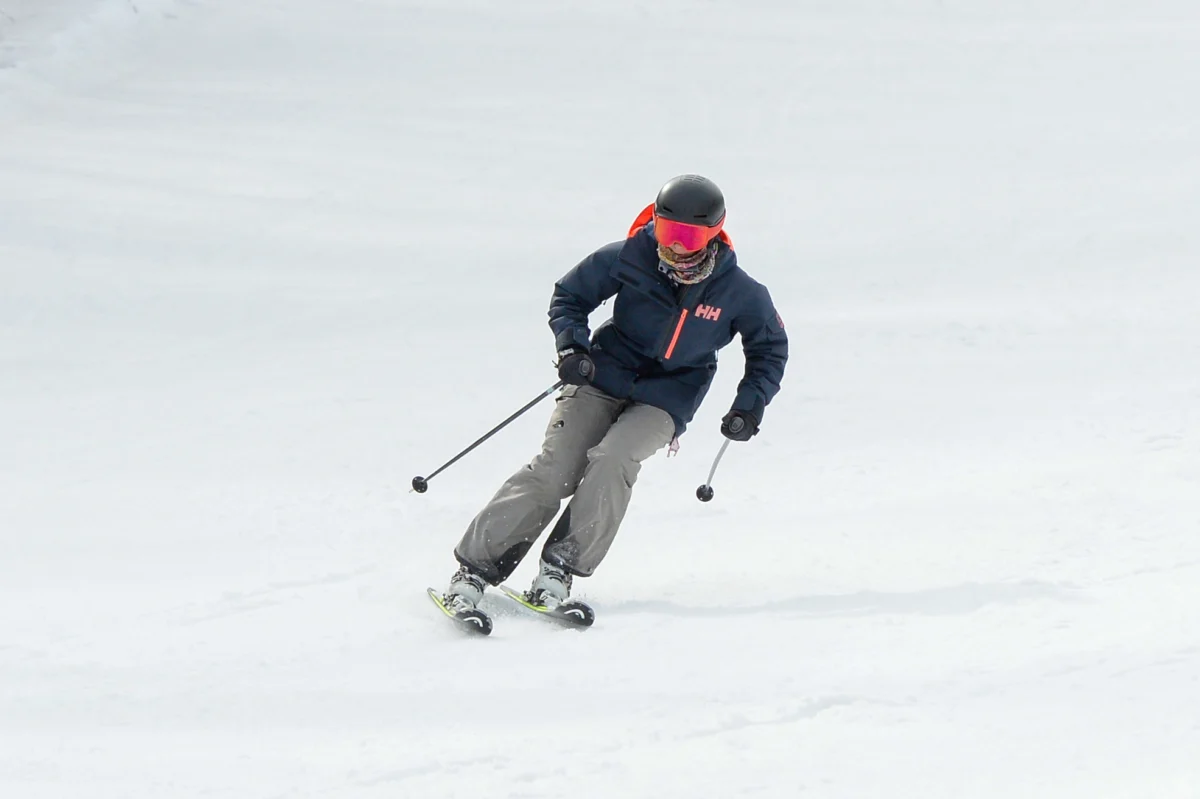
Finally, the Applied Phase brings the learning experience full circle, returning the student to their "normal" skiing environment. In this phase, students practice the new movement within the context of the terrain and conditions they typically ski, reinforcing the learning in a practical, real-world setting. This could involve skiing a groomed blue run, navigating bumps, or tackling powder, depending on the student’s goals and the specific skill being developed. The applied phase is crucial for ensuring that the new movement is not just a drill-specific skill but an integrated, functional element of their overall skiing technique, allowing them to adapt and perform effectively in diverse situations.
A Dynamic Paradigm: SSCA as Lenses for Movement Analysis and Instruction
While the linear progression of SSCA is a powerful teaching tool, McGee and Crawford advocate for a more dynamic and flexible interpretation, proposing that these four phases can also serve as powerful "lenses" through which instructors can conduct movement analysis (MA) and design highly tailored lessons. This dynamic view fundamentally redefines how instructors approach problem-solving and skill development on the slopes.
The Applied Phase as the Initial Diagnostic Lens
McGee and Crawford propose that movement analysis should optimally begin through the lens of the Applied Phase. This means observing students in their natural skiing environment, executing the turns they want to improve, in the terrain they want to ski better. Whether it’s basic parallel turns, carving, or bump skiing, initiating MA in this setting ensures that the instructor’s observations and subsequent interventions are directly aligned with the student’s stated goals and perceived challenges. This approach immediately grounds the lesson in relevance for the student, fostering motivation and engagement.
For example, if a student expresses a desire to "ski bumps better," the instructor would observe them skiing bumps. This initial observation through the applied lens allows the instructor to identify overarching performance issues. They might notice inconsistencies in turn shape, difficulty absorbing terrain, or a general lack of control. This broad perspective helps orient the instructor’s attention to the movements that, if made more effective or efficient, would have the greatest impact on achieving the student’s stated goal. An added benefit of starting MA in this phase is its utility as a benchmark: repeating the same activity at the end of the lesson can dramatically highlight the progress made, providing tangible evidence of improvement and boosting student confidence.
However, while the applied lens effectively identifies what needs improvement, the initial list of potential issues can still be extensive – far too many to address in a single lesson. This necessitates a "higher resolution" lens to pinpoint the root causes of these observed performance deficits.
The Static Phase as the High-Resolution Diagnostic Lens
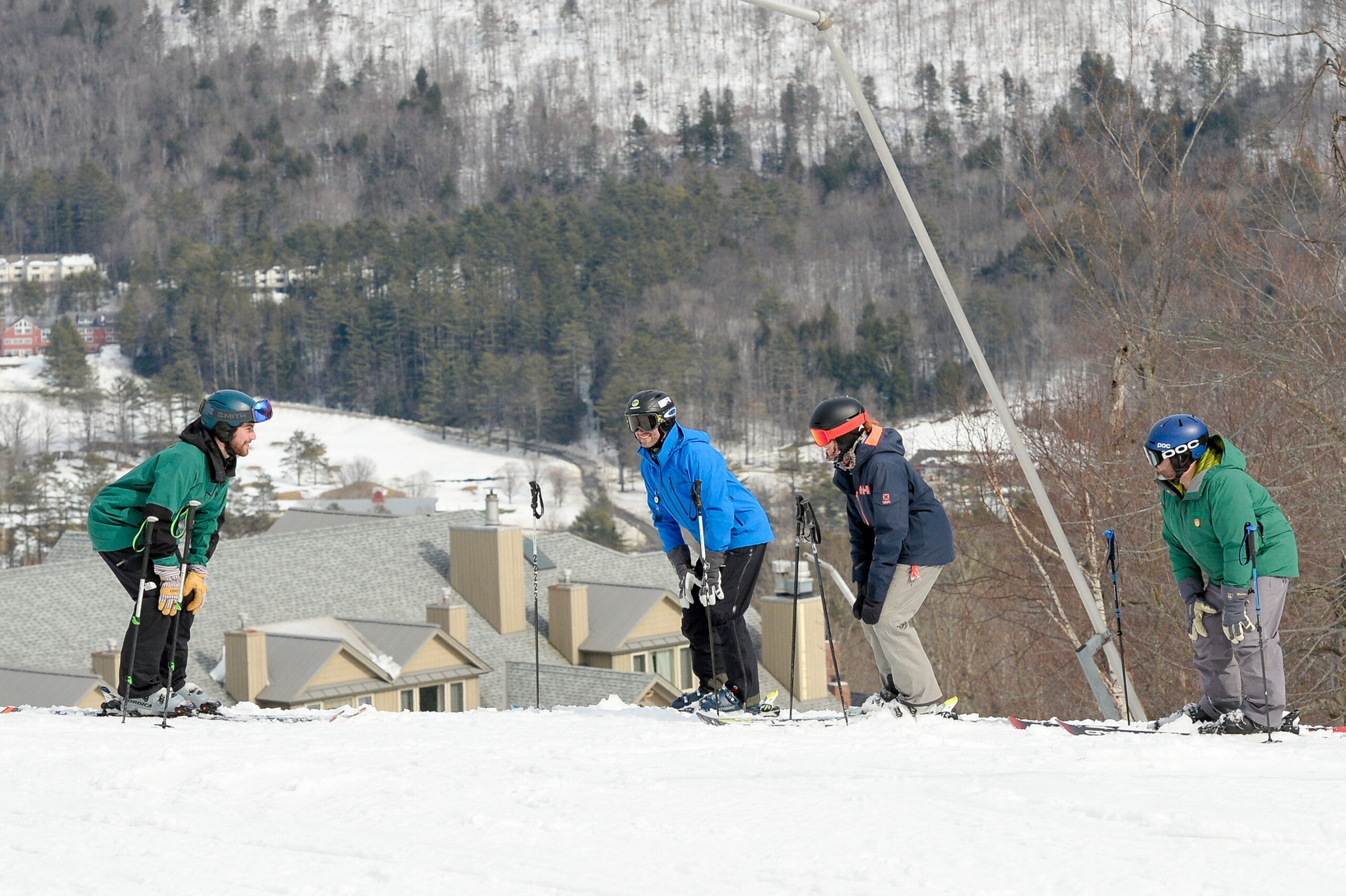
This is where McGee and Crawford introduce the pivotal role of the Static Phase as a diagnostic tool. Once the applied lens has identified broad areas for improvement, the static lens allows instructors to zoom in and identify specific, isolated cause-and-effect relationships between individual body movements and ski performance outcomes. The critical question posed by the authors is: "Can I replicate this movement while standing still?" If a observed movement cannot be replicated in a static, isolated manner, it suggests that the instructor has not yet reduced the issue to its most fundamental, single cause-and-effect component.
Consider the example provided in the article: a student named Heather exhibiting different edge angles on her inside and outside skis, with her legs not tipped equally. Through the static lens, an instructor can isolate the cause-and-effect relationship between tipping the legs and the resulting edge angles. This can be replicated by having Heather stand still and consciously tip her knees using her hands for guidance. This static replication clarifies that the uneven edge angle is not necessarily a complex balance issue, but potentially a simpler deficiency in isolated leg tipping. While some dynamic movements are untenable statically (e.g., extreme angles or movements requiring momentum), the core principle remains: can the fundamental action be isolated and replicated, even if its magnitude is reduced or external support (like a prop or a friend) is needed?
This rigorous application of the static lens ensures that the identified "problem" is genuinely a single, actionable movement. For instance, if a student struggles with fore-aft balance, an instructor might use the static phase to identify if the issue stems from an inability to flex their ankles, or perhaps an over-reliance on hip movement. By isolating these movements statically, the instructor gains clarity on the precise physical adjustment required, moving beyond vague observations to concrete, teachable actions. This precision is paramount for effective instruction, as it prevents instructors from addressing symptoms rather than root causes.
The Complex and Simple Phases as Strategic Building Blocks for Change
Once the specific movement to be changed has been precisely identified using the applied and static lenses, the Complex and Simple phases transition from diagnostic tools to strategic building blocks for implementing change. This is where the instructor’s pedagogical skill comes to the fore, selecting and sequencing activities to facilitate learning.
The Complex Phase becomes the primary arena for introducing and practicing the new movement pattern within a turning context. Drawing from their "bag of tricks," instructors select drills that specifically emphasize the identified fundamental. If the static analysis revealed a need for improved leg tipping to achieve consistent edge angles, the instructor might introduce a drill like "railroad track arcs" or "phantom turns." These drills are designed to create an environment where the student is encouraged or even compelled to execute the desired tipping movement repeatedly across linked turns. The goal here is to develop the motor skill and coordination necessary for the new movement to become integrated into their skiing. The complex phase challenges the student to apply the isolated movement dynamically, building proficiency and confidence in a controlled, turning scenario.
The Simple Phase, in this dynamic model, acts as a crucial bridge between the complex drill and the isolated movement identified in the static phase. It reduces the complexity of the chosen drill to a single turn, traverse, or straight run, allowing the student to clearly connect the new movement to the specific outcome in a less demanding context. For instance, if the complex phase involved railroad track arcs, the simple phase might involve practicing a single, long arc, with the instructor explicitly directing the student to focus on the leg tipping action felt in the static phase. This simplification helps students solidify their understanding of how the isolated movement translates into performance on snow, reinforcing the cause-and-effect relationship before they are asked to apply it continuously in complex, linked turns. It serves as a vital feedback loop, ensuring clarity and comprehension at each step.
Broader Impact and Implications for Snowsports Instruction
The dynamic SSCA framework championed by McGee and Crawford represents a significant refinement in snowsports instruction, with far-reaching implications for both instructors and students.
Enhanced Instructor Effectiveness and Professional Development: This refined methodology empowers instructors to move beyond intuition or a rote application of drills. By providing a structured yet flexible framework for movement analysis, it enables instructors to diagnose issues with surgical precision and design lessons with clear, targeted objectives. This elevates the professionalism of snowsports instructors, equipping them with a robust, evidence-based approach to teaching. Articles like these, published in professional journals such as 32 Degrees, underscore the ongoing commitment within organizations like PSIA-AASI (Professional Ski Instructors of America and American Association of Snowboard Instructors) to foster continuous learning and elevate teaching standards.
Improved Student Learning Outcomes and Satisfaction: For students, the dynamic SSCA approach translates into a more efficient and effective learning experience. When instructors can pinpoint the exact movement causing a performance issue and then introduce the corrective action through a carefully sequenced progression, students experience faster progress and a clearer understanding of why they are doing specific drills. This clarity and success foster greater motivation, satisfaction, and a higher likelihood of continuing their snowsports journey. The ability to demonstrate progress concretely, especially by revisiting the applied phase at the lesson’s end, reinforces the value of the instruction.
Adaptability and Customization: The dynamic nature of viewing SSCA as lenses and building blocks allows for unparalleled adaptability. Instructors can seamlessly jump between phases based on student response, learning styles, and specific challenges. If a student struggles with a complex drill, the instructor can immediately revert to a simpler phase or even a static isolation to clarify the movement, rather than pushing through frustration. This flexibility ensures that lessons are truly tailored to the individual in front of them, maximizing engagement and learning retention.
Moving Beyond "Drill for Drill’s Sake": A common pitfall in instruction can be the application of drills without a clear understanding of their specific purpose in addressing a student’s particular movement flaw. The dynamic SSCA framework combats this by demanding that instructors first conduct rigorous analysis (via applied and static lenses) before selecting any drill. Every activity chosen in the complex or simple phases is then directly linked to a precise, identified movement goal, ensuring that every minute of the lesson is purposeful and productive.
Reinforcement Through Resources and Community Engagement: The mention of the Teaching Snowsports Manual and the First Chair Podcast highlights the interconnected ecosystem of professional development within the snowsports community. These resources serve as vital platforms for disseminating innovative ideas, fostering discussion, and providing practical applications of theoretical frameworks. The podcast episode, "Build Better Lessons: A Smarter Way to Create Progressions," directly builds upon the written article, offering instructors an auditory and visual dimension to further explore and internalize the SSCA strategy. This multi-modal approach to professional education ensures that instructors have ample opportunities to engage with and master these advanced teaching methodologies.
In conclusion, J. Scott McGee and Jacob Crawford’s dynamic reinterpretation of the Static, Simple, Complex, Applied framework represents a significant step forward in snowsports instruction. By transforming SSCA from a rigid, linear progression into a flexible and powerful set of diagnostic and instructional lenses, they offer instructors a more precise, adaptable, and ultimately more effective methodology. This approach not only refines the process of movement analysis but also empowers instructors to design highly targeted, student-centric lessons, fostering greater skill acquisition and enhancing the overall enjoyment of snowsports for enthusiasts worldwide.
