

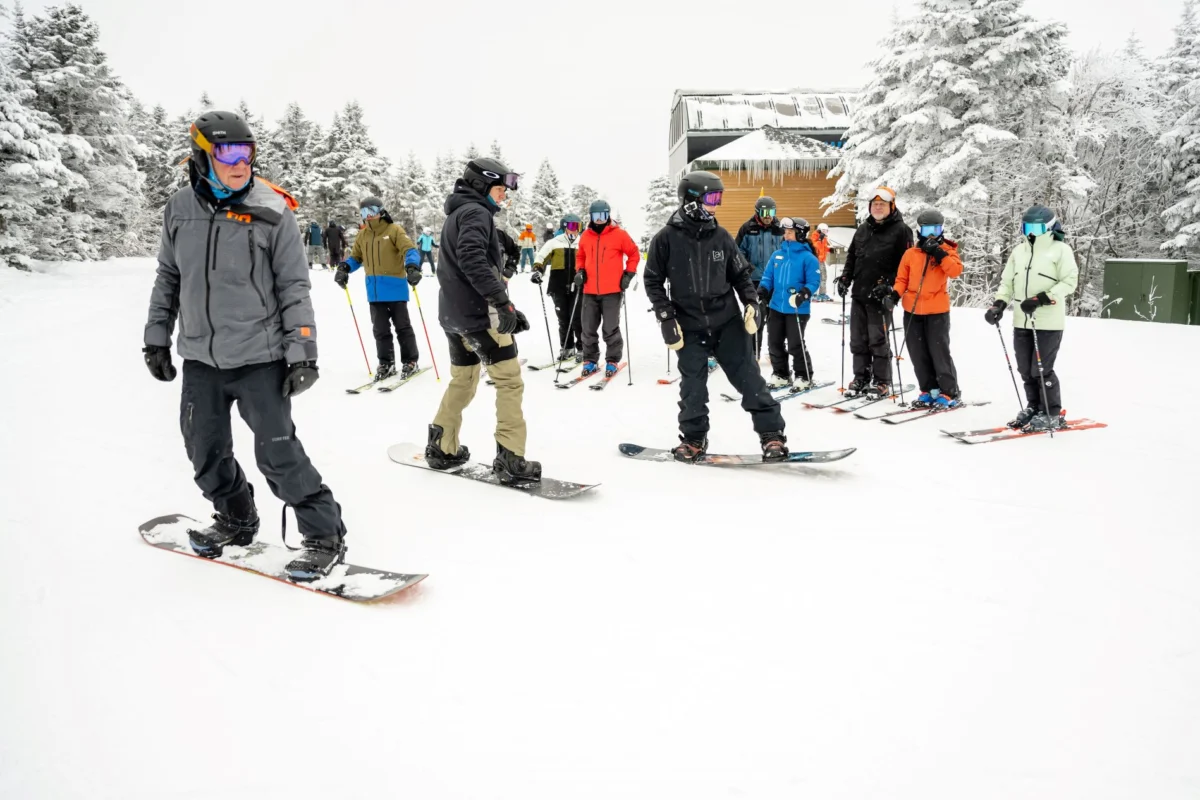
Snowsports instructors across the globe often experience lives dictated by the pronounced rhythms of seasonal change. This cyclical existence influences everything from daily wardrobes and vehicle preparations to leisure pursuits and professional engagement. The intense winter period, characterized by meticulous gear maintenance, frequent mountain excursions, fostering camaraderie within snowsports communities, and passionately teaching individuals to embrace the joy of sliding on snow, eventually transitions into warmer seasons. During these months, skis and snowboards are often swapped for kayaks or bicycles, days are spent navigating hiking trails, scaling rock faces, or seeking relaxation by the water. This inherent seasonality underscores a critical aspect of professional life: the need for adaptability and continuous development that mirrors the natural world’s cycles of growth and renewal.
Drawing Parallels from the Natural World: Lessons in Growth and Resilience
This intrinsic cyclical nature recently came into sharp focus during a quintessential summertime ritual: weeding a flagstone patio. This seemingly mundane task, involving hands-and-knees labor, provided a vivid biological analogy for professional development. Just as snowsports instructors navigate the distinct phases of their professional year, plants in temperate zones undergo their own cyclical transformations. As the instructor winds down from the exhaustive demands of winter, the plant kingdom, often unnoticed, begins to kick into high gear, preparing for its peak growth phase.
The period of dormancy observed in both nature and human endeavors is not one of stasis but rather a crucial phase for replenishment of depleted energy reserves, for healing and repair, and for strategic preparation for the subsequent period of activity. Unbeknownst to the instructor, while their winter calendar was a whirlwind of activity from November through April, the patio flora had been silently, yet diligently, establishing and securing its grip in the earth, a testament to unseen, foundational growth.
The physical act of pulling, digging, and grappling with these tenacious plants brought forth lessons from the biology classroom, particularly concerning root systems. Plant roots are broadly categorized into two structural types: taproots and fibrous roots. Taproots are distinguished by a single, thick primary root that penetrates deep into the soil, exemplified by plants like carrots. This structure provides robust anchorage and access to deeper water and nutrient reserves, making the plant highly resilient in certain conditions, such as drought. In contrast, fibrous root systems form extensive, shallow networks composed of numerous smaller roots, characteristic of grasses. This architecture allows for efficient absorption of surface water and nutrients and provides excellent soil stabilization, particularly against erosion. Both structural designs represent highly successful evolutionary strategies, demonstrating distinct strengths and pathways to thrive. Importantly, both types of systems contribute significantly to the overall resilience of the plant and its ecosystem.
The PSIA-AASI Framework: Navigating Professional Development Paths
Within the context of snowsports instruction, the Professional Ski Instructors of America and American Association of Snowboard Instructors (PSIA-AASI) plays a pivotal role in guiding professional development. As an education development manager for the organization, discussions frequently revolve around the continuous process of building knowledge and skills that not only enriches individual lives but also expands professional mindsets and capabilities. These conversations often underscore the substantial value that PSIA-AASI credentials bring to individual members and the snowsports schools they serve.
A common point of discussion, and one that resonates deeply with the biological analogy of root systems, concerns the comparative value of different credentialing paths. For instance, is there an inherent superiority in holding a certified Level III instructor credential in a single discipline, versus an instructor who possesses a Level II certification in one discipline, a Level I in another, and additionally holds specialist credentials such as Children’s Specialist 1 (CS1) or Freestyle Specialist 1 (FS1)? The question often posed is, which path is "better"? The insights gleaned from the patio plants suggest a more nuanced understanding.
Celebrating the Breadth: The Indispensable Role of Generalists
Society frequently bestows a higher reverence upon specialists, with the very term often implying exceptionality or pinnacle achievement. In academia, these individuals are those with terminal degrees; in the snowsports instruction realm, they are typically the certified Level IIIs. It is crucial to state that there is no intent to diminish the profound dedication of those who pursue deep mastery in a specific area of study. Rather, the objective is to champion and celebrate the generalists: the versatile individuals who are proficient in multiple trades. These "jacks and jills" of all trades often dedicate comparable amounts of time, energy, and effort as their specialist counterparts, but they do so by engaging with and comprehending a broader spectrum of topics and disciplines.
In biology, the terms "specialist" and "generalist" precisely describe species’ ecological strategies. Specialist species occupy narrow ecological niches, typically having a limited diet and inhabiting a particular geographical range. They are exceptionally adept at what they do within their specific confines. Examples include wolves, which primarily prey on ungulates, and koalas, whose diet is almost exclusively eucalyptus leaves. Generalist species, conversely, possess a diverse diet and can inhabit a wide range of environments, demonstrating remarkable adaptability. They, too, are exceptionally good at what they do, but across a broader spectrum. Coyotes, with their varied diet and ability to thrive in diverse habitats, and dandelions, which can grow almost anywhere, serve as prime examples. Both strategies are demonstrably successful, and critically, both contribute distinctively and significantly to the health and resilience of their respective ecosystems.
Consider the ecological contributions: Wolves help regulate elk populations, thereby reducing grazing pressure on vegetation and allowing diverse plant communities to flourish. Koalas, through their selective eucalyptus consumption, prune the forest canopy, which in turn allows more sunlight to reach understory plants, fostering greater biodiversity. Coyotes, as opportunistic predators and scavengers, play a vital role in nutrient recycling by consuming carrion. Dandelions, often disparaged as mere weeds, are, in fact, one of the earliest and most reliable food sources for pollinators each spring, supporting the initial phases of insect life cycles essential for wider ecosystem health. Different organisms, different roles, different contributions – all are fundamentally important to the overall ecological balance.
It is not uncommon to hear snowsports instructors express self-deprecating sentiments, describing themselves as "just a Level II and CS1" or "only a Level I in alpine and snowboard." This erroneous self-assessment often stems from a societal bias towards specialization. However, a dandelion would never label itself a "weed"—nor would the bees that depend on its nectar for energy and pollen for protein, simultaneously pollinating countless other plants. Similarly, white clover, another plant frequently dismissed as a weed, along with other legumes, plays an invaluable role in enriching soil by fixing atmospheric nitrogen, making it available to non-leguminous plants and, indirectly, to humans who require it but cannot access it in its gaseous form. Even moles, often seen as pests, aerate the soil and improve water infiltration, benefiting myriad subterranean organisms. These examples powerfully illustrate that value is inherently dependent on perspective.
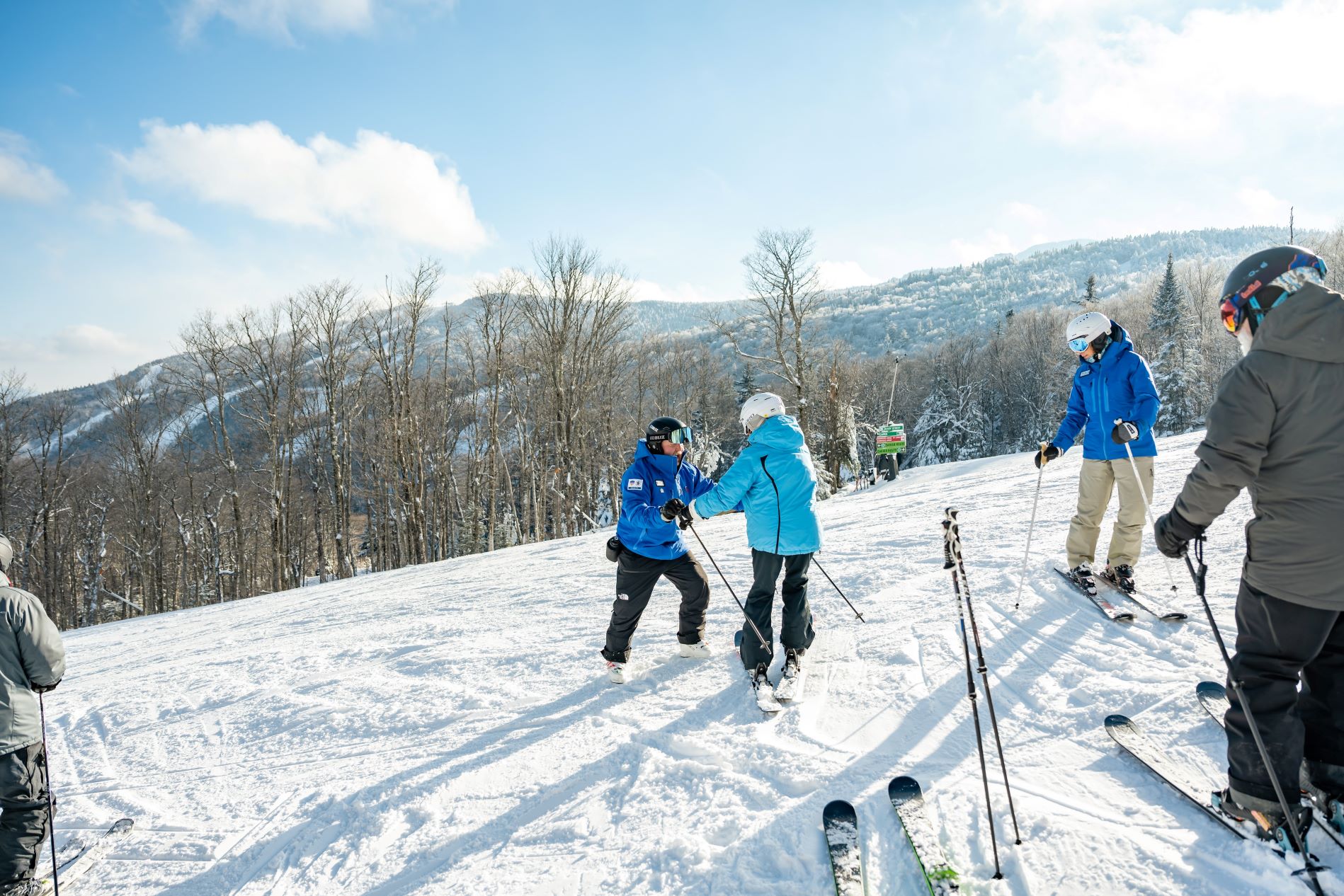
The perception of terminal degrees in academia or Level III certification in snowsports as the absolute pinnacles of achievement and ultimate authorities, while valid in their specific contexts, presents an incomplete perspective. In education, PhDs often provide the foundational research and theoretical frameworks, while teachers are the practitioners who bring these theories to life in the classroom. Researchers and practitioners, though distinct, serve equally essential and complementary roles within the same educational ecosystem.
The same principle applies directly to snowsports education. A Level III instructor may be the unequivocally optimal choice for delivering a highly demanding technical bump lesson on steep terrain, requiring deep specialized expertise. However, an instructor holding a Level I alpine, Level I snowboard, Children’s Specialist 1 (CS1), and Freestyle Specialist 1 (FS1) credential might be uniquely suited for a multi-discipline family lesson involving students of varying ages, skill levels, and interests. In such a scenario, the generalist instructor’s breadth of knowledge and adaptability can provide a more cohesive, engaging, and effective learning experience. Different credentials, different strengths, different contributions – all are integral to the robust functioning of the same snowsports education ecosystem.
Industry Trends and Demand: A Holistic View of Instructor Needs
Analysis of current trends within the snowsports industry consistently reveals a growing appreciation for a diverse instructor workforce. Snowsports schools, in particular, benefit immensely from having a balanced mix of specialists and generalists on their staff. While Level III instructors are indispensable for high-performance clinics, advanced race coaching, and peer instructor training, generalists are often the backbone of daily operations. They are crucial for handling busy weekend crowds, delivering diverse family lessons, managing popular children’s programs, and providing foundational beginner instruction across multiple disciplines (ski, snowboard, telemark, adaptive).
This diversity directly impacts the student experience. Generalist instructors can seamlessly cater to families with mixed interests, ensuring that parents on skis and children on snowboards can learn together or from the same adaptable instructor, fostering a more integrated and positive experience. Specialists, conversely, offer the deep technical insights and refined methodologies required by advanced students aiming to master specific techniques or disciplines. From a recruitment and retention standpoint, valuing and promoting generalist pathways can attract a broader pool of talent to the profession, as not every aspiring instructor necessarily aims for, or has the opportunity to achieve, Level III certification. This inclusive approach also contributes to career longevity by offering varied roles and opportunities for continuous skill acquisition without the singular pressure of deep specialization. Industry observations suggest that schools with a diverse instructor portfolio demonstrate greater staffing flexibility, a critical advantage in managing fluctuating demand and accommodating evolving student demographics.
Strategic Career Pathways: Cultivating Personal and Professional Growth
Like the ongoing process of weeding a garden, professional development is most effective when approached as a continuous journey. As snowsports instructors transition through their summer dormancy, a period for replenishing energy, healing, and preparing for the upcoming winter, it is an opportune time to reflect on and strategize their personal development path.
What are one’s intentions for the forthcoming season? Instructors are encouraged to consider their personal interests and how these align with the operational needs and educational philosophy of their snowsports school. Are they naturally inclined to be more of a taproot, seeking to drill down, achieve mastery, and offer profound expertise in a single discipline? Or do they resonate more with the fibrous root system model, preferring to spread broadly, forge connections among a wide range of experiences, disciplines, and student types? Both approaches yield unique strengths and contribute distinctively. The PSIA-AASI framework supports both. Hypothetical statements from PSIA-AASI leadership often emphasize this organizational philosophy: "Our core mission at PSIA-AASI is to empower every instructor to discover and pursue their unique path to excellence, whether that involves deep specialization or broad versatility. We provide the resources and frameworks to support both journeys, recognizing that a vibrant profession thrives on diversity," a representative might articulate.
Instructors can leverage various resources for their growth, including mentorship programs, continuing education workshops, specialized clinics, and peer-to-peer learning opportunities. Self-assessment can help identify one’s natural inclination towards deep expertise or broad applicability. The ultimate lesson from nature remains constant: resilience in any ecosystem, be it biological or professional, is forged through continuous growth, and the health and vitality of that ecosystem are fundamentally dependent on the rich variety found within its developmental pathways.
Broader Implications: A Resilient Future for Snowsports Education
The implications of embracing diverse professional development pathways extend far beyond individual instructors and specific snowsports schools. A diverse instructor workforce contributes to a more resilient, adaptable, and comprehensive snowsports education system as a whole. This diversity ensures better matching of instructors to the nuanced needs of students, leading to more effective learning outcomes and greater student satisfaction.
For the snowsports industry, valuing both specialists and generalists helps attract and retain a wider range of talent, ensuring a robust pipeline of qualified educators. It fosters innovation, as generalists often cross-pollinate ideas and techniques between disciplines, while specialists push the boundaries of knowledge within their specific fields. A monoculture of specialists, while excelling in certain areas, could leave significant gaps in addressing broader educational needs or adapting to evolving student demographics and market trends. Conversely, a varied "ecosystem" of instructors is inherently more robust and capable of thriving amidst change.
Ultimately, whether an instructor’s professional journey unfolds like the deep, anchoring penetration of a taproot or the expansive, interconnected network of a fibrous system, the overarching principle holds true: true resilience and a thriving professional ecosystem are cultivated through continuous, varied growth and the unwavering recognition and celebration of every unique contribution. This holistic perspective ensures that the snowsports industry remains dynamic, inclusive, and effective in sharing the joy of sliding on snow with future generations.
