

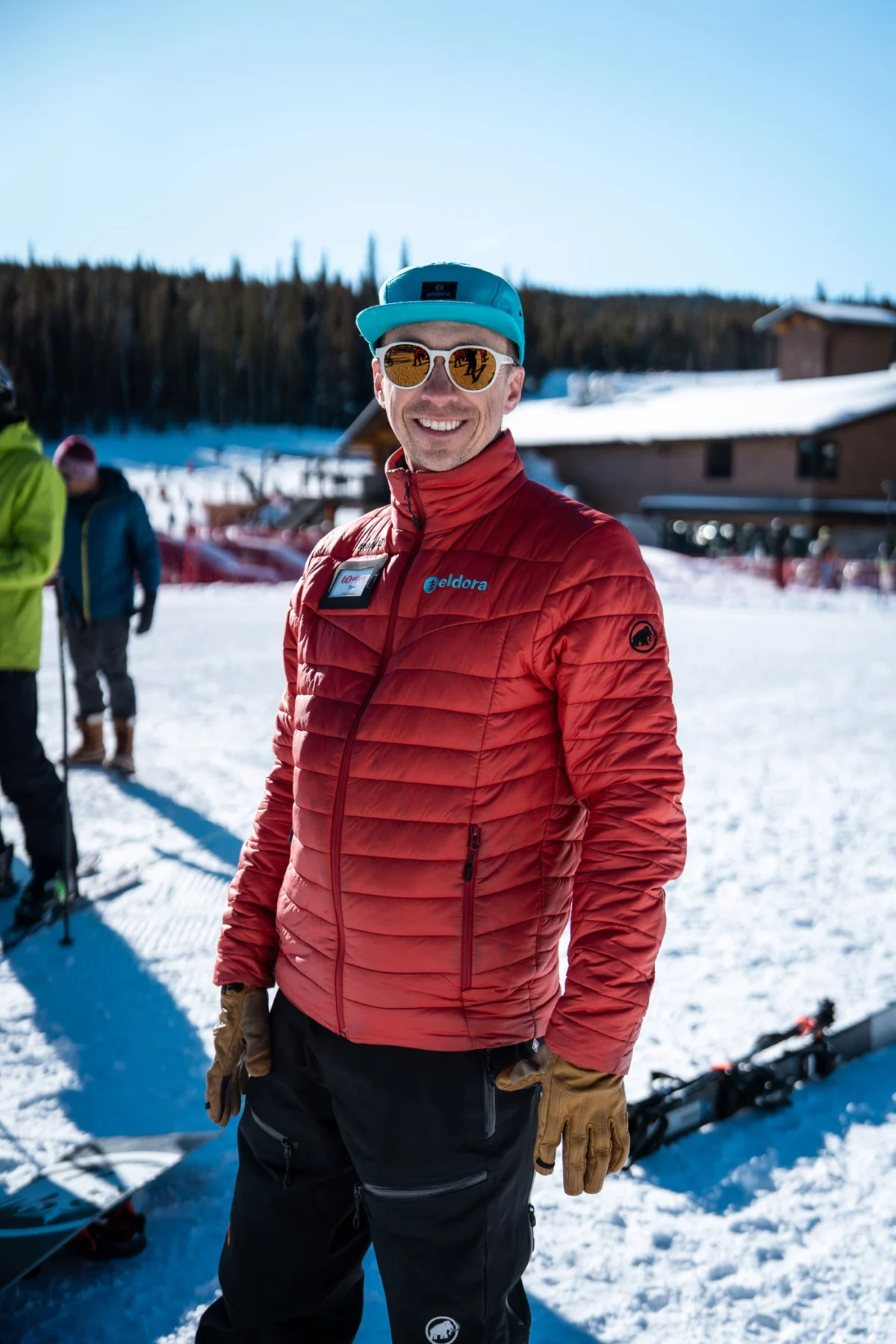
Boulder County, CO – In the dynamic world of snowsports, where passion meets profession, effective leadership is paramount to fostering not only skill development but also a thriving community. At the heart of Eldora Mountain, nestled in Colorado’s scenic Boulder County, Ski and Ride School Director Tim Kenney is meticulously cultivating an environment that transcends the traditional instructional model, drawing inspiration from the cherished, unifying spirit of summer camp. Since taking the helm in January 2023, Kenney has leveraged decades of experience, a rich tapestry of mentorship, and a deep understanding of human psychology to transform Eldora’s snowsports school into a beacon of camaraderie, professionalism, and empathetic leadership.
The allure of summer camp, with its promise of carefree days, newfound friendships, and skill acquisition amidst a backdrop of shared outdoor adventures, often forms indelible memories. Kenney vividly recalls these formative experiences, drawing a direct parallel to the diverse collective of instructors he now leads. "People come from all over the place to attend summer camp," Kenney observed, highlighting the inherent diversity. "They come from super diverse backgrounds and from different states and may not see each other the rest of the year. But when they’re at camp, they’re buddies. They have a special, unique bond." This ethos of unity despite disparate origins is the cornerstone of Kenney’s vision for Eldora, a commitment to creating a cohesive, supportive community where individuals, regardless of their professional background – from aerospace engineers seeking a seasonal passion to recent college graduates embarking on their careers – converge with a shared love for the mountains and a collective purpose. Capturing this "halcyon days of camp" environment, however, requires more than shared interests; it demands deliberate effort, strategic leadership, and an unwavering focus on interpersonal connections.
Eldora Mountain, strategically located just a short drive from Boulder, serves as a vital recreational hub for a diverse demographic, including university students, families, and outdoor enthusiasts from the Denver metropolitan area. Its ski and ride school is not merely an educational arm but a crucial entry point for newcomers to snowsports and a continuous development platform for experienced riders. In a highly competitive industry where ski resorts nationwide grapple with challenges such as instructor recruitment and retention, providing adequate housing, and managing fluctuating guest volumes, Kenney’s approach to cultivating a strong internal community holds significant implications. Industry data consistently shows that high employee morale and a supportive work environment directly correlate with reduced turnover rates and enhanced guest satisfaction. By fostering a "buddies" mentality among his instructors, Kenney aims to build a resilient team capable of navigating the inherent stresses of a busy ski season, ensuring a consistent and high-quality experience for Eldora’s guests. This internal cohesion directly translates to the resort’s public face, shaping perceptions and fostering loyalty among its clientele.
Kenney’s journey to this leadership role is a testament to a methodical and deeply influenced career trajectory within the snowsports industry. His foundational experiences began long before Eldora, with his first year as an instructor dating back to 2001. A pivotal chapter of his professional development unfolded in 2012 when he joined the Rocky Mountain Region office of PSIA-AASI (Professional Ski Instructors of America and American Association of Snowboard Instructors). Initially serving as a membership coordinator, he quickly ascended to the role of education manager. These positions provided him with invaluable insights into the concerns and needs of members across various snowsports schools and allowed him to bridge communication gaps with school directors. This direct engagement with the wider snowsports community laid crucial groundwork for understanding the operational realities and human elements of the industry.
During his tenure at the Rocky Mountain Region office, Kenney actively participated in several committees, with a particular focus on leadership training. Under the direct guidance of Education Director Dave Gregory, Kenney delved into programs designed to sharpen his leadership acumen. One program that left an indelible mark was "extreme ownership training." This robust, 10-point system, championed by former Navy SEAL officers Jocko Willink and Leif Babin, emphasizes that true leaders take "full responsibility for everything that happens within their team, organization, or life, focusing on actionable strategies to improve performance and solve problems." This philosophy instilled in Kenney a profound sense of accountability and proactive problem-solving, principles he would later apply rigorously at Eldora. It taught him the importance of looking inward for solutions and empowering his team to do the same, fostering a culture of ownership rather than blame.
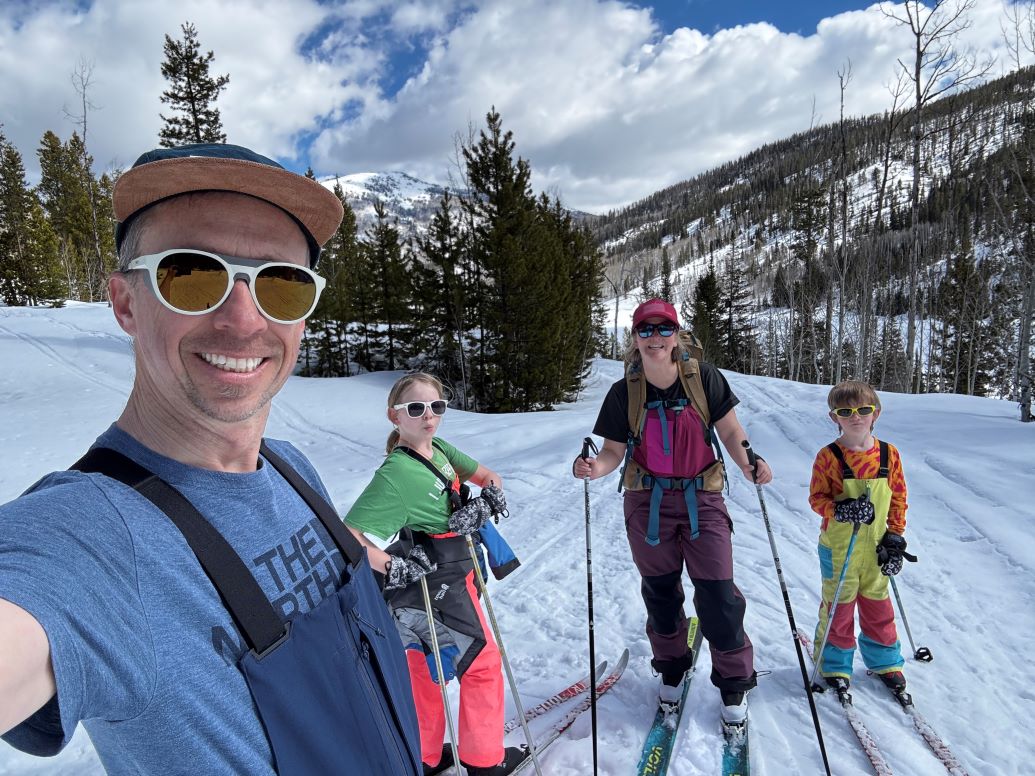
Another significant influence on Kenney’s communication style was Rudy Miick’s "conscious communication" program. Kenney credits this training with significantly enhancing his ability to interact effectively with both the general membership and, crucially, with supervisors and managers. "It helped me communicate with the membership, and it’s really helped me communicate with supervisors," he explained. "Whether it’s managers or instructors, it helps peel away the layers that maybe aren’t relevant and helps get to the meat of issues we need to solve." This skill is particularly vital in a fast-paced, high-pressure environment like a ski school, where clear, concise, and empathetic communication can de-escalate tensions and streamline operations, preventing minor issues from snowballing into significant disruptions.
Kenney also expresses profound gratitude for the opportunity to work closely with Rocky Mountain Region CEO Dana Forbes. Both Forbes and Gregory were staunch proponents of the region’s annual Member School Management (MSM) event and their Directors’ conference. These gatherings were meticulously designed to educate trainers and managers from various schools about new processes, procedures, and industry standards. "The directors and managers of the schools would come together and tackle topics pertaining to the schools, whether it’s volume, staffing, housing, those kinds of things," Kenney recounted. "But we also talked through the relationship between PSIA-AASI and the schools." These conferences provided a crucial forum for collaborative problem-solving, sharing best practices, and strengthening the symbiotic relationship between professional organizations and individual ski schools, exposing Kenney to a wide array of leadership challenges and solutions across the region.
Beyond his regional office experience, Kenney benefited immensely from the examples set by seasoned leaders at the resort level. He specifically credits two long-serving leaders from Steamboat Resort. Nelson Wingard, now vice president of Steamboat’s SnowSports School, is someone Kenney finds "inspirational in terms of how he’s led that school and some of the changes he’s made there." Wingard’s innovative leadership and adaptability in a large resort setting provided a template for strategic management. Furthermore, Dina Castor, who recently took over the director role at Steamboat, holds a special place in Kenney’s professional history, as she was the one who first hired him in 2001. This long-standing relationship underscores the importance of mentorship and the enduring impact of early career guidance.
The influence of National Team alumni Scott Anfang also played a significant role in Kenney’s development, particularly during his training for the Snowboard Level III certification. Despite not meeting Anfang until later in his career due to the stratified nature of their training paths, Kenney values his insights immensely. "I’ll still pick up the phone and call Scott because he’s always got an interesting take on things that’s so grounded, in the real-life boots-on-the-ground experience," Kenney shared. Anfang’s practical, experiential perspective provides a vital counterpoint to theoretical leadership models, grounding Kenney’s decisions in the realities faced by instructors on the snow.
Armed with this comprehensive background, Tim Kenney stepped into the role of Ski and Ride School Director at Eldora in January 2023, well-prepared to implement a leadership philosophy forged through experience and mentorship. Among the guiding principles that shape his approach, the "trust triangle" stands out as a fundamental framework for interpersonal interactions. This theory posits that trust is built upon three pillars: authenticity, logic, and empathy. Kenney observes that sometimes leaders instinctively apply such principles without conscious recognition. "Every once in a while, you dig into leadership theories, and you think to yourself, ‘Huh, I may have been doing that all along without knowing it,’" he reflected. "The model I like is the trust triangle…it simplifies things in terms of how we interact with individuals." This simplified yet profound model allows Kenney to systematically assess and enhance his interactions with his team, ensuring that communication is transparent, rational, and emotionally intelligent.
Kenney particularly emphasizes the empathy aspect of the trust triangle in his interactions with supervisors and managers. He illustrates this with a common scenario: a busy Saturday lineup where instructors’ stress levels are naturally elevated. A seemingly minor issue might arise for an instructor, and a supervisor’s initial inclination might be to dismiss it as unimportant given the immediate pressures. However, Kenney advocates against such a response. "It’s not for us to judge whether the issue is big or small," he asserted. Instead, the focus should be on acknowledging the instructor’s concern with empathy, then "get[ting] back to the logic of what we need to get done that day and do that in a way that doesn’t come off too heavy-handed or too harsh." This approach validates the individual’s feelings while subtly guiding them back to the operational priorities, fostering respect and understanding rather than resentment. This leadership style, prioritizing understanding over immediate dismissal, is a cornerstone of positive workplace culture and is critical for retaining skilled instructors who feel valued and heard.
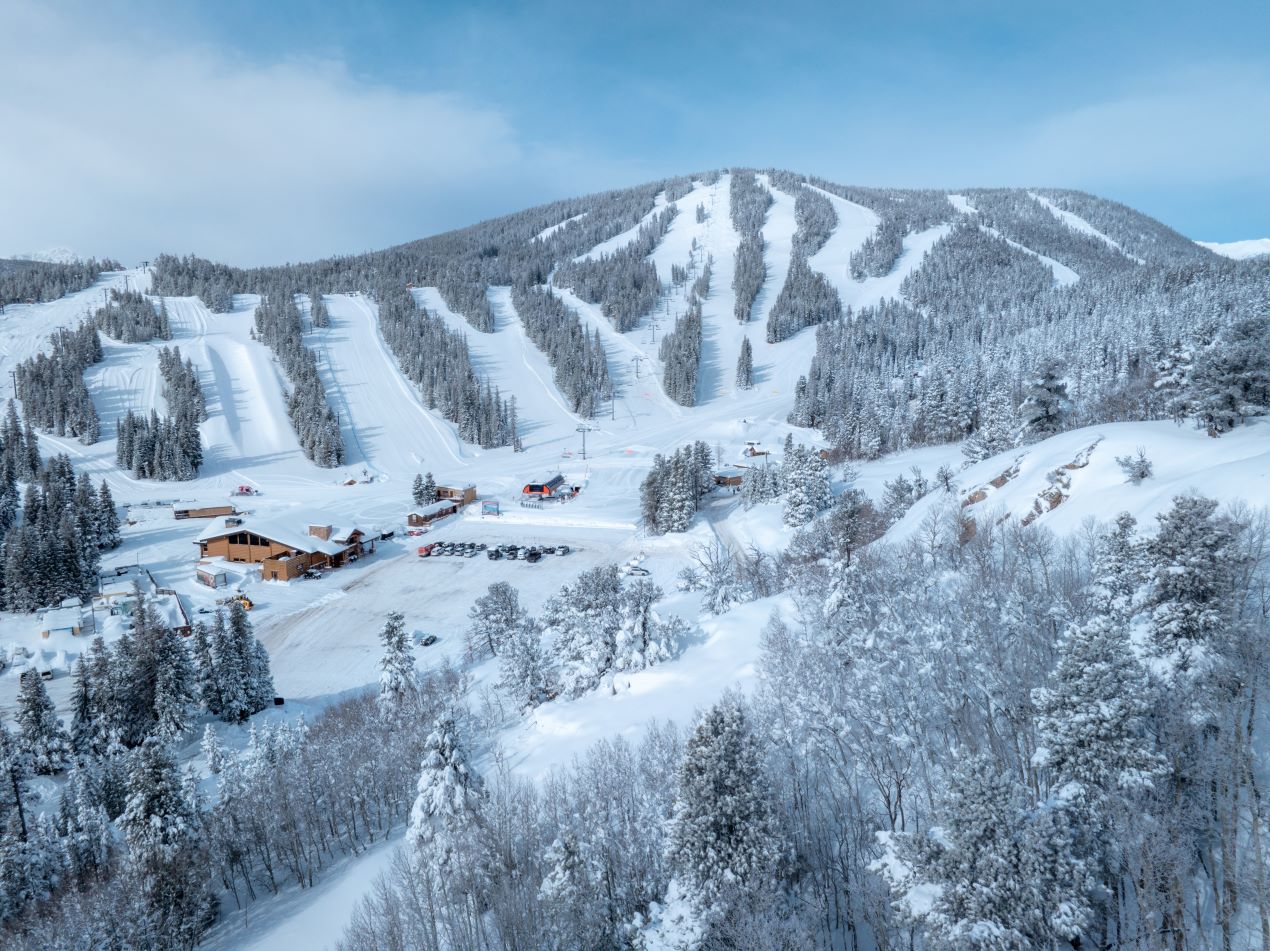
Kenney’s leadership ethos extends beyond his staff, encompassing every individual who interacts with Eldora Mountain. He is a staunch advocate of "leading with a carrot, rather than a stick," a philosophy that underscores positive reinforcement and understanding. His empathy, he maintains, is universal: "We don’t know what everyone’s going through throughout their day, whether that’s a guest or an employee, and it’s easy to place our own values in front of an individual’s." This recognition of diverse personal circumstances and the avoidance of premature judgment is vital for creating an inclusive and welcoming environment, both for staff and the thousands of guests who visit Eldora annually. In an industry where guest experience is paramount, an empathetic leadership trickles down to frontline staff, empowering them to respond to guest needs with patience and understanding, thereby enhancing overall satisfaction and fostering repeat visits.
Another powerful concept ingrained in Eldora’s culture under Kenney’s leadership is the "on-stage mentality." This philosophy, championed by motivational speaker Dan Thurmon – whom Kenney encountered during a pandemic-era leadership training seminar – posits that individuals are always performing, always representing their organization, whether explicitly aware of it or not. At Eldora, this mentality is consciously passed down from supervisors to instructors. "We’re training them to be aware that they are always representing Eldora, in all their actions in uniform and outside of uniform," Kenney explained. "Whether they like it or not, they are always on stage, and in all their interactions at the coffee shop, on the shuttle bus, and coming up to work in front of their guests, people are assessing them and then laying the layer of Eldora over top." This awareness cultivates a heightened sense of professionalism and responsibility among the staff, ensuring that every interaction, from a casual conversation on the chairlift to assistance in the rental shop, reflects positively on the Eldora brand. This comprehensive approach to brand ambassadorship is invaluable for reputation management and consistent guest experience, turning every employee into a living embodiment of the resort’s values.
The implications of Kenney’s leadership model for Eldora Mountain are far-reaching. By prioritizing community, empathy, and professional responsibility, he is addressing some of the most pressing challenges facing the snowsports industry. A strong internal culture, reminiscent of the "summer camp" spirit, can significantly enhance instructor retention, a critical factor given the ongoing national shortage of qualified snowsports instructors. When instructors feel supported, valued, and part of a cohesive team, they are more likely to commit for longer seasons and return year after year, reducing training costs and ensuring a consistent quality of instruction. Furthermore, an empathetic and "on-stage" aware team directly contributes to an exceptional guest experience, which is the lifeblood of any resort. Happy guests are more likely to return, recommend Eldora to others, and engage in loyalty programs, contributing to the resort’s long-term financial health and community standing. In an increasingly competitive recreational landscape, Kenney’s human-centric leadership provides Eldora with a distinct advantage, positioning it not just as a place to learn to ski or ride, but as a vibrant, welcoming community where both staff and guests feel a special, unique bond.
Tim Kenney’s tenure as Ski and Ride School Director at Eldora Mountain marks a significant evolution in snowsports leadership. Drawing on a rich background of regional experience, expert mentorship, and a deep understanding of human dynamics, he has successfully cultivated a school environment that mirrors the inclusive, bonding spirit of summer camp. His commitment to the trust triangle, particularly the pillar of empathy, and his emphasis on an "on-stage" mentality ensure that every instructor at Eldora is not only a skilled educator but also a thoughtful ambassador for the resort. As Eldora Mountain continues to serve as a vital recreational asset in Boulder County, Kenney’s leadership model provides a compelling blueprint for fostering community, enhancing professionalism, and delivering an unparalleled experience for everyone who ventures onto its slopes.
