

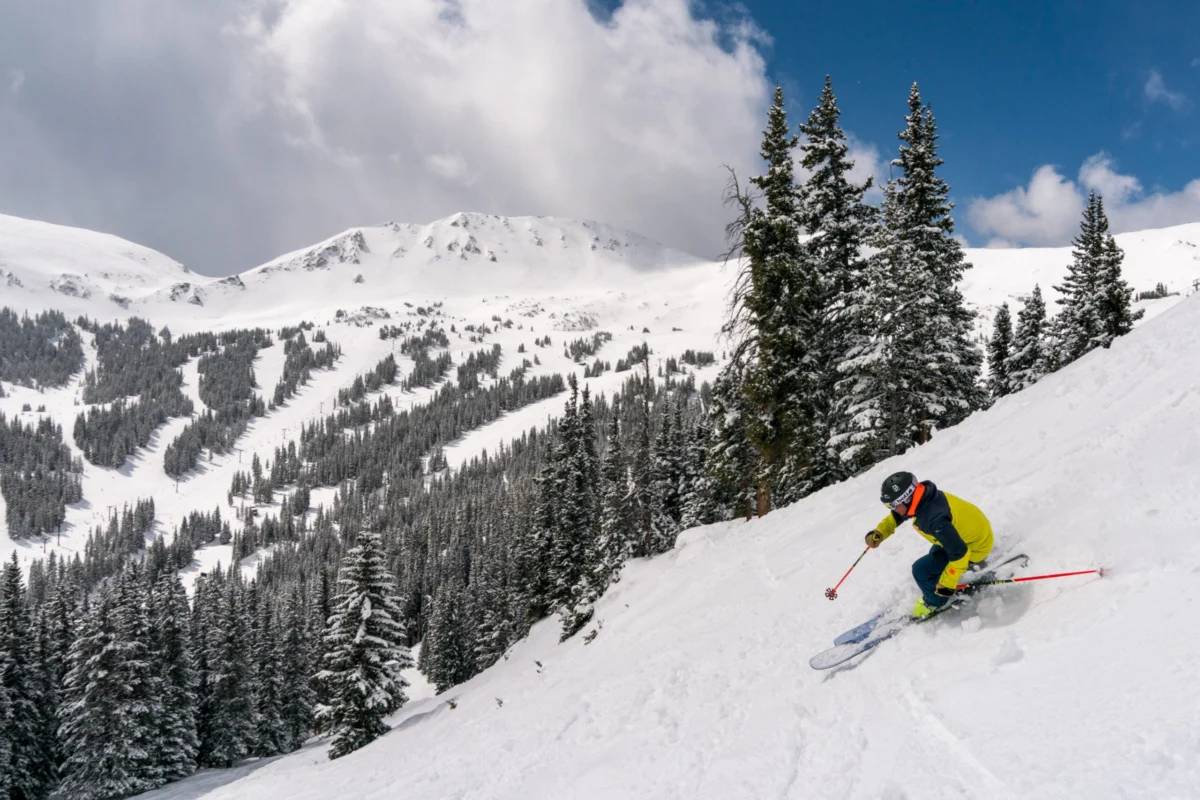
The exhilaration of exploring a new ski resort often comes hand-in-hand with an element of the unknown, particularly concerning the actual difficulty of its marked trails. Skiers frequently recount experiences of encountering "blue" runs that demand the agility of a black diamond or "green" slopes that, due to conditions or inherent pitch, are decidedly unsuitable for novices. This widespread discrepancy highlights a fundamental challenge within the ski industry: the absence of a universal standard for rating terrain difficulty, leading to significant variations between resorts and potential safety implications for unaware skiers.
The Evolving Landscape of Ski Trail Ratings: A System Without Universal Standards
The core of this issue lies in the decentralized nature of trail grading. Each mountain resort independently assesses and assigns difficulty ratings—green circle for beginner, blue square for intermediate, black diamond for advanced, and double black diamond for expert—relative to its own terrain. This localized approach means that a "blue" run at a resort known for its extreme vertical drop might be considerably more challenging than a "black" run at a smaller, gentler mountain. Historically, these systems evolved organically, often reflecting regional skiing cultures and the specific characteristics of the local topography rather than adhering to any overarching industry benchmark.
Beyond the inherent relativity of resort-specific ratings, the dynamic nature of mountain environments introduces another layer of complexity. Weather patterns, grooming schedules, and skier traffic can drastically alter a run’s character within hours. A meticulously groomed cruiser, initially a forgiving blue, can transform into a treacherous sheet of ice after a freeze-thaw cycle. Conversely, an advanced mogul field, typically rated black, might become virtually impassable with refrigerator-sized bumps if it hasn’t received fresh snow in weeks, pushing its true difficulty beyond its marked designation. As one veteran ski patrol director, who preferred to remain anonymous, noted, "The sign on the post is a guide, but the mountain and its conditions are the ultimate arbiters of difficulty. Skier vigilance is paramount."
The implications of these inconsistencies are far-reaching, affecting not only skier experience but also safety. According to data compiled from various ski safety organizations, a significant percentage of accidents occur on trails rated as intermediate or easy, which can often be attributed to unexpected challenges presented by either the inherent terrain or prevailing conditions. While precise figures linking accidents directly to "underrated" trails are hard to isolate, the anecdotal evidence from experienced skiers and ski instructors strongly suggests a correlation.
Case Studies: Notorious Trails That Punch Above Their Weight
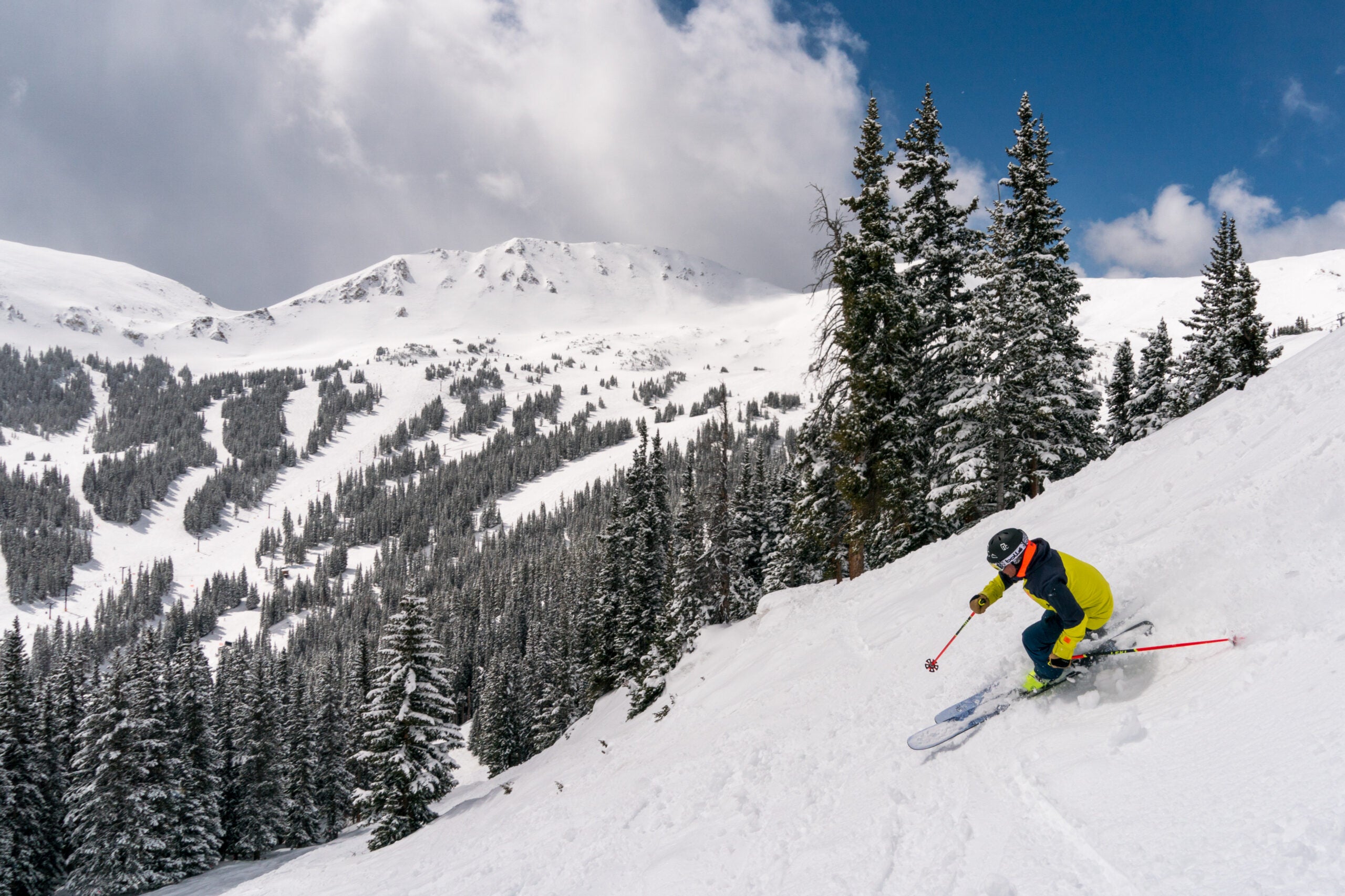
Across North America, certain trails have earned reputations among seasoned skiers for consistently defying their official ratings. These runs serve as prime examples of how localized grading and environmental factors can lead to a significant mismatch between expectation and reality.
Paradise, Mad River Glen, Vermont
Mad River Glen stands as a unique bastion in the modern ski world, adhering to a philosophy that prioritizes natural snow, eschews snowboards, and practices minimal grooming. Its trail difficulty system is refreshingly simple: single greens, blues, or blacks. However, among those who frequent its rugged slopes, "Paradise" is widely considered a run deserving of a double-black rating, a full tier above its current single-black designation. The defining feature that elevates its challenge is a mandatory drop over a frozen waterfall, a technical maneuver that requires expert-level precision and nerve. This specific obstacle alone would typically place it in the highest difficulty category at most other resorts.
Adding to Mad River Glen’s mystique is "Catamount," another run from the same peak as Paradise, officially marked as a single blue. Yet, many experienced skiers contend that Catamount’s pitch, unpredictable natural snow conditions, and tight sections make it ski more like a black diamond. A representative for Mad River Glen, while acknowledging the resort’s unique character, stated, "Our trails are rated relative to our challenging terrain. We encourage all skiers to understand our mountain’s philosophy and ski within their abilities, embracing the raw, natural experience we offer." This perspective underscores the resort’s commitment to its distinctive identity, even if it means its ‘blue’ is another resort’s ‘black’.
Seattle Ridge, Sun Valley, Idaho
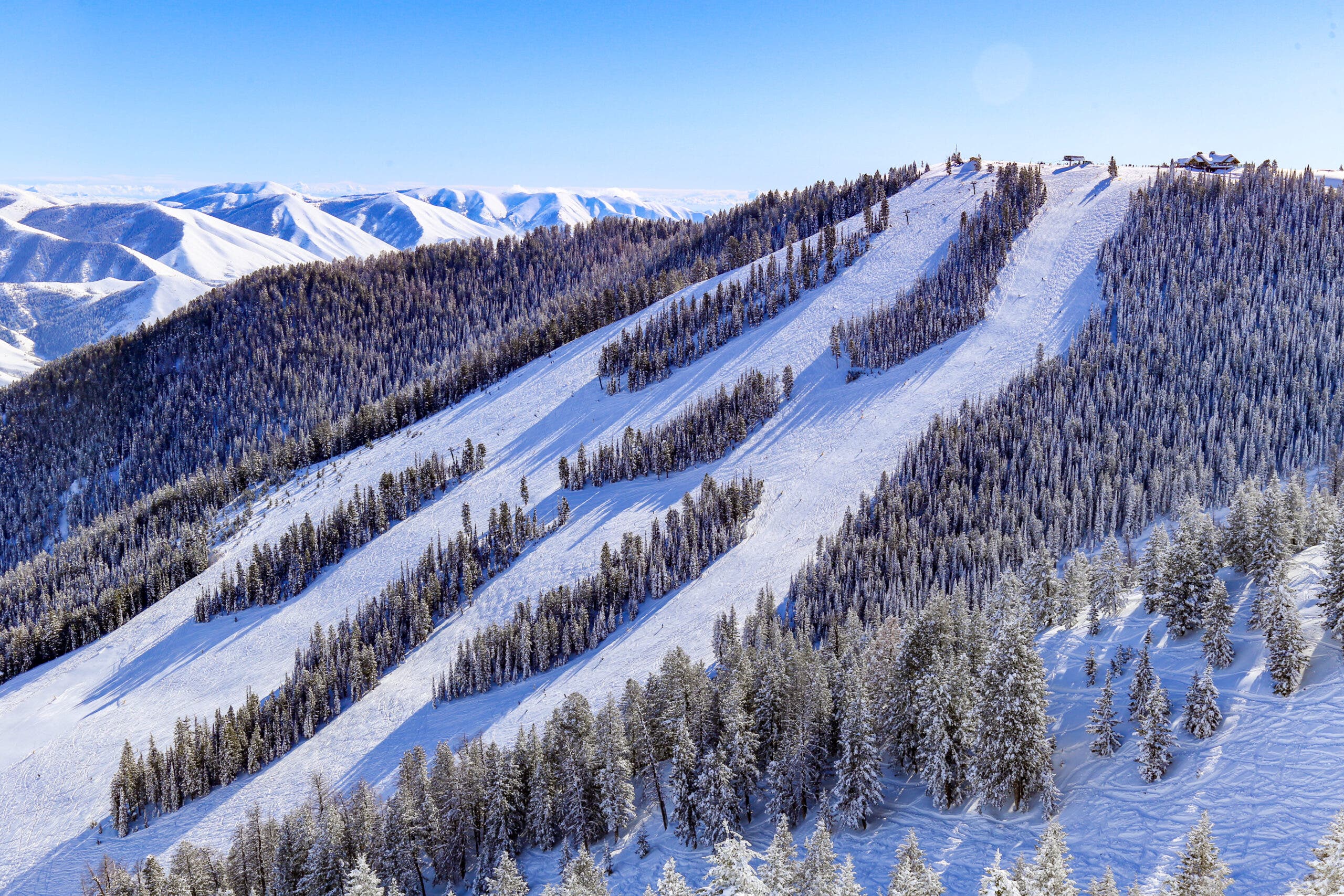
At Sun Valley Resort’s Bald Mountain, the entire slope below Seattle Ridge Lodge presents a deceptive picture on the trail map. Marked as a cluster of single-green runs, it appears to be a beginner’s haven. In reality, the Seattle Ridge terrain pod consistently receives feedback from skiers suggesting its gradient and occasional conditions are steep enough to warrant a blue, or even a double-blue rating at other ski areas. While greens typically feature average gradients between 6-10 degrees, sections of Seattle Ridge often exceed 15-20 degrees, which falls squarely into the intermediate category for many resorts. This can create a challenging and potentially intimidating experience for true beginners expecting a gentle introduction to the slopes. The disparity is particularly pronounced on days with firm snow or limited visibility, transforming what looks like a benign slope into a legitimate test of intermediate skills.
Trestle, Winter Park, Colorado
For many advanced skiers, moguls offer an exhilarating challenge, a rhythmic dance down the mountain. However, even dedicated bump enthusiasts report significant difficulty on Winter Park’s "Trestle." Officially a single-black ski run, its accessibility is peculiar, connecting from either a single blue or several double-black, extreme-rated runs. This placement hints at its true nature. After several days of heavy skier traffic without fresh snowfall, the moguls on Trestle can grow to monumental sizes, sometimes described as "refrigerator-sized," making them nearly unskiable even for highly proficient skiers. The sheer scale and irregularity of these bumps demand exceptional strength, technique, and stamina, pushing its difficulty firmly into the double-black realm. A representative from Winter Park’s Ski Patrol frequently reminds guests that "mogul fields evolve constantly. Always assess the size and consistency of the bumps before committing, and consider your energy levels, especially late in the day."
Shakedown, Smugglers’ Notch, Vermont
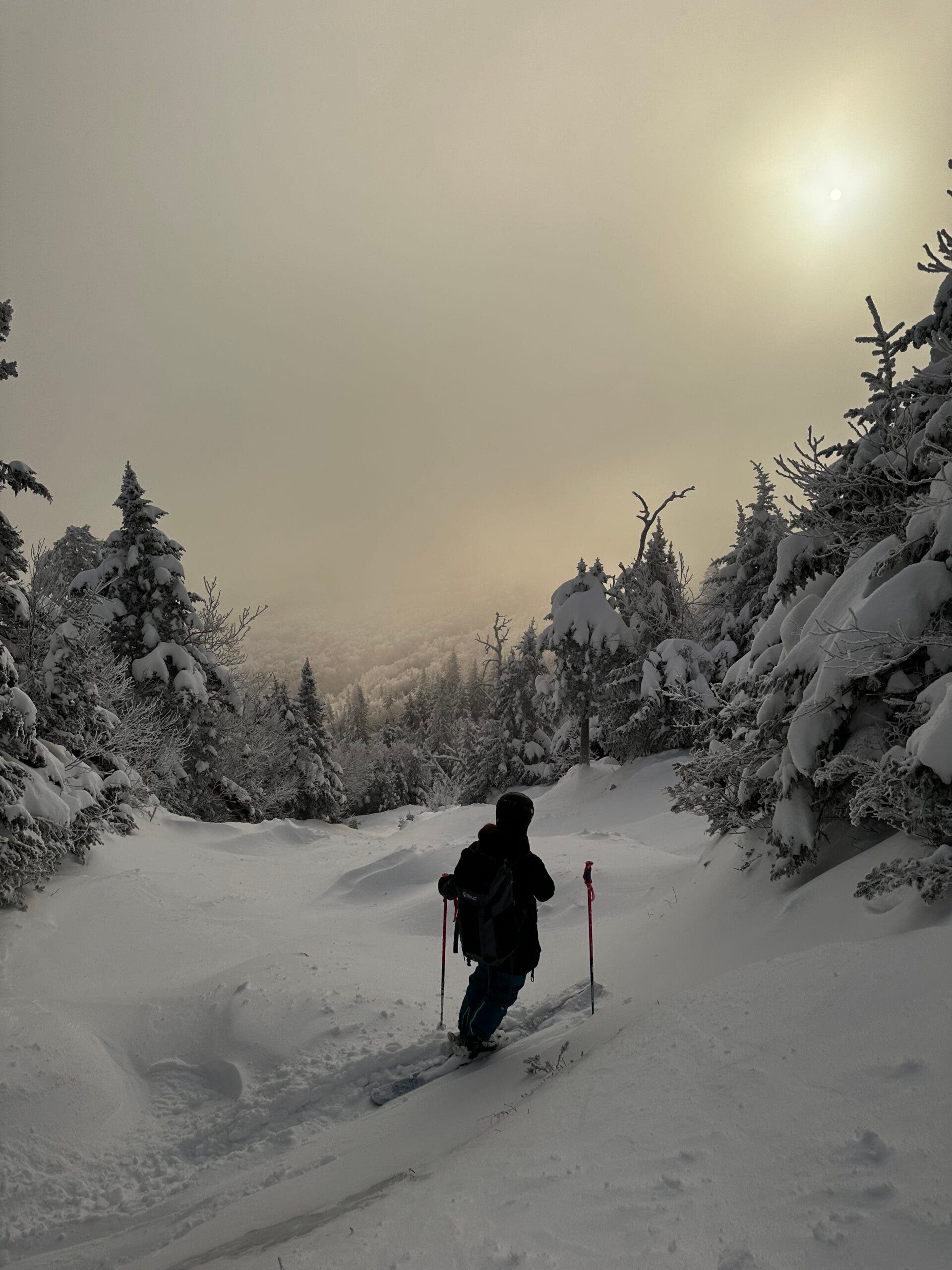
Smugglers’ Notch in Vermont is renowned for its formidable terrain, boasting numerous double-black diamond runs and famously, the East Coast’s only triple-black diamond. Yet, amidst this challenging landscape, "Shakedown," officially a single-black tree run, is frequently cited as a significant under-rating. Skiers who navigate its tight glades report that the combination of closely packed trees at the top, coupled with a substantial vertical drop and considerable length, clearly warrants a double-black diamond designation. Tree runs inherently add a layer of complexity beyond mere slope angle, requiring quick decision-making, precise turns, and the ability to absorb uneven terrain. The additional factors on Shakedown—its sustained steepness and dense forest—make it a formidable challenge even for expert skiers accustomed to gladed terrain.
Scrub, Loveland, Colorado
"Scrub," a relatively short blue run located directly below Loveland’s Lift 4, has become the subject of local speculation regarding its rating. It is noticeably steeper than most of the ski area’s other blue runs, and even some milder black runs. The prevailing theory suggests that Loveland intentionally downgraded Scrub’s rating. This is because Scrub provides one of the most intuitive and direct pathways back to the base of Lift 4, an area otherwise predominantly served by black diamond trails. By marking Scrub as a blue, the resort potentially facilitates better skier flow and access for intermediate skiers to a key lift, even if the run itself pushes the upper limits of an intermediate rating. This practical consideration, while beneficial for traffic management, can surprise skiers expecting a typical blue square experience. A resort operations manager, speaking generally about traffic flow, might state, "Resort planning involves balancing access, safety, and flow. While we strive for accuracy, certain runs may serve multiple strategic purposes."
Pushover & Walt’s Trail, Sugarbush, Vermont
Sugarbush, another Vermont gem, presents its own set of deceptively rated trails. "Pushover" is designated as a main beginner thoroughfare leading to Lincoln Peak Village. However, sections of this green run are steep enough to feel distinctly blue, prompting some less confident skiers to remove their skis and walk the more challenging pitches. This problem is exacerbated by Pushover’s propensity to become icy quickly, transforming a moderate slope into a high-friction, high-skill challenge.
A similar situation exists on the Mt. Ellen side of Sugarbush with "Walt’s Trail." While generally a manageable green, it skis significantly more like a blue when ungroomed, especially when underlying waterbars become exposed. These subtle undulations, when combined with hardpack or icy conditions, can create unexpected obstacles for novice skiers, demanding more advanced edge control and balance than a typical green trail implies. The combination of variable conditions and inherent terrain features on both Pushover and Walt’s Trail underscores how "easy" runs can quickly become challenging tests of skill and nerve.
Implications and Skier Responsibility
The prevalence of underrated ski trails carries significant implications for skier safety and the overall mountain experience. The primary concern is the increased risk of accidents for skiers who inadvertently find themselves on terrain beyond their capabilities. A false sense of security derived from an inaccurate trail rating can lead to loss of control, falls, and injuries, particularly for less experienced individuals.
This issue also underscores the critical importance of the "Skier’s Code" and personal responsibility. While resorts bear the responsibility for providing clear and accurate information, skiers must also cultivate a proactive approach to assessing conditions and their own skill levels. This includes:
- Consulting Multiple Sources: Beyond the trail map, checking real-time snow reports, local forums, and speaking with ski patrol or instructors can provide invaluable insights into current conditions and actual trail difficulty.
- Observing and Adapting: Paying attention to the snow surface, skier traffic, and the apparent skill level of others on a run can offer clues about its true nature.
- Progressive Skill Development: Beginners should resist the urge to progress too quickly, focusing on mastering basic skills on genuinely easy terrain before venturing onto more challenging slopes.
- Learning to Read the Mountain: Understanding how factors like aspect (sun exposure), elevation, and recent weather events can impact snow quality and surface conditions is a vital skill.
The ongoing debate about standardizing trail ratings on a national or even international level faces considerable logistical and philosophical hurdles. Resort operators often argue that their unique terrain dictates a relative rating system, and a one-size-fits-all approach would diminish the distinct character of individual mountains. However, proponents of standardization emphasize the potential for enhanced safety and clearer expectations for skiers traveling between different resorts. While a fully standardized system may remain elusive, the conversation itself highlights the need for greater transparency and consistency in how trail difficulty is communicated.
Towards Greater Clarity: The Future of Trail Information
In an era of advanced technology, there are opportunities to mitigate the confusion caused by inconsistent trail ratings. Resorts could implement:
- Dynamic Rating Systems: Utilizing real-time data from weather stations, snow depth sensors, and grooming reports to provide more nuanced, condition-dependent difficulty advisories.
- Enhanced Digital Trail Maps: Integrating user-generated content, detailed topographic data, and virtual reality overlays to offer a more comprehensive preview of terrain.
- Standardized Descriptors: While a universal symbol might be difficult, a common lexicon for describing specific challenges (e.g., "steep pitch," "tight glades," "large moguls," "prone to icing") could improve communication.
- Skier Education Campaigns: Emphasizing the dynamic nature of mountain conditions and the importance of personal assessment.
Ultimately, the thrill of discovering new terrain is an intrinsic part of the skiing experience. However, this thrill must be balanced with an unwavering commitment to safety. As the ski industry continues to evolve, the challenge of accurately conveying trail difficulty in a diverse and dynamic environment remains paramount. By fostering a culture of informed decision-making among skiers and exploring innovative ways to communicate real-time conditions, resorts can help ensure that every turn is met with confidence, not unexpected terror.
