

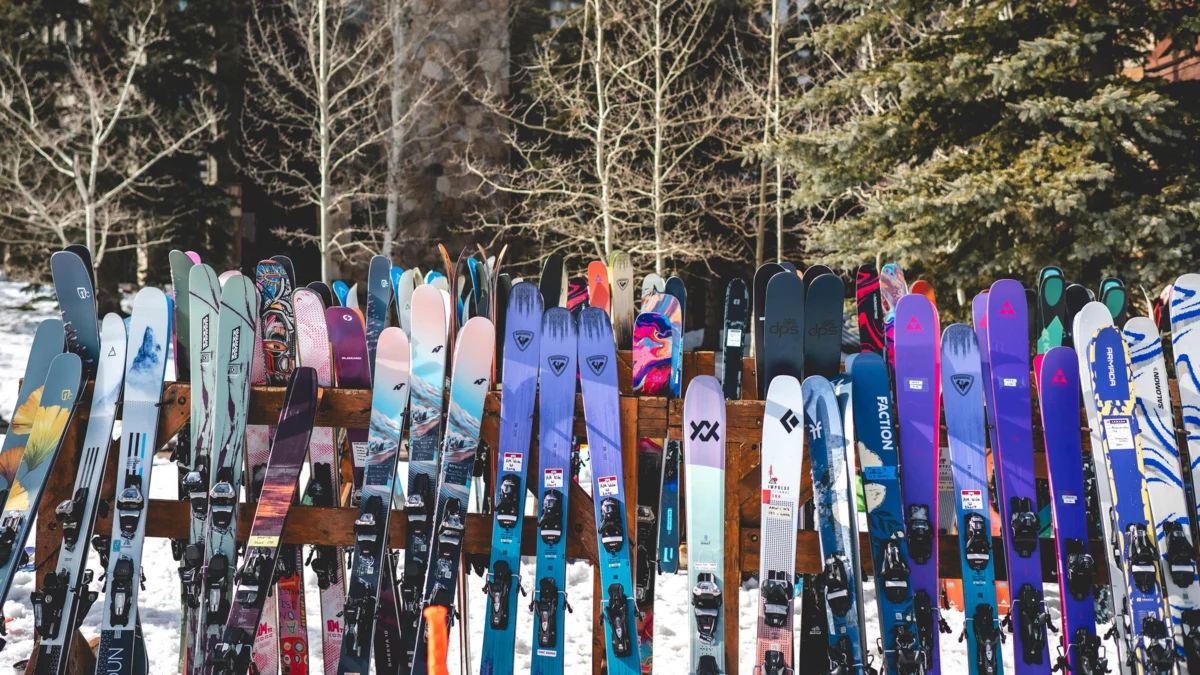
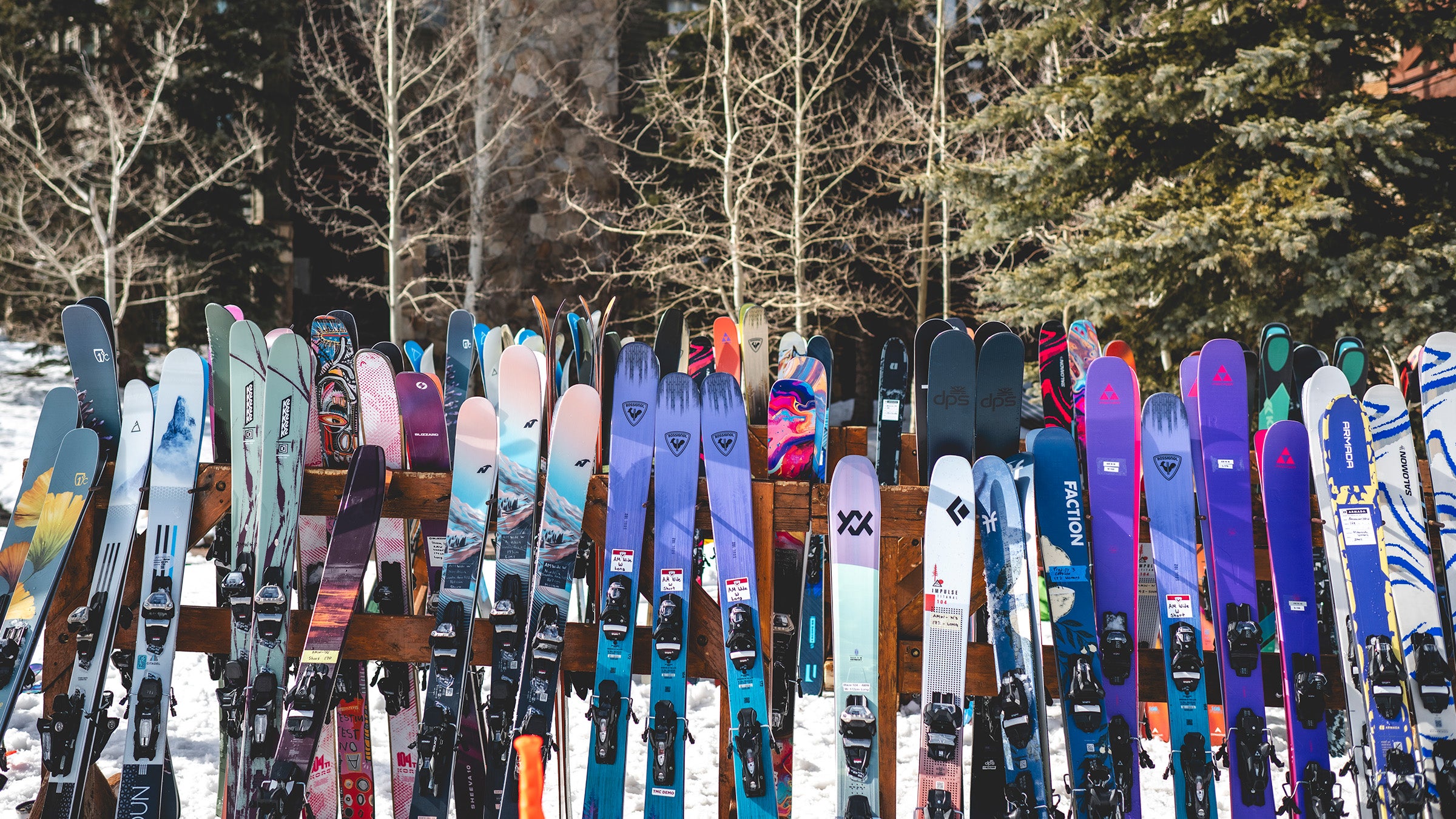
Published August 5, 2026, the ski industry finds itself at a pivotal crossroads, grappling with a fundamental question that has persisted for decades: Do women genuinely desire women’s-specific skis, or is the demand for specialized engineering a misconception? This query is currently eliciting remarkably divergent strategic responses from leading brands, illuminating a complex market landscape shaped by evolving consumer preferences, historical precedents, and technological advancements.
Brands like Head are resolutely committing to the concept of gender-specific design. The company recently convened a comprehensive women’s summit, a collaborative forum bringing together retailers, product testers, and marketing specialists. The explicit goal was to meticulously define the needs and desires of the contemporary female skier, thereby informing the development of its forthcoming Joy collection. This initiative underscores a belief that tailored engineering, beyond mere aesthetics, remains critical for a significant segment of the market.
In stark contrast, other industry giants, notably Salomon, have adopted an entirely different philosophy. Their 2026 all-mountain and freeride collections feature exclusively unisex models, offering a variety of graphic options to cater to individual style. This approach posits that performance is not inherently gendered, and that skiers, irrespective of sex, seek similar core attributes in their equipment, with visual preference being the primary differentiator. The schism between these two approaches raises a pertinent question: how, after decades of market evolution and consumer feedback, has the ski industry yet to conclusively resolve this foundational debate?
Historical Context: The Genesis of Women’s-Specific Design
The journey to understanding the current industry divide requires a retrospective look at the origins of women’s ski gear. When an editor at SKI Magazine in the late 1990s, the prevailing market trend for women’s skis was often described by Kim Walker, co-founder of the women’s ski shop Outdoor DIVAS, as "shrinked and pinked." This derogatory, yet accurate, term referred to skis that were essentially shorter, cosmetically altered versions of unisex models, adorned with overtly feminine graphics but lacking any fundamental re-engineering. This practice, while commercially expedient, often failed to address the distinct physiological requirements of female skiers.
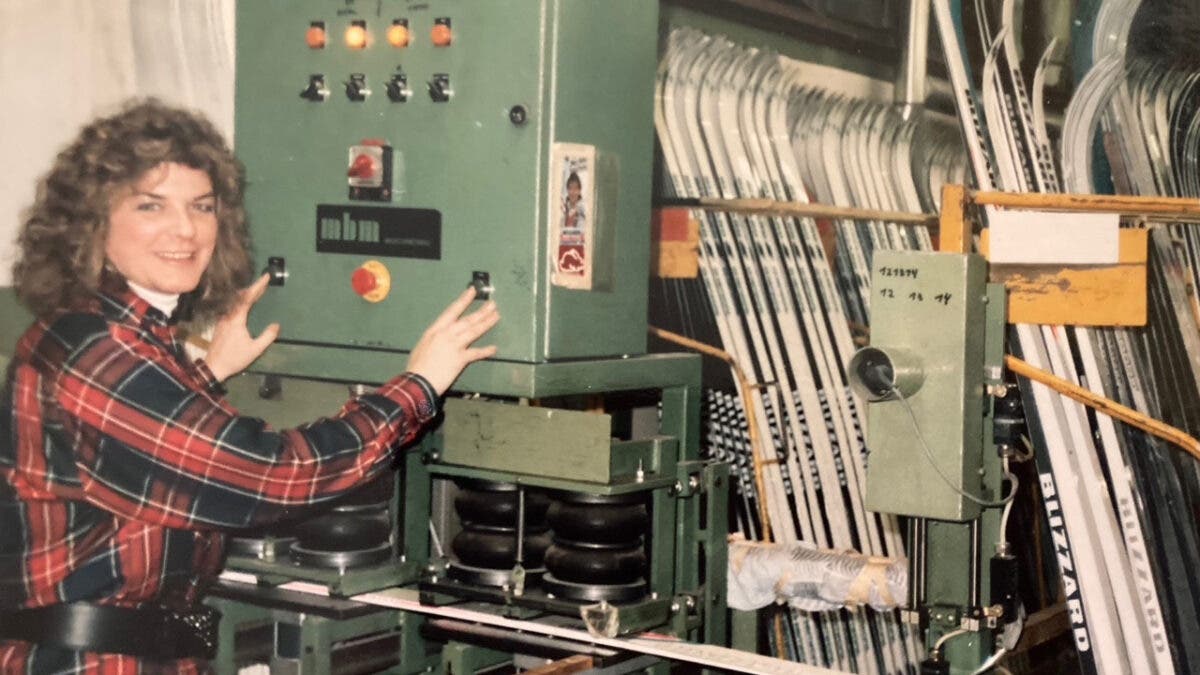
However, even in this era, a significant shift was already underway, spearheaded by visionary pioneers. Jeannie Thoren, a celebrated U.S. Ski & Snowboard Hall of Fame inductee, is widely recognized as a pivotal figure in the development of women’s ski gear. Thoren’s advocacy led to what is largely considered the first truly women’s-specific ski: the Blizzard Fame, which debuted in 1986. Her compelling argument was rooted in biomechanics: women’s distinct physiology—including pelvic width, lower center of gravity, varied weight distribution, differing strength-to-weight ratios, and flexibility—demanded a fundamentally different engineering approach than the designs predominantly conceived, tested, and marketed by European men. Thoren’s work was revolutionary, challenging decades of male-centric design paradigms and laying the groundwork for a more inclusive approach to ski development.
The impact of these early innovations was profound. While the author did not personally experience the Blizzard Fame, the Volant Vertex in 1999 marked a memorable turning point. As a former ski racer accustomed to the rigidity of performance skis, initial skepticism was quickly overcome. The Vertex offered an unexpected blend of effortless turning capability combined with remarkable line-holding stability through challenging terrain like bumps and high-speed sections. This performance allowed for a more relaxed, confident skiing experience, rather than a constant battle with the equipment. Peter Turner, the designer of the Vertex, whose career spans influential roles at Hexcel, Goode, and as co-founder of DPS, explained that the Vertex line originated from the observation that women appreciated Volant skis for their inherent softness, ease of use, and confidence-inspiring stability. A dedicated team of women, including Jeannie Thoren, was instrumental in optimizing the steel technology specifically for female skiers, moving beyond mere superficial adjustments to core structural elements.
The Early 2000s Boom: A Period of Rapid Innovation
The early 2000s witnessed an unprecedented explosion in the women’s ski market. As the editor overseeing SKI Magazine’s women’s ski test during this period, the author recalls shop walls brimming with an array of skis in every conceivable shade of pink and violet. The magazine’s annual reviews frequently featured more than 20 distinct models, reflecting the industry’s fervent response to this burgeoning demand.
One of the era’s most iconic models was the K2 Phat Luv, distinguished by its vibrant hibiscus graphics and a "fat-GS" performance profile. Its success was further amplified by K2’s pioneering all-female Alliance Team, which provided authentic endorsement and visibility. Yet, the Phat Luv was merely one example in a sea of new offerings. Across the industry, substantial investments were poured into research and development, targeted focus groups, and dedicated women’s initiatives. Head established an international women’s team, while Blizzard launched its enduring Women2Women program, which remains one of the industry’s longest-running and most successful efforts. This era of intense focus on women’s-specific design even led to the migration of some key technologies into unisex lines, such as Elan’s Tubelite (later integrated into the Ripstick series) and Head’s Graphene, which first appeared in the Joy collection. These innovations proved that specialized design for women could yield advancements beneficial to all skiers.
Market Shifts and a Divided Industry Philosophy
The two decades since that initial boom have seen a dynamic ebb and flow in the market for women’s-specific skis. Depending on who you consult, the industry has either made significant strides or remains frustratingly stagnant. Valerie Kechian, Atomic’s alpine women’s ski product manager, notes a complex segmentation of the female consumer base in recent years. "There was large market growth in women-specific products in all categories from the early 2000s," Kechian states. "But in the last five years, there is a mix of consumers—women who desire only unisex products, confident hard-charging women who want the ski-ability of a unisex product but with a female graphic, and those who’d rather stick with a ski designed with only women in mind." This nuanced understanding highlights the increasing diversity within the female skiing population, complicating a one-size-fits-all approach.
This period has also seen a discernible lull in investment in women’s-specific ski development. Some manufacturers temporarily halted projects after the market volatility induced by the pandemic, prioritizing stability over innovation. However, this pause may have been ill-timed. Lauren Williams, managing partner for Outdoor DIVAS, observes, "I get that building molds is super expensive and the ski industry is fighting a ton of financial pressure right now. However, there are some companies out there making truly unique women’s skis and guess what? They sell better than the companies who are just offering flowery graphics." This insight suggests that genuine engineering, rather than superficial marketing, correlates directly with sales success and consumer demand, which never truly dissipated but rather evolved.
Consequently, brands are now sharply divided on their approach to women’s ski gear. On one side are companies like Blizzard, Head, and Elan, who continue to champion the belief that women benefit from skis engineered differently from the ground up. This involves specific adjustments to mounting positions, flex patterns, and material compositions, moving far beyond mere cosmetic differentiation. Their strategy is a direct bet on the physiological argument, asserting that distinct female biomechanics warrant tailored equipment.
Conversely, brands such as Salomon and Armada advocate for a unisex model, contending that the perceived performance gap between genders was largely a myth. Their argument centers on the idea that what women truly seek is identical engineering to their male counterparts, with the freedom to choose aesthetics that align with their personal style. This philosophy emphasizes individual skill and preference over assumed gendered differences in performance needs.
The Pro-Engineering Stance: Tailoring to Physiology
Brands embracing the engineering-first approach are not merely resting on past laurels but are actively engaging with their target demographic to refine their offerings. Head’s recent women’s summit exemplified this, directly asking participants to define the modern female skier, her aspirations, and her preferred modes of engagement with brands. Natalie Dyksterhouse, Head’s marketing and communications manager, reported key findings: "We heard feedback that there doesn’t necessarily need to be women’s-specific models for the freeride category, but women do want women’s-specific carving and frontside skis. And they want to know the ‘why’ instead of blindly believing that they should get it." This feedback highlights a demand for transparency and justification behind design choices, rather than an expectation of blanket gender-specific products across all ski categories.
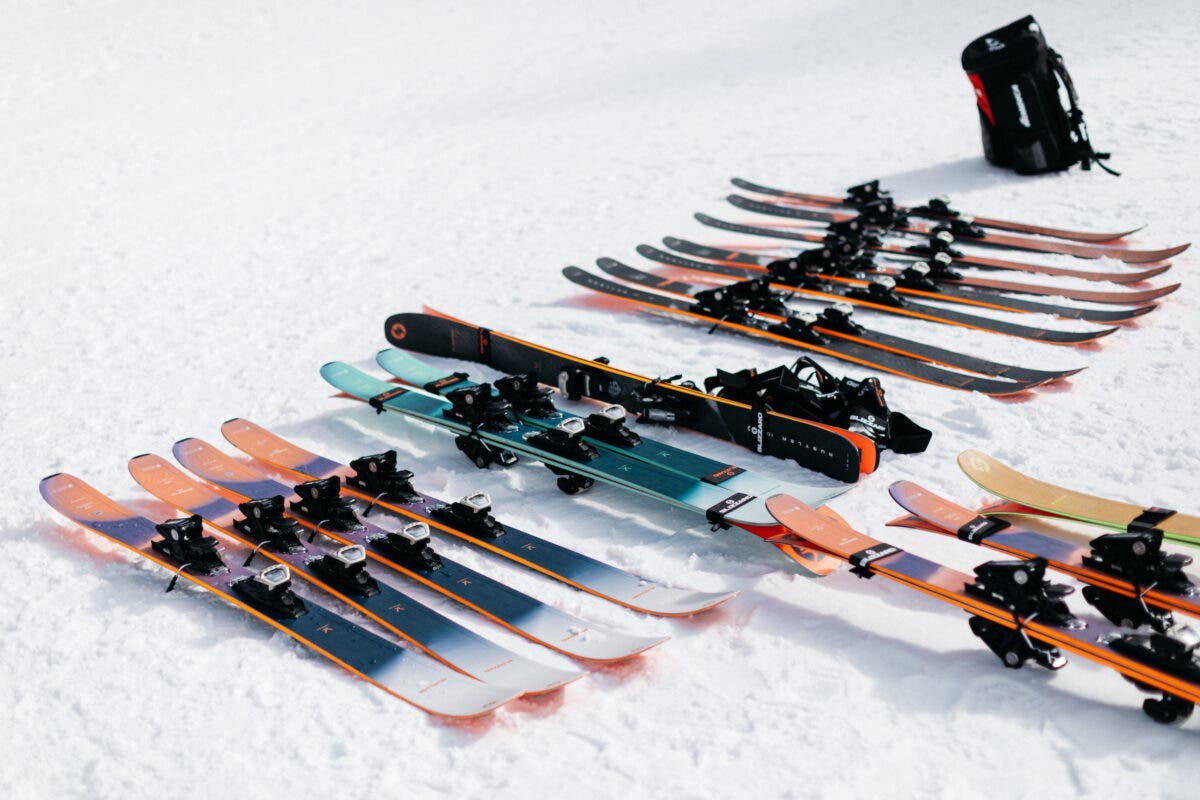
Head’s women’s-specific skis, for instance, incorporate two critical elements that were foundational two decades ago: forward mounting positions and material selections designed to produce performance characteristics distinct from unisex skis in comparable categories. While past marketing often emphasized "softer" and "lighter" skis for women, Dyksterhouse notes that this language can be perceived as demeaning, making women feel "inferior." The focus has shifted to "accessibility" without compromising performance.
Other brands are converging on similar design principles. Mounting positions are being optimized to reflect typical women’s boot sole lengths (averaging 265–295 millimeters, compared to 306–315 millimeters for men), and flex patterns are calibrated to average female weight distributions. Anja Blieninger, Völkl/Marker/Dalbello category director, articulates the goal: "Better accessibility doesn’t mean that the ski is weak. Accessibility is totally different from the past. We can now make a more approachable ski without taking away edge grip and precision." This underscores a commitment to enhancing ease of use and control without sacrificing the high-performance attributes that advanced skiers demand.
To ensure authenticity and market relevance, brands are strategically reaching out to diverse groups for feedback. This includes specialty retailers, who possess invaluable insights into sales trends and consumer preferences on the shop floor. Andrea Palmer, hardgoods buyer for Backcountry.com, affirms the market’s response: "I’m glad there are brands that are reclaiming some of that women’s market share and including women in the market. A lot of women look for a women’s-specific ski, and we sell a lot of them. They want a good experience without so much effort. It does seem to be the 30-plus consumers that care about this the most, but unisex skis offered in shorter sizes and marketed as women’s skis just don’t have the same traction in the market." This highlights a clear demographic split and the continued importance of truly engineered, rather than merely re-branded, products for a significant segment of female consumers.
The Unisex Advocacy: Performance Beyond Gender
Despite the compelling arguments for women’s-specific engineering, a powerful counter-narrative champions the unisex approach. Lauren Samuels, Salomon’s North American alpine product and commercial manager, articulates this perspective: "Historically, the industry assumed female skiers needed a compromised construction and we reject that. Instead, we are decoupling performance from aesthetics. We no longer force a hard-charging female skier to buy a ‘men’s’ model just to get a 106-millimeter waist in a 180-centimeter length. The engine under the hood is identical; the graphic is simply a matter of personal style." This stance directly challenges the notion of inherent physiological limitations and instead emphasizes individual skill and preference.
Athlete-driven brands, such as Armada, echo this sentiment. Jesse Ambrogi-Yanson, head of Armada alpine marketing, states, "Armada’s ski lines are developed in collaboration with males and females alike (except for signature models), and we found that athlete needs and ski direction didn’t vary between male or female—both want the same performance with different aesthetics." This perspective is particularly prevalent in performance-oriented segments like freeride and park skiing, where the demands of the terrain often dictate equipment design more than gender.
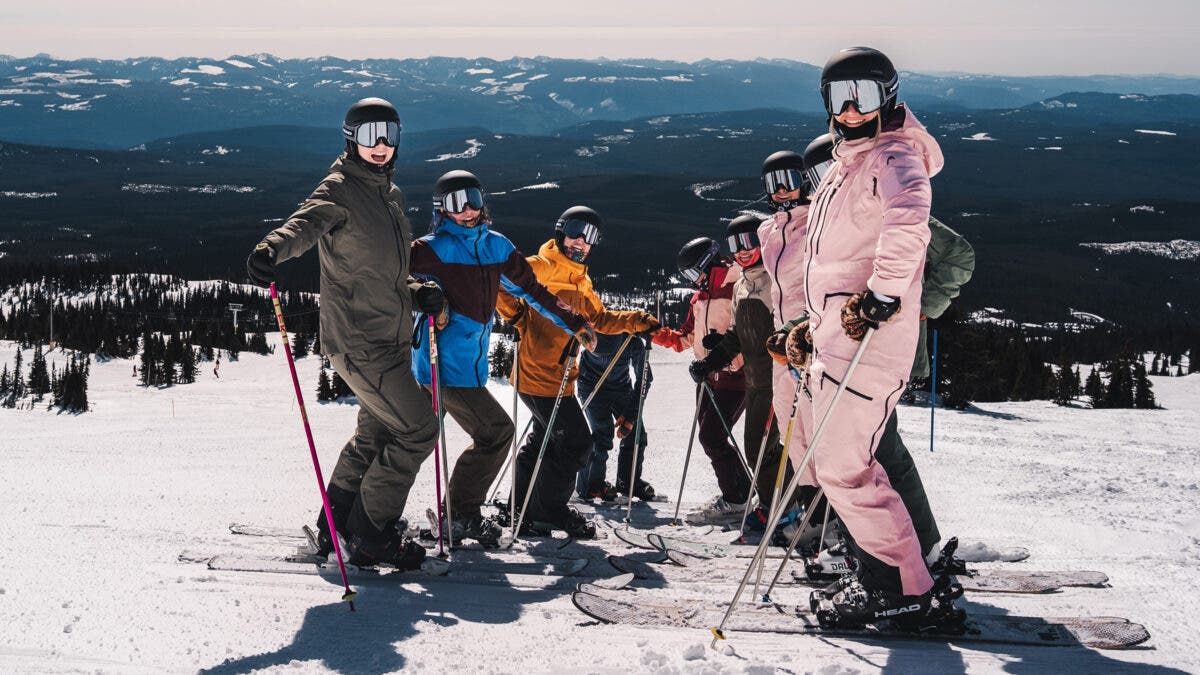
The implication of the unisex model is a move towards broader inclusivity, ensuring that any skier, regardless of gender identity, can access the full spectrum of performance characteristics. This approach recognizes that skill, aggression, and preferred terrain vary widely within genders, making a "men’s" or "women’s" label potentially reductive and limiting.
Engaging the Modern Female Skier: Authenticity and Demographics
Beyond the engineering debate, the manner in which brands communicate with female consumers is becoming increasingly critical. Klarisa Veselič, head of product for Elan’s W Studio, observes that today’s female consumers are "highly engaged, performance-driven, and digitally savvy." They expect products developed with their specific needs in mind, supported by rigorous testing and credible feedback from other women. Crucially, Veselič adds, "We have also learned that women are deeply sensitive to whether a brand’s investment in them is real or performative." This highlights a demand for genuine commitment and transparency, not just token gestures.
Demographic shifts further complicate the marketing landscape. Feedback from Head’s focus groups suggests that younger generations hold different perspectives on gender and social norms, often exhibiting an aversion to being confined by labels. Dyksterhouse from Head notes, "We learned from the group that Joy skis have often been attractive to an older demographic. However, there’s a younger segment of the market that would not only benefit, but would love skiing on these skis, so it’s an evolving challenge to figure out how to communicate to different consumer groups." This indicates that marketing strategies must adapt to resonate with a diverse and evolving demographic, moving beyond traditional gendered messaging.
The rise of social media and online communities has also empowered female skiers to share experiences and opinions, further influencing market trends. Brands that fail to engage authentically or whose products do not live up to their claims risk reputational damage and lost sales. The modern female skier is informed and discerning, demanding substance over superficiality.
The Evolving Consumer: Choice Over Confinement

The overarching takeaway from the current industry discourse is that there is no singular "female skier" profile. Instead, the market is characterized by a rich tapestry of preferences and priorities. Some female consumers—particularly younger generations, those immersed in subcultures like freeride or park and pipe, or those who simply prioritize raw performance—do not wish to be differentiated from their male counterparts. They seek skis that deliver unwavering trustworthiness at speed, inspire confidence off-piste, or offer unparalleled maneuverability. They actively resist being told they need a "softer" or "less than" ski, even if they might appreciate unique graphic options.
Conversely, another significant segment of women, including many millennials and older demographics, actively seeks gear designed with their unique physiology in mind. For them, the assurance that other women had a seat at the design table is a powerful selling point, signaling genuine understanding and consideration of their needs. This group values the ergonomic and performance benefits derived from gender-specific engineering.
After 25 years of personally testing these skis and observing the emergence of new generations of strong female skiers who benefit from a myriad of choices, it becomes clear that there is no single "right" answer. Perhaps the true essence of the ongoing debate lies not in dictating what women should want, but in offering comprehensive options. Women want choice: authentically designed products tailored for them, or exceptionally engineered products that are simply the best for their intended purpose, regardless of gendered labels.
Broader Industry Implications and Future Outlook
This ongoing dialogue has significant implications for the ski industry. For manufacturers, it represents a strategic dilemma: invest heavily in expensive, gender-specific molds and R&D, or consolidate production into unisex lines with diverse graphic options. The economic pressures of the market, including rising material costs and volatile demand, add complexity to these decisions. However, as demonstrated by the success of brands genuinely committed to women’s-specific design, ignoring this segment is a missed opportunity.
The future of ski design for women likely lies in continued diversification and personalization. As Head’s Dyksterhouse aptly concludes, "The trend in the ski industry is that we’re going back to having a quiver and not just one ski anymore. Women can have a women’s ski and a unisex in their quiver and can enjoy both and not be boxed into anything." This vision suggests a future where female skiers are empowered to curate their equipment collections based on their specific needs, preferences, and the conditions they plan to tackle, free from prescriptive gendered categories.
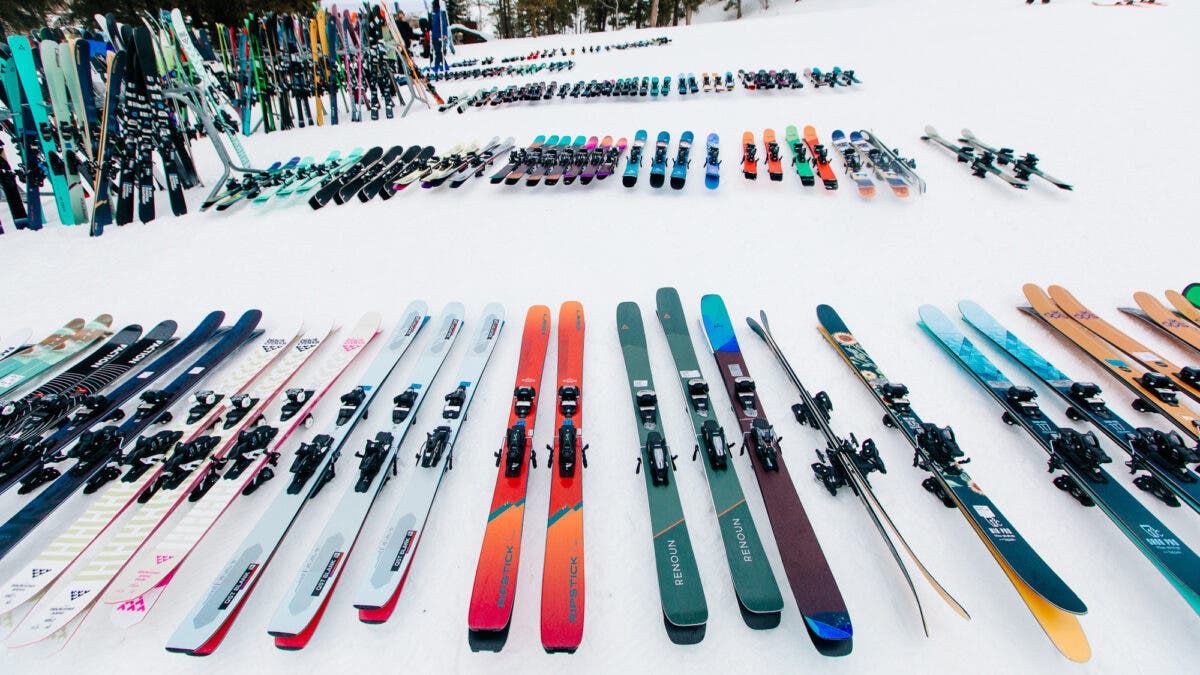
Ultimately, the debate over women’s-specific skis is less about a definitive "yes" or "no" and more about recognizing the multifaceted nature of the female skiing experience. The industry’s challenge and opportunity lie in fostering an environment of choice, innovation, and authentic engagement, ensuring that every woman on the slopes feels confident, capable, and perfectly equipped for her adventure. This evolution, driven by consumer insight and technological advancement, promises a richer, more inclusive future for the sport.
